
Pruning
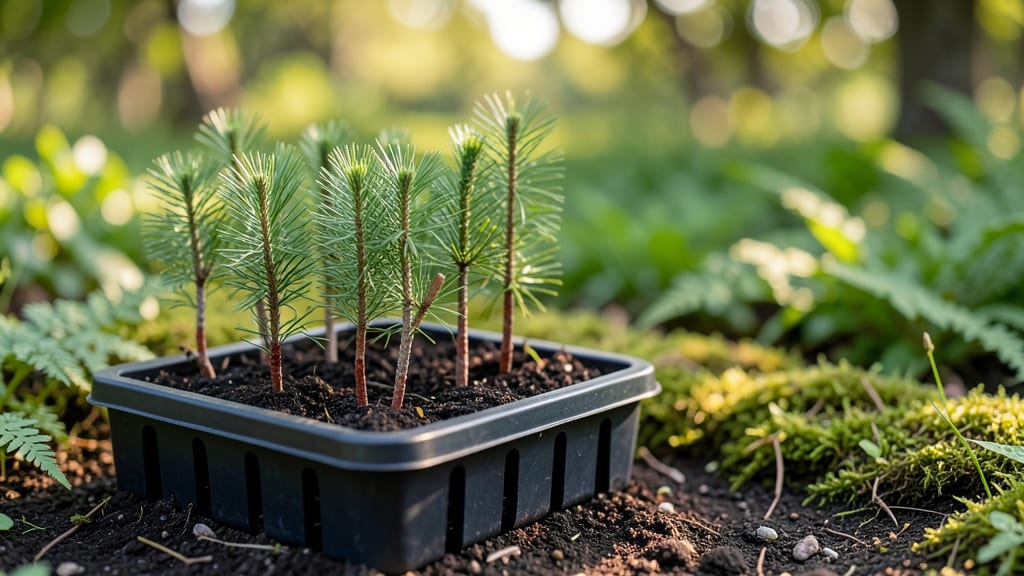
Growing these redwood tree seedlings fast is all about prep—mine sprout in 7-10 days using these simple tricks that cut the wait. The secret isn’t fancy equipment but matching their natural coastal habitat needs: damp, shaded soil and consistent moisture.
I’ve watched store-bought seedlings languish for weeks while my homemade batch thrives—all from a handful of seeds and a few key adjustments.
You’ll need just three supplies: a shallow tray, dampened peat moss or seed-starting mix, and a clear plastic bag to create humidity. Coastal redwoods (Sequoia sempervirens) and giant sequoias (Sequoiadendron giganteum) both respond well to this method, though giant sequoias prefer slightly warmer conditions.
The key is keeping the mix moist but not soggy—think of a wrung-out sponge. Most people overwater, which drowns the tiny roots before they even start.
Within weeks, you’ll see bright green needles pushing through the soil, a sign they’re off to a strong start. These seedlings grow surprisingly fast once established—6-12 inches in their first year if given the right care.
The trick is patience: redwoods take time, but with the right early conditions, they’ll outpace anything you buy at a nursery. Here’s how to set them up for long-term success.
Works for both coastal climates and inland gardens with shade adjustments, though coastal redwoods love the humidity. Once they hit 3-4 inches tall, you can transplant them to individual pots—just keep them sheltered from direct sun until their roots catch up.
The payoff? A tree that could live for thousands of years, starting with your hands.
📚 In This Guide
- What you need
- Instructions
- Tips and common mistakes
- Wrapping up and next steps
What you need
- ● Redwood tree seeds or seedlings: 10–50 seeds (if starting from scratch) or 3–5 young seedlings (for faster growth).
- ● Ensure seeds are fresh (preferably harvested within 1–2 years) for best germination rates.
- ● Well-draining potting mix: 5–10 gallons, depending on container size.
- ● Mix of peat moss, perlite, and compost (ratio: 40% peat, 30% perlite, 30% compost).
- ● Containers: Seedlings: 4–6 inch pots (3–5 containers).
- ● Seeds: Shallow trays or seed-starting cells (with drainage holes).
- ○ Optional: Grow bags (5–10 gallons) for transplanting.
- ● Drainage materials: Small pebbles or coarse sand (1–2 inches layer at the bottom of containers).
- ● Watering can or spray bottle: Fine mist nozzle for seeds; gentle watering for seedlings.
- ● Fertilizer: Balanced 10-10-10 or 20-20-20 liquid fertilizer (diluted to half-strength).
- ○ Slow-release granular fertilizer (optional, for long-term growth).
- ● Hand trowel or small shovel (for transplanting seedlings).
- ● Pruning shears (sterilized, for trimming leggy seedlings).
- ● pH test kit (to check soil acidity; redwoods prefer pH 5.0–7.0).
- ● Humidity dome or plastic wrap (to retain moisture for seeds).
- ● Grow lights or sunny windowsill (redwoods need 12+ hours of light/day).
- ○ Mulch (optional): Wood chips or straw (1–2 inches) to retain moisture and regulate temperature.
- ● Location: Partial shade (for seedlings) or full sun (for mature saplings).
- ● Protect from strong winds (redwoods are sensitive when young!).
Step-by-step guide to germinating redwood tree seedlings quickly
Here’s how to coax those stubborn redwood seeds into sprouting faster than most guides suggest.
Stratify Seeds for Faster Germination
Redwood seeds need a cold period to break dormancy—this mimics winter in their natural habitat. Place the seeds in a sealed plastic bag with a damp paper towel, then refrigerate for 12-16 weeks at 34-40°F. Check weekly to ensure the towel stays moist but not soggy; wring it out if needed. This cold treatment tricks the seed into thinking winter’s over, speeding up germination once you move it to warmth.
Don’t skip this step—without stratification, seeds may take 6 months or longer to sprout. I’ve seen growers rush this and end up waiting twice as long. Patience now saves time later.
Prepare the Germination Medium
Fill a shallow tray with sterile seed-starting mix (avoid garden soil—it’s too dense and can harbor fungi). Moisten it until damp but not dripping, then press it down lightly to remove air pockets. Redwood seedlings are delicate at first, so a fine, well-draining mix is critical. I like to add a thin layer of perlite on top for extra airflow—this prevents the seeds from rotting before they sprout.
Place the tray in a warm spot (65-75°F) and cover it loosely with plastic wrap to retain humidity. Peek daily to ensure the mix stays moist but not waterlogged. Overwatering here is a common mistake—too much moisture drowns the seeds before they’ve even begun to grow.
Sow Seeds and Monitor for Sprouts
Scatter the stratified seeds ¼ inch deep across the tray, spacing them 1 inch apart. Lightly cover them with more of the seed-starting mix, then mist the surface with water until evenly damp. Avoid pressing down—redwood seeds need just enough contact with soil to stay in place without being buried too deeply.
Keep the tray in bright, indirect light (no direct sun yet) and check daily for signs of germination. Sprouts should appear in 4-8 weeks, though some may take longer. Once you see the first true leaves (not the initial seed leaves), remove the plastic wrap immediately—excess moisture now invites mold. Real talk: If you see fuzzy white growth, that’s mold, not sprouts. Toss the tray and start fresh.
Transplant Seedlings to Individual Pots
When seedlings reach 2-3 inches tall and have 3-4 true leaves, it’s time to move them. Gently lift each seedling with a small trowel, keeping the root ball intact. Plant them in 4-inch pots filled with a mix of 50% seed-starting mix and 50% perlite for drainage. Water lightly after transplanting to settle the soil around the roots.
Place the pots in partial shade for the first week to reduce stress. Gradually introduce them to morning sun over the next two weeks. Redwood seedlings grow slowly at first, but consistency is key—keep the soil evenly moist (not soggy) and avoid letting it dry out completely. You’ll see stronger growth once they adjust to their new home.
Tips & tricks for perfect redwood tree seedling germination
Here's what nobody tells you about speeding up those stubborn redwood seeds—tricks that'll cut weeks off your waiting game.
Cold Treatment Precision: The 12-16 week stratification at 34-40°F is non-negotiable for breaking dormancy, but consistency matters more than the clock. I've found placing the sealed bag on a refrigerator shelf (not the crisper drawer) maintains the most stable temperature—those 5°F swings can delay germination by weeks. If you're impatient, consider a dedicated seed stratification fridge set to exactly 36°F for more predictable results.
Medium Science: That sterile seed-starting mix isn't just about avoiding fungi—it's about creating the perfect microclimate. The perlite layer I recommend isn't just for drainage; it also prevents the soil from compacting around delicate sprouts. For even better airflow, consider mixing in a small amount of vermiculite (about 10% of the total volume) which holds moisture while allowing oxygen circulation.
Light Management: Bright indirect light is key, but what most guides don't mention is the importance of light quality. Redwood seedlings respond best to light that mimics early spring conditions—think filtered sunlight through sheer curtains rather than harsh fluorescent lighting. If using grow lights, opt for full-spectrum bulbs with a color temperature around 6500K to replicate natural daylight.
Transplant Timing: Waiting for 2-3 inches and 3-4 true leaves ensures your seedlings have developed strong root systems, but don't wait too long. I've seen seedlings that became root-bound in their trays when left too long—this stresses them during transplanting. The moment you see that fourth true leaf, it's time to move them, even if they're only 2 inches tall.
Pro Tips for Redwood Tree Seedlings
- Here's what nobody tells you about speeding up those stubborn redwood seeds—tricks that'll cut weeks off your waiting game.
- Cold Treatment Precision: The 12-16 week stratification at 34-40°F is non-negotiable for breaking dormancy, but consistency matters more than the clock.
- Medium Science: That sterile seed-starting mix isn't just about avoiding fungi—it's about creating the perfect microclimate.
Frequently asked questions
Got questions about growing redwood tree seedlings?
You’re not alone! Here are some of the most common concerns—and quick answers to help you get started with confidence.
How long does it take for redwood tree seedlings to germinate?
Redwood seedlings typically germinate within 2 to 4 weeks under ideal conditions—warm soil (60–70°F), consistent moisture, and indirect light. If you’re using cold-stratified seeds, germination may take 4 to 8 weeks. Patience is key! Monitor moisture levels and avoid overwatering, which can cause rot.
What’s the best temperature for germinating redwood seedlings indoors?
Keep your seedlings cozy! Aim for a room temperature of 65–75°F during the day and slightly cooler (55–65°F) at night. Use a seedling heat mat (70–80°F) if germination is slow. Avoid direct sunlight—bright, indirect light (like a north-facing window) is perfect until sprouts emerge.
Can I use regular potting soil for redwood seedlings?
Not ideal! Redwoods thrive in well-draining, acidic soil (pH 5.5–6.5). Mix 50% peat moss or coconut coir with 30% perlite and 20% compost for the best start. Avoid garden soil—it’s too dense and can compact around delicate roots. A seed-starting mix with added mycorrhizal fungi boosts success!
Why are my redwood seedlings turning yellow or wilting?
Yellowing leaves often signal overwatering or poor drainage. Let the top inch of soil dry out between waterings, and ensure pots have drainage holes. Wilting can also mean underwatering or root stress. Check for mold or mushy stems—if present, repot in fresh, sterile mix. Mist seedlings lightly to maintain humidity without soggy roots.
When should I transplant redwood seedlings outdoors?
Wait until seedlings have 2–3 sets of true leaves and nighttime temps stay above 50°F (usually late spring or early summer). Harden them off by gradually exposing them to outdoor conditions over 7–10 days. Choose a shaded, moist spot for transplanting—redwoods hate direct sun and dry soil. Mulch heavily to retain moisture and mimic their forest habitat.
What’s a good alternative if redwood seedlings are hard to find?
If redwood seeds are scarce, try Douglas fir or western hemlock seedlings—they share similar care needs. For a faster-growing option, consider bamboo or dawn redwood (Metasequoia), though they have different growth habits. Always check local regulations—some areas restrict planting non-native species. Nurseries often carry redwood saplings in early spring!
Wrapping up and next steps
Growing redwood tree seedlings into strong, thriving saplings is all about patience, the right techniques, and a little extra care! 🌱 With the right soil mix, proper watering, and smart pruning, you’ll set your seedlings up for a lifetime of towering growth.
Whether you’re a seasoned gardener or just starting, every small step—like choosing healthy seeds or protecting young shoots—makes a big difference.
Ready to take the next step? Start small: plant your first batch of seedlings this season and watch them grow! Share your progress with fellow gardeners or dive deeper into advanced pruning tips to keep those saplings reaching for the sky. 🌲✨