
Pruning
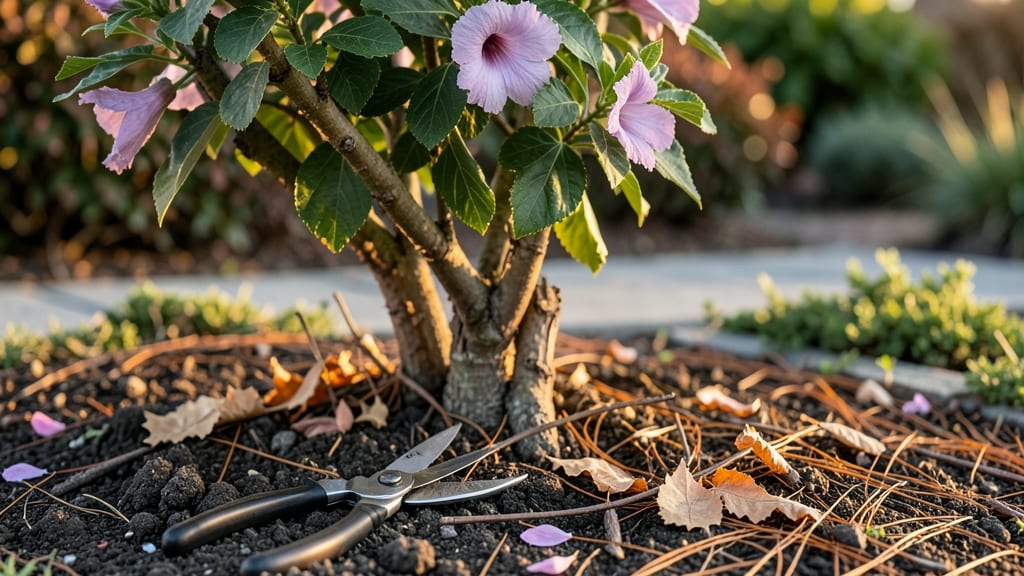
Late winter’s the perfect time to master rose of Sharon tree pruning—and turn your shrub into a blooming powerhouse. ✨ I’ve pruned these for years, and the key to dramatic flower loads lies in understanding how they grow—and when to cut.
Most gardeners wait too late, missing the ideal window between dormancy and new growth.
The secret isn't aggressive cutting—it's strategic shaping. You'll need sharp pruners, gloves, and a clear vision of your shrub's shape. Start by removing dead wood first, then thin out crowded branches to let light reach the center. This isn't about drastic reshaping; it's about encouraging strong, flowering stems.
What you end up with is a bush that bursts with color from midsummer through fall. The blooms come thicker, the branches stay sturdy, and you avoid that leggy, sparse look so many gardeners end up with. Plus, you make next year's pruning easier by keeping the structure open.
Works for both young shrubs and established trees—just adjust how much you cut. Here's how to do it right without sacrificing next season's flowers.
📚 In This Guide
- What you need
- Instructions
- Tips and common mistakes
- Wrapping up and next steps
What you need
- ● Pruning shears (bypass or anvil type) – Choose sharp, high-quality shears (e.g., Felco or Fiskars) with a 20-24 inch blade length for thicker branches.
- ● Loppers (for branches ½–2 inches thick) – Opt for bypass-style loppers with a 24–30 inch handle for leverage.
- ● Pruning saw (for branches 2+ inches thick) – A curved-tooth pruning saw prevents tearing wood.
- ● Disinfectant (70% isopropyl alcohol or bleach solution) – Clean tools between cuts to prevent disease spread.
- ● Heavy-duty gloves (gardening or pruning-specific) – Protect hands from thorns and rough bark.
- ● Ladder or sturdy step stool – Ensure it’s stable and rated for your weight (200+ lbs capacity).
- ● 5-gallon bucket or trash bags – For collecting pruned branches and debris.
- ○ Permanent marker or tape measure – Mark cuts for precision (optional but helpful for complex pruning).
- ● Hand pruners (for small twigs) – Great for detailed shaping after major cuts.
- ● Rubbing alcohol wipes – Quick tool disinfection between cuts.
- ○ Tree wound dressing (optional, controversial) – Only use if your region has high fungal risks (most experts skip this).
- ● Safety glasses – Protects eyes from debris, especially when using a saw.
- ● Notebook & pen – Track pruning notes (e.g., branch size, direction) for future reference.
Step-by-Step guide for pruning Rose of Sharon trees in winter
Here's how I transform my overgrown shrubs into blooming powerhouses every spring.
✂️ Step 1: Time Your Prune for Late Winter Dormancy
Wait until just before buds swell but before new growth starts—typically mid-to-late February in most climates. This timing ensures you cut back when the plant is fully dormant but ready to burst into growth. Look for tight, unopened buds along the stems as your cue. If you see any green shoots, wait a few more weeks.
I always prune on a dry, cloudy day—this prevents stress from sun exposure on freshly cut stems. The goal is to remove 1/3 to 1/2 of the oldest wood while leaving plenty of strong, younger branches to support next year's blooms. Don't worry if it looks drastic now; Rose of Sharon rebounds beautifully.
✂️ Step 2: Remove Dead, Diseased, and Weak Wood First
Start by scanning the entire shrub for dead branches (no green bark, hollow centers) and diseased wood (blackened spots, fungal growth). These should go first—they're just taking energy from your plant. Cut these back to healthy wood using clean, sharp pruners at a 45-degree angle just above an outward-facing bud.
Next, identify weak or crossing branches—these rub together and create entry points for disease. Remove any that grow inward or are thinner than a pencil. I like to step back every few cuts to visualize the shape. The goal is an open center that allows sunlight and air circulation to reach all parts of the shrub.
✂️ Step 3: Thin Out Overcrowded Branches
This is where you shape the plant for maximum blooms. Look for three to five strong, upright stems that form the main structure. Remove any branches that grow straight up from the ground—these rarely bloom well and create a leggy appearance. Cut these back to the ground completely.
For remaining branches, focus on selective thinning. Remove about 20-30% of the oldest stems at their base to encourage new growth from the roots. You'll see these as thicker, woodier branches compared to the younger, more flexible growth. Leave the younger stems—they'll produce the best flowers next season.
✂️ Step 4: Shorten Remaining Branches for Bushier Growth
Now it's time to give the remaining branches a haircut. Cut back each stem to 12-18 inches from the ground or to an outward-facing bud. This encourages the plant to produce more lateral branches that will bear flowers. I like to make my cuts just above a leaf bud that points in the direction I want the new growth to go.
Here's the thing—don't worry about being perfect. Rose of Sharon is incredibly forgiving. If you accidentally cut into old wood, it'll still regrow. The key is to leave plenty of healthy buds along the remaining branches. You should end up with a rounded, vase-like shape that opens in the center for airflow.
🌿 Step 5: Clean Up and Prepare for New Growth
After all your cuts, gather up all the pruned branches and remove them from the area. This prevents disease from overwintering in the debris. I like to burn or compost the diseased wood separately from the healthy trimmings. Rake up any fallen leaves around the base of the plant to reduce pest habitat.
Finally, give the base of the plant a 2-3 inch layer of mulch (if using) to protect roots from temperature swings. Water deeply if your area hasn't had recent rain. You'll see new growth starting in 4-6 weeks—watch for those first bright green shoots as your reward for the hard work.
Tips & tricks for perfect Rose of Sharon pruning
Here’s what I’ve learned after years of transforming overgrown shrubs into vibrant bloomers—details that make all the difference.
Timing is Everything: That mid-to-late February window is critical because Rose of Sharon needs to be dormant but not yet pushing new growth. I’ve pruned too early and seen weak spring shoots, or too late and missed the ideal bloom potential. Check for those tight, unopened buds—when they’re still snug, you’re golden. A dry, cloudy day isn’t just ideal; it’s essential for preventing stress on freshly cut stems.
The 45-Degree Angle Secret: When you cut back diseased or dead wood in Step 2, that 45-degree angle above an outward-facing bud isn’t just decoration—it’s how you control where new growth emerges. I used to cut straight across and ended up with awkward growth patterns. Always make clean cuts with sharp pruners, and you’ll see stronger, more directed regrowth. This small detail makes the difference between a leggy plant and one that bursts with blooms.
Shape Matters More Than You Think: In Step 3, when you’re thinning those overcrowded branches, focus on creating that open center. I’ve seen gardeners leave too many branches too close together, which leads to poor airflow and fewer flowers. Aim for three to five strong upright stems as your framework—this isn’t just about looks, it’s about maximizing sunlight exposure for every bud. The vase-like shape isn’t arbitrary; it’s how you ensure every part of the plant gets what it needs to thrive.
Mulch Like a Pro: After all your hard work, that 2-3 inch layer of mulch isn’t optional—it’s insurance against temperature swings that can shock the roots. I’ve seen plants struggle after pruning when the ground temperature fluctuated too much. Water deeply after mulching, especially if your area hasn’t had recent rain. You’ll notice new growth appearing in just 4-6 weeks, and that’s your reward for paying attention to these details.
Pro Tips for Rose Of Sharon Tree Pruning
- Here’s what I’ve learned after years of transforming overgrown shrubs into vibrant bloomers—details that make all the difference.
- Timing is Everything: That mid-to-late February window is critical because Rose of Sharon needs to be dormant but not yet pushing new growth.
- The 45-Degree Angle Secret: When you cut back diseased or dead wood in Step 2, that 45-degree angle above an outward-facing bud isn’t just decoration—it’s how you control where new growth emerges.
Frequently asked questions
Got questions about pruning your Rose of Sharon tree?
You’re not alone! Here are answers to the most common concerns—so you can confidently tackle pruning like a pro.
When is the best time to prune a Rose of Sharon tree?
The ideal window is late winter or early spring (just before buds swell) when the tree is dormant. This timing ensures minimal stress and promotes vibrant blooms for the season. Avoid pruning in fall—it can stimulate new growth that won’t survive winter’s chill.
How often should I prune my Rose of Sharon?
Prune annually during dormancy to maintain shape and health. For heavy bloom loads, focus on structural cuts every 1–2 years, thinning out 20–30% of branches to improve airflow and light penetration. Think of it like a haircut—regular upkeep keeps things looking fresh!
What if I prune at the wrong time? Will my tree die?
Not necessarily! While late-season pruning (summer/fall) can reduce blooms or stress the tree, it won’t kill it. Just avoid heavy cuts—stick to light shaping. If you’ve already pruned too late, water deeply and monitor for pests or disease. Patience and care will help it recover!
Can I prune a Rose of Sharon tree in summer?
Yes, but lightly! Summer pruning is best for deadheading spent blooms or removing overly leggy growth. Avoid heavy cuts—this can trigger suckering (weak, water-sprout growth) and stress the tree. If you must prune, do it early morning to reduce shock.
What’s the difference between pruning for blooms vs. shape?
| For Blooms | For Shape |
|---|---|
| Focus on thinning out crowded branches to improve light access. | Prune to maintain a balanced silhouette—remove crossing or rubbing branches. |
| Cut back older wood (3–5 years) to encourage new growth and flowers. | Use heading cuts to control height/density (but avoid over-trimming!). |
| Goal: More flowers, better airflow. | Goal: Neat, healthy structure. |
Pro tip: Combine both approaches for a show-stopping tree year-round!
Wrapping up and next steps
Pruning your Rose of Sharon tree during its dormant season isn’t just about shaping—it’s your secret to stunning blooms and a healthier plant.
By following the right timing, tools, and techniques, you’ll encourage vibrant flowers while keeping your tree strong and disease-free. Now that you’re armed with the know-how, grab those pruners and get to work! 🌸✂️
Ready to transform your tree? Start small:
- Pick one branch to practice your cuts.
- Monitor your tree’s progress over the next growing season.
- Adjust your approach based on what you learn!