
Pruning
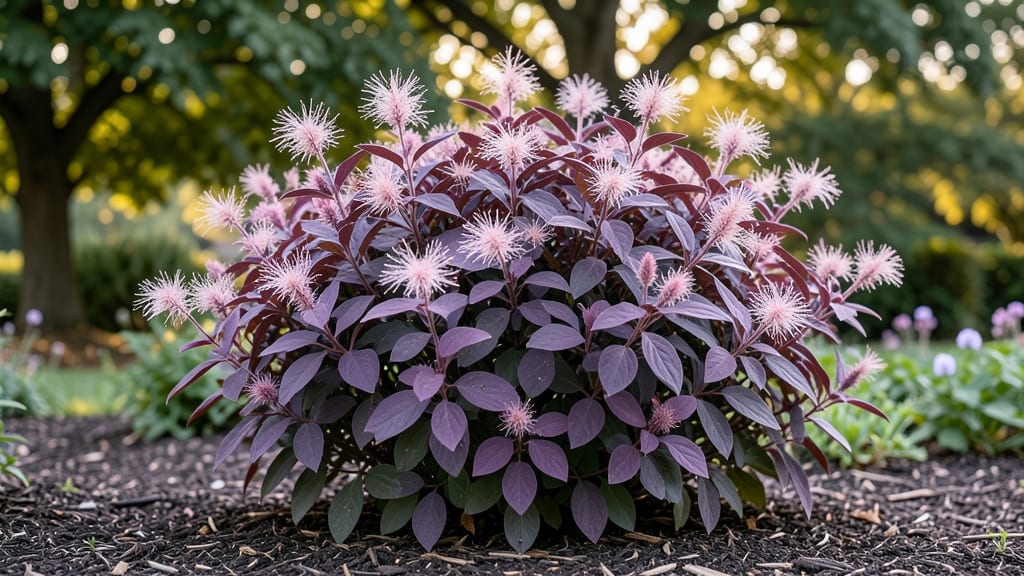
This stunning royal purple smoke bush tree turns any garden into a living purple dream—when you prune it just right. I learned the hard way that skipping maintenance turns its stunning foliage into a tangled mess, but with the right timing and cuts, this tree stays lush and dramatic year-round.
The secret isn’t just when you prune, but how you shape it to encourage those signature feathery seed heads that flutter like smoke in the breeze.
This tree thrives in full sun and tolerates poor soil, making it a foolproof choice for low-maintenance gardeners. Start by planting it in well-draining soil and giving it space to grow—it can reach 6 to 10 feet tall and wide. The key to keeping its deep purple leaves vibrant?
Pruning lightly in late winter to remove dead wood and shape the canopy, then doing a light trim in summer to encourage bushier growth. No heavy-handed cuts—this tree rewards patience with its striking color and airy texture.
By summer’s end, you’ll have a tree that looks like it belongs in a botanical garden, not your backyard. The foliage stays rich purple even in fall, and those feathery seed clusters add movement and texture.
Plus, it’s drought-tolerant once established, so once you get the pruning rhythm down, it’s almost carefree. Let’s get into the exact steps to keep yours looking like a showstopper.
Works beautifully as a standalone specimen, in mixed borders, or even as a small hedge. Just remember: the more you prune in late winter, the more dramatic the summer foliage becomes. Here’s how to do it without overcomplicating things.
📚 In This Guide
- What you need
- Instructions
- Tips and common mistakes
- Wrapping up and next steps
What you need
- ● Pruning shears: Bypass pruners (sharp, clean, and sterilized with rubbing alcohol). Size: 5–8 inches for small branches.
- ● Loppers: For thicker branches (½–1½ inches in diameter). Look for: Bypass or anvil-style with a ratcheting mechanism for ease.
- ● Pruning saw: Curved-tooth saw for branches over 1½ inches. Brand tip: Felco or Corona are reliable picks!
- ● Gloves: Heavy-duty, cut-resistant gloves (e.g., Mechanix or leather) to protect hands from thorns.
- ● Disinfectant: 70% isopropyl alcohol or a pruning sealant (like Tanglefoot Tree Wound Pruning Seal) to prevent disease.
- ● Ladder: Sturdy, extendable ladder (20–30 ft) if your tree is tall. Safety first: Use stabilizers or a helper!
- ● Trash bags: Heavy-duty bags (20–30 gallon) for debris disposal.
- ● Hand pruners: For precision trimming of tiny branches (3–6 mm thick).
- ● Tree wound dressing: Controversial but useful for large cuts (e.g., Tanglefoot Tree Wound Paint).
- ● Work gloves with grip: For extra comfort during extended pruning sessions.
- ● Pruning rope: To secure branches while working at height.
- ● Safety goggles: Protects eyes from debris (especially if sawing).
Step-by-Step guide for pruning Royal Purple Smoke Bush trees
Keep this striking shrub lush and vibrant with seasonal trims that work year-round.
Understand the Pruning Calendar for Year-Round Care
Royal Purple Smoke Bush thrives with three key pruning times: late winter (just before new growth starts), early summer (after flowering), and occasional light trims in fall. Late winter is the most important—this is when you shape the plant for the growing season and remove dead or weak wood. I always prune on a dry, cool day to minimize stress on the plant.
Use sharp, clean pruners (disinfect with rubbing alcohol between cuts) to make clean cuts at a 45-degree angle just above a leaf node or outward-facing bud. This encourages healthy growth in the right direction. Avoid pruning in fall unless removing dead branches—new growth won't harden off before winter.
Perform Late Winter Structural Pruning
Start by removing any dead, diseased, or crossing branches first—these compete with healthy growth and can spread problems. Cut back to the main stem or a strong lateral branch. Next, thin out the center to improve airflow, which prevents fungal issues. Aim to open up the shrub so light reaches all branches.
For shaping, I reduce the previous year's growth by about one-third to encourage bushier growth. Look for branches that grew too long or leggy—cut these back to a strong lateral branch or bud. You'll see new growth emerge from the sides, creating a fuller plant. Avoid heavy pruning in one season; gradual shaping prevents shock.
Light Summer Maintenance After Flowering
After the spring flowers fade (usually around mid-to-late summer), give your Royal Purple Smoke Bush a light trim to tidy up and encourage a second flush of blooms. Remove any spent flower clusters by cutting just above the next set of leaves. This redirects the plant's energy to new growth rather than seed production.
Check for any branches that grew too vigorous or out of shape during the season. Trim these back to maintain the shrub's natural form. Avoid heavy pruning now—this can stimulate late-season growth that won't have time to harden off before winter. A light touch keeps the plant healthy without risking cold damage.
Fall Cleanup and Winter Preparation
In fall, focus on removing dead or diseased branches and any suckers at the base of the plant. These weak growths can drain energy from the main shrub. Cut back any leggy growth that appeared after summer pruning, but avoid heavy trimming—you want the plant to enter dormancy strong and ready for winter.
Lightly rake away fallen leaves from the base of the shrub to reduce pest and disease risks. If you notice any signs of stress (yellowing leaves, sparse foliage), hold off on pruning until spring. The goal here is to prepare the plant for dormancy, not stimulate new growth that could be damaged by frost.
Tips & tricks for perfect Royal Purple Smoke Bush tree pruning
Here's what I've learned after years of shaping these stunning shrubs—these tricks will keep yours looking its absolute best.
Timing is Everything: The late winter pruning in Step 1 is your golden opportunity to shape the plant, but don't rush it. Wait until just before new growth starts—usually when you see the first signs of buds swelling. I've made the mistake of pruning too early when the plant was still dormant, and it took years to recover that lost growth. For mid-to-late summer maintenance in Step 3, wait until after all flowers have completely faded—cutting too soon removes potential second blooms.
The Right Tools Make All the Difference: Sharp, clean pruners aren't just about making neat cuts—they're about plant health. I've seen dull shears tear bark and create wounds that invite disease. Always disinfect your tools between cuts with rubbing alcohol, especially when removing diseased branches in Step 2. For larger branches, use loppers with bypass blades that cut cleanly without crushing. And here's a pro move: keep a small spray bottle of rubbing alcohol with you during pruning for quick disinfection between cuts on different branches.
Shape with Purpose: When you're reducing last year's growth by one-third in Step 2, think about the plant's natural shape. Royal Purple Smoke Bushes have a beautiful, rounded form when given room to breathe. I like to visualize an invisible dome shape when pruning—cut branches that grow upward or outward to maintain that rounded silhouette. For leggy branches, cut back to a strong lateral branch or bud that faces outward. This creates that lush, full look while preventing the plant from growing too tall and top-heavy.
Fall Prep Prevents Winter Stress: The fall cleanup in Step 4 might seem minor, but it's crucial for winter survival. Focus on removing those suckers at the base—they're energy vampires that drain your plant when it should be conserving strength. After pruning, give the base a good raking to remove fallen leaves, which can harbor pests and diseases over winter. I've seen plants with yellowing leaves in spring that were actually suffering from winter stress caused by poor fall preparation—don't let that be you.
Pro Tips for Royal Purple Smoke Bush Tree
- Here's what I've learned after years of shaping these stunning shrubs—these tricks will keep yours looking its absolute best.
- Timing is Everything: The late winter pruning in Step 1 is your golden opportunity to shape the plant, but don't rush it.
- The Right Tools Make All the Difference: Sharp, clean pruners aren't just about making neat cuts—they're about plant health.
Frequently asked questions
Got questions about keeping your Royal Purple Smoke Bush Tree looking its best year-round? You’re in the right place! Here are answers to the most common queries—from pruning tips to troubleshooting—so you can enjoy that stunning purple foliage all season long.
When is the best time to prune my Royal Purple Smoke Bush?
The ideal time to prune is late winter or early spring (before new growth starts) to shape the tree and encourage vibrant foliage. You can also do a light pruning in summer to maintain size, but avoid heavy cuts then—it stresses the plant. Pro tip: Never prune in fall, as it can stimulate tender new growth vulnerable to frost damage.
How much can I trim back my Smoke Bush without harming it?
Royal Purple Smoke Bush is highly resilient—you can safely remove up to 1/3 of its branches in a single pruning session. For dramatic shaping (like a hedge or topiary), you can even trim it back by half, though it may take 1–2 years to recover full density. Pro tip: Focus on removing dead, crossing, or overcrowded branches first to improve airflow.
What should I do if my Smoke Bush isn’t turning purple?
Lack of purple color usually means too much shade or poor sunlight exposure. These trees thrive in full sun (6+ hours daily)—move it to a sunnier spot if possible. Over-fertilizing with high-nitrogen feed can also dull the color. Troubleshoot: Use a balanced, low-nitrogen fertilizer (like 5-10-5) in early spring.
Can I grow a Royal Purple Smoke Bush in a container?
Yes! While they’re smaller in containers (expect 6–8 feet tall vs. 10+ feet in the ground), they adapt well to large pots (15+ gallons) with good drainage. Use a well-draining potting mix and prune regularly to control size. Warning: Containers dry out faster—water deeply when the top 2 inches of soil feel dry.
Are Royal Purple Smoke Bushes prone to pests or diseases?
They’re generally low-maintenance and pest-resistant, but watch for aphids, spider mites, or scale in dry conditions. Treat with neem oil or insecticidal soap if needed. Powdery mildew can occur in humid climates—improve airflow by pruning and avoid overhead watering. Preventative tip: Mulch around the base to deter soil-borne issues.
What’s a good alternative if I want a purple-leaved shrub?
If the Royal Purple Smoke Bush isn’t quite right for your space, consider these purple-foliaged alternatives:
- Dwarf Fountain Grass (Pennisetum ‘Little Bunny’) – Silvery-purple, drought-tolerant, and compact.
- Purple Smoke Bush (Cotinus ‘Royal Purple’) – The classic! But if you want edible options, try:
- Purple Leaf Sand Cherry (Prunus x cistena) – Adds spring blooms and berries.
- Heavenly Bamboo (Nandina domestica ‘Purple Heaven’) – Evergreen with year-round color.
Wrapping up and next steps
Transforming your garden with a Royal Purple Smoke Bush Tree is a rewarding journey—one that thrives on consistency and care! 🌿 By mastering year-round pruning, you’ll unlock its stunning purple foliage and spectacular fall blooms, ensuring it remains a showstopper in every season.
Remember, timing, technique, and patience are your best allies for a lush, healthy plant.
Ready to elevate your green space? Start by scheduling your next pruning session—whether it’s a light trim in summer or a structured shape in early spring. Grab your tools, put on your gardening gloves, and give your Royal Purple Smoke Bush the love it deserves! 🌸