
Pruning
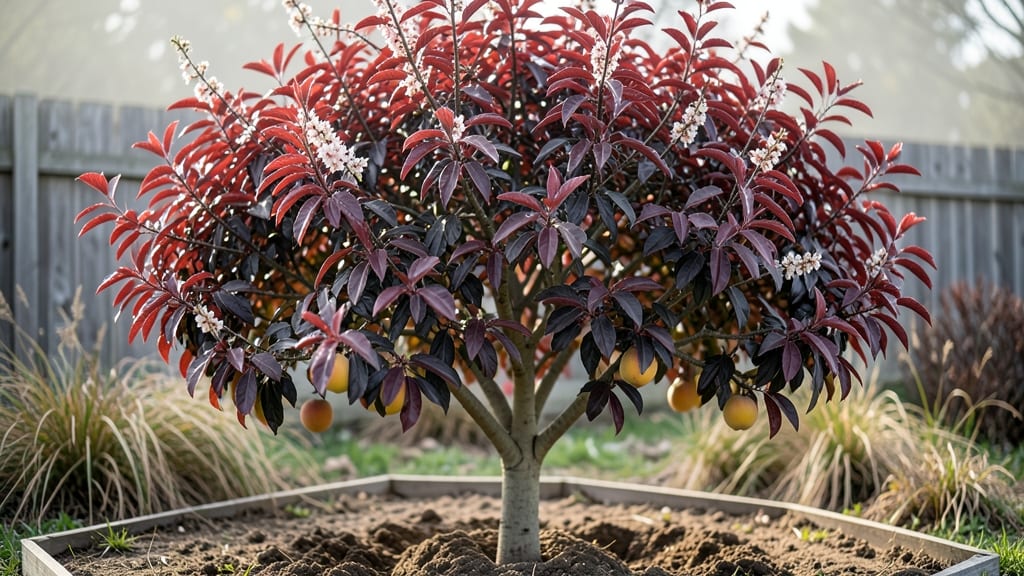
Growing a Royal Red Leaf peach tree means year-round color and fruit, but only if you master the pruning. 🌿 I learned the hard way—my first tree produced sparse fruit and dull leaves until I discovered the right cutting schedule.
This isn’t your average peach tree; its deep purple-red foliage makes it a showstopper, but it demands precision to thrive.
The secret lies in three key pruning sessions—winter for structure, early spring for fruit buds, and summer to control growth. You’ll need sharp bypass pruners, a ladder (for mature trees), and a clear day to avoid spreading disease.
Most gardeners skip the summer trim, but that’s when you shape the tree for next year’s harvest.
By summer’s end, you’ll see glossy new leaves, heavy with fruit, and branches that don’t sag under the weight. The tree’s ornamental value peaks in fall, when its foliage turns fiery red—long after standard peaches have faded. Even in winter, the bare branches hold promise, their buds swelling with potential.
Works best in USDA Zones 5-9, where cold winters prevent fungal issues. Dwarf varieties fit small yards, while standard trees need space. Here’s how to keep yours producing for decades—no guesswork, just proven techniques.
📚 In This Guide
- What you need
- Instructions
- Tips and common mistakes
- Wrapping up and next steps
What you need
- ● Bypass pruning shears – Sharp, clean, and disinfected (70% isopropyl alcohol works great!). Choose 5-inch blades for medium branches.
- ● Loppers – For thicker branches (up to 2-inch diameter). Opt for bypass loppers with a 10-inch reach for precision.
- ● Pruning saw – A bow saw or folding pruning saw for branches over 2.5 inches thick. Look for fine-toothed blades to avoid tearing.
- ● Extension pole – A 3–6-foot pole saw (with a bypass blade) to reach high branches safely.
- ● Garden gloves – Heavy-duty, cut-resistant gloves (like mechanics’ gloves) to protect against thorns and splinters.
- ● Disinfectant solution – 1 part bleach to 9 parts water (or rubbing alcohol) to sterilize tools between cuts and prevent disease.
- ○ Pruning sealant (optional but recommended) – A tree wound sealant (like Tanglefoot Tree Wound Pruning Seal) for cuts larger than ½-inch to prevent infection.
- ● Twine or rubber tree ties – ¼-inch wide for supporting branches if needed.
- ● Marking spray or tape – Bright-colored spray paint (like orange or pink) to mark branches for removal.
- ● Heavy-duty trash bags – For collecting pruned branches and debris.
- ● Safety gear – Safety glasses and earplugs if using a chainsaw (for very large branches).
- ● Know your tree’s age and health – Royal Red Leaf peaches thrive with annual pruning, but avoid heavy cuts in the first 2–3 years after planting.
- ● Check the weather – Prune on a dry, overcast day (or early morning) to reduce stress on the tree.
- ● Review pruning goals – Decide if you’re trimming for fruit production, shape, or disease prevention before you start.
Step-by-Step guide to pruning your Royal Red Leaf peach tree
Here's how I keep my Royal Red Leaf peach tree producing heavy fruit year after year.
✂️ Step 1: Time Your First Cut for Dormant Season
Wait until late winter or early spring, just before buds swell but before leaves emerge. This timing ensures you're not pruning away next year's fruit buds. I like to prune in February when temperatures stay above 30°F—cold snaps can stress the tree.
Look for dead, crossing, or diseased branches first. These are easy to spot—they're brown, brittle, or growing inward. Cut these back to the main trunk or to a healthy outward-facing bud. Use clean, sharp pruners to make smooth cuts at a 45-degree angle just above a bud.
☀️ Step 2: Open the Tree's Canopy for Sunlight
Royal Red Leaf peaches need full sun to ripen properly, so I focus on thinning the center branches. Remove any branches growing straight up or inward—they block sunlight and air circulation. Aim to create an open vase shape with branches spaced 12-18 inches apart.
For larger branches, cut back to a side branch or bud that grows outward. Thin out one-third of the oldest branches first to encourage new growth. You'll know you're doing it right when you can see sunlight reaching the center of the tree and air moving freely through the branches.
🌿 Step 3: Shape for Fruit Production in Spring
After the tree flowers but before fruit sets, do a light shaping prune. Remove any suckers (shoots growing from the base) and water sprouts (fast-growing vertical shoots). These steal energy from fruit production. Cut these back to the main trunk or a side branch.
Look for clusters of fruit and thin them out to 6-8 inches apart. This prevents overcrowding and ensures larger, sweeter peaches. If a branch has too many fruit clusters, remove every other one. You'll see the remaining fruit swell noticeably within 4-6 weeks—that's your sign you've done it right.
⏰ Step 4: Summer Maintenance to Prevent Disease
During the growing season, remove any diseased leaves or branches immediately. Peach trees are prone to brown rot and leaf curl, so don't let infected foliage linger. Sterilize your pruners with rubbing alcohol between cuts to prevent spreading pathogens.
Trim back any overly vigorous shoots that grow from the base or along branches. These compete with fruit production. Cut them back to 6-8 inches to redirect the tree's energy into existing fruit. You'll notice the tree looks fuller and healthier by mid-summer—this means your pruning is working.
Tips & tricks for perfect Royal Red Leaf peach tree pruning
These simple strategies will help you maintain a thriving Royal Red Leaf peach tree that produces abundant fruit all year.
Timing is Everything: February is ideal for your first pruning, but don't get stuck on the exact date. Focus on weather conditions—wait until temperatures consistently stay above 30°F to avoid stressing the tree. If you miss February, early spring before bud swell is still perfect. Watch for those tiny green buds starting to form; that's your cue to grab your pruners.
The 45-Degree Angle Trick: When making cuts, always aim for a 45-degree angle just above a healthy outward-facing bud. This encourages new growth in the right direction. I learned this the hard way—flat cuts can lead to water pooling and disease. For larger branches, use the "three-cut method" to avoid tearing the bark: make the first cut about a foot from the trunk, then the second cut just outside the branch collar, and finally the third cut to separate the branch completely.
Sunlight Strategy: Creating that open vase shape in Step 2 isn't just about looks—it's about maximizing fruit quality. Aim for branches spaced 12-18 inches apart at their widest points. You'll know you've got it right when you can see sunlight dancing on the ground beneath the tree. This sunlight penetration is what gives Royal Red Leaf peaches their signature sweetness. If you're unsure about branch spacing, hold a ruler against the trunk and measure from the trunk outward to each branch.
Disease Prevention: That rubbing alcohol sterilization between cuts in Step 4 isn't just a suggestion—it's crucial. Peach trees are particularly vulnerable to brown rot and leaf curl. I keep a small bottle of 70% isopropyl alcohol in my pruning toolkit and wipe down my pruners after every 3-4 cuts, especially when dealing with diseased branches. This simple step can prevent years of frustration with fungal infections.
Pro Tips for Royal Red Leaf Peach Tree
- These simple strategies will help you maintain a thriving Royal Red Leaf peach tree that produces abundant fruit all year.
- Timing is Everything: February is ideal for your first pruning, but don't get stuck on the exact date.
- The 45-Degree Angle Trick: When making cuts, always aim for a 45-degree angle just above a healthy outward-facing bud.
Frequently asked questions
Got questions about growing and maintaining your Royal Red Leaf peach tree? You’re in the right place! Here are some of the most common queries—plus expert answers to keep your tree thriving.
When is the best time to prune a Royal Red Leaf peach tree?
The ideal window for pruning is late winter or early spring (just before buds swell) to promote vigorous growth and fruit production. Avoid heavy pruning in fall—it can stimulate late-season growth vulnerable to frost damage. Light shaping can happen anytime, but never prune during active fruit production.
How do I protect my peach tree from frost or cold damage?
Royal Red Leaf peaches are semi-tropical, so frost can be a threat. Use frost cloths or row covers during late spring frosts. For young trees, wrap the trunk with burlap or tree wrap to prevent sunscald. Water deeply before cold snaps to insulate roots—just avoid overwatering, which can freeze soil.
Why aren’t my Royal Red Leaf peaches ripening evenly?
Uneven ripening often stems from inconsistent sunlight or overcrowded branches. Thin out fruit clusters to 6–8 inches apart to reduce competition. Also, check for pests (like peach tree borers) or nutrient deficiencies (yellow leaves = nitrogen; brown edges = potassium). Prune to improve airflow and sunlight penetration.
Can I grow a Royal Red Leaf peach tree in a container?
Yes! But it’s best for dwarf varieties (like ‘Bonanza’ or ‘Redhaven’ dwarf). Use a large pot (at least 20 gallons) with drainage holes and well-draining soil. Move the container to a sunny spot (6+ hours of light) and water deeply 2–3 times per week. Expect smaller yields than in-ground trees.
How do I fix overgrown or leggy branches?
Leggy growth usually means the tree needs structural pruning. Start by removing dead, crossing, or inward-growing branches first. Then, cut back up to 25% of the canopy to encourage bushier growth. Focus on open-center shaping—keep the center of the tree airy to prevent disease. Use sterilized pruners to avoid spreading pathogens.
What pests should I watch for with Royal Red Leaf peaches?
Common culprits include:
- Peach tree borers: Look for sawdust-like frass near the trunk. Treat with beneficial nematodes or Bt spray.
- Aphids: Sticky residue on leaves? Blast off with water or use neem oil.
- Peach leaf curl: Fungal disease causing puckered leaves. Prune infected branches and apply copper fungicide in late fall.
Wrapping up and next steps
The Royal Red Leaf peach tree is a year-round treasure, and with the right pruning techniques, you’ll unlock its full potential—juicy, vibrant fruit and lush foliage for seasons to come! 🌿✨ Whether you’re a seasoned gardener or just starting, mastering precision trimming ensures healthier growth, better yields, and a stunning centerpiece for your garden.
Ready to transform your backyard? Grab your tools, follow the steps, and watch your tree thrive! Next, explore our seasonal pruning calendar to keep your Royal Red Leaf peach tree in peak condition all year.