
Tools
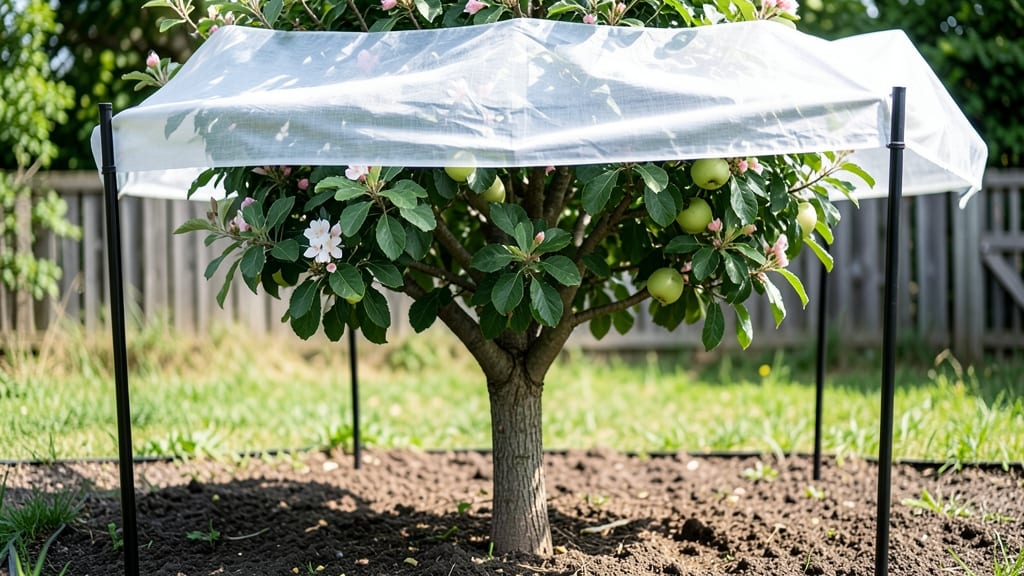
The right shade cloth for fruit trees can mean the difference between blistered leaves and heavy harvests year after year. I’ve seen firsthand how a simple piece of breathable fabric transforms a scorched orchard into a thriving one—especially in hot climates or during brutal summer afternoons.
The key isn’t just slapping up any old cover; it’s choosing the right density, securing it properly, and adjusting it as the season changes.
You’ll need shade cloth rated for 30-50% coverage, depending on your tree type and location, plus sturdy stakes or hoops to keep it taut. My go-to setup uses 1-ounce cloth (durable enough to last 3-5 seasons) and a simple tension system to prevent sagging.
The payoff? Fewer sunburned fruits, less stress on young trees, and a cooler canopy that keeps pests like aphids at bay.
Once installed, you’ll notice the difference within weeks: leaves stay a vibrant green instead of crisping at the edges, and fruit develops sweeter, thicker skins. The cloth also extends the growing season by shielding trees from late-season heat waves.
Just remember to remove it in fall—unless you’re in a mild winter zone—to let trees harden off naturally.
This method works for peaches, apples, cherries, and even citrus—just adjust the coverage based on your tree’s needs. Whether you’re protecting a single young sapling or a full orchard, the right shade cloth turns harsh sun into a manageable factor. Let’s get those trees thriving without the stress.
📚 In This Guide
- What you need
- Instructions
- Tips and common mistakes
- Wrapping up and next steps
What you need
- ● Shade cloth: Choose a 30-50% density (lighter = more sun penetration, darker = more shade). Measure your tree’s canopy area—typically 10’ x 10’ per tree (adjust for larger/smaller trees). Pro tip: 💡 Use UV-stabilized cloth for longevity (3-5+ years).
- ○ Support hoops or frames: Galvanized steel or PVC pipes (4-6’ tall, spaced 8-10’ apart along the tree’s perimeter). Optional: Pre-made hoops save time!
- ● Stakes & guy wires: 12-18” T-posts (bury 6” deep) + zip ties or bungee cords to secure cloth to hoops.
- ● Measuring tape & scissors: For precise cuts and spacing.
- ● Heavy-duty staples/gun: To attach cloth edges to hoops or ground stakes.
- ● Edge weights: Sandbags or concrete blocks to anchor cloth edges and prevent wind lift.
- ● Adjustable clips: For easy removal or repositioning of cloth.
- ● Thermal blankets: Lightweight frost cloth for seasonal layering.
- ● Ladder: If trees are tall (10’+), a stable step ladder helps with hoop placement.
How to install shade cloth for fruit trees
Here's the straightforward method I've used to protect young fruit trees from harsh sun.
Measure and Select the Right Shade Cloth
First, measure the height and width of your tree's canopy. For young trees, a 30-50% shade cloth (lighter blocks 50-70% sunlight) works best—it filters enough sun to prevent sunburn while still allowing photosynthesis. I always add 6 inches extra to each side to secure the edges properly without gaps.
Check the mesh size—smaller holes (like 0.5-inch openings) provide better sun protection but reduce airflow. If your area gets intense afternoon sun, opt for 50% shade cloth with 0.3-inch mesh. Avoid heavy-duty cloths over 70%, which can stress trees by blocking too much light.
Install Support Frames or Hoops
For small trees (under 10 feet), use T-posts or stakes driven 12 inches deep around the perimeter. Space them 5-6 feet apart for stability. For taller trees, install PVC pipes or metal hoops (bendable wire works too) every 6-8 feet along the tree's height, creating a tunnel shape.
Secure the frames tightly—if they wobble, the shade cloth will sag unevenly, leaving patches of direct sun. I always test stability by gently pushing the frames before attaching the cloth. For permanent setups, use galvanized hardware clips or zip ties rated for outdoor use.
Drape and Secure the Shade Cloth
Lay the shade cloth over the frames, starting from the top center and working downward. Overlap edges by 4-6 inches to prevent sunlight from sneaking in. For hoop structures, gently pull the cloth taut but not tight—you want a loose, tent-like fit to allow airflow.
Use staple guns (with rust-resistant staples) or heavy-duty clips to attach the cloth to the frames. Avoid nails—they can tear the fabric over time. If your tree is near a fence or wall, anchor the cloth with sandbags or weighted corners to keep it from blowing away in wind.
Monitor and Adjust for Seasonal Changes
Check the shade cloth weekly for tears or sagging. In early spring or fall, you might need to remove it entirely—fruit trees need full sun for flowering and fruiting. I mark the calendar with installation dates (usually late May to early September in my zone) to avoid forgetting.
Watch for sunburned leaves (yellow or brown patches) or stunted growth—these are signs the cloth isn’t providing enough protection. If leaves look stressed, adjust the cloth to cover more area or switch to a denser shade percentage. Remember, the goal is balanced protection, not suffocating the tree.
Tips & tricks for perfect shade cloth installation
These practical tricks will help you create a sun protection system that actually works for your fruit trees—no more patchy coverage or flapping cloths.
Sunlight Balance: The 30-50% shade cloth range is your sweet spot—it blocks enough harmful rays while still allowing photosynthesis. For trees in full afternoon sun, I've found that 50% cloth with 0.3-inch mesh gives the best protection without suffocating the leaves. If you notice leaves looking stressed after installation, you might need to increase to 60% coverage temporarily until the tree acclimates.
Frame Stability is Non-Negotiable: When installing your support frames, pay special attention to the 12-inch depth for stakes and 6-8 foot spacing for taller trees. I've seen too many setups fail because the frames weren't anchored properly—this leads to sagging cloth and sunburned patches. Test stability by pushing gently on each frame before attaching the cloth. For windy areas, consider adding diagonal supports between frames to create a more rigid structure.
Edge Overlap Matters: Those 4-6 inch overlaps you're supposed to create aren't just suggestions—they're critical for preventing sunlight from sneaking through gaps. I recommend starting from the top center and working downward to maintain even coverage. For particularly wide trees, you might need to add a second layer of cloth with additional overlaps, creating a layered effect that blocks more light without reducing airflow.
Seasonal Calendar Hack: Mark your calendar with the late May to early September window for installation—this matches when most fruit trees need protection. I've created a simple system using colored flags on my trees: red for "needs full sun," green for "protected," and yellow for "transition period." This visual reminder helps me adjust coverage as seasons change without having to remember exact dates.
Pro Tips for Shade Cloth For Fruit Trees
- These practical tricks will help you create a sun protection system that actually works for your fruit trees—no more patchy coverage or flapping cloths.
- Sunlight Balance: The 30-50% shade cloth range is your sweet spot—it blocks enough harmful rays while still allowing photosynthesis.
- Frame Stability is Non-Negotiable: When installing your support frames, pay special attention to the 12-inch depth for stakes and 6-8 foot spacing for taller trees.
Frequently asked questions
Got questions about using shade cloth for your fruit trees? You’re not alone! Here are some of the most common concerns—and straightforward answers—to help you get the best results for your orchard.
What shade cloth density should I use for my fruit trees?
The right density depends on your climate and tree type. For most fruit trees, 30-50% shade cloth is ideal—balancing sun protection with enough light for photosynthesis. In hotter regions, opt for 50% or higher to prevent sunburn, while cooler areas may work with 20-30%. Always check the product label for specific recommendations!
When is the best time to install shade cloth?
Install shade cloth before peak summer heat, typically in late spring or early summer, once new growth appears but before extreme temperatures hit. For young trees or delicate varieties, you can start as early as late spring. Remove it in early fall to allow trees to harden off for winter. Pro tip: Secure it loosely to avoid restricting airflow!
Is shade cloth a better alternative to pruning for sun protection?
Shade cloth and pruning serve different purposes. While pruning improves airflow and light penetration, shade cloth offers instant, full-coverage protection without permanent changes to your tree’s structure. Use both for optimal results: prune to shape the tree and install shade cloth to shield vulnerable areas like young leaves, fruit, and branches from harsh sun.
Can shade cloth attract pests or mold?
If installed correctly, shade cloth won’t cause pests or mold—poor airflow or excess moisture is the real culprit. To prevent issues, ensure the cloth is properly secured but not touching the leaves (leave a 6-12 inch gap), and choose breathable, UV-stabilized fabric. Regularly inspect for tears or sagging, and remove it during rainy seasons if possible to reduce humidity buildup.
How long can I leave shade cloth on fruit trees?
Shade cloth is temporary—leave it on throughout the growing season (spring to early fall), but remove it 4-6 weeks before harvest to allow fruit to ripen properly in sunlight. Overusing it can lead to smaller fruit or poor flavor. For everbearing trees, adjust timing to protect both summer and fall crops without over-shading.
Wrapping up and next steps
Shade cloth isn’t just a tool—it’s your secret weapon for healthier fruit trees, bigger harvests, and less stress during peak sun. Whether you’re protecting young saplings or boosting yield in hot climates, the right shade solution makes all the difference.
Now that you know the how and why, it’s time to roll up your sleeves and give your trees the care they deserve.
🌱 Ready to transform your orchard? Start small—test a section of your garden with shade cloth this season and track the results. Before you know it, you’ll be reaping the rewards of sun-smart fruit trees! 🍏🍑