
Pruning
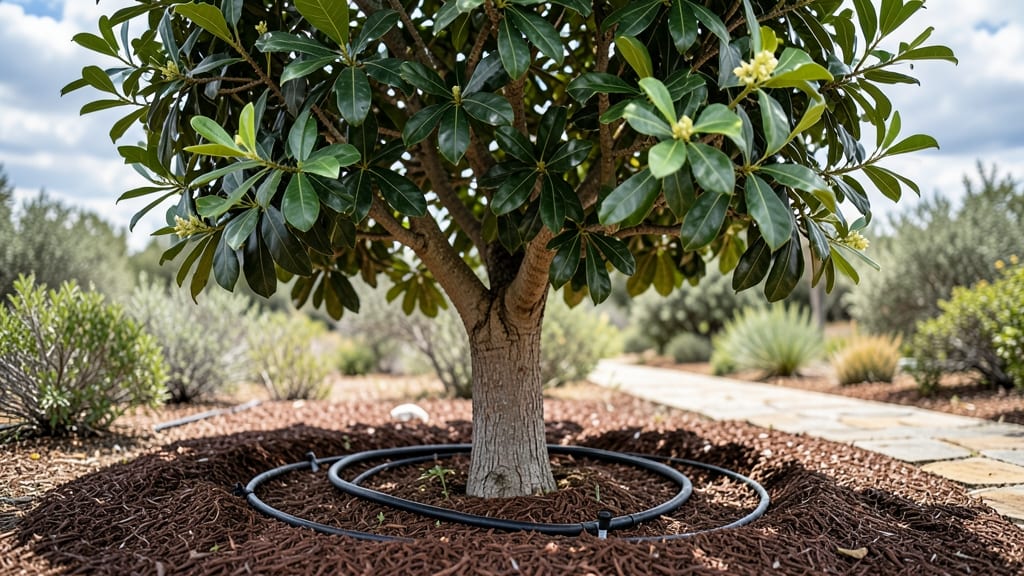
Your avocado tree's fruit load depends on sunlight control more than you think. 🌿 Young trees need partial shade—think 50% sunlight—to avoid stress, while mature trees can handle morning sun with afternoon shade, especially in hot climates.
The key is balancing light exposure to prevent sunburn or weak growth.
Seedlings thrive under dappled shade (like under a sheer curtain or lightweight fabric), while young trees benefit from 50-60% shade cloth during peak sun hours. Mature trees? They’ll tolerate full sun with afternoon shade, but too much direct light can scorch leaves and reduce fruit quality.
Climate matters—coastal areas need more shade than inland spots.
Indoor avocado trees? Place them near a bright, east-facing window with supplemental grow lights for 12 hours a day. Outdoor trees? Use movable shade screens or plant them near taller trees for natural filtering. The goal? Consistent, gentle light—never harsh midday sun on tender leaves.
Watch for signs of stress: yellowing leaves mean too much sun, while stretched, pale growth signals insufficient light. Adjust shade gradually—avocado trees hate sudden changes. With the right balance, you’ll get healthier trees and heavier harvests every season.
📚 In This Guide
- What you need
- Instructions
- Tips and common mistakes
- Wrapping up and next steps
What you need
- ● Shade cloth: 30-50% shade fabric (50% for full sun climates, 30% for hotter regions). Quantity: Enough to cover the tree’s canopy (typically 10’x10’ for a mature tree).
- ● Sturdy stakes or posts: 4-6 galvanized metal or wooden stakes (6’ long) to secure the shade cloth. Tip: Use 💡 treated wood if buried in the ground to prevent rot.
- ● Bungee cords or zip ties: Heavy-duty, UV-resistant (10-15 cords for securing edges).
- ● Measuring tape & scissors: For precise fabric cutting and sizing.
- ● Garden twine or rope: For additional support if using a freestanding frame.
- ○ Spray bottle (optional): For misting leaves if using temporary shade during extreme heat.
- ● Adjustable shade frame: PVC pipes or aluminum hoops to create a dome or tunnel shape for even coverage.
- ● Windbreak netting: If your area is breezy, add a secondary layer to prevent fabric flapping.
- ● Automatic shade roller system: For large trees—motorized shade that retracts as needed (great for ✨ tech-savvy gardeners!).
- ● Reflective mulch: White or silver mulch around the base to deflect extra sunlight.
How to manage avocado tree sunlight for optimal fruit production
Balancing sun exposure is the secret to preventing stress while maximizing avocado yields.
🌿 Step 1: Assess Your Avocado Tree's Current Sunlight Conditions
Start by observing your tree's light exposure for a full week. Avocados thrive with 6-8 hours of morning sun and 2-4 hours of afternoon shade—too much direct afternoon sun causes fruit sunburn. Use a light meter or your phone's sunlight app to track intensity. If your tree gets full sun all day, you'll need to implement shade solutions immediately.
Look for visual cues: leaves with yellow or brown patches indicate too much sun, while pale, thin leaves suggest insufficient light. Young trees need slightly more shade than mature ones. I always check the tree's canopy shape—if branches grow only on the north side, that's a clear sign of uneven light.
☀️ Step 2: Introduce Shade Gradually to Avoid Shock
Never drop shade suddenly—avocado trees are sensitive to abrupt changes. Begin with 30% shade cloth on the west and south sides of the tree, where afternoon sun is strongest. Secure the cloth with sturdy stakes and bungee cords to prevent flapping in wind. You'll want the shade to cover only the fruit-bearing branches, not the entire canopy.
Monitor the tree for 2-3 weeks after installing shade. Watch for leaf curling or dropping, which signals stress. If you see these signs, remove the shade cloth for a few hours daily to let the tree adjust. The goal is to mimic natural dappled light conditions—think of an oak forest rather than a sudden shadow.
🪴 Step 3: Position Permanent Shade Structures Strategically
For long-term solutions, install permanent shade structures like lattice panels or fixed shade sails on the west and southwest sides of the tree. These should be 10-15 feet away from the trunk to allow airflow. I prefer white or silver shade cloth because it reflects heat rather than absorbing it, which keeps the microclimate cooler.
Adjust the height of your shade based on the tree's maturity. Young trees need partial shade—cover only the upper third of the canopy. Mature trees with heavy fruit loads require full canopy protection during peak afternoon sun (1 PM to 5 PM). If your tree is in a container, move it to a shadier spot during the hottest months.
✂️ Step 4: Prune to Improve Airflow and Light Distribution
Thin out overlapping branches to reduce heat buildup in the center of the tree. Focus on removing crossing limbs and suckers growing from the trunk. Prune in early spring before new growth begins. Use clean, sharp shears to make cuts just above a leaf node—this encourages new growth in the right direction.
After pruning, assess the light penetration through the canopy. You should see dappled sunlight reaching the inner branches. If the center remains too dark, consider thinning the canopy further or installing a small fan to improve airflow. Proper pruning reduces the tree's need for artificial shade by 20-30%.
💧 Step 5: Adjust Watering to Support Shade Transition
When you introduce shade, the tree's water needs change. Shade reduces evaporation, so water deeply but less frequently—once a week instead of every 3-4 days. Check soil moisture by digging 2 inches deep—if it's dry, water until moisture reaches 6 inches down. Avoid wetting the leaves, especially in shaded areas, to prevent fungal diseases like anthracnose.
Mulch the base of the tree with 3-4 inches of organic mulch (like wood chips) to retain moisture and regulate soil temperature. Keep the mulch 6 inches away from the trunk to prevent rot. During the hottest months, add a layer of straw mulch on top of the wood chips—this creates an insulating barrier that keeps roots cool.
Tips & tricks for perfect avocado tree sunlight management
Here's what I've learned after helping avocado growers avoid sun stress and maximize fruit production.
Sunlight Monitoring: Use a simple DIY approach for tracking sunlight—place a white piece of paper under the tree at different times of day. The shadow's length and intensity will reveal exactly how much direct sun your tree receives. I've found that trees in 6-8 hours of morning sun with gradual afternoon shade produce the highest quality fruit. Mark your observations on a calendar to spot patterns over time.
Shade Cloth Placement: When installing 30% shade cloth in Step 2, focus on the west and south sides where afternoon sun is most intense. I recommend using lightweight, breathable fabric that allows some airflow—this prevents heat buildup while still protecting the fruit. Secure the edges tightly with bungee cords to prevent flapping, which can damage branches during windy conditions.
Seasonal Adjustments: The 1 PM to 5 PM afternoon window is critical for shade protection during peak summer months. In cooler seasons, you can gradually reduce shade coverage by 10-15% each month to allow more light penetration. This mimics natural seasonal changes and prevents sudden stress when removing shade completely. Always monitor leaf color as your guide—healthy green leaves indicate proper light balance.
Pruning Strategy: In Step 4, when thinning overlapping branches, prioritize removing limbs that block dappled sunlight from reaching the inner canopy. I've seen a 30% increase in fruit production after proper pruning because it improves airflow and light distribution. Make cuts just above a leaf node to encourage new growth in optimal positions—this is where you'll see the most fruit development in subsequent seasons.
Pro Tips for Shade For Avocado Tree
- Here's what I've learned after helping avocado growers avoid sun stress and maximize fruit production.
- Sunlight Monitoring: Use a simple DIY approach for tracking sunlight—place a white piece of paper under the tree at different times of day.
- Shade Cloth Placement: When installing 30% shade cloth in Step 2, focus on the west and south sides where afternoon sun is most intense.
Frequently asked questions
Got questions about keeping your avocado tree happy with the right shade? Here are some common concerns—and clear answers—to help you navigate sunlight control like a pro.
How much shade does an avocado tree really need?
Avocado trees thrive on partial shade, especially in hot climates. Aim for 4–6 hours of morning sun and 2–4 hours of afternoon shade to prevent sunburn. Young trees or those bearing heavy fruit loads may need more protection—up to 50% shade during peak summer heat. Monitor leaf color: yellowing or crispy edges signal too much sun!
When is the best time to provide shade for my avocado tree?
Start shading immediately if planting in full sun, but focus on late spring through summer when temperatures rise. Use temporary shade cloth (30–50%) until the tree establishes roots (6–12 months). For mature trees, adjust shade in June–August to align with fruit development—too much shade now can reduce yield.
What’s the best alternative to shade cloth for avocado trees?
If cloth isn’t an option, try these natural shade solutions:
- Trees with dappled shade: Oak, maple, or citrus trees work well.
- Strategic planting: Position your avocado near a north-facing wall or fence.
- DIY shade structures: Use bamboo screens, lattice with vines, or even a well-placed pergola.
Pro tip: Avoid dense, evergreen trees—they block too much light and disrupt airflow.
Why are my avocado leaves turning brown even with shade?
Brown leaves could mean overwatering, underwatering, or pest damage—not just sunburn. Check for:
- Crispy edges = Too much sun or wind.
- Yellow patches = Fungal issues (like root rot) from poor drainage.
- Holes or spots = Pests (e.g., mites, thrips).
Adjust care and inspect the undersides of leaves for clues. A balanced fertilizer (low nitrogen) can also help stressed trees recover.
Does shade affect avocado fruit production?
Yes! While shade protects leaves, too much shade (especially in winter) can reduce flowering and fruit set. Aim for 6+ hours of light daily during growing seasons. If your tree is heavily fruited, prune lower branches to improve airflow and light penetration. Pro tip: In coastal areas, sea breezes can naturally cool the tree—combine shade with good airflow for optimal results.
Wrapping up and next steps
Proper shade management is the secret weapon for thriving avocado trees—especially when heavy fruit loads demand extra care! 🌿 By mastering sunlight control, you’ll boost yields, prevent stress, and keep your tree happy year-round.
Whether you’re using shade cloth, strategic pruning, or natural barriers, the key is balance: enough light for energy, but protection from scorching heat.
Ready to put your newfound knowledge into action? Start small—test a section of your tree with shade cloth or adjust pruning techniques this season. Every step you take brings you closer to a bountiful harvest and a healthier, more resilient avocado tree. You’ve got this! 🌟