
Pruning
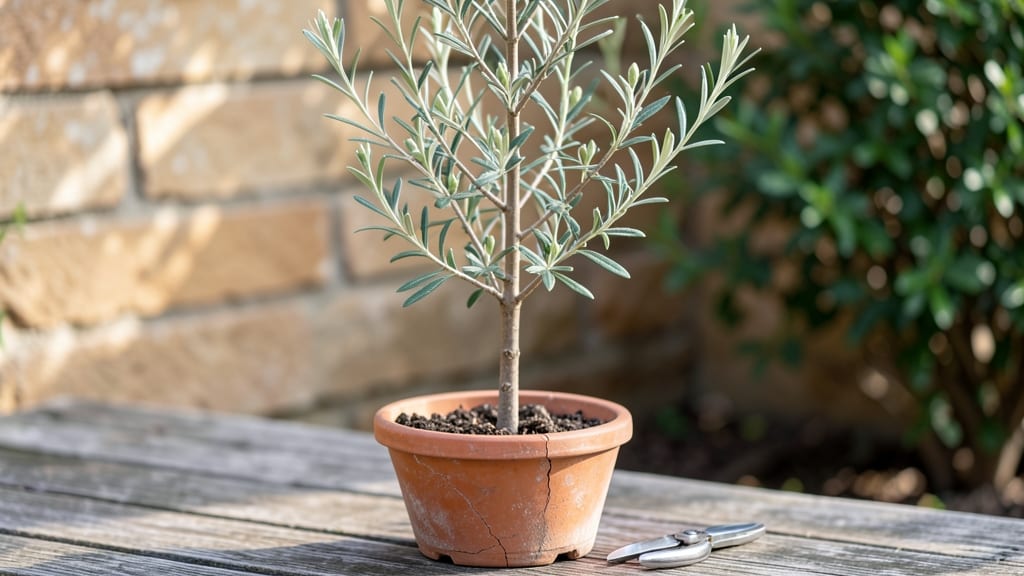
A skinny olive tree isn’t just an eyesore—it’s a cry for help from your plant. 🌿 After years of watching olive trees stretch toward the sky like overgrown pencils, I’ve learned the real culprits behind that unbalanced shape: missed pruning windows, nutrient starvation, or even overzealous watering.
The good news? You can fix it with a few targeted adjustments, and your tree will start filling out in ways that make neighbors ask for your secrets.
The first step is diagnosing the problem: Are the branches too sparse because of lack of nitrogen (think yellowing leaves) or because you’ve been pruning at the wrong time (like after flowering)? A simple soil test or close inspection of new growth will tell you.
Then it’s about timing—olives need their haircut in late winter or early spring, before buds swell, and you should never cut more than one-third of the canopy at once. Patience is key here; olive trees respond slowly but surely to the right care.
What you’ll end up with is a tree that’s fuller from top to bottom, with sturdy branches instead of weak, whip-like limbs. The leaves will darken to a rich green, and those telltale silver-dollar fruits will appear in abundance.
It’s not an overnight fix, but within a year, your olive will look like it belongs in a Tuscan countryside rather than a sad corner of your yard.
Works for both container-grown olives and in-ground trees, and the same principles apply whether you’re in Zone 8 or 10. The only real rule? Start now—before another season of missed pruning turns your tree into a lanky shadow of its potential.
📚 In This Guide
- What you need
- Instructions
- Tips and common mistakes
- Wrapping up and next steps
What you need
- ● Pruning shears: Bypass pruners (sharp, clean, and sterilized with rubbing alcohol to prevent disease).
- ● Loppers: For thicker branches (1.5”–2” capacity).
- ● Pruning saw: For stubborn, woody branches (avoid dull blades—they tear bark!).
- ● Disinfectant: 70% isopropyl alcohol or a pruning sealant (like Tanglefoot Tree Wound Pruning Sealer).
- ● Garden gloves: Heavy-duty, cut-resistant (olive trees have spiky branches!).
- ● Ladder or step stool: Extendable (6–10 ft) for tall trees.
- ● Trash bags: 13-gallon or larger (for debris disposal).
- ● Watering can or hose: With a gentle spray nozzle (for post-pruning hydration).
- ● Olive tree fertilizer: Balanced (10-10-10 or citrus-specific formula, 1 lb per 100 sq ft).
- ● Handheld leaf blower: For quick cleanup (saves time and backaches!).
- ● Tree wound paint: Pruning sealant (controversial but useful for large cuts >2” in diameter).
- ● Pole pruner: For high branches (extendable up to 12 ft).
- ● Notebook & pen: To sketch your tree’s structure before pruning.
- ● Mulch: Organic (wood chips or straw) to retain moisture post-prune.
Step-by-Step guide to shaping a skinny olive tree
Here's how I transform leggy olive trees into sturdy, balanced beauties—no pruning panic required.
🌿 Step 1: Assess the Tree's Structure and Growth Habits
Start by examining your olive tree from all sides. Look for the main trunk and identify where the branches begin to thin out or stretch upward too aggressively. Olive trees naturally grow with a central leader (the main upward-growing stem), but when they become skinny, it's often because the lower branches have been removed or haven't been encouraged to fill out.
Run your hand along the trunk to feel where the branches emerge. You'll notice some may be weak or growing at sharp angles. These are the spots where you'll focus your shaping efforts. Take note of the tree's natural growth direction—olive trees tend to grow more vigorously on the side facing the sun, so you'll need to balance that energy distribution.
✂️ Step 2: Prune to Encourage Fullness at the Base
Use clean, sharp pruning shears to make cuts just above a leaf node or outward-facing bud. Start by trimming back any overly long or leggy branches that are stretching upward. Cut these back to a point where the branch forms a better angle or where you see a strong lateral bud. This encourages the tree to branch out more horizontally.
Focus on the lower third of the tree first. Remove any branches that are growing straight up or are too thin—these won't contribute to a fuller shape. Make your cuts at a 45-degree angle just above a bud that faces outward. This ensures new growth will fill out the tree rather than continue the leggy habit. Avoid cutting into old wood; olive trees respond best to pruning on younger, green growth.
☀️ Step 3: Train New Growth for a Balanced Shape
After pruning, you'll notice new shoots starting to grow from the cuts and leaf nodes. These are your opportunities to shape the tree. Use soft plant ties or garden twine to gently guide the new growth into the desired position. For example, if a branch is growing straight up, tie it to a small stake or another branch to encourage a more horizontal angle.
Pay special attention to the sunniest side of the tree. Olive trees grow more vigorously there, so you may need to prune back some of the new growth to balance the tree's shape. Rotate the tree occasionally so all sides receive equal light exposure. This helps prevent one side from becoming too dense while the other remains sparse. Within a few weeks, you'll see the tree starting to fill out more evenly.
💧 Step 4: Maintain Year-Round with Seasonal Adjustments
Olive trees benefit from light pruning throughout the year, but the timing matters. In spring, after the tree has leafed out, is the best time to shape it. Summer pruning can be done to control vigorous growth, but avoid heavy pruning during this time as it can stress the tree. In fall and winter, focus on cleaning up any dead or diseased branches and making minor adjustments to maintain the shape you've created.
Water deeply after pruning to help the tree recover and encourage new growth. Olive trees are drought-tolerant once established, but they'll appreciate a good soak after significant pruning. Keep an eye on the soil—it should be dry to the touch about an inch below the surface before watering again. This ensures you're not overwatering, which can lead to root rot or other issues.
Tips & tricks for perfect olive tree shaping
Here's what nobody tells you about transforming your olive tree from leggy to lush.
Pruning Angle Matters: When you make those 45-degree cuts in Step 2, imagine you're slicing a pizza—this angle directs new growth outward rather than straight up. I've seen people cut straight across, and those branches just keep growing upward, making the problem worse. The angle creates a natural signal for the tree to branch horizontally, which is exactly what we want for that full, balanced look.
Timing is Everything: Spring is your golden window for shaping olive trees, right after they've leafed out. This is when the tree's energy is focused on new growth, so it responds best to pruning. If you prune in summer, you might stress the tree during its peak growth phase. I learned this the hard way after seeing a tree I'd pruned in July struggle to recover properly during a heatwave.
Sunny Side Up: Olive trees grow more vigorously on their sunniest side, so pay special attention to balancing that energy in Step 3. If one side is getting too dense, you can prune back some of that new growth to encourage more even distribution. Rotating your tree occasionally helps too—just give it a quarter turn every few weeks to ensure all sides get equal sun exposure. This simple trick prevents one-sided growth that can make your tree look unbalanced.
Pro Tips for Skinny Olive Tree
- Here's what nobody tells you about transforming your olive tree from leggy to lush.
- Pruning Angle Matters: When you make those 45-degree cuts in Step 2, imagine you're slicing a pizza—this angle directs new growth outward rather than straight up.
- Timing is Everything: Spring is your golden window for shaping olive trees, right after they've leafed out.
Frequently asked questions
Got questions about keeping your olive tree lean and healthy?
Here are some of the most common ones—plus quick answers to help you prune like a pro!
What’s the best time of year to prune a skinny olive tree?
Prune your olive tree in late winter or early spring (before new growth starts) for the best results. Avoid heavy pruning in summer or fall, as this can stress the tree. If you must shape it later, do so lightly—just enough to maintain balance without overdoing it.
How much can I trim off without harming the tree?
Olive trees are tough, but never remove more than 25% of the foliage in one session. For a "skinny" look, focus on selective pruning—trim back overly long branches by 1/3 to 1/2 and thin out crowded growth. Over-pruning can weaken the tree and reduce fruit production.
Can I prune a young olive tree the same way as a mature one?
Nope! Young trees (under 3 years old) need gentle shaping—just remove dead or crossing branches. Wait until the tree is established (3+ years) before heavy pruning. Mature trees can handle more aggressive trimming, but always prioritize structural balance over extreme thinning.
What should I do if my olive tree looks sad after pruning?
If your tree appears stressed (dropping leaves, slow growth), it’s likely over-pruned. Don’t panic! Water deeply, avoid fertilizing for a few weeks, and give it time to recover. For next time, prune gradually over 2–3 sessions instead of all at once.
Are there alternatives to pruning for a "skinny" look?
Yes! If pruning feels too drastic, try training branches with stakes or wires to grow in a more balanced shape. You can also thin out dense foliage by selectively removing inner branches (not just the ends) to improve airflow. Just avoid heavy cuts—olive trees respond best to patient guidance!
Wrapping up and next steps
Cultivating a skinny olive tree with balanced, year-round growth is all about patience, precision, and a little love! By mastering the art of strategic pruning—whether in early spring, summer, or late winter—you’ll encourage stronger branches, better fruit production, and a stunning silhouette.
Remember, less is more: focus on open-center shaping, thin out crowded growth, and never remove more than 25% of the canopy at once.
Now that you’re armed with the know-how, grab those pruners and get to work! Start small, observe your tree’s response, and adjust your approach as needed. With time, your olive tree will reward you with healthy, vibrant growth—and maybe even a bountiful harvest. Happy pruning! 🌿✂️