
Pruning
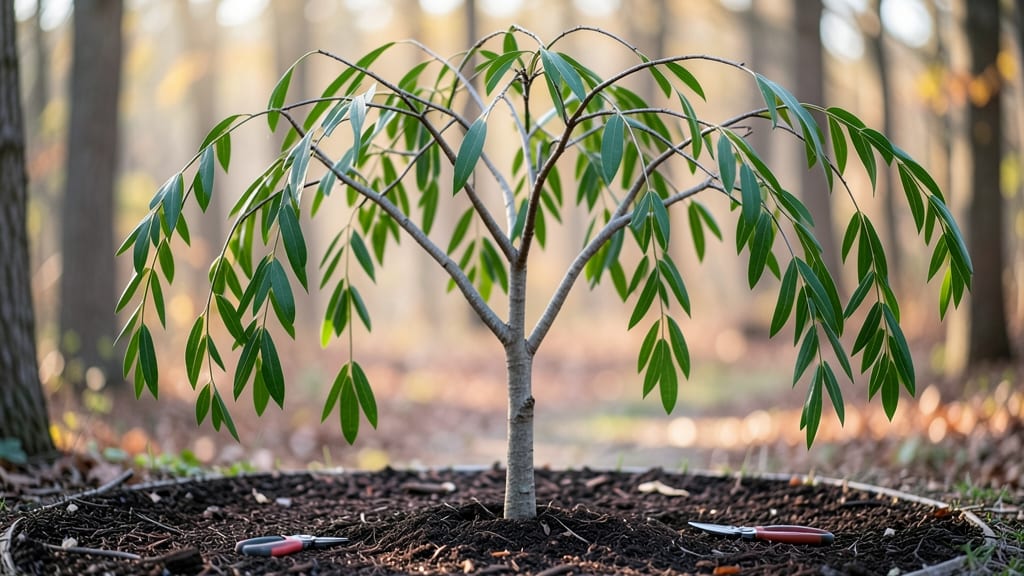
The snow fountain weeping tree turns your garden into a living waterfall of soft branches and delicate blooms. Its graceful, cascading form creates a year-round focal point that feels like a secret from a storybook garden.
The way its branches arch elegantly toward the ground—whether laden with spring blossoms or dusted with winter snow—makes it impossible to ignore.
This tree thrives as a standalone specimen or woven into mixed borders, its weeping habit drawing the eye like a natural curtain. Plant it near patios where its shade becomes a cozy retreat, or pair it with low-growing perennials to highlight its cascading silhouette.
The best part? It stays striking in every season, from spring’s delicate flowers to autumn’s golden foliage.
With minimal pruning, you’ll maintain its natural, fountain-like shape while encouraging dense growth. The tree’s adaptable nature means it works in formal gardens or wild, natural landscapes—just give it space to spread its arms.
Imagine the way sunlight filters through those branches on a summer afternoon, or how it glows under winter’s first frost.
For maximum impact, place it where its cascading form can be seen from multiple angles—near walkways, seating areas, or as a dramatic entryway feature. Pair it with dwarf conifers for contrast or spring bulbs to catch the light through its branches.
This isn’t just a tree; it’s a living sculpture that evolves with the seasons.
📚 In This Guide
- What you need
- Instructions
- Tips and common mistakes
- Wrapping up and next steps
What you need
- ● Weeping tree variety: Choose a Picea orientalis ‘Pendula’ (Oriental spruce) or Chamaecyparis pisifera ‘Squarrosa’ (sawara false cypress) for natural weeping branches.
- ● Waterproof fountain base: A shallow, wide-mouthed container (12–18" diameter) with drainage holes.
- ● Water pump: Submersible pump (12V, 300–500 GPH) for gentle cascading water.
- ● Water tubing: Flexible, clear vinyl tubing (¼" diameter, 10–15 ft long) for discreet routing.
- ● Decorative rocks or pebbles: Smooth, water-safe stones (1–2 lbs) to anchor tubing and create a natural look.
- ○ LED string lights (optional but enchanting!): Battery-operated or solar-powered fairy lights (20–30 ft roll) for evening ambiance.
- ● Pruning tools: Bypass pruners (sharp, for clean cuts)
- ● Loppers (for thicker branches)
- ● Hand saw (if shaping mature trees)
- ● Waterproof sealant: Silicone-based sealant (for securing tubing to the fountain base).
- ○ Mulch or landscape fabric: To protect the base from water damage (optional but recommended).
- ● Safety gear: Gloves, goggles, and knee pads for outdoor work.
- ● Measuring tape & level: For precise fountain placement and tubing alignment.
- ○ Drill (optional): For adding drainage holes if your container lacks them.
- ● Sturdy planting area: Partial shade to full sun (avoid direct afternoon sun to prevent water evaporation).
- ● Access to water source: Hose or bucket for initial setup and refills.
How to cultivate a thriving snow fountain weeping tree
This elegant tree brings four-season beauty with minimal fuss—once you master its care essentials.
Select the Perfect Planting Location
Choose a spot with partial shade to full sun—at least 4-6 hours of morning sunlight and afternoon shade in hotter climates. The Snow Fountain thrives where temperatures stay between 20-85°F, making it adaptable to most USDA zones 5-9. Avoid low-lying areas where cold air settles, as this can damage the delicate branches.
Test the soil by digging a 12-inch hole—it should drain well but retain moisture. Amend heavy clay with 3 inches of compost mixed into the native soil. The tree’s cascading habit means it needs 8-12 feet of horizontal space for full maturity, so measure your yard before planting.
Plant With Proper Spacing and Support
Dig a hole twice as wide as the root ball but no deeper. Gently remove the tree from its container and loosen any circling roots with your fingers. Position the root flare (where roots meet trunk) 1-2 inches above ground level—burying it too deep suffocates the tree.
Backfill with native soil mixed with 2 inches of organic mulch, tamping lightly as you go. Water deeply to settle the soil, then install a 4-foot tall stake on the upslope side of the planting hole. Secure the tree with two flexible ties, crisscrossing them to prevent trunk damage as it grows.
Establish a Watering and Fertilizing Routine
Water deeply 2-3 times per week for the first 6 months, ensuring the soil stays evenly moist but not soggy. You’ll know it’s right when water drains through the 6-inch layer in 30-45 minutes. After establishment, reduce to once weekly during dry spells, checking that the top 2 inches of soil feel dry before watering again.
Apply a balanced 10-10-10 fertilizer in early spring (just as new growth appears) and again in mid-summer. Use ½ pound per 100 square feet of root zone, working it into the top 4 inches of soil. Avoid high-nitrogen fertilizers—they promote leafy growth at the expense of those prized cascading blooms.
Prune for Shape and Seasonal Health
Prune late winter to early spring before new growth begins, removing dead, crossing, or weak branches first. The Snow Fountain’s natural weeping habit requires minimal shaping, but you can lightly trim to encourage denser foliage at the top. Use clean, sharp pruners and make cuts just outside the branch collar to prevent disease.
After flowering, trim spent blooms back to the first set of healthy leaves to redirect energy into next year’s flowers. Avoid heavy pruning in fall—this stresses the tree before winter dormancy. If pests like scale or spider mites appear, treat with neem oil in early morning or late evening to protect pollinators.
Protect in Winter and Monitor Year-Round
Mulch the base with 3-4 inches of shredded bark in late fall, pulling it back 6 inches from the trunk to prevent rot. In USDA zones 5-6, wrap the trunk with burlap if temperatures dip below 10°F for extended periods. Water sparingly in winter—only if the ground remains unfrozen for more than a week.
Watch for yellowing leaves, which often signal overwatering or nutrient deficiency. If branches droop suddenly, check for aphids or borers—treat immediately with insecticidal soap. The Snow Fountain’s grace comes from its resilience, but consistent care ensures those cascading blooms last for decades.
Tips & tricks for perfect snow fountain weeping tree cultivation
Mastering this tree’s unique beauty takes just a few strategic insights—here’s what I’ve learned after years of perfecting the care routine.
Location Intelligence: That 4-6 hours of morning sunlight is non-negotiable for optimal blooming. I’ve found that east-facing locations work best in most climates, as they capture gentle morning rays while avoiding harsh afternoon sun that can scorch delicate leaves. In hotter zones, a 50% shade cloth during peak summer hours prevents heat stress without sacrificing light exposure.
Root Ball Preparation: When loosening circling roots in Step 2, use your fingers to gently separate them—never cut them. I’ve seen many gardeners accidentally sever roots trying to "fix" them, which actually creates more stress. The goal is to encourage outward growth, not damage the root structure. For container-grown trees, soak the root ball for 10-15 minutes before planting to prevent transplant shock.
Watering Precision: The 30-45 minute drainage test is your best friend—this ensures perfect moisture balance. I’ve found that using a moisture meter (inserted 2 inches deep) is even more reliable than timing. Water when it reads below 40% moisture. For clay soils, add 1 inch of coarse sand to the bottom of the planting hole to improve drainage while maintaining moisture retention.
Pruning Strategy: That first set of healthy leaves after flowering is your guide—never cut back to bare wood. I always make my cuts at a 45-degree angle just above a leaf node to encourage new growth. For the late winter pruning in Step 4, I recommend using a small pair of hand pruners for precision work on the weeping branches, as they’re more delicate than you might expect.
Pro Tips for Snow Fountain Weeping Tree
- Mastering this tree’s unique beauty takes just a few strategic insights—here’s what I’ve learned after years of perfecting the care routine.
- Location Intelligence: That 4-6 hours of morning sunlight is non-negotiable for optimal blooming.
- Root Ball Preparation: When loosening circling roots in Step 2, use your fingers to gently separate them—never cut them.
Frequently asked questions
Got questions about keeping your snow fountain weeping tree stunning year-round? We’ve got answers! Here are some of the most common queries—plus tips to troubleshoot and elevate your tree’s beauty.
Can a snow fountain weeping tree bloom in winter?
A snow fountain weeping tree (often Styrax japonica or similar cultivars) thrives in cooler months! While blooms may be less abundant in extreme cold, its cascading habit and delicate white flowers still shine. For winter color, pair it with evergreens or winter jasmine. Pro tip: Prune lightly in late winter to encourage fresh growth and blooms.
What’s the best climate for growing a snow fountain weeping tree?
This tree loves USDA Zones 5-8 and tolerates mild winters, but it hates heatwaves or soggy soil. Plant in partial shade (morning sun, afternoon shade) to protect its blooms. In hot climates, mulch the roots and water deeply but infrequently. Troubleshoot: Yellowing leaves? Check for overwatering or poor drainage.
How often should I prune a snow fountain weeping tree?
Prune once a year, right after blooming (late spring). Trim 1/3 of the oldest branches to encourage new growth and maintain its weeping shape. Avoid heavy pruning in fall—it stresses the tree before winter. Quick tip: Sterilize shears with rubbing alcohol to prevent disease.
Are there alternatives if my tree isn’t thriving?
If your snow fountain struggles, try these low-maintenance lookalikes:
- Crytomeria ‘Yoshino’ (dwarf Japanese cedar) – Evergreen, fragrant, and cold-hardy.
- Abelia ‘Kaleidoscope’ – Vibrant blooms and glossy foliage.
- Fothergilla ‘Mount Airy’ – Stunning fall color + white spring flowers.
Why are my tree’s leaves turning brown?
Brown leaves usually mean overwatering, underwatering, or fungal issues. Check soil moisture (it should be damp, not soggy), and ensure good airflow. For fungal spots, treat with neem oil. Preventative tip: Space trees 6–8 feet apart to reduce humidity buildup.
Wrapping up and next steps
Transforming your snow fountain weeping tree into a stunning year-round beauty is easier than you think!
With the right tools, timing, and techniques—like gentle pruning to encourage those breathtaking cascades—you’re well on your way to a garden that dazzles in every season. Don’t stop here! Grab your pruners, step outside, and give your tree the love it deserves—your future blooms will thank you. 🌸✨