
Trees
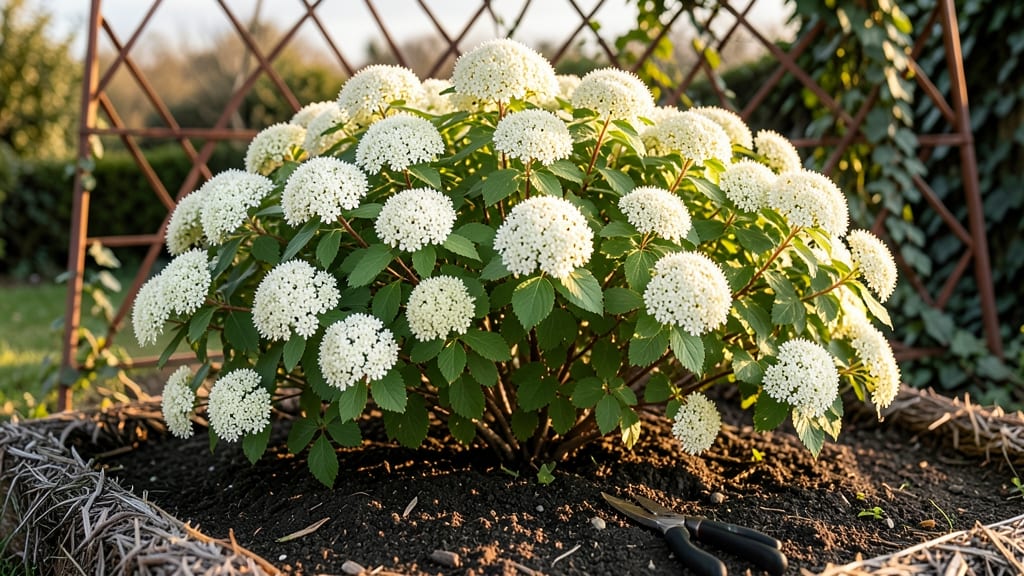
Your snowball tree leaves could be the showstopper of your garden—lush, glossy, and the perfect backdrop for those iconic white blossoms. 🌿 I’ve learned the hard way that healthy leaves mean bigger, longer-lasting flowers, and the secret isn’t complicated: it’s all about light, water, and a little pruning know-how.
These leaves start vibrant green in spring, turning deeper and richer as summer progresses, then hold their own through fall before dropping in winter. But watch for yellowing or spots—those could signal overwatering, pests, or nutrient deficiencies.
A quick check of the soil and a few targeted fixes can save your tree’s foliage (and those prized blooms).
📚 In This Guide
- What you need
- Instructions
- Tips and common mistakes
- Wrapping up and next steps
What you need
- ● Snowball tree seedlings or bare-root plants: Choose disease-resistant varieties like Viburnum opulus or Viburnum bodnantense (Dawn Viburnum). 1–3 plants per desired canopy size (spreads 6–10 ft wide).
- ● Well-draining soil: Mix 2 parts topsoil, 1 part compost, and 1 part perlite/sand for optimal aeration. Test soil pH (ideal: 5.0–7.0).
- ● Organic mulch: 2–3 inches of wood chips, pine straw, or shredded bark to retain moisture and suppress weeds.
- ● Slow-release fertilizer: 10-10-10 or 5-10-10 NPK ratio (apply once in early spring).
- ● Watering can or hose with a gentle spray nozzle: 1–2 gallons per watering for young trees; 3–5 gallons for mature ones.
- ● Garden trowel or shovel: For digging planting holes 2–3 times wider than the root ball.
- ● Pruning shears: Bypass pruners (sharp, clean) for shaping and deadheading spent blooms.
- ● Gloves & knee pads: Protect your hands and joints during planting/maintenance.
- ● Measuring tape: Ensure proper spacing (6–10 ft apart for full canopies).
- ○ Optional but helpful: Soil pH test kit (to monitor acidity/alkalinity).
- ● Tree stake & soft tie (for young saplings in windy areas).
- ● Espoma Holly-Tone or similar acid-loving plant fertilizer (for Viburnum bodnantense).
- ● Sunlight: Full sun to partial shade (6+ hours of sunlight daily for optimal blooms).
- ● Climate zone: USDA Zones 2–7 (hardy to -40°F/-40°C). Adjust watering in extreme heat/drought.
- ● Patience: Snowball trees take 3–5 years to reach full bloom potential!
How to cultivate a thriving snowball tree for season-long blooms
Here's my foolproof method for growing a snowball tree that bursts with fragrant white flowers from spring to fall.
🌱 Step 1: Select and Prepare the Perfect Planting Site
Choose a location with full sun exposure (6-8 hours daily)—this is non-negotiable for snowball trees. They thrive in well-draining soil with a slightly acidic to neutral pH (6.0-7.5). I always test my soil first; snowball trees hate soggy roots, so amending with compost improves drainage dramatically.
Dig a hole twice as wide as the root ball but only as deep. Position the tree so the top of the root ball sits 1-2 inches above ground level. This prevents water from pooling around the base. If your soil is heavy clay, mix in a 50/50 blend of native soil and compost to improve aeration.
☀️ Step 2: Plant and Water for Immediate Root Establishment
Gently remove the tree from its container and loosen any circling roots with your fingers. Place it in the hole and backfill with native soil, pressing lightly to eliminate air pockets. Water deeply right after planting—1-2 gallons for young trees—to settle the soil and encourage root contact.
Mulch around the base with 2-3 inches of organic mulch, keeping it 3-4 inches away from the trunk to prevent rot. This conserves moisture and regulates soil temperature. Avoid watering again for 5-7 days to let roots establish without disturbance.
🌿 Step 3: Prune and Feed for Year-Round Blooms
Prune your snowball tree in late winter or early spring before new growth begins. Remove any dead, diseased, or crossing branches first. Then, cut back last year's growth by one-third to encourage bushier growth and more abundant blooms. Always make cuts just above a bud or branch collar.
Apply a balanced 10-10-10 fertilizer in early spring and again after flowering. Water thoroughly after each application to prevent root burn. Snowball trees respond beautifully to regular feeding, but I always halve the recommended dose—they're sensitive to over-fertilization.
✂️ Step 4: Maintain Through Seasons for Continuous Beauty
Deadhead spent blooms in late spring and summer to encourage more flowers. Simply snip off the faded clusters with clean pruners. This redirects the tree's energy toward new growth rather than seed production. Watch for new buds forming at the branch tips—they'll develop into fresh blossoms within 4-6 weeks.
Water deeply once weekly during dry spells, aiming for 1-1.5 inches of water per week. Snowball trees are drought-tolerant once established, but consistent moisture keeps their leaves lush and flowers vibrant. In fall, reduce watering gradually to prepare the tree for dormancy.
⏰ Step 5: Winter Care for Next Year's Spectacular Display
Snowball trees handle cold well but benefit from winter protection in harsh climates. Apply a 3-4 inch layer of mulch around the base after the ground freezes to insulate roots. Avoid heavy mulching in mild winters—it can trap moisture and cause rot.
Prune lightly in late winter to remove any winter damage. Look for branches with broken bark or dead sections and cut them back to healthy wood. This cleanup signals the tree to focus energy on new spring growth. With proper winter care, your snowball tree will reward you with even more dramatic blooms next season.
Tips & tricks for perfect snowball tree cultivation
Here's what nobody tells you about keeping your snowball tree thriving year after year.
Soil Test First: Before planting, grab a soil test kit from your local garden center—it's only $20 and saves you from years of frustration. Snowball trees are fussy about pH (6.0-7.5), and adjusting with lime or sulfur takes time. I've seen trees struggle in soil that tested neutral when they actually needed slightly acidic. The test results will tell you exactly what amendments to add before planting.
Root Ball Position Matters: When planting, that 1-2 inch elevation above ground level isn't just a suggestion—it's critical. I learned this the hard way when my first tree developed root rot from sitting too low. Use a shovel to create a small mound in the hole's center before placing the root ball. This ensures proper drainage while keeping the tree stable. Pro tip: Tap the sides of the hole gently after planting to settle the soil without compacting it too much.
Watering Strategy: Those 5-7 days without water after planting might feel counterintuitive, but it's crucial. The initial deep watering (1-2 gallons) gives roots the moisture they need to establish without encouraging surface roots that dry out quickly. After that, let the soil dry slightly between waterings—snowball trees hate soggy feet. I check moisture by sticking my finger 2 inches down; if it's dry, it's time to water.
Pruning Precision: When you cut back last year's growth by one-third in Step 3, aim for clean cuts just above a bud or branch collar. I use sharp pruners and make the cut at a 45-degree angle about 1/8 inch above the bud. This prevents water from pooling on the cut and reduces the chance of disease. For thick branches, make two cuts: first to undercut, then to remove cleanly. The tree will thank you with bushier growth and more blooms.
Pro Tips for Snowball Tree Leaves
- Here's what nobody tells you about keeping your snowball tree thriving year after year.
- Soil Test First: Before planting, grab a soil test kit from your local garden center—it's only $20 and saves you from years of frustration.
- Root Ball Position Matters: When planting, that 1-2 inch elevation above ground level isn't just a suggestion—it's critical.
Frequently asked questions
Got questions about growing or caring for a snowball tree? You’re not alone!
Here are some of the most common queries—and answers—to help you cultivate that dreamy, fragrant white canopy year after year.
When is the best time to plant a snowball tree?
The ideal window is early spring or fall, when temperatures are mild (50–70°F). Planting in spring lets roots establish before summer heat, while fall gives them a head start before winter dormancy. Avoid extreme heat or frost—both can stress young trees!
Why aren’t my snowball tree leaves turning white like they should?
If your Viburnum opulus isn’t blooming white, check these fixes:
- Sunlight: Needs full sun to partial shade (6+ hours/day). Too much shade = sparse flowers.
- Age: Young trees (under 3 years) may not bloom yet—patience!
- Pruning: Trim in late winter to encourage new growth (but avoid cutting flower buds).
- Fertilizer: A balanced 10-10-10 in spring can boost blooms.
Can I grow a snowball tree in a container?
Yes! Dwarf varieties like Viburnum opulus ‘Compactum’ thrive in 15–20 gallon pots with:
- Well-draining soil (mix in perlite).
- Regular watering (keep soil moist but not soggy).
- Winter protection (move to a sheltered spot or use burlap wraps).
Just repot every 2–3 years and fertilize lightly in spring.
What pests or diseases should I watch for?
Snowball trees are tough, but keep an eye out for:
- Spider mites: Tiny webs on leaves? Spray with water or neem oil.
- Powdery mildew: White fungal dust? Improve airflow and avoid overhead watering.
- Japanese beetles: Skewer adults with a toothpick or use organic traps.
Pro tip: Inspect leaves monthly during growing season for early signs!
What’s a good alternative if I want a similar look but lower maintenance?
If snowball trees seem high-maintenance, try:
- Hydrangea ‘Annabelle’ – Bomb-shaped white blooms, thrives in shade.
- Deutzia – Fragrant white flowers, drought-tolerant once established.
- Weigela – Fast-growing with pink/white blooms (great for hedges).
All three offer year-round interest with less fuss!
Wrapping up and next steps
The snowball tree isn’t just a seasonal stunner—it’s a year-round investment in beauty, fragrance, and even practicality! Whether you’re drawn to its fluffy white blooms, low-maintenance charm, or versatile landscaping potential, this tree delivers on promises.
With the right care, your snowball tree can thrive, offering a fragrant canopy that brightens every season.
Ready to transform your outdoor space? Start by choosing the perfect spot, gathering your supplies, and rolling up your sleeves—your dream fragrant garden awaits! 🌱 Plant your first snowball tree today!