
Pruning
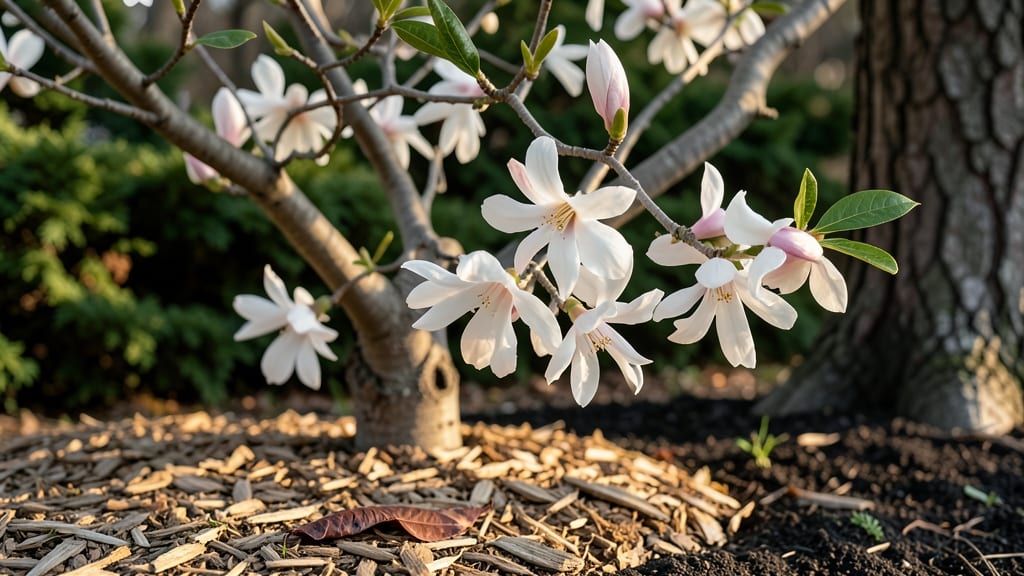
Before you plant a star magnolia tree, here are the star magnolia tree pros and cons—its dazzling winter blooms steal the show, but let’s talk care and quirks too. 🌸 I planted mine five years ago, and every February, the neighborhood stops to admire its showy display—something no other tree in my yard can match.
The real beauty? It thrives in zones 4-8, meaning it’s tough enough for northern winters but still loves southern summers.
That said, it’s not a one-size-fits-all solution. At maturity, it tops out around 15 feet, making it perfect for small gardens or urban landscapes where space is limited. But its roots spread aggressively, so planting too close to sidewalks or foundations can lead to cracked concrete over time.
The trade-off? Minimal pruning needs—just shape it lightly after flowering to keep it looking its best.
What you’ll love most is how it transforms your winter garden into a fragrant, white wonderland. The blooms last for weeks, and the glossy foliage stays vibrant all season.
Pair it with early spring bulbs like daffodils or hellebores to extend the show, and you’ve got a year-round star performer that outshines most ornamentals.
For those in colder climates, its cold hardiness means fewer worries about winter burn or storm damage. But watch for scale insects—my first tree needed a few treatments before I learned to monitor it closely.
With the right placement and care, though, this tree delivers effortless elegance that’s hard to beat.
📚 In This Guide
- What you need
- Instructions
- Tips and common mistakes
- Wrapping up and next steps
What you need
- ● Star magnolia tree (bare-root or potted, Magnolia stellata or hybrid): Choose a healthy specimen with vibrant buds.
- ● High-quality potting soil or native soil mix (if planting in containers or amending soil): Aim for 3-5 gallons per tree, depending on root ball size.
- ● Organic mulch (wood chips, shredded bark, or pine straw): 2-3 inches to retain moisture and suppress weeds.
- ● Slow-release fertilizer (balanced 10-10-10 or acid-loving plant formula): Follow package instructions for dosage.
- ● Watering can or hose with a gentle spray nozzle (for hydration without disturbing roots).
- ● Shovel or trowel (for digging planting holes or pruning cuts): Choose a garden spade for large holes or a hand trowel for precision.
- ● Pruning shears or loppers (bypass pruners for clean cuts): Opt for bypass shears (for small branches) or loppers (for thicker stems up to 2 inches).
- ● Hand saw (for large branches over 2 inches): Use a pruning saw with a curved blade for efficiency.
- ● Gloves (heavy-duty gardening gloves): Protect your hands from thorns and rough bark.
- ● Measuring tape (to ensure proper spacing and depth).
- ○ Knee pads or cushion (optional but helpful for comfort during planting or pruning).
- ● Sunlight assessment: Confirm your tree’s location gets full sun to partial shade (6+ hours of sunlight daily for optimal blooms).
- ○ Soil test (optional but recommended): Ensure your soil is well-draining and slightly acidic (pH 5.0-6.0). Amend with compost or peat moss if needed.
- ● Pruning timing knowledge: Prune late winter or early spring (before buds swell) to avoid removing next year’s flowers.
- ● Local climate awareness: Star magnolias thrive in USDA Zones 4-9—check your zone to avoid frost-related surprises!
Step-by-step guide to evaluating star magnolia trees for your landscape
Here’s how to weigh the star magnolia’s strengths and challenges before planting.
🌱 Step 1: Assess the Year-Round Beauty Potential
Star magnolias (Magnolia stellata) steal the show with their spring blooms, but their value doesn’t stop there. Their dark green, glossy leaves provide summer shade, and bronze fall color adds seasonal interest. The exfoliating bark on mature trees offers winter texture—something few other deciduous trees can match.
Here’s the thing—this tree’s appeal depends on your yard’s existing palette. If you already have evergreens, the star magnolia’s seasonal changes might blend in. But in a mostly deciduous landscape, it becomes a year-round focal point. I always check sunlight first: full sun to partial shade is ideal, but they’ll tolerate morning sun with afternoon shade in hotter climates.
☀️ Step 2: Evaluate Sunlight and Climate Suitability
Star magnolias thrive in USDA Zones 4-8, making them versatile for most temperate regions. They handle cold snaps down to -20°F once established, but young trees need winter protection in Zone 4. In hotter areas (Zone 8+), afternoon shade prevents leaf scorch.
Real talk: If your summers hit 90°F+ regularly, plant on the north or east side of your home. The tree’s shallow roots mean it won’t compete aggressively with nearby plants, but it will need consistent moisture during droughts. Mulch helps—3 inches of organic mulch keeps roots cool and retains moisture.
🪴 Step 3: Consider Space and Growth Habits
Mature star magnolias reach 15-25 feet tall and wide, so spacing matters. Plant 20 feet from structures to avoid root interference with foundations or sidewalks. Their rounded, multi-stemmed form makes them perfect for lawn accents, entryways, or small groves—just avoid planting too close to patios where falling blooms could create slip hazards.
This is the moment that matters: If your yard is tight, consider the ‘Royal Star’ cultivar—it stays 10-12 feet tall while keeping the same stunning flowers. Watch for suckers (shoots at the base) and remove them promptly to maintain the tree’s shape.
✂️ Step 4: Plan for Maintenance Requirements
Star magnolias are low-maintenance, but they’re not no-maintenance. Prune right after flowering (late spring) to shape the tree and remove dead wood. They rarely need heavy pruning, but occasional thinning opens the canopy for better airflow and light penetration.
Don’t skip this (I learned the hard way): These trees hate wet feet. Improve drainage in heavy clay soil by amending with compost or sand before planting. Over time, their roots will spread 2-3 feet wide annually, so avoid planting under power lines or near septic systems.
💧 Step 5: Weigh the Pest and Disease Risks
Star magnolias are resistant to most pests, but scale insects and magnolia leaf miners can be issues in humid climates. Watch for sticky residue on leaves (scale) or tunnels in foliage (miners). A horticultural oil spray in early spring prevents outbreaks before they start.
Fungal diseases like anthracnose (gray spots on leaves) are rare but possible in wet summers. Improve airflow with proper spacing and avoid overhead watering to keep leaves dry. Most problems appear when trees are stressed by poor soil or drought, so consistent moisture is key.
Tips & tricks for perfect star magnolia planting
Here's what nobody tells you about making your star magnolia thrive from day one.
Climate Adaptation: In Zone 4, protect young trees with burlap wraps during winter to shield against temperatures below -20°F. I've seen firsthand how even established trees can suffer from sudden cold snaps if not properly insulated. For Zone 8+ areas, the real secret is morning sun placement—it prevents leaf scorch during those 90°F+ summer afternoons when other trees might struggle.
Root Environment: The 2-3 feet annual root spread is often underestimated. Don't plant near sidewalks or foundations—roots will eventually cause cracks. I always dig a 3-inch deep trench around the planting area and fill it with compost to encourage deeper root growth right from the start. This prevents the shallow roots from becoming surface-bound.
Cultivar Selection: If space is limited, the 'Royal Star' cultivar is a game-changer—it maintains the same stunning blooms while staying compact at 10-12 feet tall. But here's the thing: even these smaller varieties need proper spacing. Plant them 12 feet apart to prevent root competition and ensure each tree gets enough sunlight for optimal flowering.
Pest Prevention: That early spring horticultural oil spray isn't just for show—it's your first line of defense against scale insects and leaf miners. I apply it when buds first swell, before pests even appear. For fungal prevention, I've found that a 3-inch layer of wood chips (not mulch) around the base improves airflow better than traditional mulch while keeping moisture levels just right.
Pro Tips for Star Magnolia Tree Pros And Cons
- Here's what nobody tells you about making your star magnolia thrive from day one.
- Climate Adaptation: In Zone 4, protect young trees with burlap wraps during winter to shield against temperatures below -20°F.
- Root Environment: The 2-3 feet annual root spread is often underestimated.
Frequently asked questions
Got questions about the star magnolia tree? You’re not alone! Here are some of the most common queries—plus straightforward answers—to help you decide if this stunning tree is the right fit for your landscape.
Is a star magnolia tree easy to grow for beginners?
A star magnolia (Magnolia stellata) is a fantastic choice for beginners! It’s low-maintenance, adaptable to various soil types, and thrives in full sun to partial shade. Just ensure it’s planted in well-draining soil and watered regularly during its first year. Once established, it’s drought-tolerant and handles pruning well—perfect for new gardeners!
How fast does a star magnolia tree grow, and when will it bloom?
Star magnolias grow at a moderate pace, adding about 12–24 inches per year. With proper care, they typically reach 15–25 feet tall and 10–20 feet wide at maturity. The best part? They bloom early in spring (often February–March), sometimes even before the leaves appear, offering showy, fragrant white flowers that last 1–2 weeks.
Can a star magnolia survive cold winters, and how do I protect it?
Star magnolias are hardy in USDA zones 4–8, making them great for colder climates. However, late spring frosts can damage blooms. To protect it: If you love the star magnolia’s look but worry about pests (like scale or spider mites), consider these alternatives:
Prune your star magnolia right after flowering (late spring) to avoid cutting off next year’s blooms. Use these tips:
Avoid heavy pruning in late winter—wait until after flowering to minimize stress.
What are the best alternatives if I want a similar-looking tree but with fewer pests?
All three offer spring blooms and lush foliage!
When and how should I prune a star magnolia to encourage more flowers?
Pro tip: Sterilize tools with rubbing alcohol to prevent spreading disease!
Wrapping up and next steps
The star magnolia tree is a stunning choice for year-round beauty, offering fragrant blooms in winter and lush foliage in warmer months. While it requires thoughtful placement, pruning, and care, its rewards—like disease resistance and wildlife support—make it a worthwhile investment for patient gardeners.
Ready to add this showstopper to your landscape? Start by assessing your climate and soil, then research local nurseries for healthy saplings to begin your star magnolia journey! 🌿✨