
Neem Oil
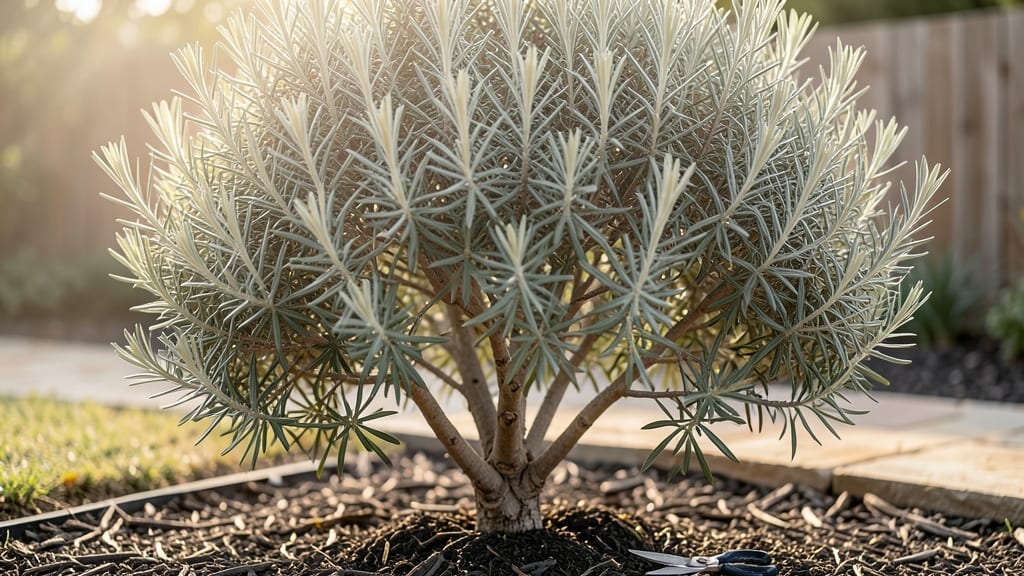
Growing a tea tree oil plant (Melaleuca alternifolia) means adding a fragrant, double-duty shrub to your garden—one that repels pests and heals soil while looking stunning. 🌿 I planted mine last spring, and within months, it became the workhorse of my organic pest control system.
The key is mimicking its native Australian habitat: sandy, well-draining soil and full sun. This plant thrives in zones 9-11 but can survive in cooler climates with winter protection. Start with a 1-gallon container plant and give it space—it grows 6-10 feet tall and wide over time.
Water deeply once a week (more in summer heat) and avoid soggy soil, which leads to root rot. The first year focuses on establishing roots, not harvesting leaves. By year two, you’ll harvest leaves for tea tree oil by stripping branches of their silvery-green foliage.
Crush a few leaves between your fingers—they smell like a spa blend of eucalyptus and citrus, and the oil you extract works as a natural fungicide, insect repellent, and even a soothing spray for stressed plants. The payoff? A garden that stays healthy without chemicals.
For cooler climates, grow it in containers and bring it indoors during winter. Prune lightly in spring to encourage bushier growth. Patience is key—it takes 3-5 years to produce meaningful oil yields, but the pest-repelling benefits start immediately. Ready to grow your own natural remedy?
📚 In This Guide
- What you need
- Instructions
- Tips and common mistakes
- Wrapping up and next steps
What you need
- ● Tea tree seeds or a young plant: 5–10 seeds (if starting from scratch) or 1–2 nursery-grown seedlings (for faster growth).
- ● Well-draining potting mix: 5–10 gallons (depending on pot size). Use a blend of cactus/succulent soil + perlite or sand (50/50 ratio).
- ● Containers with drainage: 1–2 pots (12–18 inches deep) with holes. Terracotta or fabric pots work best.
- ● Sunlight access: A sunny window (6+ hours/day) or a grow light for indoor setups.
- ● Watering can with a fine rose: To avoid disturbing soil while watering.
- ○ Fertilizer (optional but helpful): Balanced liquid fertilizer (10-10-10) or fish emulsion (diluted to half-strength).
- ● Slow-release granules (for long-term growth).
- ● Pruning shears: Sharp, sterilized pair for trimming.
- ● Spray bottle: For misting leaves (tea trees love humidity!).
- ○ pH testing kit (optional): To monitor soil acidity (ideal: 5.5–6.5).
- ● Pest control: Neem oil or insecticidal soap (for aphids/spider mites).
- ● Harvesting tools: Gloves + small knife (for pruning mature branches).
How to grow a tea tree oil plant for natural pest control
Here's my go-to method for cultivating a healthy tea tree—it thrives with minimal fuss.
🌱 Step 1: Choose the Right Location and Soil
Tea tree plants love full sun to partial shade—at least 6 hours of sunlight daily for best oil production. I place mine in a spot with morning sun and afternoon shade to prevent leaf scorch, especially in hot climates. The soil should be well-draining, slightly acidic (pH 6.0-7.0), and rich in organic matter.
If your soil is heavy clay, mix in compost or sand to improve drainage. Tea trees hate soggy roots, so raised beds or containers with drainage holes work perfectly. I always add a 2-inch layer of mulch around the base to retain moisture and regulate soil temperature—just keep it 6 inches away from the trunk to prevent rot.
🌿 Step 2: Plant or Transplant Your Tea Tree
For young plants, dig a hole twice as wide as the root ball but only as deep. Gently remove the plant from its container, loosen any tangled roots, and place it in the hole so the top of the root ball sits level with the surrounding soil. Fill in around the roots with native soil, pressing lightly to remove air pockets.
If you're growing from seed (which takes 6-12 months to mature), plant seeds ¼ inch deep in well-draining soil. Keep them consistently moist until germination, which can take 2-4 weeks. Here's the thing—young tea trees grow slowly, so patience is key. Water deeply once a week once established, but let the top 2 inches of soil dry out between waterings to prevent fungal issues.
☀️ Step 3: Maintain Proper Light and Watering
Tea trees are drought-tolerant once established, but they need bright, indirect light to thrive indoors or in shaded outdoor spots. If you notice leaves yellowing or wilting, it’s a sign of either too much sun (burn) or underwatering. I adjust their position based on seasonal light changes—moving them slightly closer to a window in winter when sunlight is weaker.
Water when the top 2 inches of soil feel dry to the touch. Overwatering is the biggest mistake—it leads to root rot. In containers, I check soil moisture by inserting my finger about 1 inch deep. If it’s dry, it’s time to water. During hot summers, I give them a deep soak every 5-7 days, but I always let excess water drain completely.
✂️ Step 4: Prune and Harvest for Maximum Oil Production
Prune your tea tree lightly in early spring to shape it and encourage bushier growth. Remove any dead, diseased, or crossing branches with clean, sharp pruners. I avoid heavy pruning—just trim back about ⅓ of the new growth to maintain a balanced shape. This keeps the plant healthy and stimulates new leaf production, which is where the essential oil develops.
Harvest leaves in late spring or early summer when the plant is at its peak. I pick young, tender leaves by hand, avoiding any that look damaged or diseased. Spread them out in a dry, shaded area for 1-2 weeks to cure before using them for pest control or making tea tree oil. Real talk: The first harvest won’t be huge, but consistency builds over time.
Tips & tricks for perfect tea tree oil plant growth
Common pitfalls—and how to sidestep every one—when nurturing your tea tree for maximum pest control benefits.
Lighting Strategy: The 6 hours of sunlight mentioned in Step 1 is non-negotiable for oil production, but here's the thing: if you notice leaf burn in intense afternoon sun, provide afternoon shade using a sheer curtain or nearby plants. I've found that morning sun paired with afternoon shade gives the best balance for consistent growth without stressing the plant.
Soil Preparation Secret: When amending heavy clay soil, I recommend mixing in equal parts compost and coarse sand—not just compost alone. The sand prevents compaction while the compost adds nutrients. For containers, use a blend of potting soil, perlite, and a handful of sand to mimic that well-draining environment tea trees crave.
Watering Wisdom: That 2-inch soil dryness check in Step 3 is crucial, but here's what nobody tells you—tea trees actually prefer slightly drier conditions than most plants. In winter, I reduce watering to every 10-14 days because cooler temperatures slow evaporation. The key is to let the soil dry completely between waterings to prevent root rot, which can kill your plant in weeks.
Pruning Precision: When trimming back that ⅓ of new growth in early spring, focus on removing any branches growing inward or crossing others. I use clean, sharp pruners and make cuts just above a leaf node to encourage bushier growth. Avoid cutting into old wood as it won't regrow—this is how you keep your tea tree producing new leaves for oil extraction year after year.
Pro Tips for Tea Tree Oil Plant
- Common pitfalls—and how to sidestep every one—when nurturing your tea tree for maximum pest control benefits.
- Lighting Strategy: The 6 hours of sunlight mentioned in Step 1 is non-negotiable for oil production, but here's the t...
- Soil Preparation Secret: When amending heavy clay soil, I recommend mixing in equal parts compost and coarse sand—not...
Frequently asked questions
Got questions about growing and using tea tree oil plants? You’re not alone! Here are some of the most common queries—and their straightforward answers—to help you harness this powerhouse plant with confidence.
How long does it take for a tea tree plant to mature enough for harvesting?
A tea tree plant typically reaches maturity in 3 to 5 years, but you can start harvesting leaves for essential oil production as early as 2 years if grown in ideal conditions. Patience pays off—younger plants yield less oil, but consistent care ensures a steady harvest over time.
Can I use tea tree oil directly from the plant, or do I need to process it first?
No, you cannot use fresh tea tree leaves or oil directly from the plant for topical or internal use. The leaves must be steam-distilled to extract the essential oil safely. Always purchase 100% pure tea tree oil from a trusted source for remedies, skincare, or pest control.
What should I do if my tea tree plant gets pests like aphids or mites?
Tea tree oil is nature’s pest repellent! Mix 1 teaspoon of tea tree oil with 1 cup of water and a drop of dish soap, then spray the solution on affected areas. Reapply every 3–5 days until pests vanish. For severe infestations, consider a neem oil spray as a backup.
Are there any alternatives to tea tree oil if I can’t grow my own plant?
If you can’t grow a tea tree, look for pre-made tea tree oil products (like shampoos, soaps, or sprays) at health stores or online. Other antifungal/antibacterial alternatives include lavender oil, eucalyptus oil, or neem oil, though their properties differ slightly. Always dilute essential oils before use!
Can I grow a tea tree plant indoors, or does it need outdoor conditions?
Tea trees (Melaleuca alternifolia) are outdoor plants and thrive in full sun, well-draining soil, and warm climates (USDA zones 9–11). While you can start them indoors, they’ll outgrow containers quickly and need a permanent outdoor home. If you live in a colder zone, opt for potted tea trees and overwinter them indoors near a sunny window.
Wrapping up and next steps
The tea tree oil plant is a powerhouse of natural benefits—whether you're battling pests, boosting plant health, or exploring its healing properties! 🌱 With just a few simple steps, you can harness its antimicrobial and insect-repelling strengths to create a thriving, chemical-free garden or home remedy.
Ready to dive in? Start small—grow your own tea tree plant or experiment with diluted oil blends. Your garden (and skin!) will thank you. What’s one way you’ll use tea tree oil next?