
Pruning
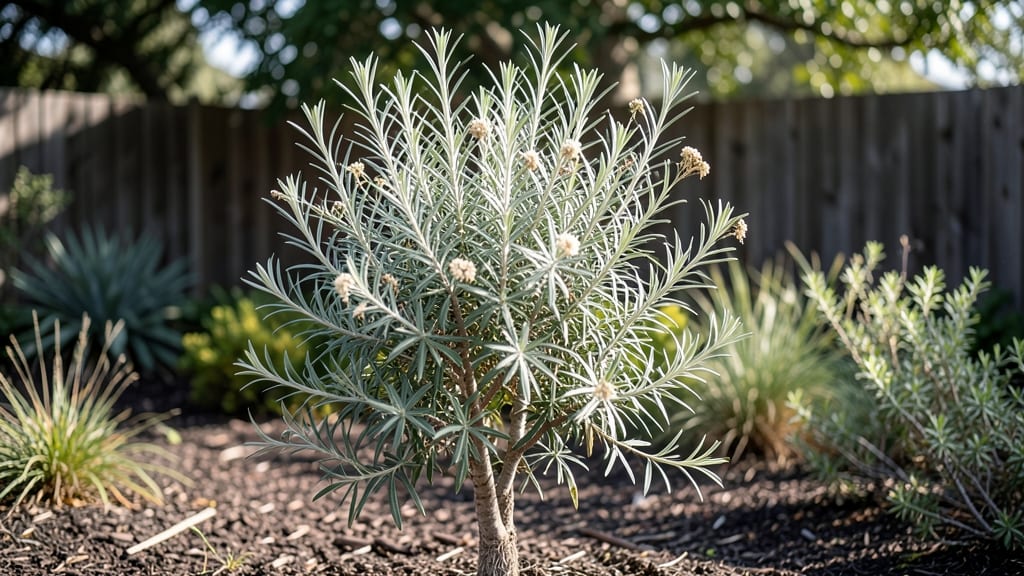
Pruning your tea tree isn’t just about shaping—it’s about unlocking its full potential. 🌿 I’ve learned that strategic trims keep Melaleuca alternifolia thriving year-round, from bushier growth to stronger essential oil production. The key? Timing, technique, and knowing what to cut (and what to leave).
Tea trees handle pruning better than most shrubs, but they need the right approach. Start with clean, sharp tools to avoid tearing branches, and focus on removing dead wood first. Light trims in late winter encourage fresh spring growth, while heavier shaping in early summer keeps the plant compact.
Over-pruning stresses the tree, so aim for no more than 25-30% of the foliage at once.
What you’ll notice after proper pruning is a denser, healthier plant with fewer gaps for pests to hide. The leaves stay vibrant, the scent of crushed foliage intensifies, and you’ll even boost oil yield if you’re harvesting. Just avoid cutting into old wood—tea trees struggle to regrow from bare stems.
This method works for both young plants and mature trees, whether you’re growing in containers or the ground. The same principles apply whether you’re shaping for aesthetics or optimizing oil production. Let’s get those shears ready!
📚 In This Guide
- What you need
- Instructions
- Tips and common mistakes
- Wrapping up and next steps
What you need
- ● Pruning shears – Bypass shears (sharp, 6-8" blades) for clean cuts on small branches.
- ● Loppers – 8-12" bypass loppers for thicker branches (1/2" diameter or less).
- ● Pruning saw – Curved-tooth saw for branches thicker than 1.5" (avoid crushing bark!).
- ● Gloves – Heavy-duty, cut-resistant gloves (tea tree branches can be spiky!).
- ● Disinfectant – 70% isopropyl alcohol or rubbing alcohol (to sterilize tools between cuts).
- ○ Pruning sealant – Optional but helpful (for large cuts to prevent disease).
- ● Ladder or step stool – If your tea tree is taller than 6 feet.
- ● Trash bags or bucket – For collecting pruned branches (compost or dispose responsibly!).
- ● Hand pruners with ratcheting mechanism – For stubborn branches that need extra force.
- ● Extension pole pruners – To reach high branches safely.
- ● Safety glasses – Protects eyes from debris, especially when sawing.
- ● Notebook & pen – To sketch your tea tree’s shape before pruning.
- ● Pruning rope or twine – For temporarily securing branches during shaping.
Step-by-step tea tree pruning guide for year-round vitality
Here's how I keep my tea trees thriving—no matter the season.
🌿 Step 1: Identify Pruning Seasons and Growth Cycles
Tea trees handle light pruning year-round, but timing matters most for major shaping. The best time for heavy trimming is late winter or early spring, just before new growth begins. This is when the tree's energy is dormant but about to shift into active growth mode.
For light maintenance pruning, I trim throughout the year to remove dead branches, shape growth, and encourage bushier foliage. Avoid heavy pruning in late summer or fall—new growth won't harden off before winter, making it vulnerable to frost damage. Watch for new leaf buds forming along branches; these signal the tree is ready for a trim.
✂️ Step 2: Remove Dead, Diseased, or Weak Branches First
Start by inspecting your tea tree for any branches that are dead, diseased, or crossing. Dead branches are dry, brittle, and snap easily when bent. Diseased branches often have discolored leaves, mold, or unusual growths. Use clean, sharp pruning shears to make clean cuts at a 45-degree angle, about ¼ inch above a leaf node or outward-facing bud.
Don't skip this step—removing the bad branches first ensures you're not spreading disease or stressing the tree with unnecessary cuts. If you're unsure whether a branch is dead, scratch the bark with your fingernail. If it's green underneath, it's still alive. If it's brown or crumbly, it's time to cut it off.
🌱 Step 3: Shape the Tree with Strategic Cuts
For a naturally bushy tea tree, I focus on open-center pruning, which encourages growth from the center outward. Start by thinning out the interior branches to allow light and air to reach the center of the tree. This prevents dense, shaded growth that can lead to disease.
When shaping, cut back branches to just above a leaf node or bud that faces outward. Avoid leaving stubs—these can attract pests and rot. For larger branches, use loppers and make the cut just outside the branch collar (the swollen area where the branch meets the trunk). You'll see new growth emerge from the sides of the remaining branches within a few weeks.
☀️ Step 4: Encourage Airflow and Sunlight Penetration
Tea trees need good airflow to stay healthy, so I always aim to create an open, airy structure. After removing dead branches, step back and look at the tree from all angles. Fill in any gaps where branches are too dense by thinning out the thickest growth. This isn't about removing every branch—just enough to let sunlight and air circulate freely.
If your tea tree is growing too tall or leggy, you can lightly prune the top to encourage bushier growth. Just don't cut back more than ⅓ of the tree's height at once, or you'll shock it. After pruning, water the tree deeply to help it recover. You'll notice new, vibrant growth within 4-6 weeks, especially if you've improved airflow and sunlight exposure.
⏰ Step 5: Clean Up and Monitor for New Growth
After pruning, collect all the clippings and dispose of them properly. If the branches show signs of disease (like mold or spots), don't compost them—burn or trash them instead to prevent reinfection. Clean your pruning tools with rubbing alcohol or a bleach solution to kill any lingering pathogens.
Keep an eye on the tree in the weeks following pruning. Healthy new growth should appear within 2-4 weeks, especially on the sides of the branches where you made cuts. If you don't see new buds forming, the tree might need more sunlight, water, or nutrients. Adjust your care routine accordingly—teat trees are resilient, but they do best with consistent attention.
Tips & tricks for perfect tea tree pruning
Real talk: Pruning tea trees isn't just about cutting branches—it's about understanding how your tree grows. Here's what I've learned after years of trial and error.
Seasonal Timing is Everything: Late winter or early spring is your golden window for heavy trimming because that's when the tree's energy is shifting from dormancy to growth. If you prune too late in the season, you risk leaving tender new growth vulnerable to frost. For light maintenance, you can trim throughout the year, but always watch for those new leaf buds—they're your cue that the tree is ready for a trim.
Tool Sharpness Saves Trees: Dull pruning shears tear bark and create jagged wounds, which invite disease and pests. I keep a small file in my toolkit to sharpen blades between uses, and I always wipe them down with rubbing alcohol after each session. A clean cut at a 45-degree angle heals much faster than a messy one.
The ⅓ Rule for Major Pruning: Never remove more than one-third of the tree's foliage in a single session. Tea trees are resilient, but this rule prevents shock. If your tree looks like it needs more drastic pruning, space it out over two seasons. You'll see better recovery and more vigorous new growth.
Visualizing the Future Shape: Before you make a single cut, step back and visualize how you want your tree to look. I like to sketch a rough outline on paper first—this helps me decide which branches to keep and which to remove. The goal is to create an open structure that lets sunlight and air reach all parts of the tree.
Pro Tips for Tea Tree Tree
- Real talk: Pruning tea trees isn't just about cutting branches—it's about understanding how your tree grows.
- Seasonal Timing is Everything: Late winter or early spring is your golden window for heavy trimming because that's when the tree's energy is shifting from dormancy to growth.
- Tool Sharpness Saves Trees: Dull pruning shears tear bark and create jagged wounds, which invite disease and pests.
Frequently asked questions
Got questions about pruning your tea tree? You’re not alone!
Whether you're a first-time pruner or a seasoned gardener, these answers will help you keep your tea tree thriving. Let’s dive in.
When is the best time of year to prune a tea tree?
The ideal time to prune a tea tree is late winter to early spring, just before new growth begins. This timing minimizes stress on the tree and promotes healthy regrowth. Avoid heavy pruning in summer or fall, as it can expose the tree to pests or disease. A light trim to remove dead branches can be done year-round, though!
How much can I prune a tea tree without harming it?
Tea trees are resilient, but never remove more than 25-30% of the foliage in one session. Over-pruning can weaken the tree or even kill it. Focus on shaping, removing dead wood, and thinning out crowded branches. If your tree is overgrown, space pruning sessions over a few years for the best results.
What should I do if my tea tree starts bleeding sap after pruning?
Sap bleeding is normal and usually harmless—it’s the tree’s way of healing. To minimize mess, apply a pruning sealant (like tree wound dressing) to larger cuts. Avoid sealing small pruning cuts, as fresh air helps the wound heal faster. Keep the area clean to prevent fungal infections.
Can I propagate tea tree cuttings from pruned branches?
Tea trees root easily from softwood cuttings taken in spring or early summer. Dip the cut end in rooting hormone, plant in well-draining soil, and keep moist (but not soggy). Place in bright, indirect light until roots form—usually in 4-8 weeks. It’s a great way to expand your tea tree collection!
Do I need to sterilize my pruning tools before and after trimming?
Yes!
Sterilizing tools with rubbing alcohol or a 10% bleach solution prevents spreading disease between cuts. Clean tools before pruning to avoid contaminating healthy branches, and wipe them down after to keep your garden toolkit in top shape. A few extra minutes now save hours of heartache later!
Wrapping up and next steps
Tea tree pruning isn’t just about aesthetics—it’s a year-round investment in your tree’s health, growth, and longevity. 🌿 By mastering the right techniques, timing, and tools, you’ll encourage vibrant foliage, prevent pests, and even shape your tree to fit your landscape goals.
Whether you’re trimming for shape, safety, or rejuvenation, remember: consistency and care are key.
Ready to give your tea tree the TLC it deserves? Start small—pick one season to focus on first, gather your tools, and take it step by step.
Before you know it, your tea tree will be thriving, and you’ll be the proud gardener behind its success! 🌱 Grab your pruners and get started today!