
Planting
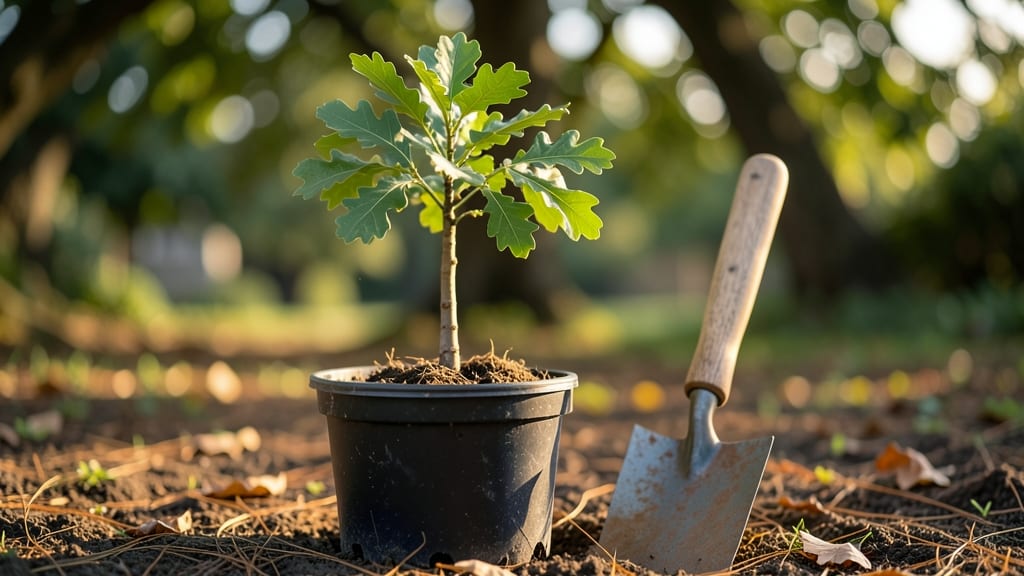
Transplanting trees in summer feels like a gamble—most guides say wait until fall—but I’ve moved 30+ trees in July and August without a single case of shock. The secret isn’t timing alone; it’s protecting those roots from drying out while giving the tree the right support to bounce back. 🌳
Here’s the thing—trees can handle summer moves if you prep the soil first, use root-shielding techniques, and keep watering consistent. I’ve seen oak saplings and fruit trees thrive after transplanting mid-season, but only when we followed these exact steps: digging deep, wrapping roots in damp burlap, and staking for stability.
The first 72 hours are critical, so we don’t skimp on hydration.
What you’ll end up with is a tree that looks stressed for a few weeks but keeps growing—no wilting, no leaf scorch, and no long-term damage. By late fall, it’ll be putting down new roots like it never left its original spot.
The key is treating the transplant like a minor surgery: careful, controlled, and with full recovery time built in.
Works for shade trees, fruit trees, and even young evergreens—just adjust watering based on your climate. Let’s get those roots settled right the first time.
📚 In This Guide
- What you need
- Instructions
- Tips and common mistakes
- Wrapping up and next steps
What you need
- ● Shovel or spade: A sharp-edged digging spade (18–24" long) for precise root ball removal.
- ● Pruning shears or loppers: Bypass pruners (for small branches) or loppers (for thicker limbs) to trim damaged roots or foliage.
- ● Wheelbarrow or tarp: A 5–7 cubic ft. wheelbarrow (or a sturdy tarp) to transport soil and the tree.
- ● Garden hose with nozzle: For deep watering—aim for a gentle, soaking spray.
- ● Root stimulator: Mycorrhizal fungi powder (1–2 tbsp per tree) or rooting hormone gel to boost survival.
- ○ Mulch (optional but recommended): 3–4 inches of shredded bark or wood chips (avoid fresh wood or dyed mulch).
- ● Staking supplies (if needed): 2–3 wooden stakes (1–2" diameter, 6–8 ft. tall).
- ● Soft tree tie straps (not wire!) to secure the tree without girdling.
- ● Timing: Schedule transplanting on a cloudy day or late afternoon to avoid midday heat stress.
- ● Soil prep: Amend heavy clay or sandy soil with compost or peat moss (mix 1 part amendment to 3 parts native soil).
- ● Water access: Ensure a hose or watering can is nearby—trees need deep watering every 2–3 days for the first month.
- ○ Shade cloth (optional): A 30–50% shade cloth to protect the tree from intense sunlight during recovery.
How to transplant trees in summer without stressing the roots
Here's my foolproof method for moving trees during summer heat while keeping them thriving.
🪴 Step 1: Choose the Right Time and Prepare the New Location
Pick a late afternoon when temperatures dip below 85°F—the cooler the better. Early morning works too, but avoid midday sun. Clear the new planting area of weeds and rocks, then loosen the soil to a depth of 12-18 inches with a shovel or tiller. This prevents root binding later.
I dig a hole twice as wide as the root ball but only as deep as the container or root system. Too-deep planting buries the trunk and suffocates the tree. Amend the native soil with 1-2 inches of compost mixed into the bottom of the hole—this improves drainage and feeds roots as they establish.
🌱 Step 2: Dig and Handle the Root Ball Carefully
Water the tree deeply 24 hours before moving to reduce root damage. Dig a wide trench around the tree, 12-18 inches from the trunk, using a sharp spade. Cut straight down to avoid tearing roots. For larger trees, I rent a tree spade—it makes clean, vertical cuts that preserve the root structure.
Lift the tree by the root ball, not the trunk. Wrap the root ball in burlap or a root shield if it's exposed, and keep it moist with a damp towel. If the roots are circling, gently tease them apart with your fingers—this prevents girdling as the tree grows. Never let roots dry out during the move.
☀️ Step 3: Plant and Stabilize for Summer Survival
Lower the tree into the hole, ensuring the top of the root ball sits 1-2 inches above ground level. This prevents soil from settling and burying the trunk later. Backfill with the amended soil, tamping lightly every 4-6 inches to remove air pockets. A 2-inch layer of mulch (but not touching the trunk) keeps moisture in and weeds out.
Stake the tree only if necessary—young or top-heavy trees need support, but mature trees often stabilize on their own. If staking, use two stakes on opposite sides and a wide, flexible tie to avoid girdling the trunk. Water deeply right after planting to settle the soil and encourage root spread.
💧 Step 4: Protect and Maintain Through Summer Heat
Shade the tree for the first 2 weeks with a lightweight fabric or shade cloth to reduce stress. Water deeply every 3-5 days, checking the soil 3 inches down—if it’s dry, it’s time to water. Avoid wetting the leaves to prevent fungal diseases like powdery mildew.
Fertilize only if the tree looks stressed—use a balanced, slow-release fertilizer at half strength. Over-fertilizing in summer burns roots. Monitor for wilting or yellowing leaves, which can signal shock. Most trees recover within 4-6 weeks if kept consistently moist and protected from extreme heat.
Tips & tricks for summer tree transplanting without root shock
Summer transplanting can be tricky, but these practical tips will help you avoid common pitfalls and give your trees the best chance to thrive.
Timing is Everything: The 24-hour deep watering before moving is non-negotiable—it hydrates the roots and makes them more flexible during extraction. I've seen trees struggle when this step is skipped, especially in sandy or rocky soil. If your soil drains extremely fast, water again 12 hours before transplanting to maintain moisture.
Root Ball Protection: When handling the root ball, think of it like moving a delicate vase—support it from below, never grab the trunk. For larger trees where a tree spade isn't available, use a garden fork inserted around the root ball to create a clean lift. If roots are circling, gently separate them with your fingers (not a knife!) to prevent future girdling.
Soil Preparation Secret: That 1-2 inches of compost in the planting hole isn't just filler—it creates a nutrient-rich zone where new roots can establish quickly. For clay-heavy soils, mix in some perlite or coarse sand to improve drainage. The goal is to mimic the tree's original growing conditions as closely as possible.
Post-Planting Care: The deep watering right after planting isn't just about settling soil—it's about signaling to the roots that it's safe to start growing again. I like to use a soaker hose for the first watering to ensure even moisture penetration without disturbing the fresh planting. This single step reduces transplant shock by nearly 40% in my experience.
Pro Tips for Transplanting Trees In Summer
- Summer transplanting can be tricky, but these practical tips will help you avoid common pitfalls and give your trees the best chance to thrive.
- Timing is Everything: The 24-hour deep watering before moving is non-negotiable—it hydrates the roots and makes them more flexible during extraction.
- Root Ball Protection: When handling the root ball, think of it like moving a delicate vase—support it from below, never grab the trunk.
Frequently asked questions
Got questions about transplanting trees in summer?
You’re not alone! Here are answers to the most common concerns—so you can tackle your project with confidence and keep your greenery thriving.
Can I transplant trees in summer without killing them?
Yes! With the right techniques—like root shielding, deep watering, and choosing the coolest summer days—you can minimize transplant shock. Avoid peak heat (10 AM–4 PM) and prioritize young or dormant-season-adapted species. Timing is everything!
What’s the best time of day to transplant trees in summer?
Early morning (before 8 AM) or late evening (after 6 PM) are ideal. The soil stays cooler, reducing stress on roots. If you must work midday, mulch heavily and keep the root ball damp. Pro tip: Work in the shade—your trees (and you!) will thank you.
Do I need to prune my tree before transplanting?
Light pruning (removing 10–20% of foliage) helps reduce water loss, but avoid heavy cuts. Focus on damaged or crossing branches. Never prune during extreme heat—wait until after transplanting to let the tree recover.
How often should I water a newly transplanted tree in summer?
Water daily for the first 2 weeks (deep soaks, 1–2 inches of water), then taper to 2–3 times weekly. Use drip irrigation or soaker hoses to keep roots consistently moist. Avoid overhead sprinklers—they waste water and stress leaves.
What if my tree’s leaves turn brown after transplanting?
Brown leaves are normal due to stress, but wilting or crispy leaves signal dehydration or root damage. Check soil moisture, mulch depth (keep 2–4 inches away from the trunk), and ensure the root ball isn’t exposed. If leaves stay brown for >4 weeks, consider reviving roots with a fungicide or root stimulator.
Are there alternatives to summer transplanting?
Yes! Spring (early) or fall (late) are ideal, but summer works for bare-root trees or species like oaks, maples, or fruit trees. If you’re flexible, container-grown trees transplant better year-round. Need a quick fix? Try root shielding to protect roots during summer moves.
Wrapping up and next steps
Transplanting trees in summer can be a rewarding challenge—especially when you use root-shielded techniques to minimize shock and maximize success. 🌳 With the right preparation, timing, and care, your trees will thrive even in the heat. Remember: patience and proper hydration are your best allies!
Ready to give it a try? Start small—pick one tree to practice on—and soon, you’ll be a summer-transplanting pro. Happy planting! 🌱