
Pruning
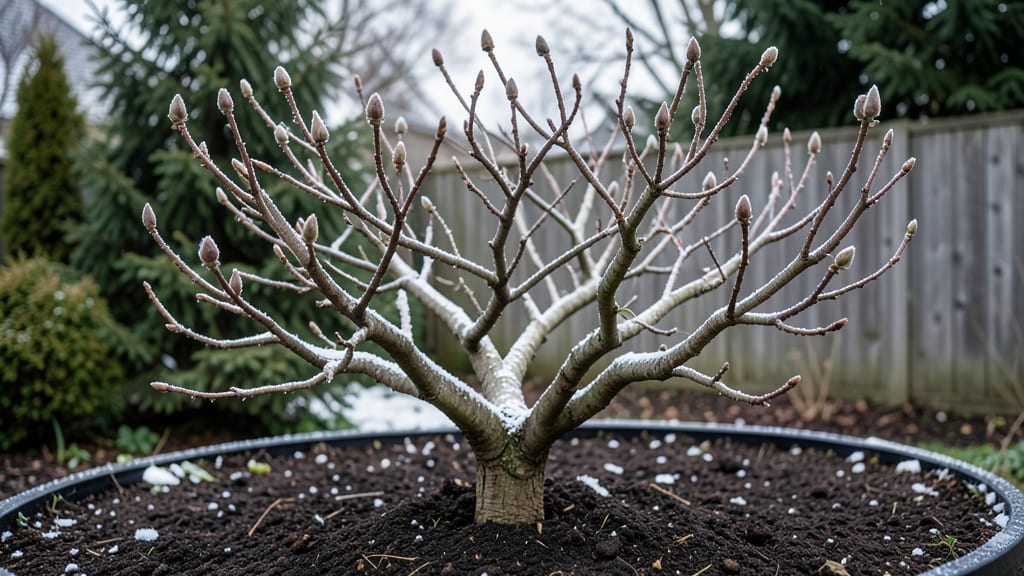
Tree peonies in winter aren’t just surviving—they’re recharging for next year’s showstopping blooms. 🌿 I’ve watched mine go from bare branches to lush, bud-laden stems by spring, and the secret lies in how you treat them now.
Most gardeners overlook winter care, but this is when you set the stage for bold, healthy blooms that’ll make your neighbors green with envy.
The good news? Tree peonies are tough—hardy down to zone 4—but they still need a little help. Start by cutting back last year’s stems to 4-6 inches above the ground after the first hard frost.
Then, pile on 3-4 inches of mulch to insulate the roots and keep moisture locked in. This isn’t just winter prep; it’s a foolproof way to wake up stronger growth in spring.
What you’ll end up with is a plant that bursts into bloom 2-3 weeks earlier than neglected peonies, with flowers that last weeks longer and stand up to rain and wind.
The key is protecting the crown while letting the soil breathe—no suffocating layers or soggy roots. By spring, you’ll see fresh green shoots pushing through, ready to reward your winter efforts.
Works for both new and established plants, whether you’re in a cold climate or a milder zone with occasional frost. The same principles apply—just adjust timing based on your first freeze. Let’s get those peonies prepped for their next grand performance.
📚 In This Guide
- What you need
- Instructions
- Tips and common mistakes
- Wrapping up and next steps
What you need
- ● Pruning shears or loppers – Sharp, clean, and sterilized (alcohol or bleach wipe) to prevent disease. Size: 6-8" blades for small branches, 10-12" for thicker stems.
- ● Disinfectant solution – 1 part bleach to 9 parts water (or 70% isopropyl alcohol) for tool sterilization between cuts.
- ● Garden gloves – Heavy-duty, cut-resistant gloves (e.g., Fellex or Wolverine) to protect hands from thorns and sap.
- ○ Pruning sealant (optional but helpful) – Wound dressing like Tanglefoot Tree Wound Pruning Sealer to coat large cuts (over ½" thick).
- ● Mulch – 2-3 inches of organic mulch (e.g., straw, shredded bark, or pine needles) to insulate roots.
- ● Burlap or frost cloth – Lightweight, breathable fabric (4’x6’ sheet) to wrap delicate buds if temps drop below 10°F (-12°C).
- ● Stakes or twine – For securing frost cloth around the plant (if needed).
- ● Handheld leaf blower – To clear fallen leaves/debris from the base (reduces rot risk).
- ● Thermometer – Soil or air thermometer to monitor winter lows (aim to avoid prolonged below 5°F (-15°C)).
- ● Slow-release fertilizer – ¼ cup of 10-10-10 or balanced organic fertilizer (apply in early spring, not winter!).
- ● Pruning saw – For any stubborn, thick branches (rare for tree peonies but useful for hybrid varieties).
Step-by-Step winter care for tree peonies
Winter prep transforms next year's blooms—here's how to protect your tree peonies.
⏰ Step 1: Time Your First Pruning After Leaf Drop
Wait until after the first hard frost when leaves have fully browned and fallen—but before the ground freezes. This usually falls in late fall to early winter, depending on your climate zone. Cut back the stems to 2-3 inches above the ground using sharp, clean pruners. This prevents disease and pests from hiding in old foliage while leaving enough stem to protect the buds.
Here's the thing—I always mark my pruning date on the calendar so I don't accidentally cut too early. If you prune before the first frost, new shoots might sprout, only to get killed by cold. If you wait too long, the stems become brittle and harder to cut cleanly. Aim for when the ground is still workable but the air has chilled.
🌿 Step 2: Apply Mulch for Insulation
Spread a 3-4 inch layer of organic mulch—like shredded leaves, straw, or wood chips—around the base of each plant, keeping it 6 inches away from the trunk. This mulch acts like a cozy blanket, protecting the roots from extreme temperature swings. I like to use the 4 bags of shredded leaves I've saved from my yard work, as they break down slowly and add nutrients.
Don't pile mulch directly against the trunk, or you'll create a damp, rot-prone environment. Instead, create a slight mound that slopes away from the center. This also helps prevent soil compaction from heavy snow or rain. Check the mulch in early spring—if it's broken down significantly, add a top-up before new growth starts.
☀️ Step 3: Protect from Winter Sun and Wind
Tree peonies need shelter from winter sunburn and drying winds. If your plants are exposed, consider wrapping the canes in burlap or frost cloth after pruning. Secure it loosely with twine or plant ties—tight wraps can damage the bark. For extra protection in harsh climates, build a low windbreak using branches or a temporary fence on the north and west sides of the plant.
Real talk: I've seen peony canes scorch from winter sun, looking like they've been sunburned. The damage weakens the plant and reduces next year's blooms. If you're in Zone 5 or colder, this step is non-negotiable. Even in milder zones, a little extra protection ensures stronger stems for next season's flowers.
💧 Step 4: Monitor Moisture Without Overwatering
Winter watering is tricky—you don't want to drown the roots, but you also don't want them to dry out completely. Check the soil once a month during dry spells. If the top 2 inches feel dry, give the plant a slow, deep watering at the base. This keeps the roots hydrated without encouraging rot. I use a soaker hose set to a gentle flow to avoid disturbing the mulch.
Overwatering in winter is a common mistake—wet soil freezes more easily, damaging roots. If your area gets heavy snow, let it melt naturally before watering. The snow provides natural insulation and moisture release. In drought-prone winters, a single deep watering every 4-6 weeks is usually enough.
✂️ Step 5: Plan Early Spring Cleanup
Mark your calendar for late winter, just before buds begin to swell. This is when you'll remove any remaining mulch and check for mold, pests, or damaged canes. Prune out any dead or diseased stems with sterilized shears. Healthy canes should look firm and brown, not mushy or hollow. I always set aside a small bucket of rubbing alcohol to wipe down my pruners between cuts—this prevents spreading disease.
This is the moment that matters: if you see green shoots peeking through the soil, wait to prune until they're at least 2 inches tall. Early pruning can remove next year's blooms. Once you've cleaned up, add a thin layer of fresh mulch to protect emerging shoots from late frosts.
Tips & tricks for perfect winter tree peony care
These simple strategies will help you avoid common mistakes and ensure your tree peonies thrive after winter.
Timing is Everything: In Step 1, when you're pruning after the first hard frost, look for the perfect moment when leaves are fully brown but haven't yet fallen. This usually happens in late fall—check your local frost dates to plan ahead. I always test the ground's workability by pressing my finger into the soil; if it's still soft, it's time to prune. The 2-3 inch cut height is crucial—any shorter risks exposing the buds to cold, while anything taller leaves too much stem for pests to hide in.
Mulch Like a Pro: For Step 2, focus on creating that 3-4 inch layer of organic mulch, but don't forget to fluff it occasionally throughout winter. I've found that mulch breaks down faster than expected—check it in early spring and add more if it's compacted. If you're using shredded leaves (like my 4 bags), mix in a little compost to boost nutrients. For extra insulation in cold climates, top with a thin layer of straw before heavy snowfall to prevent compaction.
Sunburn Prevention: In Step 3, if your peonies are in exposed areas, consider using frost cloth instead of burlap—it's lighter and allows some light penetration while still protecting from wind. I've seen dramatic improvements in stem health by adding a windbreak on the north and west sides only (south and east get morning sun, which is actually beneficial). For Zone 5 gardeners, this step makes all the difference between weak stems and robust blooms next season.
Watering Wisdom: Step 4's once-monthly check is perfect, but I've learned to adjust based on snow cover. In areas with heavy snow, you might not need any supplemental watering at all—the natural melt provides just the right moisture. When you do water, use the soaker hose method to avoid disturbing the mulch mound. The key is keeping that top 2 inches moist without creating soggy conditions that freeze and damage roots.
Pro Tips for Tree Peony In Winter
- These simple strategies will help you avoid common mistakes and ensure your tree peonies thrive after winter.
- Timing is Everything: In Step 1, when you're pruning after the first hard frost, look for the perfect moment when leaves are fully brown but haven't yet fallen.
- Mulch Like a Pro: For Step 2, focus on creating that 3-4 inch layer of organic mulch, but don't forget to fluff it occasionally throughout winter.
Frequently asked questions
Got questions about keeping your tree peony thriving during winter? You’re not alone! Here are some of the most common queries—plus clear, actionable answers to help you prep for next year’s stunning blooms.
Do tree peonies need pruning in winter?
Yes! Winter is the perfect time to prune tree peonies—after the leaves fall but before new growth starts (typically late winter to early spring). Trim back dead or weak stems to just above a healthy bud or node. This boosts airflow, reduces disease risk, and directs energy toward stronger blooms next season. Pro tip: Use clean, sharp pruners to avoid tearing bark.
How cold can tree peonies tolerate?
Tree peonies are hardy and can handle temperatures as low as -20°F (-29°C) in most zones (3–8). However, young plants or those in exposed areas may need extra protection, like a thick layer of mulch (4–6 inches) or burlap wraps for extreme cold snaps. Bonus: Their woody stems act like natural insulation, shielding the roots!
What if my tree peony’s buds don’t open in spring?
Don’t panic! Buds may stay dormant due to immature plants, late pruning, or insufficient sunlight. Wait until late spring—buds often open 2–3 weeks after leaves emerge. If the plant is healthy but still struggling, check for root rot (soggy soil) or aphids (sticky leaves). Patience pays off!
Can I move a tree peony in winter?
Winter is a great time to transplant tree peonies—just avoid freezing ground or active growth periods. Dig up the root ball (keep it intact!), replant in a sunny spot with well-draining soil, and water thoroughly. Timing tip: Late fall (after leaf drop) or early spring (before buds swell) are ideal. Mulch heavily post-transplant to protect roots.
Are there winter alternatives if I don’t have tree peonies?
For winter interest, pair tree peonies with ornamental grasses (like Miscanthus), evergreens (Pine or Boxwood), or winter-flowering shrubs such as Witch Hazel or Hellebores. These add texture, color, and structure when peonies are dormant. Design hack: Use bark mulch in shades of gray or brown for a cohesive look!
What’s the fastest way to revive a struggling tree peony?
Start with a soil check: Amend heavy clay with compost or sand, and ensure good drainage. Fertilize lightly in early spring with a balanced 10-10-10 formula. Prune out dead wood, and water deeply during dry spells. If pests (like Japanese beetles) are the issue, apply neem oil as a natural remedy. Consistency is key!
Wrapping up and next steps
Winter is the perfect time to nurture your tree peony’s potential—pruning, mulching, and protection now set the stage for show-stopping blooms next spring! 🌸 By following these steps, you’re not just trimming branches; you’re investing in a healthier, more vibrant plant.
Ready to see the fruits of your labor? Start with a single task this weekend—whether it’s pruning, inspecting for pests, or adding mulch—and watch your tree peony thrive.
Your winter prep work will pay off in big, bold blooms—so roll up your sleeves and give your tree peony the care it deserves! 🌿