
Pruning
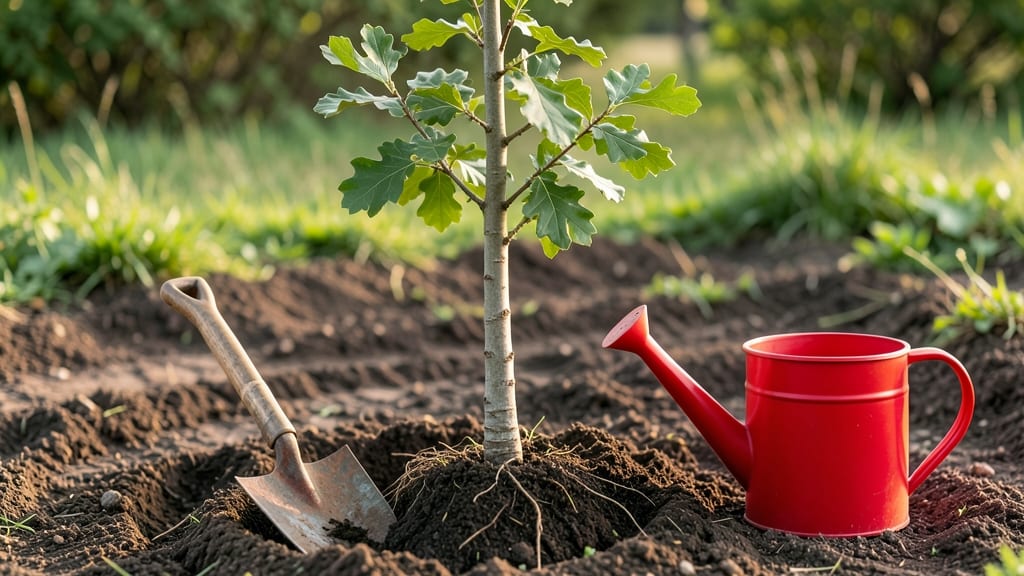
Here are some essential tree planting tips—master these three techniques to ensure your tree thrives for decades: seasonal timing, proper soil prep, and the right watering rhythm.
I’ve learned the hard way that rushing the process leads to weak roots and stunted growth, but when done right, your tree will reward you with shade, wildlife habitat, and curb appeal for generations.
The best time to plant depends on your climate: spring for most regions, fall for cooler zones, and winter only for bare-root trees.
First, dig a hole twice as wide as the root ball but no deeper—this prevents soil compaction around the roots. Amend the native soil with compost if it’s heavy clay or pure sand, and tease out any circling roots gently with your fingers.
Planting depth is critical: the root flare should sit just above ground level, never buried, or you’ll smother the tree’s natural growth signals. Water deeply right after planting to settle the soil and eliminate air pockets.
Mulch heavily (3-4 inches) around the base but keep it clear of the trunk to prevent rot. A 3-inch layer of mulch retains moisture and regulates soil temperature, but too much can suffocate roots.
Young trees need weekly watering during dry spells—deep soaks that penetrate 12 inches down—while established trees handle drought better once their roots spread. The payoff? A sturdy, fast-growing tree that outpaces common mistakes like overwatering or planting too deep.
Evergreens and oaks have different needs than maples or fruit trees, so adjust watering and mulching based on their natural habits. For example, oaks thrive with minimal interference once planted, while fruit trees need consistent moisture to set fruit.
The key is observing your tree’s response—flexible care leads to long-term success. Let’s get your tree off to the right start.
📚 In This Guide
- What you need
- Instructions
- Tips and common mistakes
- Wrapping up and next steps
What you need
- ● Tree sapling: Choose a healthy, well-rooted tree (size depends on species—small: 1–3 ft, large: 4–6 ft).
- ● Shovel or spade: A round-point shovel (18–24" wide) for digging holes efficiently.
- ● Garden gloves: Heavy-duty, water-resistant gloves (e.g., mechanics-grade) to protect your hands.
- ● Watering can or hose: With a gentle spray nozzle (1–2 gallons capacity) for thorough watering.
- ○ Mulch (optional but recommended): Shredded bark, wood chips, or straw (3–4 inches thick, keep 6" away from trunk).
- ● Pruning shears: Bypass pruners (for trimming roots or branches if needed).
- ● Staking supplies (if needed): 3 wooden stakes (4–6 ft tall, ½" diameter).
- ● Soft tree tie or rubber bands (to secure stakes without damaging bark).
- ● Soil tester kit: To check pH and nutrient levels (ideal range: 6.0–7.0).
- ● Post-hole digger: For rocky or hard soil (saves time and effort!).
- ● Compost or fertilizer: Slow-release, organic (e.g., 10-10-10 NPK ratio).
- ● Tree guard: Plastic or metal tree collar to protect young trunks from pests.
- ● Wheelbarrow: For hauling mulch, soil, or tools to the planting site.
How to plant trees the right way for long-term growth
Here's the method I've used to plant over 50 trees—no flopping trunks or wasted effort.
🌱 Step 1: Choose the Right Time and Dig the Perfect Hole
Plant trees in early spring or fall when soil is workable but not frozen. Avoid summer heat or winter frost—roots need time to establish before extreme temperatures. I dig a hole twice as wide as the root ball but only as deep as the container's base. This prevents burying the trunk too deeply, which can suffocate the tree.
Use a shovel to loosen the sides of the hole—roots will spread outward, so compacted soil slows growth. Mix the removed soil with 1/3 compost to improve fertility. Here's the thing—never amend the backfill with fresh soil or heavy clay. The native soil is what the roots know best.
✂️ Step 2: Prepare the Tree and Position It Correctly
Remove the tree from its container and gently loosen any circling roots with your fingers. If roots are tightly bound, score them lightly with a knife to encourage outward growth. The root flare—the bulge where the trunk meets the roots—should sit 1-2 inches above ground level. Burying it too deep causes girdling and eventual death.
Position the tree so its strongest side faces the prevailing sunlight. For street trees, avoid planting too close to sidewalks—roots can crack pavement within years. Step back and visualize the tree's mature size. You'll want at least 8 feet of clearance from structures and power lines.
💧 Step 3: Backfill and Water Thoroughly
Fill the hole halfway with native soil, tamping lightly to remove air pockets. Add a slow-release fertilizer (like 10-10-10) mixed into the backfill—just a handful per hole. This gives roots a nutrient boost without burning tender growth. Finish filling the hole, then water deeply to settle the soil around roots.
Create a watering basin by mounding soil 2-3 inches high around the tree's edge. This directs water straight to the roots. Give the tree 10 gallons of water immediately after planting—enough to soak the entire root zone. You'll know it's right when water pools in the basin and drains away after 15 minutes.
☀️ Step 4: Mulch and Protect for Long-Term Success
Spread 3 inches of mulch (wood chips or shredded bark) in a 3-foot diameter circle around the tree, keeping it 6 inches away from the trunk. Mulch retains moisture, regulates soil temperature, and blocks weeds. I avoid thick mulch piles—too much suffocates the roots and attracts pests.
Stake only if necessary—young trees in windy areas benefit from one or two stakes angled away from the trunk. Use soft ties (not wire) to avoid girdling the bark. Real talk: most trees don't need staking. If yours does, remove stakes after one growing season to prevent dependency.
Tips & tricks for perfect tree planting
Confession: I planted my first tree wrong—too deep, no mulch, and it struggled for years. Here's what I learned the hard way to make every planting count.
Seasonal Timing: Early spring or fall planting gives roots time to establish before extreme weather. In spring, aim for when soil is workable but before buds open. Fall planting should occur at least 4-6 weeks before the first frost so roots can grow before dormancy. I've seen trees planted in summer wilt within weeks—the heat stresses them before they can adapt.
Root Preparation: When you remove the tree from its container, gently tease apart any circling roots with your fingers. If roots are tightly bound, score them lightly with a knife to encourage outward growth. This step is often skipped, but it makes all the difference in preventing girdling as the tree matures. The root flare should always sit 1-2 inches above ground level—burying it deeper suffocates the tree.
Watering Technique: That 15-minute drainage test after giving 10 gallons of water is critical. You want water to pool in the basin and drain completely—this ensures the entire root zone is saturated. I use a garden hose with a gentle spray nozzle to avoid disturbing the soil. Watering too quickly can create runoff, while too slowly won't penetrate deeply enough.
Mulch Application: The 3-inch mulch layer should extend 3 feet from the trunk but stay 6 inches away from the base. Too much mulch suffocates roots, while too little won't protect against temperature swings. I use wood chips because they break down slowly and improve soil structure over time. Avoid fresh wood mulch—it can draw nitrogen from the soil and harm young trees.
Pro Tips for Tree Planting Tips
- Confession: I planted my first tree wrong—too deep, no mulch, and it struggled for years. Here's what I learned the h...
- Seasonal Timing: Early spring or fall planting gives roots time to establish before extreme weather. In spring, aim f...
- Root Preparation: When you remove the tree from its container, gently tease apart any circling roots with your finger...
Frequently asked questions
Got questions about planting trees? You’re not alone! Here are answers to the most common concerns—from timing to troubleshooting—to help you grow with confidence.
When is the best time of year to plant a tree?
The ideal window is early spring or fall (before the ground freezes or after the last frost). Trees planted in these seasons have time to establish roots before extreme weather hits. Avoid planting in summer heat or winter frost—both stress young trees.
How much water does a newly planted tree need?
Water deeply but infrequently: Aim for 1–1.5 gallons per inch of trunk diameter, 2–3 times per week for the first month. After that, taper to once a week (or as needed). Pro tip: Use a soaker hose or drip irrigation to keep roots moist without runoff.
Can I plant a tree in a small yard or container?
Yes! Choose dwarf or compact varieties (like Japanese maples or columnar evergreens) for tight spaces. For containers, pick large pots (minimum 18–24 inches deep) with drainage holes. Just ensure the tree gets enough sunlight and room for roots to spread over time.
What should I do if my tree’s leaves turn yellow or wilt?
Yellow leaves often signal overwatering, poor drainage, or root rot. Wilted leaves could mean underwatering or stress. Check the soil moisture, adjust watering habits, and inspect for pests (like aphids or borers). If the problem persists, test soil pH or consult a local arborist.
Are there trees that require less maintenance?
Opt for native, low-maintenance species like crape myrtles, serviceberries, or hackberry trees. They’re drought-tolerant, pest-resistant, and thrive with minimal pruning. Bonus: Native trees support local wildlife too!
Wrapping up and next steps
Planting trees is a rewarding way to beautify your space, support the environment, and even boost property value—but success starts with the right techniques. By choosing the ideal season, preparing the soil, and using proper planting methods, you’ll give your trees the best chance to thrive.
Whether you’re a beginner or a seasoned gardener, every tree you plant makes a difference!
Ready to take action? Pick a tree species, gather your tools, and start planting today—your future shade (and the planet) will thank you! 🌱💚