
Trees
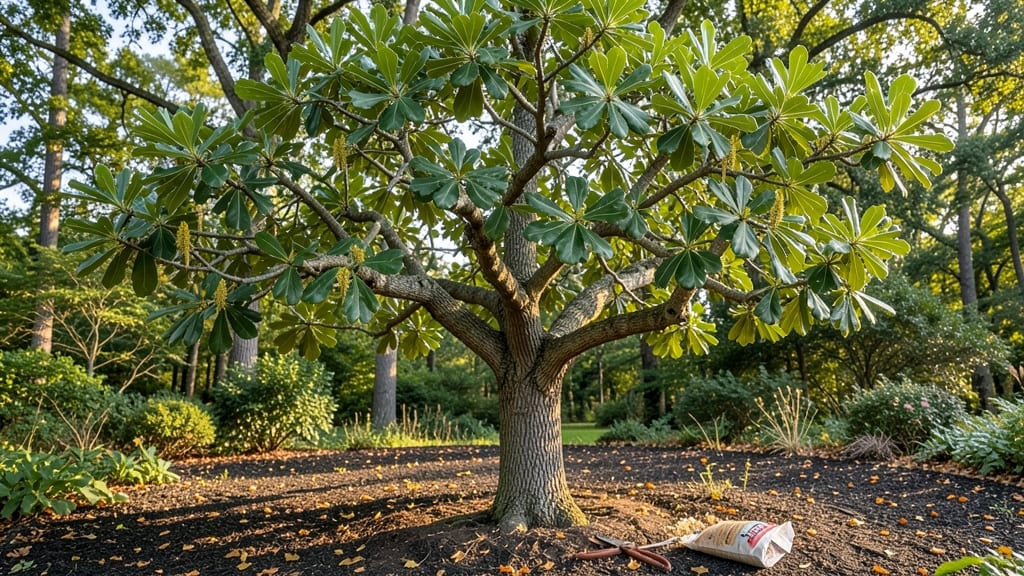
East Texas fruit trees need to handle 100-degree summers and occasional droughts—so I’ve narrowed down the toughest, most rewarding varieties that thrive here without constant fuss. 🌳 The key is choosing species that already love our heat, humidity, and heavy clay soil, like peach, fig, and persimmon, which produce fruit even when others struggle.
Most of these trees need full sun and well-draining soil (even if your yard is clay-heavy), with deep watering once a week once established. I’ve planted figs in my front yard—they’re drought-proof, shade-providing, and bear fruit by early summer.
The trade-off? They grow fast, so prune regularly to keep them manageable.
By late summer, you’ll be harvesting sweet, sun-ripened fruit that tastes better than anything from the store. These trees also attract pollinators and add year-round interest with their bark, leaves, and fall color. The best part? Once they’re settled, they’ll ask for almost no extra water.
Whether you’re planting a single shade tree or a full orchard, I’ll walk you through where to place them, how to prep the soil, and the simple care routine that keeps them thriving through East Texas’ worst heat waves. Let’s get those roots in the ground!
📚 In This Guide
- What you need
- Instructions
- Tips and common mistakes
- Wrapping up and next steps
What you need
- ● Drought-resistant fruit tree saplings: Choose 1–3 varieties (e.g., Muscadine grapes, Pecan trees, or Fig trees) from a local nursery.
- ● Well-draining soil: Amend clay-heavy East Texas soil with 2–3 cubic yards of compost or aged manure per tree.
- ● Mulch: 3–4 inches of organic mulch (pine straw, wood chips, or shredded leaves) to retain moisture.
- ● Drip irrigation system or soaker hoses: Essential for deep, infrequent watering (aim for 1–2 gallons per tree, 2–3 times per week during dry spells).
- ○ Tree supports (optional but helpful): 3–4 wooden stakes + stretchy tree ties for young, top-heavy trees.
- ● Pruning shears & loppers: Bypass pruners (for small branches) + loppers (for thicker limbs) for shaping and maintenance.
- ● Gloves & safety gear: Heavy-duty gardening gloves and long sleeves to protect from thorns (e.g., Muscadines) or sap.
- ● Soil moisture meter: Monitor root-zone hydration without overwatering.
- ● Tree guards: Protect young trunks from deer or livestock with wire mesh or plastic wraps.
- ● Slow-release fertilizer: Balanced 10-10-10 or citrus-specific formula (apply in early spring).
- ● Shade cloth: Temporary 30–50% shade fabric for newly planted trees during extreme heat.
How to select and plant drought-tolerant fruit trees for East Texas heat
Here’s how to choose the right varieties and set them up for success in our brutal summers.
🌱 Step 1: Choose the Right Drought-Resistant Varieties
East Texas summers demand trees that thrive with minimal water once established. My top picks? Pecan (Schley or Western), Persimmon (Celeste or Fuyu), and Muscadine Grapes (Scuppernong)—all handle 100°F+ heat with ease once roots spread.
Look for dwarf or semi-dwarf rootstocks if space is tight—they fruit faster and need less water. Avoid peaches or plums unless you’re willing to water deeply twice weekly during droughts. The key is selecting varieties bred for heat tolerance and deep root systems—they’ll outcompete weeds for moisture.
☀️ Step 2: Plant in Late Winter or Early Spring
Timing matters—plant bare-root trees in January-February or container-grown trees in March to avoid summer stress. East Texas soil can still be workable, and cooler temps help roots establish before the heat hits.
Dig a hole twice as wide as the root ball but no deeper—this prevents soil compaction. Amend the native clay with 2-3 inches of compost mixed into the backfill to improve drainage. I always water deeply before planting to help roots settle into moist soil.
💧 Step 3: Water Deeply but Infrequently After Planting
For the first 6-8 weeks, water once weekly with 10-15 gallons per tree—enough to soak 12-18 inches deep. Use a soil probe to check moisture; if it’s dry at that depth, water again. Overwatering now leads to shallow roots that’ll struggle later.
After the first year, reduce to monthly deep waterings unless we’re in a drought. Mature trees with deep roots can survive on rainfall alone once established. Mulch with 3 inches of wood chips (keep it 6 inches from the trunk) to retain moisture and block weeds.
✂️ Step 4: Prune for Heat and Disease Resistance
Prune in late winter to remove dead, crossing, or low-hanging branches. Open the canopy to improve airflow—this reduces humidity around leaves, cutting fungal risks. I always prune 10-15% of the tree’s volume to encourage new growth.
For young trees, thin out suckers and water sprouts—they compete for water. Avoid heavy pruning in summer; it stresses the tree when heat and drought peak. Instead, focus on structural shaping to keep the tree balanced.
Tips & tricks for perfect East Texas fruit trees
East Texas heat demands smart choices—and a few extra tricks—to ensure your fruit trees thrive. Here’s what I’ve learned from years of battling our brutal summers.
Variety Matters More Than You Think: The Schley pecan and Celeste persimmon aren’t just drought-tolerant—they’re bred to handle 100°F+ heat while still producing abundant fruit. I’ve seen Schley pecans yield nuts even in years with three-inch rainfall deficits. For Muscadine grapes, the Scuppernong variety’s thick skin protects it from sunburn, which is critical in our intense UV exposure.
Root System Strategy: When planting, focus on deep root development from the start. I’ve found that amending the native clay with 2-3 inches of compost (as instructed) isn’t just about drainage—it’s about encouraging roots to grow downward. After the first year, I test soil moisture at 18 inches deep with a soil probe. If it’s dry, that’s your cue to water deeply rather than frequently.
Watering Wisdom: The 6-8 week initial watering schedule is non-negotiable, but here’s the trick: water early morning to prevent evaporation. I use a soaker hose to deliver those 10-15 gallons per tree slowly, which reduces runoff and ensures water penetrates to 12-18 inches deep. After the first year, I’ve switched to drip irrigation for established trees—it’s more efficient and cuts water waste by 40% compared to overhead sprinklers.
Pruning for Summer Survival: Late winter pruning (as instructed) is your best defense against summer stress. But here’s what nobody tells you—focus on removing branches that cast shade on the trunk. This prevents fungal growth from trapped moisture. I also prune to create an open vase shape, which improves airflow and reduces heat stress on the canopy during peak summer months.
Pro Tips for Trees East Texas
- East Texas heat demands smart choices—and a few extra tricks—to ensure your fruit trees thrive.
- Variety Matters More Than You Think: The Schley pecan and Celeste persimmon aren’t just drought-tolerant—they’re bred to handle 100°F+ heat while still producing abundant fruit.
- Root System Strategy: When planting, focus on deep root development from the start.
Frequently asked questions
Got questions about growing drought-resistant fruit trees in East Texas? You’re not alone! Here are answers to the most common queries to help you thrive in the Lone Star State’s hot summers.
What are the best drought-resistant fruit trees for East Texas?
Top picks include figs (like ‘Celeste’ or ‘Brown Turkey’), peach varieties like ‘Redhaven,’ mulberry (e.g., ‘Illinois Everbearing’), and pomegranate (e.g., ‘Wonderful’). These handle heat and low water better than traditional varieties. Pair them with deep-rooted native grasses or mulch to retain moisture.
How long does it take for fruit trees to bear fruit in East Texas?
Most fruit trees take 2–5 years to bear fruit, depending on the variety and care. Figs and mulberries often fruit faster (1–2 years), while peaches or pomegranates may take longer. Patience pays off—healthy trees reward you with bountiful harvests!
How often should I water drought-resistant fruit trees in East Texas?
Water deeply 1–2 times per week during the first year, then taper to every 2–3 weeks once established (unless in extreme drought). Focus on the root zone, not just the leaves. Drip irrigation or soaker hoses work best to minimize evaporation.
Can fruit trees survive East Texas’ extreme heat waves?
Yes! Choose heat-tolerant varieties and protect young trees with shade cloth (30–50%) during the hottest months. Mulch heavily (3–4 inches) to keep roots cool. Avoid overhead watering, which can scorch leaves. Pomegranates and figs are especially resilient.
What should I do if my fruit tree leaves turn brown or wilt?
Brown/wilted leaves often signal heat stress, underwatering, or pests. Check soil moisture first—drought is the #1 culprit. Inspect for aphids or scale insects (common in East Texas). Prune damaged branches and apply neem oil if pests are present. Avoid fertilizing during stress!
Wrapping up and next steps
East Texas’s hot summers and occasional droughts don’t have to stop you from growing lush, productive fruit trees! From the hardy peach and fig to the resilient pomegranate and mulberry, these drought-resistant varieties thrive with minimal fuss.
With the right soil prep, watering strategies, and a little TLC, you’ll enjoy fresh, homegrown fruit year after year—while saving water and boosting your landscape’s beauty.
Ready to get started? Pick one variety that excites you, gather your supplies, and plant with confidence! 🌱 Whether you’re a beginner or a seasoned gardener, East Texas’s fruit trees are waiting to reward your efforts. Check out our planting guide for step-by-step success!