
Pruning
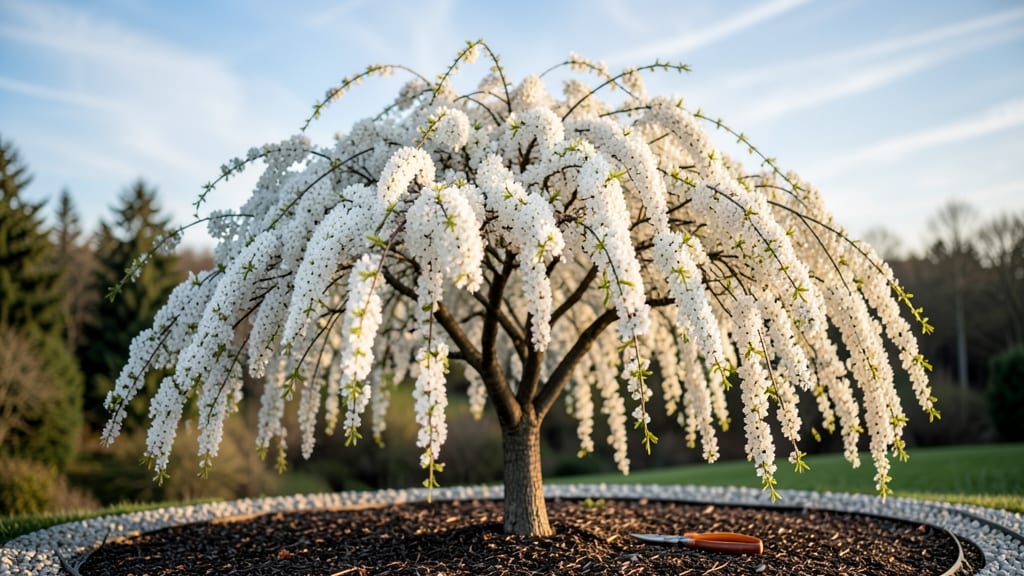
White weeping cherry trees transform any yard into a dreamy springtime scene, but their graceful branches need the right winter care to thrive. 🌸 I learned the hard way that pruning too late or ignoring soil prep can turn a stunning tree into a leggy mess—here’s how to set yours up for showstopping blooms next season.
The secret starts with planting in full sun and well-draining soil—these trees hate soggy roots. After that, winter’s your chance to shape the canopy by removing dead wood and thinning crowded branches.
Just avoid heavy pruning in late winter, when new growth is still vulnerable to frost. A light trim in early spring keeps the weeping habit lush without shocking the tree.
By spring, you’ll see snow-white blossoms cascading like lace, followed by glossy green foliage that turns fiery in fall. The key is patience—these trees mature slowly but reward you with decades of drama. Even in small yards, their graceful silhouette softens hard edges while attracting pollinators.
Works beautifully in USDA Zones 5-8, though colder climates need winter mulch protection. Whether you’re planting a sapling or tending an established tree, these steps keep it healthy year-round. Let’s get that dormant season prep right!
📚 In This Guide
- What you need
- Instructions
- Tips and common mistakes
- Wrapping up and next steps
What you need
- ● Pruning shears: Bypass pruners (sharp, 6–8" blades) for small branches.
- ● Loppers: 1 pair (10–14" blades) for thicker branches (½–1.5" diameter).
- ● Pruning saw: 1 curved-tooth saw (for branches >1.5" diameter).
- ● Disinfectant: 70% isopropyl alcohol or 10% bleach solution (1 part bleach to 9 parts water) to sterilize tools.
- ● Gloves: Heavy-duty, cut-resistant gloves (gardening or pruning-specific).
- ○ Pruning sealant: Optional but recommended for large cuts (>½") to prevent disease (e.g., Tanglefoot Tree Wound Pruning Seal).
- ● Ladder or step stool: Sturdy, extendable (if tree exceeds 6–8' tall).
- ● Trash bags: 2–3 heavy-duty bags (20–30 gallon) for debris.
- ● Notebook & pen: To sketch your pruning plan or note cuts.
- ● Safety goggles: Protects eyes from debris (e.g., DeWalt Safety Glasses).
- ○ Pole saw: Optional for high branches (12–16' reach).
- ○ Extension cord & string trimmer: Optional for clearing thick ground debris.
- ● Work vest or apron: Keeps tools organized and hands free.
- ● Timing: Prune during late winter or early spring (before buds swell, ideally in USDA Zones 5–9).
- ● Weather: Choose a dry, calm day (avoid frost or rain within 24 hours).
- ● Tree health check: Inspect for diseases (e.g., powdery mildew) or pests before pruning.
- ● Local regulations: Check if your area requires permits for tree work.
Step-by-step instructions for pruning and preparing a weeping cherry tree for winter
Here's how I transform bare branches into a stunning winter framework—no guesswork, just structure.
✂️ Step 1: Remove Dead or Damaged Wood First
Start by inspecting the entire tree for branches that are brown and brittle or show signs of disease like oozing sap or fungal growth. These are your first targets—they won't regrow and only compete with healthy wood for energy. I use sharp pruning shears to make clean cuts at a 45-degree angle, about 1/4 inch above a healthy bud or branch collar.
Don't worry if you miss a few—weeping cherries are forgiving. The key is to work methodically from the bottom up. If you find a branch that's completely dead (no green tissue inside when you cut), remove it entirely. These dead branches can harbor pests over winter.
🌿 Step 2: Thin the Canopy for Airflow
Weeping cherries need good airflow to prevent fungal issues like powdery mildew. Look for branches that cross each other or grow inward—they'll rub and create wounds. Remove about 20-30% of the total branches, focusing on those that are thinner than a pencil or growing straight up instead of cascading.
I like to step back every few cuts to visualize the tree's shape. You want to maintain that graceful, weeping silhouette while opening up the center. If you're unsure which branch to remove, ask yourself: "Does this branch contribute to the overall form?" If not, it's likely a candidate for pruning.
☀️ Step 3: Shape the Weeping Habit
This is where you'll see the winter structure take shape. Weeping cherries naturally grow downward, but sometimes branches grow too upright or spread outward. For branches that need encouragement to weep, gently bend them downward and secure them with soft plant ties if necessary. For stubborn upward growth, make a small cut just above a downward-facing bud to redirect growth.
Never remove more than 25% of the tree's total branches in one season—this can stress the tree. Focus on creating that elegant, cascading effect by encouraging the lower branches to grow longer than the upper ones. The goal is a tree that looks like it's gently flowing downward, not just a bush with drooping tips.
⏰ Step 4: Clean Up and Protect for Winter
After pruning, rake up all the fallen branches and debris—this prevents pests from overwintering in the yard. I also apply a 2-inch layer of mulch around the base (but not touching the trunk) to insulate roots. For young trees or those in cold climates, wrap the trunk with tree guard to protect against rodent damage and temperature swings.
Here's the thing—weeping cherries bloom on last year's growth, so avoid heavy pruning in late winter if you want spring flowers. If flowers aren't a priority, you can prune more aggressively now. Either way, water deeply before the ground freezes to help roots establish for next season's growth.
Tips & tricks for perfect weeping cherry tree pruning
Transforming your weeping cherry tree into a graceful winter masterpiece takes the right approach—and a few insider tricks. Here's what I've learned after years of shaping these elegant trees.
Tool Selection: Invest in sharp, high-quality pruning shears—they make all the difference. Dull blades tear wood instead of making clean cuts, which can lead to ragged wounds that heal poorly. I also keep a small hand pruner for those hard-to-reach branches. Always clean your tools with rubbing alcohol between cuts to prevent spreading disease from any infected branches you might encounter.
Visualizing the Final Shape: Before making any cuts in Step 2, take a step back and really study your tree's natural growth pattern. Weeping cherries have a tendency to grow downward, but sometimes branches grow too upright. Imagine the tree as a graceful waterfall—each branch should flow downward from the previous one. If you're unsure about a cut, wait and observe how the tree grows over the next few weeks before deciding.
Winter Protection Strategy: For trees in colder climates, consider adding an extra layer of protection around the trunk. Wrap the trunk with tree wrap or even old burlap to shield it from harsh winter winds and temperature swings. This is especially important for young trees that haven't established strong root systems yet. The 2-inch layer of mulch mentioned in Step 4 is crucial, but don't forget to keep it at least 2 inches away from the trunk to prevent moisture buildup that can cause rot.
Seasonal Timing Insight: While winter is ideal for pruning, there's a nuance worth knowing. If your tree is in a particularly cold climate, wait until late winter when the tree is still dormant but just before bud break. This timing gives you the best chance to see the tree's natural structure before new growth begins. The key is to prune when the tree is still in its winter rest but not yet actively growing.
Pro Tips for Weeping Cherry Tree White
- Transforming your weeping cherry tree into a graceful winter masterpiece takes the right approach—and a few insider tricks.
- Tool Selection: Invest in sharp, high-quality pruning shears—they make all the difference.
- Visualizing the Final Shape: Before making any cuts in Step 2, take a step back and really study your tree's natural growth pattern.
Frequently asked questions
Got questions about nurturing your weeping cherry tree white during dormancy? You’re not alone!
Here are the most common concerns—plus clear answers—to help you prune with confidence and set your tree up for stunning spring blooms.
When is the best time to prune a weeping cherry tree in winter?
The ideal window is late winter (just before buds swell) or early spring, while the tree is still dormant. Aim for January to February in most U.S. zones (3–8). Avoid pruning after buds break—this stresses the tree and risks disease. Pro tip: Check your local frost dates to time it perfectly!
Can I prune a weeping cherry tree white if it’s covered in snow or ice?
No—wait until snow and ice melt completely. Pruning frozen branches can cause tears or damage the tree’s structure. If you’re in a heavy-snow zone, prioritize clearing snow gently (never shake branches) to prevent limb breakage. A soft broom or roof rake works best!
How much can I trim back my weeping cherry tree without harming it?
Remove no more than 25–30% of the canopy in a single pruning session. Focus on:
- Dead, crossing, or rubbing branches
- Suckers at the base
- Overly long stems to maintain the weeping shape
What if my weeping cherry tree isn’t blooming after pruning?
Lack of blooms often stems from over-pruning or poor timing. Check these fixes:
- Ensure you pruned before buds swelled (not after spring growth started).
- Fertilize lightly with high-phosphorus fertilizer in early spring.
- Verify sunlight—weeping cherries need 6+ hours of sun daily.
- Watch for pests (like borers) or fungal issues (e.g., powdery mildew).
Are there alternatives to weeping cherry trees for small spaces?
Consider these low-maintenance, compact bloomers:
Tree/Plant
Height at Maturity
Bloom Time
Dwarf Yoshino Cherry (Prunus × yedoensis)
15–25 ft
Early spring (white flowers)
Japanese Snowbell (Styrax japonicus)
15–20 ft
Late spring (fragrant white bells)
Weeping Higan Cherry (Prunus subhirtella ‘Pendula’)
12–15 ft
Winter/early spring (pink-white blooms)
Wrapping up and next steps
The weeping cherry tree white isn’t just a vision of spring—it’s a promise of patience and care. By mastering dormant-season pruning, you’re not just shaping branches; you’re cultivating a living masterpiece that will reward you with graceful, snow-like blooms for years to come. 🌸
Ready to take the next step? Start small: prune just 10-15% of the canopy this winter, then observe how your tree responds. With each season, you’ll grow more confident—and your tree, more stunning. Happy pruning! ✂️