
Pruning
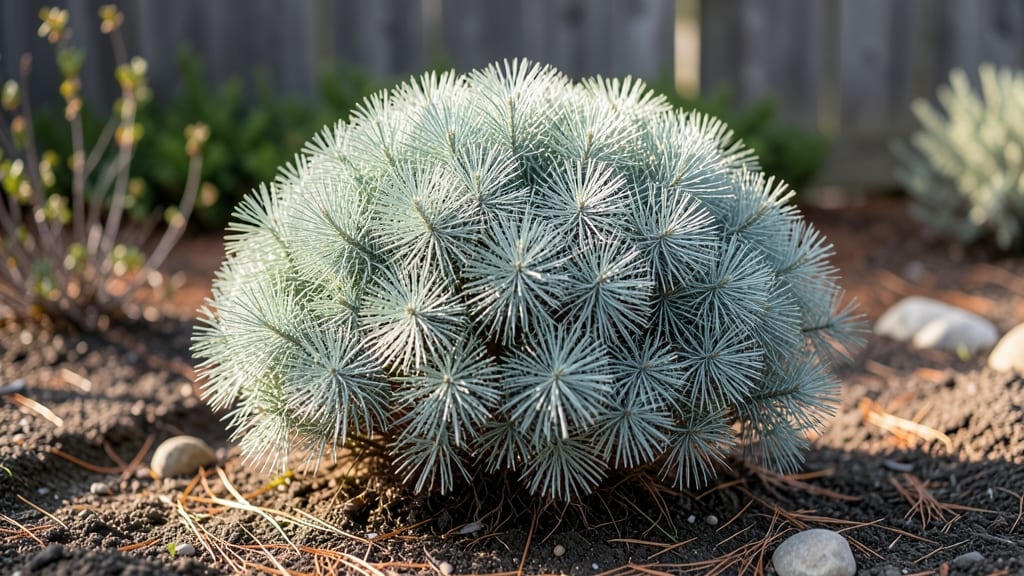
Whipcord arborvitae trees stand out with their striking, airy branches that look like nature’s own sculpture. 🌿 I’ve grown them for years, and their unique shape makes them perfect for adding texture to any landscape—whether as a standalone specimen or as a living privacy screen.
The secret to keeping them looking their best lies in understanding their growth habits and giving them the right care.
These trees thrive in well-drained soil and full sun to partial shade, making them versatile for most yards. Unlike their bushier cousins, whipcord arborvitae need light, strategic pruning to maintain their signature thin, upright form.
Overwatering is their biggest enemy, so let the top inch of soil dry out between waterings, especially in the first year after planting.
With the right care, you’ll end up with a tree that stays lush year-round, its feathery branches swaying elegantly in the breeze. The key is pruning in late winter or early spring, removing only the dead or crossing branches to keep that signature whipcord look.
Once established, they’re low-maintenance and drought-tolerant, making them a gardener’s dream.
Perfect for small spaces, modern landscapes, or as a focal point in a garden bed. Here’s how to keep yours thriving for decades to come—without the fuss.
📚 In This Guide
- What you need
- Instructions
- Tips and common mistakes
- Wrapping up and next steps
What you need
- ● Pruning shears: Bypass pruners (for clean cuts on small branches, 3–6 inches long). Opt for sharp, high-quality shears to avoid tearing.
- ● Loppers: Bypass or anvil loppers (for thicker branches, 8–12 inches long). Look for a comfortable grip and a 2:1 mechanical advantage for easier cutting.
- ○ Hand pruners (optional):strong> For delicate trimming or shaping finer details (e.g., Felco or Corona brands are trusted choices).
- ● Ladder or step stool: Aluminum or fiberglass (extendable if your tree is tall, 6–10 feet). Safety first—ensure it’s stable and rated for your weight.
- ● Gloves: Heavy-duty gardening gloves (nitrile-coated for grip and protection against sap and thorns).
- ● Disinfectant: 70% isopropyl alcohol or a commercial pruning sealant (to sterilize tools between cuts and prevent disease spread).
- ○ Pruning saw (optional): Curved-tooth pruning saw (for branches thicker than 1 inch).
- ● Weather: Choose a cool, overcast day or prune in the early morning to reduce stress on the tree and minimize sap bleeding.
- ● Safety gear: Safety goggles (to protect against debris) and long sleeves/pants (for sap protection).
- ● Cleanup supplies: Heavy-duty trash bags (for debris) and a small broom (to sweep up fallen needles).
- ● Tree health check: Inspect your arborvitae for diseases (e.g., bagworms, blight) or pests before pruning. Treat issues first if needed!
Step-by-step guide to pruning whipcord arborvitae for year-round structure
Mastering this technique transforms your arborvitae into a living sculpture—here’s how to sculpt it with precision.
✂️ Step 1: Time Your Pruning for Optimal Growth
Prune your whipcord arborvitae late winter to early spring, just before new growth begins. This timing ensures you’re shaping the plant when it’s dormant but about to burst into fresh energy. Avoid pruning in fall—new growth won’t harden off before winter, leaving it vulnerable to frost damage.
Look for tight, woody buds along the stems—this is your cue that the plant is ready. If you see green tips emerging, you’ve waited too long. The goal is to encourage dense, upright growth while maintaining that signature whipcord texture. I always mark my calendar for February to early March in my climate zone.
🌿 Step 2: Shape with Precision Cuts for Density
Use sharp, clean pruning shears to make 45-degree cuts just above a leaf node or bud. This angle prevents water from pooling on the cut, which could rot the stem. Whipcord arborvitae thrives on selective pruning—never remove more than one-third of the plant’s total growth in a single session.
Focus on thinning out overcrowded branches from the center of the plant first. These are the branches that compete for sunlight and weaken the structure. You’ll see them as thinner, less vigorous stems compared to the stronger outer growth. Step back frequently to check your progress—this is where the artistry comes in.
☀️ Step 3: Maintain Year-Round Light Exposure
After pruning, ensure the remaining branches receive full sun to partial shade (6+ hours of direct sunlight daily). Whipcord arborvitae grows best when it’s not fighting for light, so avoid planting it in deep shade where branches stretch weakly. If you notice leggy growth or branches leaning toward light, it’s time to adjust its position.
In summer, lightly trim any new growth that disrupts the whipcord texture. Use your fingers or small hand pruners to pinch back soft new shoots to encourage bushier, denser growth. This is the secret to keeping that signature tight, upright form—consistent, gentle maintenance throughout the year.
⏰ Step 4: Fertilize and Mulch for Long-Term Health
Apply a slow-release, balanced fertilizer (10-10-10 ratio) in early spring, just as new growth begins. Whipcord arborvitae responds well to moderate feeding—over-fertilizing leads to weak, floppy growth. Water deeply after fertilizing to help nutrients absorb into the soil.
Spread 2-3 inches of mulch around the base, keeping it 6 inches away from the trunk to prevent rot. This layer retains moisture, regulates soil temperature, and suppresses weeds—critical for maintaining the plant’s health between pruning sessions. Check the mulch annually and refresh it if it breaks down.
🌱 Step 5: Monitor for Pests and Diseases
Inspect your arborvitae monthly for signs of bagworms, spider mites, or fungal diseases like needle blight. Whipcord varieties are generally resilient, but stress from poor pruning or drought can invite pests. If you spot chewed leaves or webbing, treat with neem oil or insecticidal soap—these are organic and effective for arborvitae.
Preventative care is key: water deeply during droughts (when the top 2 inches of soil feel dry) and avoid overhead watering, which can promote fungal growth. A healthy whipcord arborvitae should have vibrant green needles and no yellowing or browning—these are your signals that the plant is thriving.
Tips & tricks for perfect whipcord arborvitae maintenance
Transforming your whipcord arborvitae into a year-round masterpiece takes more than just pruning—it’s about precision timing and strategic care. Here’s how to elevate your results beyond basic maintenance.
Timing is Everything: The late winter to early spring window (February to early March) is non-negotiable for whipcord arborvitae. This dormant-but-ready period lets you shape the plant without triggering fall's vulnerability. I’ve seen arborvitae suffer from late pruning—new growth doesn’t harden off properly, leaving them susceptible to frost damage. Look for those tight, woody buds as your green light to begin. If you miss this window, wait until summer’s light trimming phase, but don’t delay beyond early spring.
Precision Cutting Technique: That 45-degree angle on your cuts isn’t just aesthetics—it’s science. Making cuts just above a leaf node or bud prevents water from pooling on the stem, which could lead to rot. I’ve made this mistake before, and the results were unsightly brown patches that took months to recover. Use sharp, clean pruning shears (dull blades crush stems) and never remove more than one-third of the plant’s growth in a single session. This selective approach maintains the whipcord’s signature density while encouraging healthy regrowth.
Light Management Secrets: After pruning, whipcord arborvitae demands full sun to partial shade (6+ hours daily). The key is avoiding deep shade—this causes leggy growth where branches stretch weakly toward any available light. I’ve had to relocate plants before when they were planted too close to taller trees. In summer, those light trims of new growth are crucial: pinch back soft shoots with your fingers or small hand pruners to maintain that tight, upright form. This consistent maintenance prevents the plant from losing its signature whipcord texture.
Year-Round Health Strategy: That 2-3 inches of mulch (kept 6 inches from the trunk) isn’t just decoration—it’s a moisture regulator and weed suppressor. I check mulch annually because decomposed mulch loses its effectiveness. Pair this with monthly pest inspections (look for chewed leaves or webbing) and you’ll catch issues like bagworms or spider mites early. The secret to vibrant green needles? Deep watering during droughts (top 2 inches of soil dry) and avoiding overhead watering that promotes fungal growth.
Pro Tips for Whipcord Arborvitae Tree
- Transforming your whipcord arborvitae into a year-round masterpiece takes more than just pruning—it’s about precision timing and strategic care.
- Timing is Everything: The late winter to early spring window (February to early March) is non-negotiable for whipcord arborvitae.
- Precision Cutting Technique: That 45-degree angle on your cuts isn’t just aesthetics—it’s science.
Frequently asked questions
Got questions about keeping your whipcord arborvitae looking sharp year-round? You’re not alone! Here are answers to the most common queries—from pruning timing to troubleshooting floppy branches.
When is the best time to prune whipcord arborvitae for that sleek look?
The ideal time is late winter or early spring (before new growth starts). Avoid heavy pruning in fall—it can stress the tree and invite pests. For light shaping, you can trim lightly in summer, but avoid cutting into old wood.
How often should I prune whipcord arborvitae to maintain its whipcord shape?
Prune once a year for maintenance, but adjust as needed. Young trees may need more frequent shaping (every 3–6 months) to encourage dense growth. Mature trees typically hold their shape well with annual trims—just remove no more than 1/3 of the foliage per year.
Why is my whipcord arborvitae growing lopsided or floppy?
Lopsided growth often means uneven light exposure or improper pruning. Check for over-trimming on one side or shading from nearby structures. To fix it, trim opposite sides equally and ensure it gets 6+ hours of sunlight daily. If branches are floppy, they may need staking or support until they harden.
Can I use regular shears, or do I need special tools for whipcord arborvitae?
For thin, precise cuts, use bypass pruners or sharp, high-quality shears—avoid dull tools that crush stems. For larger branches, a hand saw works best. Disinfect tools between cuts to prevent disease spread.
What if I miss a pruning season? Can I still fix it?
Don’t panic! Skip a season? Lightly shape in spring to encourage new growth, but avoid heavy cuts. If you’ve gone multiple years without pruning, focus on gradual thinning to avoid shock. Patience is key—whipcord arborvitae are resilient!
Wrapping up and next steps
The whipcord arborvitae tree is a stunning, low-maintenance evergreen that thrives with the right pruning techniques. By mastering year-round shaping—whether through summer trimming, winter cleanup, or spring revitalization—you’ll unlock its full potential for dense, lush foliage and that coveted whipcord texture. 🌿
Ready to transform your landscape? Start small—pick one season to refine your skills, then gradually expand your approach. With patience and precision, your arborvitae will become the showstopper of your outdoor space!