
Trees
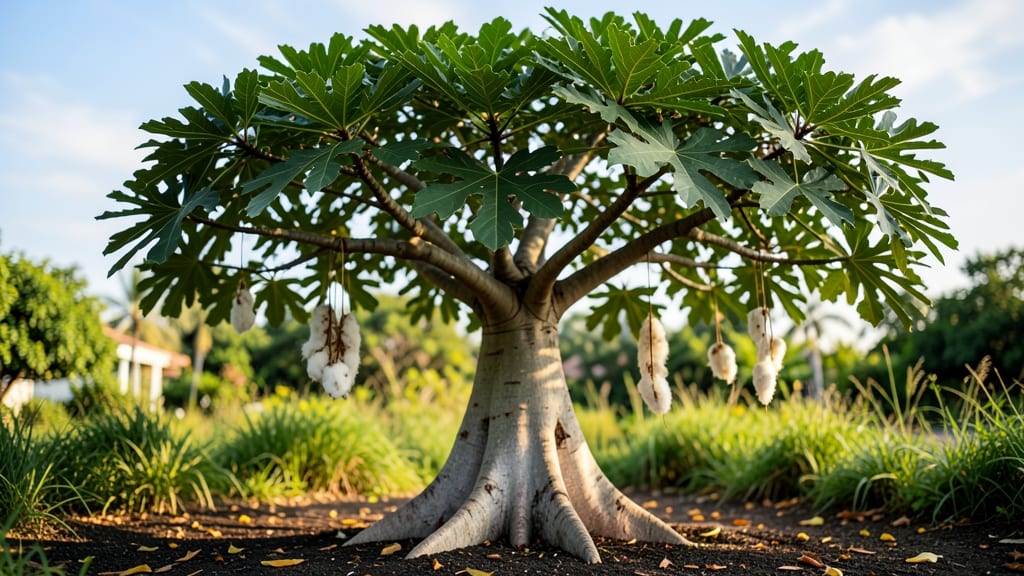
That cloud-like white floss silk tree turns any yard into a dreamy, low-maintenance showstopper. 🌿 I planted mine last spring, and now it’s the first thing neighbors notice—fast-growing, drought-tolerant, and covered in those signature fluffy seed pods year-round.
The secret lies in its adaptability: it thrives in heat, handles poor soil, and barely needs pruning once established.
Start with well-draining soil and full sun—it’s not picky, but it rewards you with 10-15 feet of lushness in just a few years.
Water deeply once a week after planting, then let nature take over; this tree’s roots run deep, making it one of the most resilient shade trees for hot climates. The fluffier the seed pods, the happier your tree—and your curb appeal.
📚 In This Guide
- What you need
- Instructions
- Tips and common mistakes
- Wrapping up and next steps
What you need
- ● Seedlings or seeds: Purchase from a reputable nursery (ensure they’re disease-free). For faster growth, opt for 3–5 gallon container-grown seedlings.
- ● Well-draining soil: Mix 50% native soil with 30% compost and 20% perlite or coarse sand for optimal aeration.
- ● Sunlight: Full sun (6+ hours daily) is a must—partial shade may stunt growth.
- ● Water: A 5-gallon watering can or hose with a gentle spray nozzle for deep hydration.
- ● Fertilizer: Slow-release balanced fertilizer (10-10-10) or organic options like composted manure (apply 2x/year).
- ● Garden trowel or shovel (for planting/digging).
- ● Pruning shears (sterilized with rubbing alcohol).
- ● Gloves (to protect from thorns, if present).
- ○ Mulch (optional but recommended): 2–3 inches of wood chips or straw to retain moisture.
- ● Support stake (for young trees): A 3–4 ft bamboo stake with soft ties.
- ● Climate: USDA Zones 10–11 (hardy to 30°F/-1°C). Cold-sensitive—protect young trees in frost-prone areas!
- ● Space: Minimum 20 ft wide (can reach 50+ ft at maturity).
- ● Patience: Slow to moderate growth—expect 1–2 ft/year in ideal conditions.
Step-by-Step instructions for cultivating a thriving white floss silk tree
Here's how to coax that elegant, low-maintenance tree into your space with confidence.
🌱 Step 1: Choose the Perfect Spot for Light and Airflow
The white floss silk tree thrives in bright, indirect light—think east or west-facing windows where sunlight filters through sheer curtains. Direct afternoon sun can scorch its delicate leaves, so avoid south-facing windows unless you're using a sheer screen. I like to position mine near a window where it gets morning sun and afternoon shade naturally.
This tree also loves airflow, so avoid cramped corners. Place it where air circulates freely—like near an open window or in a room with ceiling fans on low. Poor airflow leads to powdery mildew, which looks like white dust on the leaves. You'll know the spot is right when the leaves stay vibrant and the stems grow sturdy, not leggy.
☀️ Step 2: Water When the Top 2 Inches Feel Dry
Watering is where beginners often go wrong. Stick your finger 2 inches into the soil—if it feels dry, it's time to water. Overwatering is the #1 killer of white floss silk trees, so always use a pot with drainage holes. I use a self-watering cache pot to keep moisture consistent without soggy roots.
When watering, soak the soil until water runs out the drainage holes. Empty the saucer afterward to prevent root rot. You'll notice the leaves perk up immediately after watering—that's your signal you've got it right. In winter, when the air is dry, you might water every 7-10 days, but in summer, it could be 3-5 days depending on your home's humidity.
🪴 Step 3: Repot Every 2-3 Years for Root Health
This tree grows slowly, so you only need to repot when roots start circling the pot or soil dries out too quickly. Choose a pot 2-3 inches larger in diameter than the current one, with fresh well-draining potting mix. I mix 50% potting soil with 50% perlite to keep roots aerated and prevent compaction.
Gently remove the tree from its pot, loosen the root ball with your fingers, and place it in the new pot. Fill gaps with fresh mix, pressing lightly to secure the plant. The first watering after repotting should be light—just enough to settle the soil. You'll see new growth within 4-6 weeks if the roots have room to expand.
✂️ Step 4: Prune Strategically for Shape and Fullness
Minimal pruning is the key here. Trim back leggy stems in early spring to encourage bushier growth. Use clean, sharp scissors to cut just above a leaf node—this is where new branches will sprout. I like to shape mine into a rounded form by pinching back the tips of the longest stems.
Remove any yellow or brown leaves immediately to keep the tree looking fresh. If you see powdery mildew (white dust on leaves), wipe it off with a damp cloth and improve airflow. Prune lightly throughout the year to maintain its natural, airy shape. You'll love how it fills out over time with minimal effort.
Tips & tricks for perfect white floss silk tree care
Here's what I've learned after keeping mine thriving for years—simple secrets that make all the difference.
Lighting Insight: In Step 1, if your east or west window doesn't get enough light, supplement with a grow light for 4-6 hours daily. I use a basic LED grow bulb on a timer—just 6 inches above the tree—and notice the leaves stay vibrant even in dimmer rooms. The key is mimicking natural daylight patterns without direct sunburn.
Watering Wisdom: For Step 2, I've found a simple trick to avoid overwatering: use a moisture meter instead of guessing with your finger. Stick it in the soil at the 2-inch mark—when it reads "dry," that's your cue. In winter, I set a reminder every 10 days, but in summer, I check every 3-5 days. The meter takes the guesswork out of it completely.
Repotting Hack: When you're ready for Step 3, choose a pot that's only 2-3 inches larger—not much bigger! I've seen people use pots that are too large, and the soil stays wet too long, causing root rot. Also, add a handful of orchid bark to your 50/50 soil-perlite mix—it helps prevent compaction and keeps roots happy.
Pruning Pro Tip: In Step 4, don't be afraid to prune more aggressively if your tree gets too leggy. Cut back to just above a leaf node, and within 4-6 weeks, you'll see new growth from that spot. I prune mine every 3 months to maintain that lush, rounded shape—it's like giving it a little haircut to keep it looking its best.
Pro Tips for White Floss Silk Tree
- Here's what I've learned after keeping mine thriving for years—simple secrets that make all the difference.
- Lighting Insight: In Step 1, if your east or west window doesn't get enough light, supplement with a grow light for 4-6 hours daily.
- Watering Wisdom: For Step 2, I've found a simple trick to avoid overwatering: use a moisture meter instead of guessing with your finger.
Frequently asked questions
Got questions about growing and caring for your white floss silk tree? You’re not alone! Here are some of the most common queries—plus straightforward answers to keep your tree thriving year-round.
How fast does a white floss silk tree grow, and how big does it get?
A healthy Ceiba pentandra (white floss silk tree) grows moderately fast—about 3 to 5 feet per year under ideal conditions. Mature trees can reach 60 to 100 feet tall with a spread of 30 to 50 feet, making them perfect for large landscapes or urban canopies. In containers, growth slows significantly but still offers lush foliage.
Can white floss silk trees survive cold winters?
While these tropical trees prefer warmth (USDA Zones 10–11), they can tolerate brief dips to 25–30°F with proper care. In colder climates, grow them in containers and move indoors or use frost cloth. Young trees are more vulnerable—consider mulching heavily or planting near heat-retaining structures like brick walls.
How often should I water a white floss silk tree?
Watering needs depend on soil and climate, but aim for deep, infrequent watering—about once a week in hot/dry weather and every 2 weeks in cooler months. Overwatering risks root rot, so check soil moisture 2 inches down before watering. Mature trees in well-draining soil need less frequent watering than container-grown specimens.
Why are the leaves on my white floss silk tree turning yellow or dropping?
Yellowing leaves often signal overwatering, underwatering, or nutrient deficiencies. Check the soil—soggy soil = root rot; dry, cracked soil = thirsty roots. Brown edges suggest low humidity or fluoride/chlorine in tap water (use filtered water). Drop-off in fall/winter is normal, but excessive shedding may mean stress from temperature swings or pests (like spider mites).
Can I grow a white floss silk tree in a pot, and what’s the best soil mix?
Use a large container (20+ gallons)** with drainage holes and a well-draining mix: 60% potting soil, 20% perlite, 10% orchid bark, and 10% compost. Avoid heavy clay soil—it traps moisture. Repot every 2–3 years and fertilize lightly in spring/summer with a balanced 10-10-10 or citrus-specific formula.
What pests commonly attack white floss silk trees, and how do I treat them?
Watch for scale insects, mealybugs, and spider mites—they thrive in dry conditions. Neem oil or insecticidal soap work well for mild infestations. For severe cases, prune affected branches and treat with horticultural oil. Ladybugs or lacewings (natural predators) can also help! Regularly wiping leaves with a damp cloth deters pests proactively.
Wrapping up and next steps
Cultivating a white floss silk tree is a rewarding journey that brings year-round elegance with minimal effort—perfect for both beginners and seasoned gardeners! 🌿 With the right light, soil, and care, this stunning tree thrives while requiring little pruning, making it an ideal addition to your outdoor space.
Whether you’re drawn to its delicate blooms or its low-maintenance charm, your patience will soon be rewarded with a lush, vibrant centerpiece.
Ready to transform your garden? Start by gathering your supplies, choosing the perfect spot, and following the steps outlined above. Watch it grow—your white floss silk tree will thank you with beauty and resilience for years to come! 🌸