
Pruning
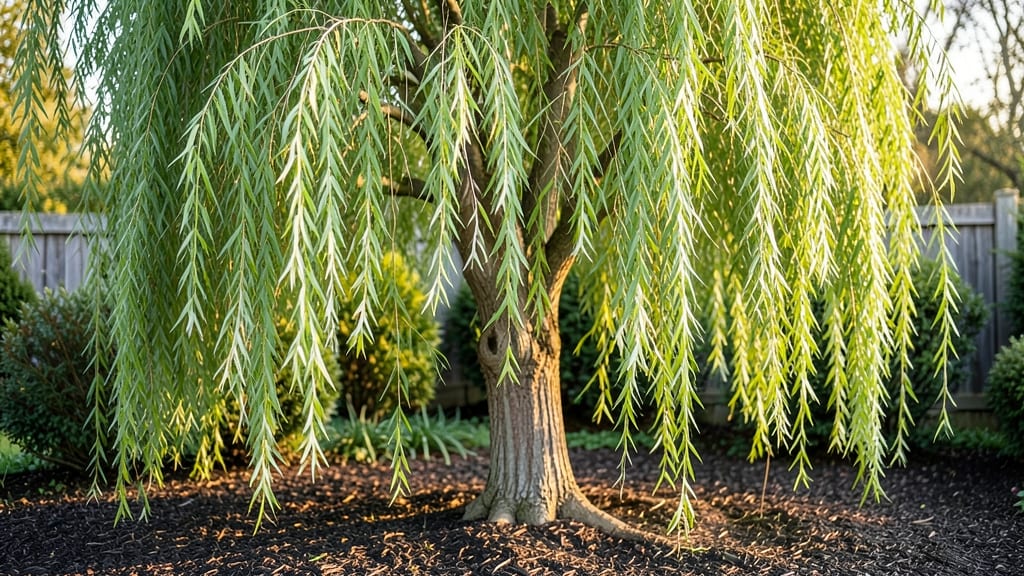
A weeping willow tree transforms any landscape into a living watercolor painting. 🌿 The graceful, cascading branches create a dramatic focal point that few other trees can match—but keeping it shaped requires a different approach than your average pruning session.
I’ve spent years perfecting the rhythm of cuts that encourage that signature weeping form while preventing weak, floppy growth.
The secret lies in understanding its natural growth habits. Weeping willows grow aggressively, so you’re not just shaping branches—you’re guiding their direction. Start with sharp pruning shears and sterilized cuts to avoid disease, and focus on removing dead wood first.
The best time to prune is late winter or early spring, but you can do light shaping anytime the tree isn’t actively growing.
What you’ll end up with is a tree that looks like it belongs in a storybook, with branches that arc elegantly toward the ground. The key is patience—each cut should encourage stronger, more graceful growth, not just hack away at the existing shape.
By summer, you’ll see new, vibrant shoots emerging exactly where you want them, creating that dreamy, cascading effect.
This method works year-round, though winter pruning is gentler on the tree. Whether you’re dealing with a young sapling or a mature specimen, the same principles apply. Let’s get those branches flowing the way nature intended—with a little help from your pruners.
📚 In This Guide
- What you need
- Instructions
- Tips and common mistakes
- Wrapping up and next steps
What you need
- ● Pruning shears: Sharp, bypass-style shears (for cuts up to ½ inch in diameter). Quantity: 1 pair
- ● Loppers: Long-handled, for thicker branches (½ to 2 inches). Quantity: 1 pair
- ● Pruning saw: Curved-tooth saw for branches over 2 inches. Quantity: 1
- ● Gloves: Heavy-duty, cut-resistant gloves (to protect from thorns and sap). Quantity: 1 pair
- ● Disinfectant: 70% isopropyl alcohol or pruning sealant (to prevent disease spread). Quantity: Small bottle
- ● Ladder or step stool: Sturdy, extendable for tall branches. Quantity: 1
- ● Heavy-duty trash bags: For collecting pruned branches. Quantity: 2-3
- ○ Marking twine or flags: To tag branches for removal (optional but helpful). Quantity: Small roll
- ● Pole pruner: For high branches without a ladder (extendable up to 20 feet).
- ● Safety glasses: To shield eyes from debris.
- ● Rubbing alcohol wipes: For quick tool sanitization between cuts.
- ● Garden hose: To clean tools post-pruning.
- ● Pruning guide or ruler: For measuring branch thickness and spacing.
Step-by-step guide to pruning a weeping willow tree
Here’s how to sculpt your weeping willow’s dramatic form while keeping it healthy—no guesswork involved.
✂️ Step 1: Prune in Late Winter Before Bud Break
The best time to shape your willow is late winter or early spring, just before new growth begins. This is when the tree’s energy is dormant but about to surge, making it ideal for pruning. Look for swollen buds—that’s your cue to start. I like to work on a dry day when the branches aren’t frozen, as cold wood is easier to cut cleanly.
Remove any dead, diseased, or crossing branches first. These are easy to spot—they’ll be brown, brittle, or growing inward. Use clean, sharp pruners to make cuts at a 45-degree angle, just outside the branch collar (the swollen area where the branch meets the trunk). This prevents water from pooling and rotting the wound.
✂️ Step 2: Thin Out Overcrowded Branches for Airflow
Weeping willows naturally grow lush, cascading branches, but too much density invites pests and disease. Focus on thinning out the interior—aim to remove 20-30% of the smallest, weakest branches to improve airflow. You’ll know you’re doing it right when you can see light filtering through the canopy.
Start from the inside of the tree and work your way out. Cut branches back to a side shoot or bud rather than leaving a stub. If a branch is larger than 2 inches in diameter, use loppers or a pruning saw to avoid tearing the bark. Always step back and assess the shape—your goal is to maintain that graceful, weeping silhouette.
✂️ Step 3: Shape the Outer Canopy for Balance
Now it’s time to refine the tree’s signature draping form. Focus on the outer branches, gently guiding them to cascade evenly. If some branches are growing too upright or stiff, shorten them by up to one-third to encourage a softer, more fluid look. Avoid cutting back more than a third of any branch’s length in one season—this can stress the tree.
Pay special attention to the lowest branches. If they’re too long, they’ll drag in the ground and rot. Trim them back to 12-18 inches above the ground to keep the base clean and healthy. Use your hands to gently bend young branches into your desired shape—willows are flexible and will hold new growth in place.
✂️ Step 4: Clean Up and Monitor Through the Growing Season
After pruning, collect and dispose of all debris—this prevents fungal spores from lingering near the tree. I like to sterilize my pruners with rubbing alcohol between cuts to avoid spreading disease. Water the base of the tree deeply to help it recover, especially if you’ve made large cuts.
Keep an eye on the tree over the next 4-6 weeks. New growth should emerge within 2-3 weeks, and you’ll see how your pruning decisions took shape. If any branches look stressed (yellowing leaves, slow growth), hold off on further pruning until the following season. Regular light pruning in summer or early fall can help maintain shape, but avoid heavy cuts—willows heal best with minimal stress.
Tips & tricks for perfect weeping willow pruning
Transforming your weeping willow into a showstopping landscape feature starts with these pruning secrets that preserve its natural beauty while promoting health.
Timing is Everything: The late winter to early spring window is critical because it aligns with the tree's natural dormancy period. This timing allows the tree to heal quickly and focus its energy on new growth rather than recovering from stress. I've seen willows recover beautifully when pruned during this period, but attempting it in summer can shock the tree—especially if you're making heavy cuts. Watch for those swollen buds as your definitive signal to begin.
Branch Selection Strategy: When thinning out the interior in Step 2, prioritize removing branches that are growing inward or crossing others. These are the ones that compete for sunlight and nutrients, creating weak spots in the canopy. A good rule of thumb is to remove branches that are less than 1/3 the diameter of the trunk they're attached to. This maintains the tree's structural integrity while improving airflow—something I learned the hard way after seeing fungal issues develop in dense canopies.
Precision Cutting Technique: The 45-degree angle cut just outside the branch collar isn't just about aesthetics—it's about the tree's health. This cut allows water to bead off rather than pool in the wound, which dramatically reduces the risk of rot. For branches larger than 2 inches, use loppers or a pruning saw to avoid tearing the bark. I've made the mistake of using regular pruners on thick branches, which left ragged edges that took much longer to heal.
Seasonal Maintenance Insight: While the heavy pruning happens in late winter, don't neglect your willow during the growing season. Light pruning in summer or early fall can help maintain shape, but remember—willows heal best with minimal stress. Focus on removing only the most problematic branches and avoid cutting back more than one-third of any branch's length in a single season. This gradual approach keeps your willow looking its best year-round.
Pro Tips for Willow Weeping Tree
- Transforming your weeping willow into a showstopping landscape feature starts with these pruning secrets that preserve its natural beauty while promoting health.
- Timing is Everything: The late winter to early spring window is critical because it aligns with the tree's natural dormancy period.
- Branch Selection Strategy: When thinning out the interior in Step 2, prioritize removing branches that are growing inward or crossing others.
Frequently asked questions
Got questions about pruning your weeping willow?
Whether you're a first-time pruner or a seasoned gardener, these answers will help you keep your tree thriving while maintaining its elegant, cascading beauty.
When is the best time to prune a weeping willow?
The ideal time to prune a weeping willow is late winter or early spring (just before new growth begins). Avoid heavy pruning in fall, as it can stimulate tender new growth that may not survive winter. Light shaping in summer is fine, but avoid pruning during extreme heat or drought.
How much can I trim back a weeping willow without harming it?
Weeping willows are resilient but avoid over-pruning. You can safely remove up to 25-30% of the tree’s foliage in one session. For mature trees, limit pruning to no more than 1/3 of the branches per year to prevent stress. Focus on removing dead, diseased, or crossing branches first.
Why is my weeping willow bleeding sap after pruning?
Sap bleeding (or "weeping") is normal in willows and won’t harm the tree. It occurs when pruning cuts expose the tree’s vascular system. To minimize it, prune on cooler days and use clean, sharp tools. Seal larger cuts (over 2 inches) with pruning sealant if needed.
Can I shape a weeping willow into a formal hedge or topiary?
While weeping willows have a natural, flowing shape, they’re not ideal for formal hedges or topiary. Their flexible branches are prone to breaking under heavy pruning, and their rapid growth makes maintaining tight shapes difficult. Instead, embrace their graceful, drooping form or prune lightly to remove wayward branches.
Does a weeping willow need special care after pruning?
Yes! After pruning, water deeply to reduce stress, especially in dry climates. Mulch the base (keep mulch 3–4 inches away from the trunk) to retain moisture. Monitor for signs of stress (yellowing leaves, slow regrowth) and avoid fertilizing immediately—let the tree recover for 4–6 weeks.
Pro tip: Mark branches to remove with paint or flags before cutting to visualize your design and avoid over-pruning.
Wrapping up and next steps
Pruning your willow weeping tree is all about patience, precision, and a little love for nature’s artistry! 🌿 With the right tools, timing, and techniques, you’ll nurture a tree that’s not just healthy but a stunning centerpiece in your landscape.
Whether you’re trimming for shape, health, or seasonal renewal, remember: less is often more—especially with these fast-growing beauties.
Ready to roll up your sleeves? Start small—pick one section to refine this season, then build your skills over time. And if you’re feeling inspired, why not share your progress? Join gardening communities or tag us in your pruning wins—we’d love to see your willow weeping tree thrive! 🌱✨