
Pruning
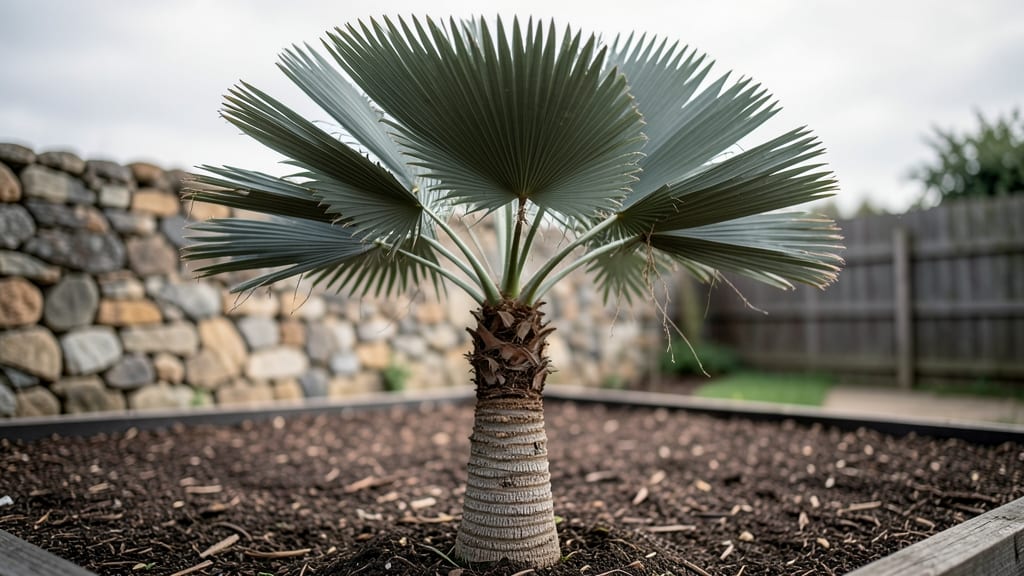
A 6-foot palm tree instantly lifts any space with tropical drama—whether it’s your front porch, patio corner, or cozy courtyard. 🌴 I’ve used them to create focal points in small yards, and the right species (like the hardy Trachycarpus fortunei or the elegant Dypsis lutescens) thrives even in cooler climates with minimal fuss.
The key? Strategic trimming keeps them manageable while maximizing that lush, airy silhouette.
You don’t need a greenhouse or a beachfront to make it work. A 6-foot palm fits in 10-gallon containers for patios or planted directly in well-draining soil for in-ground drama. Pair it with drought-tolerant plants like yuccas or ornamental grasses to echo the tropical vibe without overpowering your design.
Even in Zone 7, the right species stays green year-round with just a little winter protection.
The payoff? A space that feels resort-worthy without the upkeep. Prune just the fronds you need to maintain shape, and you’ll have a year-round centerpiece that casts dappled shade, catches breezes, and turns heads.
Whether you’re framing an entryway or softening a blank wall, this is the plant that does it all.
Works for modern minimalists, cottage-core dreamers, or anyone craving a little escape in their own backyard. Let’s talk placement—because the right spot makes all the difference.
📚 In This Guide
- What you need
- Instructions
- Tips and common mistakes
- Wrapping up and next steps
What you need
- ● Pruning shears: Sharp, bypass-style shears (for clean cuts on fronds and leaves). Size: 6–8 inches (for medium fronds).
- ● Loppers: Heavy-duty, extendable loppers (for thicker branches or stubborn growth). Recommended: 24–30 inches.
- ○ Pruning saw: A curved-tooth saw (for thick stems or dead wood). Optional but helpful: For older palms.
- ● Gloves: Heavy-duty gardening gloves (to protect hands from sharp fronds and sap). Material: Leather or reinforced fabric.
- ● Disinfectant: 70% isopropyl alcohol or a pruning sealant (to prevent disease spread between cuts).
- ● Compost or mulch: Organic compost (to replenish soil after pruning). Quantity: 2–3 gallons.
- ● Watering can or hose: With a gentle spray nozzle (for post-pruning hydration).
- ● Safety goggles: To shield eyes from debris.
- ● Step stool or ladder: For reaching higher fronds safely. Height: 4–6 feet.
- ● Pruning paint: (For sealing large cuts on palm trunks).
- ● Fertilizer: Slow-release palm-specific fertilizer (to boost recovery). Application: Every 3–4 months.
How to maintain a 6-Foot palm tree for year-long elegance
Strategic pruning keeps your palm healthy and striking—here’s how to do it right.
🌿 Step 1: Assess Growth and Identify Pruning Needs
Start by examining your palm’s fronds. Healthy fronds arch gracefully, while dead or brown ones hang limp and brittle. Focus on removing only the dry, yellowed, or damaged fronds—never more than one-third of the crown at once. This prevents stress and maintains the tree’s natural balance.
Use sharp, clean pruning shears to avoid tearing the tissue. I like to work on a dry, sunny morning when the fronds are firm and easier to handle. If you’re unsure which fronds to remove, look for brown, crispy edges or fronds that crumble when touched—these are ready to go.
✂️ Step 2: Remove Fronds at the Right Point
Cut fronds just above the point where they meet the trunk, making a clean diagonal cut to prevent water from pooling. Avoid leaving stubs, as they can rot and attract pests. For larger fronds, use a pruning saw with a fine-tooth blade to make smooth cuts without splintering.
Here’s the thing—never remove the growing tip (the central bud at the top). This is where new fronds emerge, and damaging it can kill the palm. If you accidentally nick it, stop immediately and let the tree recover—it’s resilient but not invincible.
💧 Step 3: Clean Up and Prevent Disease
After pruning, sterilize your tools with rubbing alcohol to prevent spreading pathogens. Remove all debris from the base of the tree and dispose of it in a sealed bag—never compost diseased material. This step is critical for preventing fungal infections like bud rot, which can devastate a palm.
Water the tree deeply after pruning to help it recover. I like to soak the root zone until water runs out the drainage holes, then let the soil dry slightly before watering again. Overwatering now can lead to root rot, especially if the tree is stressed from pruning.
☀️ Step 4: Monitor and Adjust for Seasonal Changes
Palms grow year-round in warm climates, but their growth slows in winter months (below 50°F). Reduce watering slightly during cooler periods—let the top 2 inches of soil dry out between waterings. Fertilize lightly in spring with a balanced palm fertilizer to support new frond growth.
Watch for new fronds emerging from the center—this is a sign your palm is thriving. If you notice yellowing between frond veins, it’s a classic sign of potassium deficiency, and you’ll need to adjust your fertilizer or soil mix. A healthy palm should have vibrant green fronds with no brown patches.
Tips & tricks for perfect year-round palm tree care
Keeping your 6-foot palm looking its best takes more than just occasional trimming—it's about understanding the subtle cues your tree gives you.
Frond Selection Strategy: When assessing fronds in Step 1, pay special attention to the frond petiole (the stalk connecting the frond to the trunk). If it's brown and dry all the way to the trunk, that frond is ready to go. Healthy petioles should be firm and green. I've learned the hard way that leaving even slightly brown petioles can harbor pests and diseases—better to remove them early than risk spreading problems to healthy fronds.
Tool Preparation: Before you begin Step 2, sharpen your pruning shears and sterilize them with rubbing alcohol—this isn't just about clean cuts, it's about preventing cross-contamination between different parts of your palm. For larger fronds where shears won't reach, invest in a bypass pruning saw with fine teeth. The clean cuts you make now will prevent jagged edges that can trap moisture and lead to infections.
Seasonal Watering Adjustments: The instructions mention reducing watering below 50°F, but here's the thing about palm trees: they're actually more drought-tolerant than most people realize. In winter months, I reduce watering to every 10-14 days instead of weekly, letting the top 3-4 inches of soil dry completely between waterings. This mimics their natural dry season cycle and prevents root rot during their slower growth period.
Fertilizer Timing: Spring fertilization in Step 4 is crucial, but don't overdo it. I use a slow-release palm fertilizer applied in early spring when new frond growth begins to emerge. The key is to fertilize just as you see the first signs of new fronds pushing through the center, not before. This ensures your palm has the energy to support new growth rather than just maintaining existing fronds.
Pro Tips for 6 Foot Palm Tree
- Keeping your 6-foot palm looking its best takes more than just occasional trimming—it's about understanding the subtle cues your tree gives you.
- Frond Selection Strategy: When assessing fronds in Step 1, pay special attention to the frond petiole (the stalk connecting the frond to the trunk).
- For larger fronds where shears won't reach, invest in a bypass pruning saw with fine teeth.
Frequently asked questions
Got questions about keeping your 6-foot palm tree looking its best year-round?
Here are answers to the most common ones—whether you're a pruning pro or just getting started!
How often should I trim a 6-foot palm tree?
Trim your palm tree once a year (or as needed) to remove dead fronds, which can weigh down the tree and attract pests. Focus on fronds that are brown, dry, or hanging—never trim more than 1/3 of the fronds at a time to avoid stressing the tree. Spring or early summer is ideal for pruning.
Can I trim a palm tree in winter?
Winter is not the best time to trim a palm tree, as cold weather slows growth and recovery. However, if you spot dead or diseased fronds in winter, you can remove them carefully. Avoid heavy pruning—wait until spring when the tree can heal faster. Pro tip: If you must trim in winter, do it on a mild day (above 50°F).
What if my palm tree has yellow fronds? Is that normal?
Yellow fronds can signal overwatering, underwatering, or nutrient deficiencies. Check the soil—it should be slightly moist but not soggy. If the yellowing is only on older fronds, it’s likely natural aging. For widespread yellowing, adjust watering or fertilize with a palm-specific feed (like 8-2-12 or 6-6-6).
Do I need special tools to trim a 6-foot palm tree?
You’ll need clean, sharp pruners or loppers (for thicker fronds), a pruning saw (if branches are over 1 inch thick), and gloves for protection. A ladder or extension pole helps reach higher fronds safely. Disinfect tools with rubbing alcohol between cuts to prevent disease spread.
Will trimming my palm tree make it grow faster?
Trimming won’t speed up growth, but it removes dead fronds, allowing the tree to focus energy on new, healthy growth. Fertilizing and proper watering (not overwatering!) are key for faster, stronger growth. Think of pruning as maintenance, not a growth hack—healthy trimming keeps your palm tree thriving for years!
Wrapping up and next steps
A 6-foot palm tree brings tropical charm to any space—but keeping it thriving requires just a little patience and precision.
With the right tools, timing, and techniques, you can shape its growth while ensuring long-term health. Your efforts will pay off with lush foliage and a stunning centerpiece year after year!
Ready to take the next step? Start small:
- 📅 Schedule your first trim—spring or early summer is ideal!
- 🛠️ Gather your supplies (sterilized tools, gloves, and pruning oil).
- 🌿 Observe your tree weekly to spot early signs of stress or pests.