
Pruning
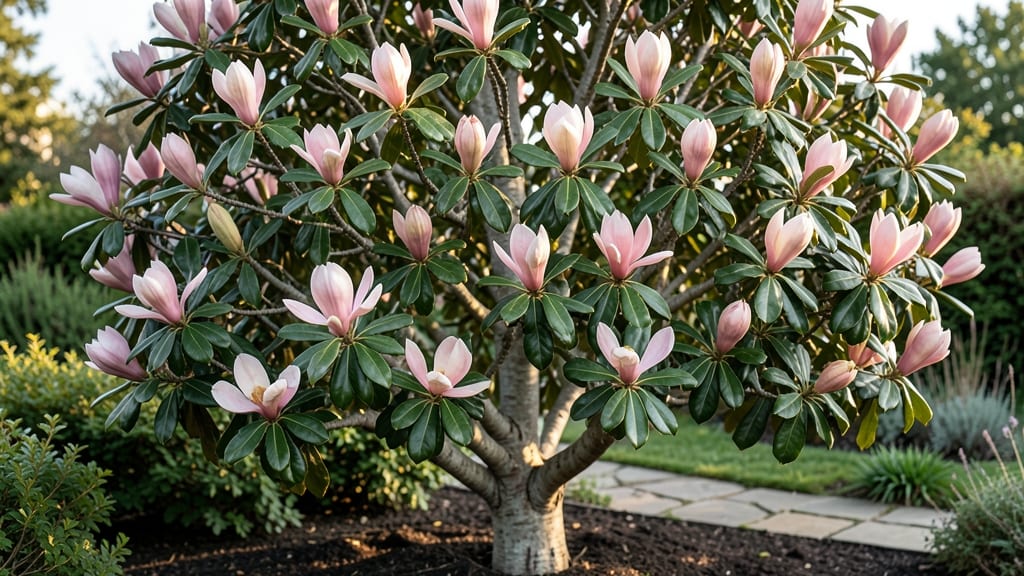
The Alexandra magnolia tree thrives when pruned in late winter, and doing it right transforms its growth from scattered to spectacular. 🌿 I’ve watched mine go from a leggy mess to a fragrant, flower-laden centerpiece after mastering this one seasonal cut.
The key? Timing it just as buds swell but before new leaves emerge—when the tree is dormant but ready to rebound.
You’ll need sharp pruning shears, a ladder if branches are high, and a clear day to avoid spreading disease. The process takes about 30-45 minutes for a mature tree, and the results—denser foliage and more blooms—are worth every snip.
This isn’t about drastic shaping; it’s about opening the canopy to sunlight and air, which the Alexandra craves to produce those iconic, creamy-white flowers.
What you’ll end up with is a tree that bursts into bloom earlier and stays lush all season. The fragrance alone—like a mix of gardenia and jasmine—will draw you outside every spring morning.
Plus, the structure becomes stronger, resisting wind damage and supporting more flowers year after year. Ready to give your magnolia the care it deserves?
Works for both new plantings and established trees, though younger specimens need lighter cuts. Whether your tree sits in a sunny border or as a standalone statement piece, this method keeps it healthy and show-stopping. Let’s get those shears sharpened!
📚 In This Guide
- What you need
- Instructions
- Tips and common mistakes
- Wrapping up and next steps
What you need
- ● Pruning shears: Bypass pruners with sharp, sterilized blades (for cuts under ½ inch thick). Recommended: Felco F-2 or Corona Classic.
- ● Loppers: For branches ½ to 1½ inches thick. Look for ratcheting loppers for extra leverage (e.g., Fiskars X28).
- ● Pruning saw: A curved-tooth saw (like the Bahco Razor Saw) for branches 1½+ inches thick.
- ● Gloves: Heavy-duty, gardening gloves (e.g., Mechanix or Fox River) to protect against thorns and sap.
- ● Disinfectant: 70% isopropyl alcohol or a pruning sealant (e.g., Tanglefoot Tree Wound Pruning Seal) to prevent disease.
- ○ Extension pole: Optional but helpful for high branches (e.g., 6–10 ft telescoping pole saw).
- ● Bucket or bag: A 5-gallon bucket or heavy-duty trash bag to collect pruned branches.
- ● Safety gear: Safety goggles and long sleeves/pants to shield against sap and debris.
- ● Handheld leaf blower: For quick cleanup of small debris (e.g., EGO Power+).
- ● Rubbing alcohol wipes: For sterilizing tools between cuts on large branches.
- ● Marking spray: Bright paint (e.g., orange or pink) to tag cuts for future reference.
- ● Step ladder: A stable, 4-section ladder (e.g., Little Giant) for taller trees.
- ● Pruning oil: (e.g., Tanglefoot Pruning Seal) to protect larger cuts from pests.
- ● Check the weather: Trim on a dry, cloudy day (avoid frost or extreme heat).
- ● Timing: Prune immediately after flowering (late spring) or in early winter (before buds swell).
- ● Safety first: Ensure the area below is clear of people, pets, and flammable materials.
- ● Sterilize tools before and after with rubbing alcohol or a 10% bleach solution.
Step-by-Step guide for pruning your Alexandra magnolia in dormancy
Winter's the perfect time to shape this beauty—here's how to coax next season's boldest blooms.
✂️ Step 1: Assess the Canopy Structure
Start by examining your Alexandra magnolia's framework while it's dormant. Look for dead, crossing, or overcrowded branches—these compete for energy and weaken the tree's overall health. I focus on removing branches that grow inward or rub against others, as these create wounds and invite disease. Use your fingers to gently test branch flexibility; brittle, dry wood should be pruned immediately.
Here's the thing—Alexandra magnolias naturally develop a layered, vase-like shape. Preserve this natural silhouette by keeping the lowest branches about 6-8 feet off the ground to allow for easy future maintenance. Mark these branches with a small flagging tape if you're unsure which to keep.
✂️ Step 2: Make Clean Cuts at the Right Angles
Always cut just outside the branch collar—that swollen area where the branch meets the trunk or larger branch. This ensures the tree can seal the wound naturally. Use sharp, bypass pruners for branches up to ½ inch thick, and a pruning saw for anything thicker. I angle my cuts at 45 degrees to prevent water from pooling on the wound.
For larger branches, I make a second cut 2-3 inches out from the first, then a third cut to remove the remaining stub. This three-cut method prevents tearing. Never leave stubs—Alexandra magnolias heal poorly from improper cuts, and these can become entry points for pests.
✂️ Step 3: Thin the Canopy Strategically
Open the canopy by removing 25-30% of the total branches—this improves airflow and sunlight penetration. Focus on thinning from the inside out, starting with the smallest branches first. This creates a more airy structure that reduces humidity-related diseases. I like to step back frequently to visualize the tree's overall shape.
Watch for water sprouts—those fast-growing, vertical shoots that appear after heavy pruning. These saplings steal energy from your magnolia's blooms. Snip them off at the base as soon as you spot them. The goal is to maintain an open center while preserving the tree's natural, graceful habit.
🌱 Step 4: Clean Up and Protect the Tree
After pruning, remove all debris from the area—this prevents fungal spores from lingering near the fresh cuts. Sterilize your tools with 70% isopropyl alcohol to prevent spreading disease between cuts. I also apply a thin layer of pruning sealant to cuts larger than ½ inch to reduce moisture loss and infection risk.
Real talk: Don't overdo it. Alexandra magnolias bloom on old wood, so aggressive pruning reduces next year's flowers. If you're unsure, err on the side of caution—you can always remove more next winter. Finish by watering deeply to help the tree recover from the stress of pruning.
Tips & tricks for perfect Alexandra magnolia trimming
Common mistakes can turn a simple pruning session into a disaster—here's how to avoid them while preserving your tree's natural beauty.
Branch Assessment: In Step 1, when identifying branches to remove, focus on those growing at sharp angles or rubbing against others. These create wounds that take years to heal. I also recommend testing branch flexibility by gently bending it—if it snaps easily, it's dead wood ready for removal. Remember, the goal is to maintain that elegant vase shape while improving airflow through the canopy.
Cutting Technique: The 45-degree angle in Step 2 isn't just about aesthetics—it's about preventing water accumulation that leads to rot. For branches larger than ½ inch, I make my first cut just outside the branch collar, then step back 2-3 inches for the second cut. This prevents tearing while maintaining the tree's natural healing response. Never cut flush with the trunk—this creates a permanent weak point.
Canopy Thinning Strategy: When removing 25-30% of branches in Step 3, prioritize the smallest branches first. This opens the canopy gradually without shocking the tree. I use a simple visual trick: step back 10 feet and imagine sunlight streaming through—you should see light reaching the center. Water sprouts are your enemy here; remove them immediately as they divert energy from next year's blooms.
Post-Pruning Care: After cleaning up debris in Step 4, don't skip the sterilization step. I keep a small bottle of 70% isopropyl alcohol with my tools to quickly disinfect between cuts. For cuts larger than ½ inch, apply pruning sealant immediately—this isn't about hiding mistakes, but about protecting the tree's energy reserves. Finish with a deep watering to help the tree recover from the stress.
Pro Tips for Alexandra Magnolia Tree
- Common mistakes can turn a simple pruning session into a disaster—here's how to avoid them while preserving your tree's natural beauty.
- Branch Assessment: In Step 1, when identifying branches to remove, focus on those growing at sharp angles or rubbing against others.
- Cutting Technique: The 45-degree angle in Step 2 isn't just about aesthetics—it's about preventing water accumulation that leads to rot.
Frequently asked questions
Got questions about caring for your Alexandra magnolia during dormant season trimming? You’re not alone!
Here are some of the most common concerns—and their answers—to help you keep your fragrant beauty thriving.
When is the best time to trim an Alexandra magnolia?
The ideal window is late winter to early spring, before new growth emerges (typically February–March in most climates). Trimming in dormancy minimizes stress and encourages vibrant blooms. Avoid pruning after summer—this cuts back on next year’s flowers!
How much can I trim without harming the tree?
For healthy growth, limit pruning to no more than 25–30% of the canopy at one time. Focus on removing dead, crossing, or overcrowded branches first. Alexandra magnolias respond well to light shaping, but avoid heavy cuts—this tree blooms on old wood, so aggressive trimming may reduce flowers.
What if my magnolia isn’t blooming after trimming?
If your tree skips blooms, check these fixes:
- Timing: Did you prune after flowers appeared? Wait until next dormant season.
- Sunlight: Alexandra magnolias need 6+ hours of sun—shady spots reduce blooms.
- Age: Young trees (under 5 years) may need patience—blooms often start at 3–5 years.
- Health: Yellow leaves or sparse growth? Test soil pH (ideal: 5.0–6.0) and fertilize with acid-loving plant food.
Are there alternatives if my climate is too cold/hot for Alexandra magnolia?
If your zone is below 6 or above 9, consider these fragrant, low-maintenance swaps:
- Saucer magnolia (Magnolia × soulangeana) – Hardier (zones 4–9), early blooms.
- Yulan magnolia (Magnolia denudata) – Thrives in zones 5–9, white flowers.
- Star magnolia (Magnolia stellata) – Compact (zones 4–8), prolific blooms.
How often should I prune an Alexandra magnolia?
Light maintenance pruning (removing deadwood, shaping) is enough annually during dormancy. Only corrective pruning (e.g., fixing storm damage) is needed more often. Over-pruning stresses the tree—stick to the 25% rule to keep it lush and fragrant for decades.
Wrapping up and next steps
The Alexandra magnolia tree thrives with the right dormant-season care, and proper trimming is key to unlocking its full potential—lush foliage, fragrant blooms, and strong growth. By following the steps outlined, you’ll encourage a healthier, more vibrant tree while avoiding common pitfalls like over-pruning or disease risks. 🌿
Ready to give your magnolia the love it deserves? Grab your tools, mark your calendar for late winter, and start planning your pruning session today! Your tree—and your garden—will thank you with stunning spring blooms and years of beauty.