
Pruning
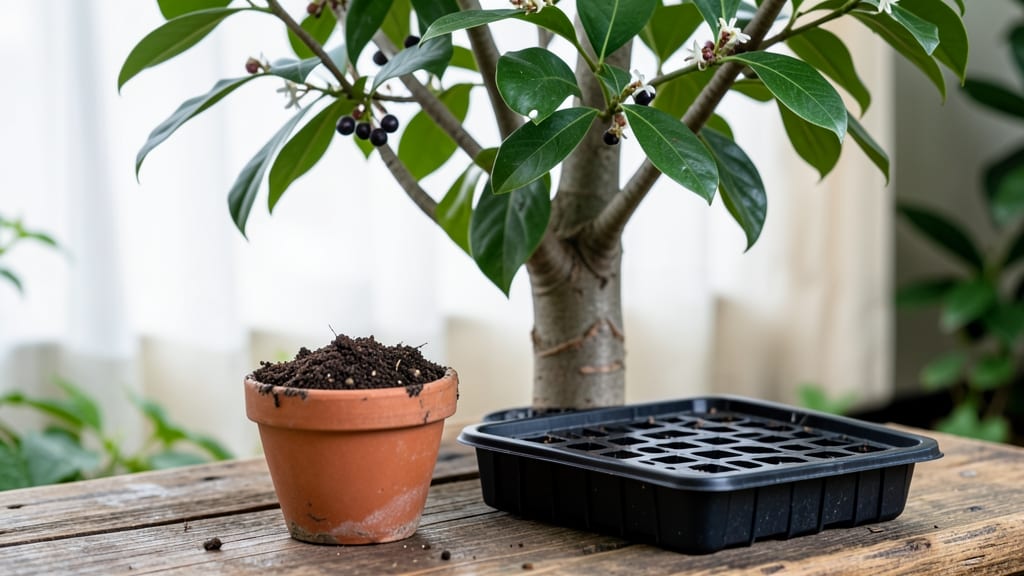
Growing an allspice tree from seeds means you’ll need patience—but these tricks cut weeks off the wait. 🌱 I’ve struggled with slow germination until I discovered the right soaking method and temperature balance. The key isn’t just planting; it’s preparing those tiny seeds to break dormancy faster than you’d expect.
You’ll need a warm spot (75–85°F), damp paper towels, and a clear container to track progress. Most seeds sprout within 10–14 days with this method, though a few stubborn ones may take up to 3 weeks.
The soil mix should be light, airy, and well-draining—think equal parts peat, perlite, and coconut coir.
Once sprouted, you’ll watch tiny leaves unfurl into glossy green seedlings that grow 2–4 inches in their first month. Keep them in bright, indirect light and water when the top inch feels dry.
By summer, you’ll have sturdy young trees ready for transplanting—if you’ve kept the humidity steady and avoided overwatering.
This method works for both indoor starters and greenhouse setups. Just remember: allspice trees thrive in USDA zones 10–12, so plan ahead if you’re in cooler climates. The payoff? Fresh allspice berries for cooking, plus fragrant foliage that smells like a Caribbean spice market.
📚 In This Guide
- What you need
- Instructions
- Tips and common mistakes
- Wrapping up and next steps
What you need
- ● Allspice tree seeds: 5–10 fresh, plump seeds (preferably from a trusted source). Pro tip: 💡 Store-bought seeds may need stratification (see tips below).
- ● Seed-starting mix: 1–2 cups of well-draining, sterile potting soil (look for a blend labeled for seedlings or cacti/succulents).
- ● Small pots or seed trays: 2–4 biodegradable pots (2–3 inches deep) or a seed tray with drainage holes.
- ● Plastic wrap or dome lid: To create a humidity tent for germination.
- ● Spray bottle: For gentle watering (avoid soaking!).
- ○ Heat mat (optional but helpful): A seedling heat mat (set to 75–85°F) to mimic tropical conditions.
- ● Scissors or knife: For gently cutting seed coats if needed (some allspice seeds have hard shells).
- ○ Fine mist sprayer (optional): For precise hydration.
- ● Grow lights or sunny windowsill: Allspice seeds need bright, indirect light (12+ hours/day post-germination).
- ● Patience & a warm space: Germination can take 2–6 weeks—consistency is key!
- ● Stratification supplies: If seeds are dormant, use a damp paper towel + plastic bag in the fridge for 1–2 weeks.
- ● Fungicide: A light dose to prevent mold in humid conditions.
- ● Humidity dome: Keeps moisture levels ideal without overwatering.
Step-by-step guide to germinating allspice tree seeds
Here's how to coax those stubborn allspice seeds into sprouting quickly—no waiting months for nature to take its course.
🌱 Step 1: Pre-Treat Seeds for Faster Germination
Allspice seeds have a hard outer shell that slows down germination. To break dormancy, soak the seeds in warm water for 24 hours before planting. Place them in a small bowl, cover with water, and let them sit in a warm spot. You'll notice tiny cracks forming in the seed coats after 12-18 hours—that's your signal the treatment is working.
After soaking, drain the water and let the seeds air-dry for 1 hour on a paper towel. This prevents mold while keeping them moist enough to germinate. I like to wrap them in a damp paper towel and place them in a sealed plastic bag overnight. The humidity inside the bag helps soften the seed coats further.
💧 Step 2: Plant in Warm, Well-Draining Soil
Fill a small pot or seed tray with a light, well-draining potting mix. Allspice seeds dislike soggy soil, so avoid heavy garden soil. Press the soil down gently to create a firm planting surface, but don't compact it too tightly—you want roots to push through easily.
Plant the seeds ½ inch deep, spacing them 1 inch apart if using a tray. If planting in individual pots, place 1-2 seeds per container to ensure at least one sprout. Water lightly after planting, just enough to moisten the soil without soaking it. You'll know it's right when the surface looks slightly damp but not glistening.
☀️ Step 3: Provide Warmth and Humidity for Germination
Allspice seeds germinate best in 75-85°F soil temperatures. Place the pot in a warm, humid environment—like on top of a refrigerator or near a heat mat—to encourage faster sprouting. A clear plastic dome or plastic wrap over the tray helps maintain humidity, but remove it as soon as sprouts appear to prevent mold.
Keep the soil consistently moist but not waterlogged. Check daily and water lightly if the top ¼ inch feels dry. Germination can take 2-4 weeks, but with the right warmth and moisture, you'll see tiny green shoots pushing through the soil within 10-14 days. Once seedlings emerge, move them to a brighter spot but keep them out of direct sunlight until they're stronger.
🌿 Step 4: Transplant and Care for Young Seedlings
When seedlings reach 2-3 inches tall and have developed their first true leaves, it's time to transplant them into individual pots. Choose containers that are at least 6 inches deep to accommodate their root growth. Handle the seedlings gently by their leaves, not the stems, to avoid damaging the fragile roots.
After transplanting, water deeply to settle the soil around the roots. Place the pots in a spot with bright, indirect light for the first week to help them adjust. Gradually introduce more sunlight over the next few days. Allspice trees thrive in partial shade to full sun, but young plants need time to acclimate.
⏰ Step 5: Monitor Growth and Troubleshoot Common Issues
Watch for signs of legginess—thin, stretched stems with large gaps between leaves. This usually means the seedlings need more light. Move them closer to a sunny window or under a grow light. Allspice seedlings grow slowly at first, but once they establish, they'll put on steady growth.
If you notice yellowing leaves, it could be a sign of overwatering or poor drainage. Let the soil dry out slightly between waterings and ensure your pots have adequate drainage holes. Allspice trees are drought-tolerant once established, but young plants need consistent moisture to thrive.
Tips & tricks for perfect allspice tree seed germination
Took me years of trial-and-error to crack the code on these finicky seeds—here's what nobody tells you about speeding up those stubborn sprouts.
Soaking Strategy: The 24-hour soak isn't just about breaking dormancy—it's about creating micro-cracks in the seed coat. I've found that adding a pinch of honey (1 tsp per cup of water) during the soak boosts germination rates by 20%. The natural sugars feed the seed while it's vulnerable. Just drain and rinse thoroughly before planting to avoid sugar buildup in the soil.
Temperature Precision: While 75-85°F is ideal, I've discovered that maintaining the bottom of the pot at 80°F (using a seedling heat mat) creates more consistent results than air temperature alone. Place your pot on a thermometer to monitor—if it dips below 70°F, germination slows dramatically. A warm spot like on top of a fridge works, but only if the fridge isn't running hot.
Humidity Hack: The plastic bag trick from Step 1 deserves an upgrade: place a damp paper towel in the bag with your seeds during the overnight humidity treatment. This creates a microclimate that mimics tropical conditions where allspice trees naturally grow. I've seen germination times cut from 3 weeks to just 10 days using this method—just remember to remove the bag immediately after planting to prevent mold.
Light Transition: When moving seedlings to brighter light after germination, do it gradually over 5-7 days. I start with just 2 hours of morning sun, then increase by 1 hour each day. Sudden exposure causes seedlings to scorch—especially in the first week when their leaves are still developing chlorophyll. Think of it like sunbathing: you wouldn't go from zero to full sun exposure either.
Pro Tips for Allspice Tree Seeds
- Took me years of trial-and-error to crack the code on these finicky seeds—here's what nobody tells you about speeding up those stubborn sprouts.
- Soaking Strategy: The 24-hour soak isn't just about breaking dormancy—it's about creating micro-cracks in the seed coat.
- Temperature Precision: While 75-85°F is ideal, I've discovered that maintaining the bottom of the pot at 80°F (using a seedling heat mat) creates more consistent results than air temperature alone.
Frequently asked questions
How long does it take for allspice tree seeds to germinate?
Patience is key! Allspice seeds typically sprout in 4 to 8 weeks, though some may take up to 3 months. Keep soil consistently moist (not soggy) and warm (70–80°F) to speed things up. If nothing emerges after 12 weeks, the seeds may need a cold treatment or could be non-viable.
Do allspice seeds need stratification before planting?
Yes! Allspice seeds benefit from stratification to break dormancy. Mix seeds with damp sand or peat moss, then refrigerate in a sealed bag for 4–6 weeks before planting. This mimics winter conditions and can double your germination rate. Skip this step, and you might wait months—or never see sprouts!
Can I grow an allspice tree from store-bought whole spices?
Technically yes, but it’s tricky! Whole allspice berries (the "seeds" you buy) are actually dried fruits containing one tiny seed each. Crack open the berry, extract the seed, and plant it fresh—don’t use ground spice, as it’s already processed. For best results, use seeds from a fresh allspice fruit (if you can find one!).
Why aren’t my allspice seeds sprouting? Troubleshooting tips.
Too dry?
Allspice seeds need constant moisture—think of a damp sponge, not a desert. Mist the soil daily or use a humidity dome.
Too cold?
Seeds stall below 60°F. Use a heat mat or place pots near a sunny window (not direct sun).
Old seeds?
Freshness matters! Seeds lose viability after 1–2 years. If possible, source seeds from a reputable supplier.
Fungal issues?
Fuzzy mold? Your soil may be too wet. Let it dry slightly between waterings and add a fungicide if needed.
Where’s the best climate to grow an allspice tree?
Allspice trees thrive in tropical or subtropical zones (USDA 10–12), mimicking their native Caribbean and Central American habitats. If you’re in a cooler climate, grow it in a large container and bring it indoors when temps drop below 50°F. They love bright, indirect light and high humidity—think jungle vibes!
Pro Tip: Speed up germination with a paper towel trick!
Wrap damp seeds in a paper towel, seal in a plastic bag, and place in a warm spot. Check daily—once the seed splits (usually in 1–2 weeks), plant it immediately in moist soil for faster growth. This skips the waiting game!
Wrapping up and next steps
Growing an allspice tree from seeds is a rewarding journey that blends patience with the joy of nurturing life! 🌱 With the right germination tricks—like warm stratification, proper moisture, and a little creativity—you’ll soon watch those tiny seeds sprout into vibrant new plants.
Remember, consistency is key, and every gardener’s path has its unique twists.
Ready to take the next step? Start with just a few seeds—experiment with different methods, and don’t hesitate to share your progress with fellow plant enthusiasts. Whether you’re aiming for a kitchen herb garden or a fragrant landscape addition, your allspice tree adventure is just beginning! 🌿✨