
Propagation
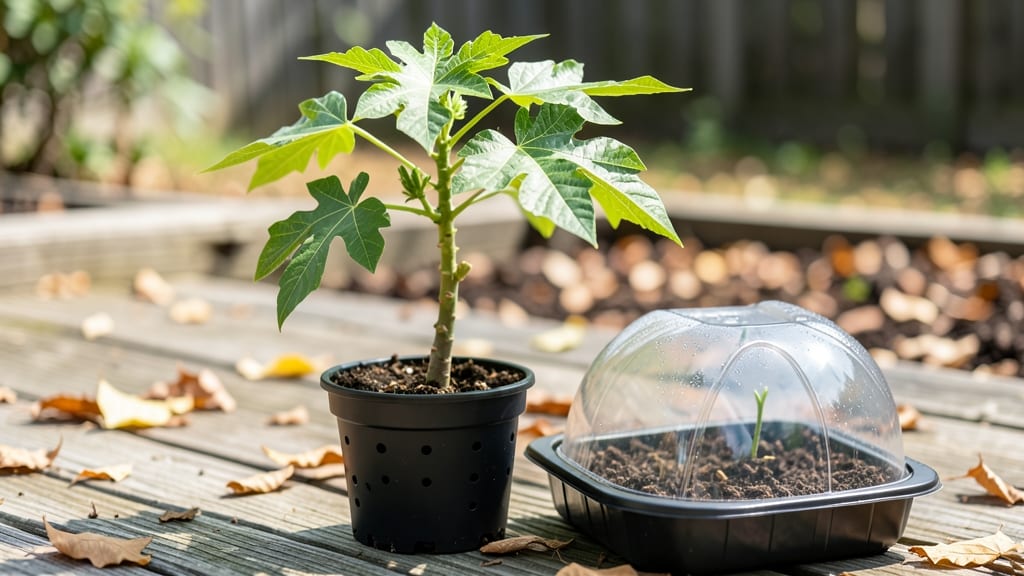
Planting a papaya tree from seeds unlocks the sweetest tropical fruit you'll ever grow at home. 🌱 I've turned my kitchen counter into a mini jungle with these fast-growing seeds—now I'm sharing the exact steps that skip the nursery and put fruit in your hands within a year.
The key isn't complicated: it's warm soil, patience, and knowing when to move those delicate seedlings outside.
You'll need just three things to start: fresh papaya seeds (save them from store-bought fruit), a small pot with drainage, and a sunny windowsill or greenhouse. Most people rush the germination stage, but papaya seeds need consistent warmth—think 70-80°F—to sprout reliably.
My first batch took 10 days to crack through the shell, and that's normal if you keep things cozy.
By the time those first true leaves appear, you'll be ready to transplant into larger containers or the ground. With proper care, you'll harvest your first fruit in 9-12 months—smaller than grocery store papayas but packed with flavor.
The real magic happens when you see those yellow flowers appear, signaling fruit is on the way.
This method works perfectly in USDA zones 10-11, but container growing extends it to cooler climates. Just bring pots inside before frost. Here's where we start—with seeds that could change your fruit bowl forever.
📚 In This Guide
- What you need
- Instructions
- Tips and common mistakes
- Wrapping up and next steps
What you need
- ● Papaya seeds: 3–5 fresh, viable seeds (harvested from a ripe papaya or purchased from a trusted supplier). Pro tip: 💡 Let seeds dry for 1–2 days before planting to prevent rot!
- ○ Seed-starting pots or small containers: 3–4 (3–4 inches deep) with drainage holes. Optional: Use biodegradable pots for easier transplanting.
- ● Well-draining potting mix: 1–2 bags (sterilized, seed-starting blend preferred). Avoid garden soil—it’s too dense!
- ● Spray bottle: For gentle watering (avoids disturbing seeds).
- ● Plastic wrap or humidity dome: To maintain moisture during germination.
- ● Grow lights or sunny windowsill: A warm, bright spot (70–85°F) is ideal for germination.
- ● Larger container or garden bed: 5-gallon pot or prepared soil bed (for transplanting seedlings).
- ● Fertilizer: Balanced, water-soluble (e.g., 10-10-10) for young seedlings.
- ● Seedling heat mat: Speeds up germination in cooler climates.
- ● Mulch: Organic (e.g., straw) to retain moisture in the garden.
- ● Trellis or stakes: For supporting vining varieties as they grow.
- ● pH test kit: Ensures soil pH is 6.0–7.0 (papayas prefer slightly acidic to neutral soil).
Step-by-Step instructions for growing papaya trees from seeds
Here's how I turn tiny papaya seeds into thriving tropical trees—no fancy tools needed.
🌱 Step 1: Soak Seeds to Jumpstart Germination
Fill a small bowl with warm water (around 85°F) and add your papaya seeds. Let them soak for 24 hours—this softens the tough outer shell and speeds up sprouting. I like to use a mesh bag so I can easily lift them out later without losing any seeds.
After soaking, gently rub the seeds between your fingers to remove any remaining pulp. This prevents mold from forming around the seeds once planted. You'll know they're ready when they feel slightly softened and the outer coating peels away easily.
💧 Step 2: Plant in Moist, Well-Draining Mix
Use a small pot (around 4 inches deep) filled with a mix of 50% potting soil and 50% perlite or coconut coir—this ensures excellent drainage while keeping moisture. Papaya seeds rot quickly if left soggy, so drainage is critical.
Plant the soaked seeds ½ inch deep in the soil, spacing them about 1 inch apart if planting multiple seeds. I like to use a pencil to make small holes—it gives me precise control. Cover lightly with more mix, then mist the surface with water until the soil feels damp but not wet.
☀️ Step 3: Create a Warm, Humid Environment
Papaya seeds germinate best in 75-85°F soil temperatures. Place the pot inside a clear plastic bag or under a humidity dome to trap warmth and moisture. I use a seedling heat mat set to 80°F for the first week—this cuts germination time from weeks to just 5-10 days.
Keep the bag or dome sealed until you see tiny sprouts breaking through the soil. Check daily for condensation—if the inside fogs up, open the bag for 10-15 minutes to prevent mold. Once sprouts emerge, remove the cover completely to avoid damping-off disease.
🌿 Step 4: Provide Bright, Indirect Light
Move seedlings to a spot with bright, indirect light immediately after germination. A south-facing window works, but avoid direct midday sun, which can scorch tender new leaves. If your home has low light, supplement with a grow light kept 6-12 inches above the plants for 12-14 hours daily.
You'll know light levels are right when seedlings grow sturdy and dark green. Leggy, pale growth means they need more light—move them closer or increase grow light hours. Rotate the pot a quarter turn daily so stems grow straight instead of leaning toward the light.
🪴 Step 5: Transplant When Strong Enough
Once seedlings develop 2-3 sets of true leaves (about 6-8 weeks after planting), it's time to transplant. Choose a larger pot (at least 8 inches deep) with fresh potting mix. Papaya trees grow fast, so bigger pots prevent root-binding.
Gently remove the seedling, keeping the root ball intact. Place it in the new pot, fill around the roots with soil, and water deeply. After transplanting, keep the soil consistently moist (not soggy) for 2 weeks)—this helps roots establish without stress.
⏰ Step 6: Harden Off and Prepare for Outdoor Life
If you're moving outdoors, start hardening off 2 weeks before the last frost. Begin with 1-2 hours of outdoor time in a shaded spot, gradually increasing exposure over 7-10 days. Papaya trees thrive in full sun and warm climates (USDA zones 10-11), but young plants need time to adjust.
Watch for signs of stress—wilting or yellowing leaves mean it's too hot or sunny. Once hardened off, plant in well-draining soil with 6+ hours of direct sun daily. Mulch around the base to retain moisture and protect roots from temperature swings.
Tips & tricks for perfect papaya tree growth from seeds
Turning those tiny papaya seeds into thriving trees takes patience—but these tricks will help you avoid common pitfalls and get better results faster.
Soaking Secret: The 24-hour soak in 85°F water isn't just about speeding up germination—it's also your chance to inspect the seeds. Discard any that float (they won't sprout) and save only the ones that sink. I like to use a fine mesh strainer instead of a bowl so I can easily drain and rinse them afterward without losing any.
Drainage Matters: In Step 2, don't skimp on the perlite or coconut coir—papaya seeds are particularly prone to rot if the mix stays too wet. If you're using regular potting soil, mix in an extra 10% perlite to improve aeration. I've ruined three batches because I thought "a little more moisture is better"—it's not. The soil should feel like a damp sponge, not a soaked washcloth.
Heat Hack: That 80°F heat mat recommendation is non-negotiable for the first week. If you don't have one, place your pot on top of your fridge (not inside) where it stays consistently warm. The goal is to keep soil temps between 75-85°F—any cooler and germination can take weeks instead of days. I keep a small thermometer tucked into the soil to monitor temps.
Light Transition: When moving seedlings to bright indirect light in Step 4, don't rush it. Start with just 2-3 hours of morning light and gradually increase over 3-4 days. Sudden bright light can cause sunburn on delicate new leaves. I place my seedlings on an east-facing windowsill first before moving them to south-facing spots.
Pro Tips for Plant Papaya Tree From Seeds
- Turning those tiny papaya seeds into thriving trees takes patience—but these tricks will help you avoid common pitfalls and get better results faster.
- Soaking Secret: The 24-hour soak in 85°F water isn't just about speeding up germination—it's also your chance to inspect the seeds.
- Drainage Matters: In Step 2, don't skimp on the perlite or coconut coir—papaya seeds are particularly prone to rot if the mix stays too wet.
Frequently asked questions
Got questions about growing papaya from seeds? You’re not alone! Here are answers to the most common concerns—so you can grow your tropical fruit with confidence.
How long does it take for a papaya seed to sprout?
A papaya seed typically sprouts within 7–14 days if kept in warm, moist conditions (70–90°F). If you don’t see sprouts after 3 weeks, gently check for mold or rot—adjust moisture or warmth as needed. Patience is key, but most seeds germinate quickly with the right care!
Can I plant papaya seeds directly in the ground, or should I start indoors?
For tropical climates, you can plant seeds directly in the ground during warm months (after the last frost). However, starting indoors 2–3 months before the last frost gives seedlings a head start and protects them from cold snaps. If you’re in a colder zone, use a greenhouse or wait until soil temps stay above 65°F.
Why aren’t my papaya seedlings growing tall?
Slow growth is often due to cool temps, poor light, or weak soil. Papayas thrive in full sun (6+ hours daily) and warm soil (70°F+). If seedlings are leggy or weak, transplant them deeper into nutrient-rich soil and ensure they’re in a sunny spot. A slow start is normal—just keep them hydrated!
Do papaya trees need a male and female plant to produce fruit?
Most papaya varieties are hermaphroditic (self-pollinating), meaning a single plant can produce fruit! However, some rare varieties require cross-pollination. If your tree flowers but no fruit forms, check for pests, poor pollination (hand-pollinate with a brush if needed), or nutrient deficiencies.
What’s the best temperature for growing papaya trees?
Papayas love heat—ideal temps are 75–90°F for growth and fruiting. They cannot tolerate frost (below 32°F) and may struggle in temps below 50°F. If you’re in a cooler climate, grow them in containers and move them indoors during winter or use row covers for protection.
Can I grow papaya from store-bought fruit seeds?
Yes! Seeds from organic, ripe papayas (like Carica papaya) will sprout, but store-bought seeds may be treated to prevent germination. For best results, save seeds from fresh, homegrown fruit. If using store-bought, soak seeds in water for 24 hours to break dormancy before planting.
Wrapping up and next steps
Growing a papaya tree from seed is a rewarding journey that brings tropical flavors straight to your backyard! 🌱 With patience, the right conditions, and these simple steps, you’ll soon enjoy fresh, vibrant papayas—whether for eating, sharing, or even selling. Now that you’re ready to plant, why not take the next step? Monitor your seedlings closely, provide consistent care, and soon you’ll be harvesting your own sweet, tropical treasure.
Happy gardening!