
Flowers
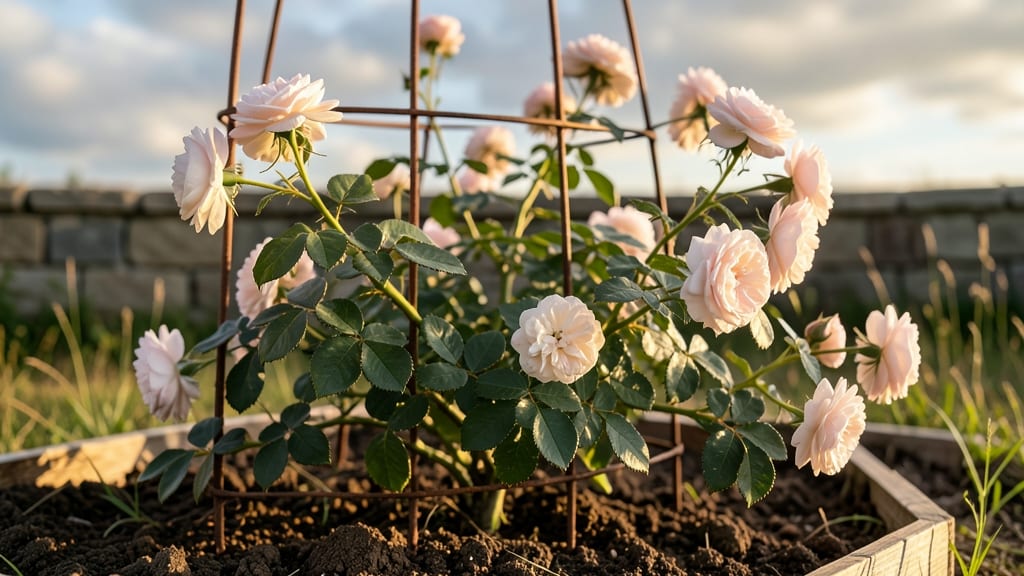
The Angel Face rose tree transforms any yard into a fragrant, blooming paradise with its delicate, blush-pink blooms and velvety petals that perfume the air. 🌸 I planted mine last spring, and by midsummer, it was already heavy with flowers—something my old shrub roses never managed.
The secret lies in its compact, tree-like shape and relentless blooming habit, which keeps it looking lush from early summer through fall.
This rose thrives in full sun to partial shade, making it perfect for small yards or containers where space is limited. Well-draining soil is key—amend heavy clay with compost to keep roots happy, and water deeply once a week (more in extreme heat).
Unlike finicky roses, the Angel Face handles pruning like a champ, so you won’t spend hours shaping it. Just trim back dead wood in late winter and snip spent blooms to encourage more flowers.
By summer’s end, you’ll have a fragrant canopy that attracts bees and hummingbirds while filling your garden with a sweet, old-fashioned rose scent. The blooms stay fresh longer than most roses, and its disease resistance means fewer sprays and more blooms.
Even in winter, its glossy foliage adds structure to the landscape—no dead branches here.
Works equally well in the ground, large pots, or as a focal point near patios. The only real challenge? Resisting the urge to pinch off every bud—trust me, you’ll want to let them bloom. Let’s get yours growing!
📚 In This Guide
- What you need
- Instructions
- Tips and common mistakes
- Wrapping up and next steps
What you need
- ● Angel Face Rose Tree Plant: 1 healthy sapling (ensure it’s disease-resistant and grafted for best results).
- ● Well-draining Potting Soil: 5-10 gallons (mix organic matter like compost or coconut coir for optimal aeration).
- ● Large Container or Garden Space: Container: 15-20 gallon pot with drainage holes (terracotta or fabric pots work well).
- ● Garden: Full sun location (6+ hours daily) with loose, fertile soil.
- ● Slow-Release Fertilizer: 1-2 cups (10-10-10 NPK ratio or rose-specific formula).
- ● Mulch: 2-3 inches (wood chips or straw to retain moisture and regulate temperature).
- ● Pruning Shears: Sharp, sterilized pair (for shaping and maintenance).
- ● Watering Can or Hose: With a gentle spray nozzle (to avoid damaging blooms).
- ○ Support Stake or Trellis: 1 (optional but helpful for heavy blooms or outdoor planting).
- ● Epsom Salt: 1 tablespoon (monthly for magnesium boost).
- ● Rose Food or Tea: 1-2 applications (for extra fragrance and vitality).
- ● Decorative Gravel or Rocks: For aesthetic appeal around the base.
- ● Greenhouse or Cold Frame: If extending the growing season in cooler climates.
- ● Humidity Tray: For indoor plants (to mimic outdoor moisture levels).
How to cultivate a thriving Angel Face rose tree
Here's the straightforward approach to growing this fragrant, repeat-blooming beauty—no gardening degree required.
🌱 Step 1: Choose the Perfect Planting Spot
Angel Face roses thrive in full sun—at least 6-8 hours of direct sunlight daily. A south or southwest exposure works best, but if your yard has limited sun, a spot with morning sun and afternoon shade will still produce blooms, just fewer of them. Avoid deep shade entirely—this rose won’t bloom without adequate light.
Here's the thing—this rose loves well-draining soil but isn’t fussy about pH. Test your soil first; if it’s heavy clay, amend it with 2-3 inches of compost mixed into the top 12 inches of soil. The roots need room to breathe, especially in winter when they’re dormant. I always dig a hole twice as wide as the root ball to encourage outward root growth, which makes the plant more stable and productive.
🪴 Step 2: Plant with Care for Strong Foundation
Set the rose in the hole so the graft union (the swollen bump near the base) sits 1-2 inches above soil level. This prevents rot and ensures the plant develops a strong root system. Backfill with native soil mixed with 1 part compost to improve fertility and drainage. Water deeply to settle the soil and eliminate air pockets around the roots.
Don’t skip mulching—spread 2-3 inches of organic mulch (like wood chips or shredded bark) over the soil surface, keeping it 6 inches away from the stem. This conserves moisture, regulates soil temperature, and prevents weeds. I always use dark mulch because it absorbs heat during the day and releases it slowly at night, which helps in cooler climates.
☀️ Step 3: Water Deeply and Prune for Abundant Blooms
Water deeply once a week (or more in extreme heat) to encourage deep root growth. You’ll know it’s enough when water drains 6-8 inches down into the soil. Overwatering leads to weak stems and fungal issues, so let the top 2 inches of soil dry out between waterings. A drip irrigation system set on a timer is ideal—it delivers consistent moisture without wetting the foliage, which reduces disease risk.
Prune your Angel Face rose twice a year: once in late winter or early spring (before new growth starts) and again after the first flush of blooms in summer. Cut back one-third of the oldest canes to the ground to encourage new growth and more flowers. For shaping, remove dead, crossing, or weak branches at the base. Always use clean, sharp pruners and make cuts just above an outward-facing bud to promote bushier growth.
✂️ Step 4: Feed and Protect for Year-Round Beauty
Fertilize three times a year: in early spring (when new growth appears), mid-summer (after the first flush of blooms), and late summer (to prepare for fall blooms). Use a balanced rose fertilizer (like 10-10-10) and follow the package instructions—overfeeding can lead to lush foliage but fewer flowers. I always water the plant 24 hours before fertilizing to prevent root burn.
Watch for black spot or powdery mildew, common fungal issues with roses. If you spot yellow or black spots on leaves, remove and destroy the affected foliage immediately and apply a fungicide (like neem oil or sulfur spray) as a preventative measure. Spacing the plants 3-4 feet apart improves airflow, which reduces humidity around the foliage and helps prevent disease.
⏰ Step 5: Winterize for Next Season’s Blooms
Before the first frost, reduce watering but keep the soil slightly moist. Once temperatures drop below 20°F, mound 4-6 inches of mulch around the base of the plant to insulate the roots. In colder climates, wrap the canes loosely with burlap and secure with twine to protect against freezing winds. I always leave the graft union exposed—covering it can cause rot.
Prune lightly in late winter (if needed) to remove any dead or damaged canes. Avoid heavy pruning until early spring when new growth signals the plant is waking up. The Angel Face rose is hardy in USDA zones 5-9, but even in warmer zones, a little winter protection ensures a stronger, more vigorous plant come spring.
Tips & tricks for perfect Angel Face rose tree cultivation
These simple secrets will help you avoid common pitfalls and grow a stunning, fragrant Angel Face rose that blooms beautifully year after year.
Sunlight Strategy: In Step 1, when choosing your planting spot, remember that morning sun is more valuable than afternoon sun for Angel Face roses. The cooler morning light helps prevent leaf scorch, which can be a problem in hotter climates. If you're working with limited sun, prioritize the east-facing side of your yard for that crucial 6-8 hours of daily light. The afternoon shade helps prevent stress during the hottest part of the day, which actually encourages more consistent blooming.
Soil Preparation Insight: The 2-3 inches of compost mixed into the top 12 inches of soil in Step 1 isn't just about fertility—it's about creating the perfect air-to-soil ratio. I've found that adding perlite or coarse sand (about 1 part to 3 parts soil) to heavy clay soils makes an even bigger difference than compost alone. This helps prevent that dreaded "soggy bottom" effect where roots suffocate. Think of it as giving your rose's roots room to breathe and stretch out.
Pruning Precision: When you're doing that first pruning in late winter or early spring (Step 3), look for canes that are thinner than a pencil—these are often the oldest growth and should be cut back completely. The rule of one-third for oldest canes is perfect, but here's what nobody tells you: always make your cuts at a slight angle just above an outward-facing bud. This creates a natural shield that protects the cut from rain and prevents disease from entering the plant. It's like giving your rose a tiny umbrella at each cut!
Winter Protection Hack: For that 4-6 inches of mulch in Step 5, I've discovered that straw works even better than wood chips for winter insulation. Straw has better insulating properties and breaks down more slowly, which means you won't need to replace it as often. Plus, it's less likely to compact around the base of the plant. Just make sure to remove any old mulch in early spring before new growth appears—compacted mulch can smother emerging shoots.
Pro Tips for Angel Face Rose Tree
- These simple secrets will help you avoid common pitfalls and grow a stunning, fragrant Angel Face rose that blooms beautifully year after year.
- Sunlight Strategy: In Step 1, when choosing your planting spot, remember that morning sun is more valuable than afternoon sun for Angel Face roses.
- Soil Preparation Insight: The 2-3 inches of compost mixed into the top 12 inches of soil in Step 1 isn't just about fertility—it's about creating the perfect air-to-soil ratio.
Frequently asked questions
Got questions about growing your own angel face rose tree?
You’re not alone! Here are answers to the most common queries to help you nurture a fragrant, blooming beauty year-round.
How long does it take for an angel face rose tree to bloom?
Patience is key! With proper care, your angel face rose may produce its first blooms within 1–2 years after planting. Younger trees focus on root and branch growth, but consistent sunlight (6+ hours/day), well-draining soil, and regular pruning speed up the process. Pro tip: Fertilize lightly in spring to encourage early flowering!
Why aren’t my angel face roses blooming?
No blooms? Don’t panic! Common culprits include:
- Insufficient sunlight: These roses thrive in full sun (6+ hours). Move to a sunnier spot if indoors.
- Over-fertilizing: Too much nitrogen = leafy growth, not flowers. Use a balanced rose fertilizer (10-10-10) sparingly.
- Pruning timing: Prune after blooming (late winter/early spring) to encourage new growth.
- Stress: Check for pests (aphids, spider mites) or root rot from overwatering.
Can angel face roses survive winter outdoors?
It depends on your climate! These tropical beauties are not frost-hardy (USDA zones 9–11). In colder areas:
- Grow in containers and move indoors before temps drop below 40°F (4°C).
- Use a greenhouse or sunroom with bright, indirect light.
- Reduce watering in winter but keep soil slightly moist.
What’s the best alternative if I can’t grow angel face roses?
If your climate or space limits angel face roses, try these fragrant, low-maintenance alternatives:
- Clematis: Climbing vines with heavy blooms (zones 4–9).
- Jasmine (Star or Pink): Fast-growing, highly fragrant (zones 7–10).
- Gardenia: Glossy leaves + creamy blooms (zones 8–11).
- Dwarf Rose Bushes: Compact varieties like ‘Knock Out’ roses for year-round color (zones 4–9).
How do I fix yellow leaves on my angel face rose tree?
Yellow leaves usually signal overwatering or nutrient issues. Here’s how to troubleshoot:
- Check the soil: Stick your finger 1–2 inches deep—if it’s soggy, reduce watering and ensure the pot has drainage holes.
- Test for nutrients: Yellowing between veins? It’s likely iron deficiency. Use a chelated iron supplement or switch to acidic fertilizer (pH 6.0–6.5).
- Pest check: Inspect undersides of leaves for spider mites or aphids (wipe with soapy water if found).
- Light adjustment: Leggy growth + yellow? It’s light-starved. Move closer to a south-facing window or use a grow light.
Wrapping up and next steps
The Angel Face Rose Tree isn’t just a plant—it’s a fragrant, ever-blooming masterpiece that turns any space into a dreamy garden oasis. With the right care, you’ll enjoy its delicate blooms and intoxicating scent for years, proving that beauty and resilience go hand in hand. 🌸
Ready to bring this stunning tree into your life? Start by gathering your supplies, then dive into planting with confidence. Your next step? Pick a sunny spot, roll up your sleeves, and let the magic of the Angel Face Rose Tree transform your outdoor—or indoor—haven!