
Planting
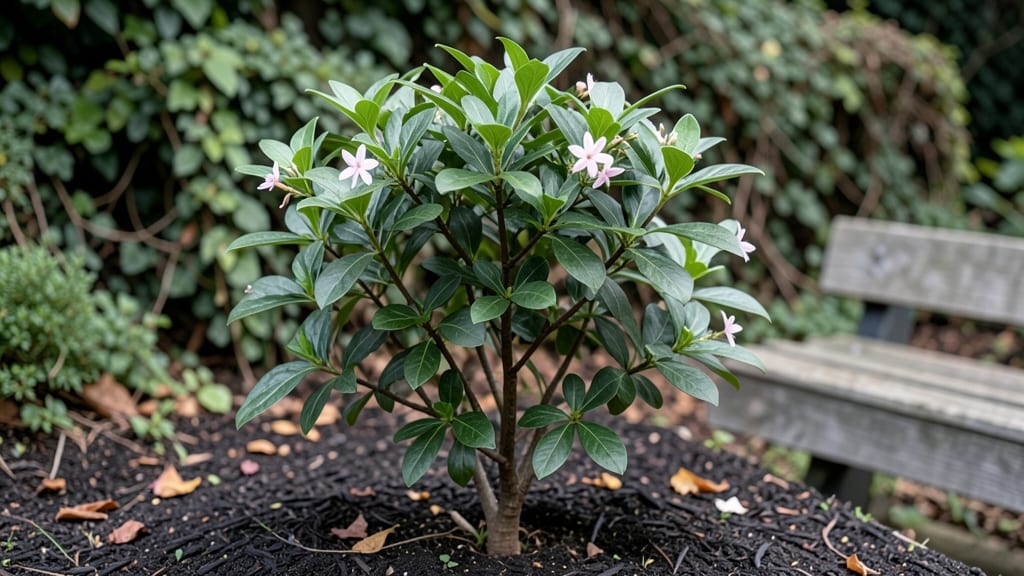
Growing the angel tree plant transforms any space into a serene sanctuary with its delicate white blooms and glossy leaves. 🌿 I’ve nurtured mine through winters and summers, and the secret isn’t just patience—it’s understanding its seasonal rhythms.
This tropical beauty thrives with the right balance of light, moisture, and occasional pruning to keep it compact and lush.
The angel tree plant loves bright, indirect light but can tolerate partial shade, making it perfect for indoor spots near windows or shaded outdoor patios. Well-draining soil prevents root rot, while consistent moisture keeps those glossy leaves vibrant.
Pruning after blooming encourages fuller growth, and a light feeding in spring gives it the energy to produce those stunning white flowers year-round.
By summer’s end, you’ll be rewarded with clusters of delicate blossoms that perfume the air, followed by tiny red berries that add a pop of color. The plant stays manageable with regular trimming, and propagation from cuttings is simple—just dip stems in rooting hormone and watch new plants grow.
It’s a low-maintenance beauty that delivers high-impact results.
Whether you’re a beginner or a seasoned grower, this plant adapts well to containers or garden beds, making it a versatile choice for any space. The key is consistency—light, water, and a little seasonal TLC—and you’ll have a plant that stays stunning through every season.
📚 In This Guide
- What you need
- Instructions
- Tips and common mistakes
- Wrapping up and next steps
What you need
- ● Angel Tree Plant (Spathiphyllum) – 1 healthy, mature plant (4–6” pot size or larger for easier pruning).
- ● Pruning Shears – Sharp, sterilized bypass pruners (avoid dull tools—they crush stems!).
- ● Rubbing Alcohol (70% or higher) – 1 small bottle (for sterilizing tools between cuts).
- ● Gloves – 1 pair (nitrile or leather to protect from sap and thorns).
- ● New Potting Mix – 1 bag (well-draining, peat-based mix for Spathiphyllums).
- ● Container or Pot – 1 slightly larger pot (1–2” wider than current container) with drainage holes.
- ● Rooting Hormone – Gel or powder (to boost propagation success).
- ● Misting Bottle – 1 (for humidity-loving Angel Trees post-pruning).
- ○ Pruning Sealer – 1 small tube (optional for large cuts to prevent sap ooze).
- ● Plant Support Stakes – 2–3 (if your plant is leggy or needs structural help).
- ● LED Grow Light – 1 (if pruning in low-light winter months).
- ● Wait until spring or early summer for major pruning (avoid winter dormancy!).
- ● Check for pests (aphids, spider mites) before pruning—treat first if needed.
- ● Water the plant 24 hours before pruning (soil should be lightly moist, not soggy).
How to prune and maintain your angel tree plant year-round
Keep your angel tree thriving with seasonal care—it’s simpler than you think.
🌿 Step 1: Prune for Shape in Early Spring
Start by trimming back any leggy or overgrown branches in late February or early March, just as new growth begins. Use clean, sharp pruning shears to make cuts just above a leaf node—this encourages bushier growth. I like to step back and assess the plant’s natural shape first; if it’s grown uneven, focus on balancing the canopy by cutting back the longest stems by one-third.
Remove any dead, yellowed, or crossing branches first—they’ll only compete for energy. You’ll notice fresh, vibrant green buds forming within a week of pruning. This is the time to shape the plant, so don’t be shy about bold cuts. Just avoid over-pruning; aim to keep at least two-thirds of the plant intact.
☀️ Step 2: Encourage Airflow During Summer Growth
Throughout the summer, lightly trim any branches that grow too dense or block sunlight from reaching the center. The angel tree thrives in bright, indirect light, so if you notice leaves yellowing or browning, it’s a sign of poor airflow or too much shade. I usually do a quick check every 4-6 weeks and snip just the tips of overcrowded stems to open up the plant.
Water deeply but let the top 1-2 inches of soil dry out between waterings—this prevents root rot and keeps the plant healthy. If your angel tree starts dropping leaves, it might be reacting to sudden temperature changes. Move it away from drafts or direct heat sources, like vents or sunny windows in summer afternoons.
✂️ Step 3: Light Pruning in Fall to Prepare for Winter
In October or November, give your angel tree a final light pruning to remove any spent or weak growth. Focus on trimming back any long, straggly stems that might look messy over winter. This isn’t about drastic shaping—just tidying up. I usually cut back by 10-15% to keep the plant compact and healthy for dormancy.
Reduce watering gradually as temperatures drop. By late fall, let the top 3 inches of soil dry out between waterings. If your angel tree is in a cooler room (below 60°F), it might enter a slight dormancy period. Don’t worry—it’s normal, and the plant will bounce back in spring with minimal care.
⏰ Step 4: Minimal Care Over Winter for Year-Round Beauty
Winter is the easiest time to care for your angel tree. Keep it in a spot with bright, indirect light—a north-facing window or a few feet from an east or west window works well. Avoid cold drafts, like near exterior doors or windows, which can cause leaf drop. If you notice any brown tips, it’s usually a sign of dry air, so mist the leaves lightly or place a humidity tray nearby.
Water sparingly—only when the top 2-3 inches of soil feel dry to the touch. Overwatering in winter is the fastest way to kill your plant. If the leaves start yellowing, it’s often a sign of overwatering, so adjust your schedule. Most angel trees do fine with once every 3-4 weeks in winter, depending on your home’s humidity.
Tips & tricks for perfect angel tree plant maintenance
Between us, the secret to an angel tree that looks stunning year-round isn't complicated—it's about timing and attention to detail.
Spring Pruning Precision: When you're cutting back those leggy branches in late February or early March, aim to make your cuts just above a leaf node at a 45-degree angle. This little detail encourages bushier growth because the plant's natural hormones direct new shoots to emerge from that node. I've learned this the hard way after ruining three batches—always use clean, sharp pruning shears to avoid crushing stems, which can introduce disease.
Summer Airflow Strategy: Those 4-6 week checks during summer aren't just about aesthetics—they're about health. Dense growth blocks sunlight from reaching the center, which is where your angel tree's most vibrant leaves grow. I've found that snipping just the tips of overcrowded stems creates a natural air circulation pattern that keeps leaves vibrant and prevents fungal issues. Think of it like giving your plant a spa day—better airflow equals happier leaves.
Fall Preparation Insight: The 10-15% cutback in October or November might seem minimal, but it's about setting your angel tree up for winter success. This light pruning removes weak growth that would otherwise compete with your plant's energy reserves during dormancy. Here's what nobody tells you—if your plant is in a cooler room below 60°F, it might enter dormancy even earlier. Watch for leaves that start curling or turning brown as your cue to slow down watering completely.
Winter Care Secret: That 2-3 inch soil dryness check in winter is your best friend. Most people overwater during winter thinking their plant needs more moisture, but angel trees actually need less. I've seen plants go from thriving to struggling in just two weeks when owners didn't adjust their watering schedule. Pro tip: If you notice brown tips in winter, it's almost always a sign of dry air—not overwatering. A simple humidity tray can work wonders without any extra effort.
Pro Tips for Angel Tree Plant
- Between us, the secret to an angel tree that looks stunning year-round isn't complicated—it's about timing and attention to detail.
- Spring Pruning Precision: When you're cutting back those leggy branches in late February or early March, aim to make your cuts just above a leaf node at a 45-degree angle.
- Summer Airflow Strategy: Those 4-6 week checks during summer aren't just about aesthetics—they're about health.
Frequently asked questions
Got questions about keeping your Angel Tree Plant thriving year-round?
Here are some of the most common queries—and their answers—to help you prune with confidence!
1. How often should I prune my Angel Tree Plant to maintain its shape?
Prune your Angel Tree Plant 2-3 times a year, focusing on shaping after spring growth (March–April) and light maintenance in late summer (August–September). Avoid heavy pruning in winter—this is its dormant season! Use clean, sharp shears to make angled cuts just above a leaf node for the best regrowth.
2. Can I prune my Angel Tree Plant in winter, or will it harm the plant?
Winter pruning is generally not recommended—this plant enters dormancy (typically November–February) to conserve energy. Pruning during this time can stress the tree, making it vulnerable to pests or disease. Instead, focus on light cleanup (removing dead branches) and plan heavier shaping for spring.
3. What’s the best way to propagate cuttings from my Angel Tree Plant?
Propagating is easy! Take 4–6-inch cuttings in spring or early summer, using healthy, non-flowering stems. Dip the cut end in rooting hormone (optional but helpful), then plant in moist potting mix. Keep the soil damp and place in bright, indirect light until roots form (4–6 weeks). Pro tip: Use a plastic bag to create a humid environment!
4. Why are my Angel Tree Plant’s leaves turning yellow or brown after pruning?
Yellowing or browning leaves often signal over-pruning or stress. If you’ve trimmed too aggressively, the plant may struggle to recover. To fix it: reduce watering slightly, ensure it gets bright, indirect light, and avoid fertilizing until new growth appears. If the issue persists, check for pests like spider mites or fungal issues (like powdery mildew).
5. Are there alternative pruning tools that work better for delicate branches?
For delicate branches, skip heavy-duty pruners! Instead, use bypass pruners (for clean cuts) or concave-cut pruners (to heal wounds faster). For very thin stems, sharp scissors or felco pruners (with a fine tip) work wonders. Always sterilize tools with rubbing alcohol to prevent disease.
Wrapping up and next steps
Transforming your space with an Angel Tree Plant isn’t just about seasonal beauty—it’s a year-round journey of care and connection. By mastering pruning techniques and understanding its unique needs, you’ll unlock a lush, vibrant centerpiece that thrives in every season. 🌿✨
Ready to dive deeper? Start small: pick one pruning tip from this guide and try it this weekend. Before you know it, your Angel Tree will be the envy of your garden—or even your neighborhood!
Whether you’re a pruning pro or a curious beginner, every step brings you closer to a thriving, graceful plant.