
Container Gardens
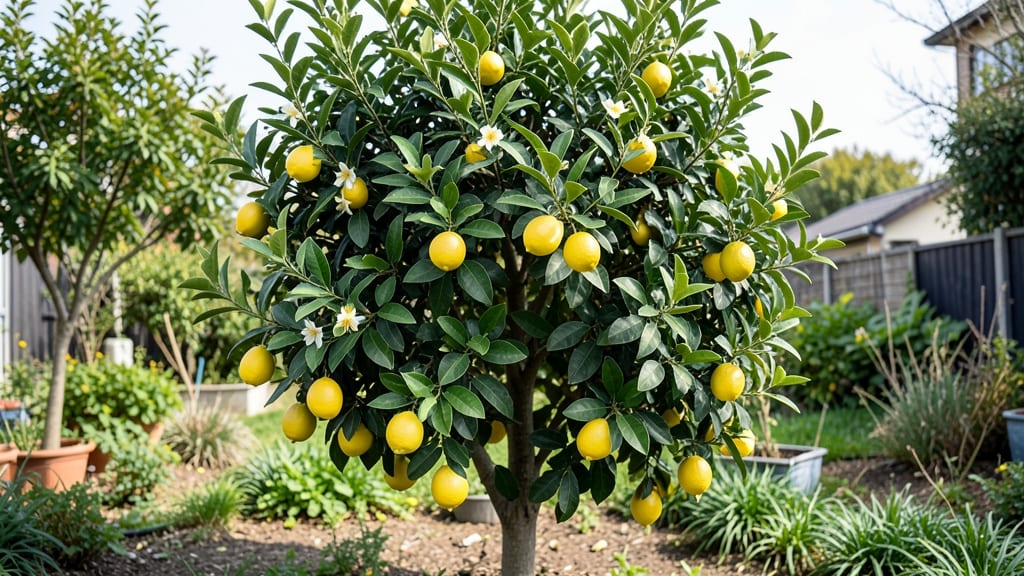
Transform your space with a lemon tree indoor plant and enjoy fresh citrus harvests, no matter how small your apartment. I’ve watched my Meyer lemon tree—barely 3 feet tall—produce fruit twice in three years, and the secret isn’t luck but light, patience, and a few simple adjustments.
The first time I saw those tiny green lemons appear, I nearly dropped my watering can. That moment changed everything.
You’ll need a dwarf variety (like Meyer or Improved Meyer) for indoor success, plus a 10-15 gallon pot with drainage holes. Standard lemon trees grow too large for most homes, but dwarf types thrive under grow lights or near south-facing windows.
The soil should stay lightly moist but never soggy—overwatering is the #1 killer of indoor citrus. A humidity tray or occasional misting keeps the air just right, especially in dry winter months.
By summer, you’ll be harvesting lemons small enough to fit in your palm, their bright yellow skin a shock of color against the green leaves. The scent alone—zesty, fresh, like a slice of sunshine—makes every bit of care worthwhile.
Prune in late winter to shape the tree and encourage new growth, and fertilize lightly every few months. Even if you miss a watering or two, these trees are forgiving.
Works in kitchens, sunrooms, or even bright offices. The key is consistency—no dramatic changes in light or water. Start with a dwarf variety, give it steady care, and you’ll have your own indoor citrus grove before you know it. Ready to get growing?
📚 In This Guide
- What you need
- Instructions
- Tips and common mistakes
- Wrapping up and next steps
What you need
- ● Lemon tree plant: A healthy Citrus limon sapling (dwarf varieties like ‘Meyer’ lemon or ‘Improved Meyer’ lemon work best for indoor growing).
- ● Pot: A well-draining container (12–18 inches in diameter) with drainage holes. Terracotta or ceramic pots are ideal.
- ● Potting mix: A high-quality, well-draining citrus or cactus/succulent mix (avoid heavy garden soil). Add perlite or pumice (20–30%) for extra aeration.
- ● Fertilizer: A balanced citrus fertilizer (e.g., 6-6-6 or 8-3-9 NPK ratio) or organic options like fish emulsion or citrus-specific granules.
- ● Drainage tray: A saucer or tray to catch excess water and prevent root rot.
- ● Pruning shears: Sharp, clean shears for trimming leggy growth or shaping the tree.
- ● Spray bottle: For misting leaves and increasing humidity (especially in dry climates).
- ● Grow lights: A full-spectrum LED grow light (12–16 hours/day) if natural light is insufficient (e.g., 20W–40W bulb).
- ● Humidifier or pebble tray: To maintain 40–60% humidity around the plant.
- ○ Citrus food or micronutrients: Optional but helpful for preventing deficiencies (e.g., iron or zinc supplements).
- ● Support stake or trellis: If your lemon tree grows tall and needs structural support.
Step-by-step guide to growing a thriving indoor lemon tree
Here’s how to nurture a healthy citrus tree indoors—no greenhouse required.
🌱 Step 1: Choose the Right Variety and Pot
Start with a dwarf Meyer lemon tree, which stays manageable indoors. These varieties grow to about 3-4 feet tall and produce fruit reliably in containers. Avoid full-size citrus—they outgrow small spaces quickly.
Use a 10-12 inch diameter pot with drainage holes. Terra cotta pots help wick away excess moisture, preventing root rot. If repotting, go up 2-3 inches in diameter only when roots circle the container—usually every 2-3 years. Overpotting holds too much soil, which stays damp for too long.
☀️ Step 2: Position for Bright, Indirect Light
Place your lemon tree near a south- or west-facing window where it gets 6-8 hours of bright, indirect light daily. Direct midday sun scorches leaves, so use sheer curtains if needed. If natural light is weak, supplement with a grow light kept 6-12 inches above the plant for 12-14 hours daily.
Watch for signs of insufficient light: yellowing leaves, slow growth, or stems stretching toward the window. Rotate the pot quarter-turn weekly so the tree grows evenly. A balanced shape means better fruit production later.
💧 Step 3: Water Deeply and Maintain Consistent Moisture
Water when the top 1-2 inches of soil feel dry to the touch. Stick your finger in—if it’s damp below that depth, wait another day. Overwatering is the #1 killer of indoor citrus. Use room-temperature water to avoid shocking roots, and water until it drains freely from the bottom.
Empty the saucer 10 minutes after watering to prevent soggy roots. In winter, when growth slows, reduce watering by half. Yellow leaves often signal overwatering, while crispy edges mean underwatering. Adjust based on what you see.
✂️ Step 4: Prune for Shape and Health
Prune in late winter or early spring before new growth starts. Remove any dead, diseased, or crossing branches first. Then, trim back leggy stems to encourage bushier growth. Cut just above a leaf node (the bump where leaves attach) to promote new shoots.
Never prune more than one-third of the tree at once. This stress can delay flowering and fruiting. After pruning, clean your shears with rubbing alcohol to prevent spreading disease. The goal is an open center that lets light reach all branches—this boosts fruit set.
🌿 Step 5: Fertilize and Encourage Flowering
Feed every 2-3 months in spring and summer with a balanced citrus fertilizer (6-6-6 or similar). Follow package rates—too much fertilizer burns roots. In fall and winter, reduce to once every 6-8 weeks since growth slows. Flush the soil with water once a month to prevent salt buildup from fertilizers.
To encourage blooms, move the tree to a slightly cooler spot (55-60°F nights) for 2-3 weeks in late winter. This mimics outdoor seasonal changes. Once flowers appear, avoid shaking the tree—citrus flowers are delicate and drop easily. Patience pays off: fruit takes 6-12 months to ripen from bloom.
Tips & tricks for perfect indoor lemon tree care
Real talk: Indoor citrus thrives when you mimic its natural environment. These small adjustments make all the difference between a struggling plant and a flourishing fruit-bearing tree.
Light Strategy: If your south- or west-facing window doesn't get enough sunlight, supplement with a grow light positioned 6-12 inches above the tree for 12-14 hours daily. I've seen trees with weak stems stretch toward light—rotate the pot quarter-turn weekly to prevent this. The goal is even growth, not leggy stems that can't support fruit later.
Soil and Drainage: The 10-12 inch pot with drainage holes is non-negotiable, but here's what nobody tells you: Add a 2-inch layer of gravel or perlite at the bottom before soil. This creates extra drainage space that prevents root rot, especially in terra cotta pots which dry out faster. I learned this the hard way after losing two trees to soggy roots.
Watering Wisdom: Those 1-2 inches of dry soil before watering? Use your finger to check at the same time every few days to build consistency. I keep a small notepad by my plant to track watering days—this helps me remember the winter schedule of halving water amounts. Room temperature water matters too: Cold water shocks the roots and can cause yellowing leaves.
Fertilizing Fine-Tuning: When you flush the soil monthly to prevent salt buildup, do it right after fertilizing. This washes away excess nutrients while keeping the fertilizer's benefits. I use a spray bottle with distilled water for this—it's gentler than running tap water through the soil. The 2-3 month spring/summer schedule is perfect, but if you notice slow growth, add a light feeding in late fall too.
Pro Tips for Lemon Tree Indoor Plant
- Real talk: Indoor citrus thrives when you mimic its natural environment.
- Light Strategy: If your south- or west-facing window doesn't get enough sunlight, supplement with a grow light positioned 6-12 inches above the tree for 12-14 hours daily.
- Soil and Drainage: The 10-12 inch pot with drainage holes is non-negotiable, but here's what nobody tells you: Add a 2-inch layer of gravel or perlite at the bottom before soil.
Frequently asked questions
Got questions about growing a lemon tree indoors?
You’re not alone! Here are answers to the most common queries to help your citrus thrill thrive year-round.
How much sunlight does an indoor lemon tree need?
A lemon tree needs 6–8 hours of bright, direct sunlight daily. Place it near a south- or west-facing window, or supplement with a grow light (12–14 hours/day) if natural light is limited. Yellowing leaves? It’s likely not getting enough light—rotate the pot weekly for even exposure.
Can I grow a lemon tree indoors in winter?
Yes! Lemon trees tolerate indoor winter conditions, but avoid drafts and cold windows (below 50°F/10°C). Reduce watering slightly, as growth slows in cooler months. If buds form, ensure consistent warmth (65–75°F/18–24°C) to encourage blooming. A heat mat can help if your home runs chilly.
How often should I water my indoor lemon tree?
Water when the top 1–2 inches of soil feel dry (usually every 1–2 weeks). Overwatering is the #1 killer—use a pot with drainage holes and a well-draining soil mix (like cactus/sand blend). Pro tip: Stick your finger in the soil to check moisture levels; soggy soil = root rot risk!
Will my indoor lemon tree ever produce fruit?
With patience and care, yes! Dwarf varieties (like ‘Meyer’ or ‘Improved Meyer’) can fruit indoors in 3–5 years. Cross-pollinate flowers with a small brush if bees aren’t visiting, and ensure bright light, warm temps (70°F+/21°C+), and balanced fertilizer (high in phosphorus for blooms). First fruits may be small—celebrate the effort!
What if my lemon tree’s leaves turn yellow or drop?
Yellow leaves often signal overwatering, nutrient deficiency, or pests. Check the soil moisture, prune dead leaves, and inspect for spider mites (tiny webs on undersides). Feed with citrus-specific fertilizer every 2–3 months, and avoid harsh chemicals—neem oil works gently. Pro tip: Flush the soil with water monthly to prevent salt buildup from tap water.
Can I grow a lemon tree from a grocery store lemon?
Slice a lemon, save the seeds, and plant them in moist soil. Germination takes 2–4 weeks in warm (70°F+/21°C+) conditions. Only 1–2 seeds may sprout, and they’ll grow slowly. For faster results, buy a dwarf grafted tree—store-bought seedlings can take years to fruit!
Wrapping up and next steps
Growing a lemon tree indoors isn’t just a dream—it’s a rewarding journey that brings fresh citrus to your kitchen year-round! With the right care, sunlight, and a little patience, you’ll enjoy fragrant blooms, tangy lemons, and the joy of nurturing your own edible plant. 🌱✨
Ready to take the next step? Start by choosing your lemon tree variety (like Meyer or Eureka) and gather your supplies. Then, follow the care tips you’ve learned to keep your tree thriving. Happy growing—your future lemons are waiting! 🍋💛