
Pruning
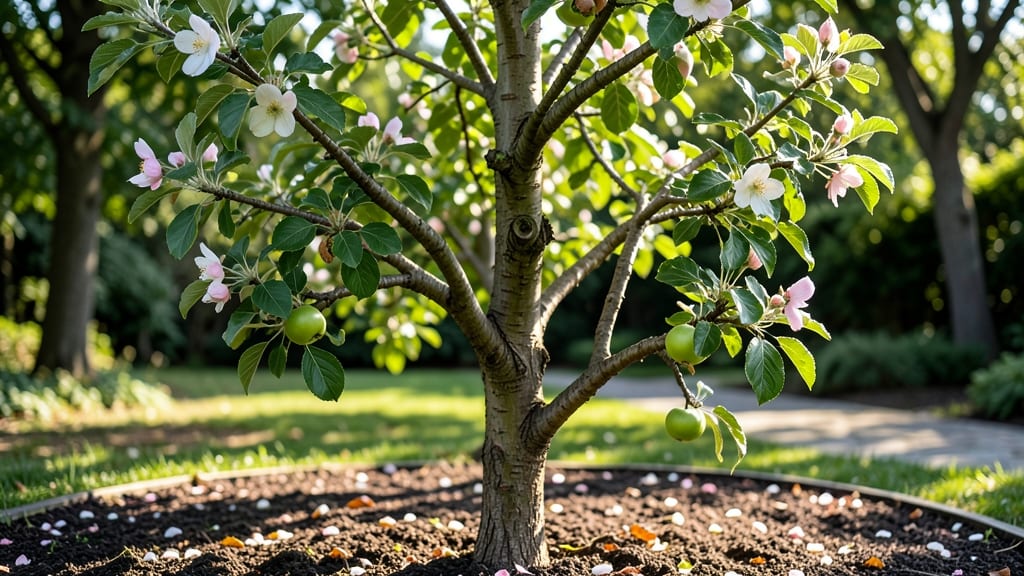
Apple tree maintenance isn’t just about pruning—it’s about keeping your tree productive for decades. 🌳 I’ve watched my 15-year-old tree go from struggling branches to a heavy fruit producer by following a simple seasonal routine. The key is balancing pruning, soil health, and pest checks year-round, not just in spring.
Most people focus only on summer pruning, but winter and early spring are when you shape the tree’s future. You’ll need basic tools—a sharp pruner, gloves, and a ladder—and about 2-3 hours twice a year to keep things in check.
The payoff? Trees that bear consistently and resist disease better than neglected ones.
By summer’s end, you’ll harvest crisp apples while your tree’s structure stays strong. The secret is catching problems early—like suckers or fungal spots—and giving the roots the right nutrients. Think of it as a long-term investment where every small effort adds up to a bountiful harvest.
Works for backyard orchards, container-grown dwarfs, or even that one tree in your yard. Let’s get your tree thriving through every season—no green thumb required, just consistent care.
📚 In This Guide
- What you need
- Instructions
- Tips and common mistakes
- Wrapping up and next steps
What you need
- ● Pruning shears: Bypass pruners (for small branches, 4–6 inches long) – 1 pair (sharp and clean!)
- ● Loppers: For medium branches (8–12 inches), 1 pair (with a long handle for reach).
- ● Pruning saw: For thick branches (2+ inches in diameter) – 1 saw (bow or folding type).
- ● Gloves: Heavy-duty work gloves (cut-resistant) – 1 pair (protects from thorns and sap).
- ● Disinfectant: 70% isopropyl alcohol or pruning sealant (to prevent disease spread).
- ● Twine or zip ties: For securing branches during training or heavy fruit loads.
- ● Extension pole: For high branches (10–15 feet long).
- ● Ladder: Sturdy, non-slip (if tree is tall).
- ● Tree wound paint: (Controversial but useful for large cuts > ½ inch).
- ● Notebook or app: To track pruning notes (e.g., AppleTreePruner app).
- ● Watering can or hose: For post-pruning hydration (especially in dry seasons).
Step-by-Step year-round apple tree maintenance
Keep your apple tree thriving through every season with this proven seasonal care routine.
🌱 Step 1: Early Spring Pruning for Airflow and Light
Prune your apple tree in late winter or early spring—just as buds begin to swell but before new growth starts. This timing ensures you remove dead wood while stimulating fresh growth. Start by removing any crossing branches that rub against each other, as these create wounds where disease can enter. Use clean, sharp pruning shears to make cuts at a 45-degree angle, about ¼ inch above an outward-facing bud—this encourages healthy growth in the right direction.
Next, thin out any suckers (shoots growing from the base) and water sprouts (vertical shoots growing straight up). These compete with the main structure for nutrients. Aim to open up the center of the tree so light and air can circulate freely—this reduces humidity and fungal risks. If your tree has been neglected, you might need to remove up to 25% of the canopy in the first year to restore balance.
☀️ Step 2: Summer Care for Pest and Disease Prevention
During summer months, monitor your tree for aphids, codling moths, and apple scab—common pests and diseases that thrive in warm, humid conditions. I like to use neem oil spray (mixed with water and a drop of dish soap) every 2-3 weeks as a preventive measure. Apply it in the early morning or late evening to avoid harming bees and other beneficial insects. Always spray until the leaves are glistening but not dripping—this ensures full coverage without wasting product.
Water deeply once a week during dry spells, aiming for 1-2 inches of water per week. The soil should be moist 6 inches deep—stick a screwdriver into the ground to check. Avoid overhead watering, which can spread fungal spores. Mulch the base of the tree with 3-4 inches of organic mulch (like wood chips) to retain moisture and suppress weeds, but keep the mulch 6 inches away from the trunk to prevent rot.
✂️ Step 3: Late Summer/Fall Fruit Thinning and Soil Prep
If your tree bore fruit this year, thin the apples in late June or early July while they’re still small. Remove excessive fruit clusters, leaving only 6-8 apples per branch—this ensures the remaining fruit grows larger and develops better flavor. Use sterilized pruning shears or your fingers to gently twist off small apples. Avoid tearing the stem, as this can damage the branch and invite disease.
In fall, rake up and dispose of any fallen leaves or fruit to reduce disease overwintering. Apply a balanced, slow-release fertilizer (like 10-10-10) in early fall to replenish nutrients lost during the growing season. Spread it 6 inches away from the trunk and water it in thoroughly. This timing gives roots time to absorb nutrients before winter dormancy. If your tree is young (under 5 years old), skip the fertilizer and focus on soil health instead—over-fertilizing can harm tender roots.
⏰ Step 4: Winter Protection for Young and Mature Trees
In winter, protect young apple trees (under 3 years old) from freeze damage by wrapping the trunk with tree wrap or burlap. This prevents sun scald, which occurs when winter sun warms the bark, followed by a sudden freeze. For mature trees, avoid heavy snow buildup on branches—shake it off gently or use a long-handled broom to remove excess weight. If your tree is in a windy area, consider staking it for support, especially if it’s newly planted.
Prune out any dead, diseased, or broken branches in late winter before buds swell. Sterilize your tools with rubbing alcohol between cuts to prevent spreading disease. If your region experiences extreme cold (below 10°F), wrap the trunk with insulating foam or straw for added protection. Avoid pruning in winter unless absolutely necessary—dormant trees are more susceptible to stress and disease.
Tips & tricks for perfect apple tree maintenance
A few strategic moves can transform your seasonal care routine from good to exceptional. Here's what I've learned after years of trial and error with my own orchard.
Pruning Precision: When making those 45-degree cuts in Step 1, aim for the "bud eye" at the outer edge of the branch collar—the raised area where the branch meets the trunk. This ensures new growth emerges in the right direction. I've seen many gardeners cut too close to the trunk, which creates unsightly scars that never heal properly. Use a sharp pair of shears and make clean cuts without tearing the bark—this prevents disease entry points. For larger branches, consider using a pruning saw for cleaner cuts.
Pest Prevention Strategy: The neem oil spray in Step 2 works wonders, but timing is everything. Apply it when temperatures are between 50-85°F and there's no rain forecast for 24 hours. This ensures the spray has time to work without being washed away. I also recommend rotating with horticultural oil every other application—this two-pronged approach breaks pest life cycles more effectively. Always stir before spraying to ensure even distribution of the active ingredients.
Fruit Thinning Technique: In Step 3, when thinning apples, focus on spacing them evenly along the branch rather than just removing excess. Leave the largest apples toward the outer edges where sunlight reaches them best. I've found that apples closer to the trunk often develop uneven coloring or misshapen forms. For young trees, you might need to remove up to 75% of the fruit to prevent overburdening the tree's energy reserves.
Winter Protection Upgrade: For trees in regions experiencing temperatures below 10°F, consider adding a layer of bubble wrap around the tree wrap or burlap. This extra insulation can make a significant difference in preventing freeze damage. I've also had success using straw bales around the base of young trees—just make sure they're not touching the trunk. This creates a microclimate that retains heat and protects against temperature fluctuations.
Pro Tips for Apple Tree Maintenance
- A few strategic moves can transform your seasonal care routine from good to exceptional.
- Pruning Precision: When making those 45-degree cuts in Step 1, aim for the "bud eye" at the outer edge of the branch collar—the raised area where the branch meets the trunk.
- Pest Prevention Strategy: The neem oil spray in Step 2 works wonders, but timing is everything.
Frequently asked questions
Got questions about keeping your apple tree thriving year-round?
Here are some of the most common concerns—plus quick, actionable answers to keep your tree happy and productive.
When is the best time to prune an apple tree?
The ideal time to prune is late winter or early spring (just before buds swell) when the tree is dormant but about to wake up. Avoid pruning in fall—it can invite pests and diseases. For young trees, light pruning in summer (after harvest) can also help shape growth. Pro tip: Never prune during frost or extreme weather!
How much should I trim off an apple tree?
Remove no more than 20-25% of the tree’s canopy in a single session to avoid stress. Focus on:
- Dead, diseased, or crossing branches
- Suckers (shoots growing from the base)
- Water sprouts (vertical shoots)
- Overcrowded branches to improve airflow
Why are my apple tree leaves curling or spotted?
Curling or spotted leaves are often signs of pests (aphids, mites) or diseases (apple scab, powdery mildew). Start with these fixes:
- Spray with neem oil or insecticidal soap for pests.
- Apply copper fungicide if you see fungal spots.
- Remove and dispose of infected leaves to prevent spread.
- Ensure proper watering and spacing to reduce humidity.
Will pruning reduce my apple harvest?
Not if done correctly! Pruning actually improves fruit quality by:
- Increasing airflow to reduce disease
- Focusing energy on larger, healthier fruit
- Opening the canopy for better sunlight exposure
How do I protect my apple tree in extreme heat or cold?
Apple trees are resilient but need extra care in heatwaves or freezes:
- Heat: Mulch the base, water deeply (but not excessively), and avoid overhead irrigation.
- Cold: Wrap the trunk with tree wrap in winter, and protect young trees with burlap or frost cloth.
- Monitor for sunscald (brown patches on bark) in winter—use white tree paint if needed.
Can I use the same pruning tools for all my fruit trees?
While you can use the same clean, sharp tools across fruit trees, disinfect them between trees to prevent disease spread. Use:
- 70% rubbing alcohol or a bleach solution (1 part bleach to 9 parts water).
- Replace dull blades—they tear bark, inviting infections.
- Use bypass pruners for clean cuts and loppers/saws for thicker branches.
Wrapping up and next steps
With the right knowledge and a little dedication, keeping your apple tree thriving year-round is totally within reach! 🌳 From pruning for better fruit production to protecting against pests, each step you take ensures a healthier tree—and tastier harvests down the road. Start small: pick one seasonal task this month, like inspecting branches for winter damage or planning your spring pruning schedule.
Your apple tree’s future is in your hands—now go give it the care it deserves! 🍏✨