
Fertilization
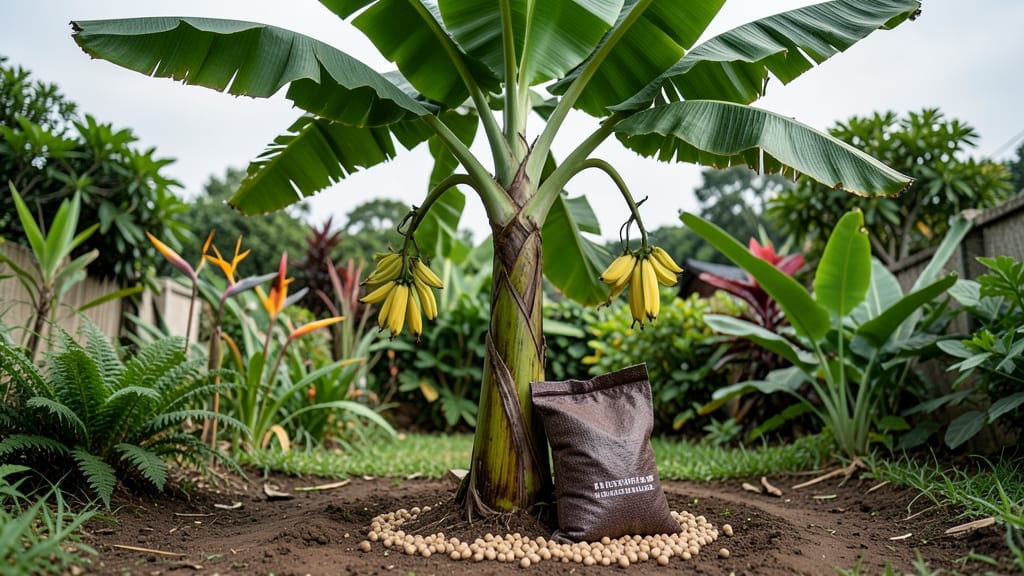
Banana trees need the right fertilizer to grow those massive, glossy leaves and sweet fruit clusters—otherwise, you end up with stunted plants or bitter bananas. 🌿 I’ve learned the hard way that generic lawn fertilizer won’t cut it; banana trees demand a balanced mix of nutrients, especially potassium for fruit development and magnesium for vibrant foliage.
The secret isn’t just throwing fertilizer at the plant—it’s timing and ratios. A 20-20-20 formula works well, but banana trees often need extra potassium (like a 0-10-10 boost) when flowering.
Organic options like composted manure or banana peel tea add slow-release nutrients, while synthetic fertilizers give quick results. Just avoid overdoing nitrogen, or you’ll get leaves instead of fruit.
By mid-summer, you’ll notice stronger stems, larger leaves, and—if you’re lucky—those signature banana flower buds forming. The key is consistency: feed every 4-6 weeks during growing season, then taper off in winter. Too much fertilizer burns roots, so always water thoroughly after application.
Works for both container-grown and in-ground banana trees, even in cooler climates with the right care. Let’s get those plants producing like tropical giants!
📚 In This Guide
- What you need
- Instructions
- Tips and common mistakes
- Wrapping up and next steps
What you need
- ● Balanced fertilizer (NPK ratio): 10-10-10 or 12-12-12 (general-purpose, 5–10 lbs per application)
- ● OR organic options like composted manure (5–10 lbs) or banana peel compost
- ● Potassium-rich fertilizer: 0-0-50 or 0-0-30 (2–3 lbs per application for fruiting trees)
- ● Magnesium sulfate (Epsom salt): 1 lb per 10 gallons of water (for yellowing leaves)
- ● Citric acid or iron chelate: 1 tbsp per gallon (for chlorosis prevention)
- ● Garden trowel or spade (for soil incorporation)
- ● Watering can or hose (with adjustable nozzle)
- ● Measuring cup or scale (for precise fertilizer doses)
- ● Gloves (to protect hands from soil/fertilizers)
- ○ Optional: Soil pH test kit (ideal range: 5.5–7.0 for bananas)
- ● Well-draining, slightly acidic soil (mix in perlite or coconut coir if needed)
- ● Sunny location (6+ hours of direct sunlight daily)
- ● Mature trees: Prune dead leaves/fronds before fertilizing
Step-by-Step guide to fertilizing banana trees for optimal growth
Here’s how to feed your banana tree for vibrant leaves and bountiful fruit—without overdoing it.
🌿 Step 1: Choose the Right Fertilizer for Your Banana Tree
Banana trees thrive on a balanced fertilizer with a higher potassium (K) content—think 6-6-6 or 8-3-9 ratios—since potassium promotes fruit development. I like to use a slow-release organic fertilizer like composted manure or banana-specific blends, as they feed roots steadily without burning tender foliage. Avoid high-nitrogen fertilizers (like those labeled 10-0-0), which encourage leafy growth at the expense of fruit.
If you’re using a liquid fertilizer, dilute it to half-strength for the first application. This lets your banana tree adjust to the nutrient influx without shock. Always check the label for application rates—overfeeding can lead to salt buildup in the soil, which stunts growth or even kills the plant.
💧 Step 2: Apply Fertilizer at the Right Time and Frequency
Feed your banana tree every 4-6 weeks during its active growing season (spring through early fall). This aligns with the plant’s natural cycle, when it’s absorbing nutrients most efficiently. Start fertilizing 2-3 weeks after transplanting to give roots time to establish before introducing extra nutrients.
Here’s the thing—never fertilize in winter unless you’re in a frost-free zone. Banana trees go dormant or slow growth during cooler months, and extra nutrients can encourage weak, leggy shoots that won’t survive. Wait until you see new leaf growth (a sure sign the tree is waking up) before resuming feeding.
☀️ Step 3: Spread and Water Fertilizer Correctly
Work the fertilizer into the top 4-6 inches of soil around the base of the plant, avoiding direct contact with the trunk. Banana trees have shallow roots, so spreading fertilizer evenly in a 12-inch radius ensures nutrients reach where they’re needed. Use a garden fork or trowel to gently loosen the soil first—this prevents compaction and helps roots access the fertilizer.
Water the soil thoroughly after applying fertilizer to activate it and prevent burn. Aim for 1-2 inches of water per application, letting it soak in completely. If you’re using granular fertilizer, I like to water lightly first, then apply the granules, and water again to settle everything. This two-step method reduces the risk of fertilizer sitting on the soil surface and causing salt buildup.
✂️ Step 4: Monitor Growth and Adjust as Needed
Watch for signs of over- or under-fertilization. Yellowing leaves with brown edges? That’s often a sign of too much salt from fertilizer. Flush the soil with 3-4 inches of water to leach out excess salts. On the flip side, if leaves turn pale green or yellow (a classic nitrogen deficiency), switch to a balanced or nitrogen-rich fertilizer for a few weeks and reapply.
Real talk: Banana trees are heavy feeders, but they don’t need constant attention. Once established, a monthly feeding during the growing season keeps them happy. If you notice fewer flowers or small fruit, increase potassium-rich fertilizers like banana peels (composted) or wood ash (sparingly). Just don’t go overboard—banana trees reward consistency over excess.
Tips & tricks for perfect banana tree fertilizing
Took me years of trial and error to figure out these key tricks for keeping banana trees thriving—here's what actually works.
Fertilizer Ratio Insight: When selecting a 6-6-6 or 8-3-9 blend, pay close attention to the potassium number first. This is what directly impacts fruit development, not just leaf growth. I've seen trees with perfect foliage but no fruit because they were getting too much nitrogen. For established trees, a slight potassium boost (like 5-5-10) can work wonders for fruit production without overloading the system.
Seasonal Timing Secret: The 4-6 week feeding schedule in Step 2 assumes ideal spring/fall conditions. In hotter climates, you might need to feed every 3-4 weeks—watch for leaf color as your guide. In cooler areas, stretch it to 6-8 weeks. The key is always to fertilize when you see new leaf growth, not on a rigid calendar. This aligns perfectly with the tree's natural nutrient demands.
Application Technique: For Step 3's soil incorporation, I recommend using a small garden fork rather than a trowel. The fork's tines help break up compacted soil without damaging the shallow roots, creating better channels for nutrient absorption. Work the fertilizer into those loose pockets—this makes all the difference in how efficiently your tree uses what you've applied.
Troubleshooting Tip: When you notice yellowing with brown edges (Step 4 warning sign), don't just flush the soil—mix in a handful of composted banana peels or wood ash around the base. This adds natural potassium while helping balance the soil pH. I've revived several trees this way that were on the verge of fertilizer burn. The compost also helps restore beneficial microbes disrupted by salt buildup.
Pro Tips for Banana Tree Fertiliser
- Took me years of trial and error to figure out these key tricks for keeping banana trees thriving—here's what actually works.
- Fertilizer Ratio Insight: When selecting a 6-6-6 or 8-3-9 blend, pay close attention to the potassium number first.
- Seasonal Timing Secret: The 4-6 week feeding schedule in Step 2 assumes ideal spring/fall conditions.
Frequently asked questions
Got questions about fertilizing your banana tree? You’re not alone!
Here are some of the most common concerns—plus straightforward answers to keep your tree thriving.
How often should I fertilize my banana tree?
For young banana trees (under 2 years old), apply fertilizer every 2–3 months during the growing season (spring to fall). Mature trees (2+ years) need feeding every 4–6 weeks when actively growing. Reduce or stop fertilizing in winter—banana trees rest then! Pro tip: Over-fertilizing burns roots, so always follow label rates.
Can I use regular garden fertilizer on my banana tree?
Not ideal! Banana trees thrive on a balanced, potassium-rich fertilizer (e.g., 10-10-10 or 6-12-12). Avoid high-nitrogen lawn fertilizers—they promote leafy growth at the expense of fruit. For organic options, try compost, banana peels, or fish emulsion. Always check soil pH (aim for 6.0–7.5) before applying.
Why are my banana tree leaves turning yellow?
Yellow leaves often signal over- or under-fertilization, nutrient deficiencies (like magnesium or potassium), or poor drainage. Troubleshoot:
- Check fertilizer application rates—reduce if burning roots.
- Test soil for deficiencies (Epsom salt for magnesium, wood ash for potassium).
- Ensure pots/drainage holes prevent waterlogging.
Will fertilizer make my banana tree produce more fruit?
Banana trees need consistent nutrients (especially potassium and phosphorus) to set fruit. However, age matters—trees under 18 months won’t fruit, no matter how much you fertilize. For established trees, pair fertilizer with regular watering (2–3 inches/week) and pruning dead leaves to boost energy for fruiting.
Are there organic alternatives to chemical fertilizers?
Yes! Try these natural, nutrient-packed options:
- Banana peels: Chop and bury near roots (rich in potassium!).
- Compost/manure: Mix into soil for slow-release nutrients.
- Wood ash: Sprinkle lightly (adds potassium and raises pH slightly).
- Fish emulsion or seaweed extract: Liquid feeds for quick uptake.
How long until I see results after fertilizing?
With proper care, you’ll notice healthier leaves in 4–6 weeks and fruit development in 3–6 months (for mature trees). Young trees may take 1–2 years to bear fruit, even with fertilizer. Patience is key! Track growth by monitoring leaf size, stem thickness, and flower spikes (a sign of fruiting).
Wrapping up and next steps
Choosing the right banana tree fertilizer is your secret weapon for thriving tropical greenery and bountiful harvests! 🌱 Whether you opt for organic compost, balanced NPK blends, or specialized banana fertilizers, consistency and proper application are key.
Now that you’re armed with knowledge, it’s time to roll up your sleeves—monitor your tree’s growth, adjust nutrients as needed, and enjoy the rewards of your hard work!
Next step: Grab your fertilizer, follow the guidelines, and watch your banana tree flourish like never before! 🍌✨