
Propagation
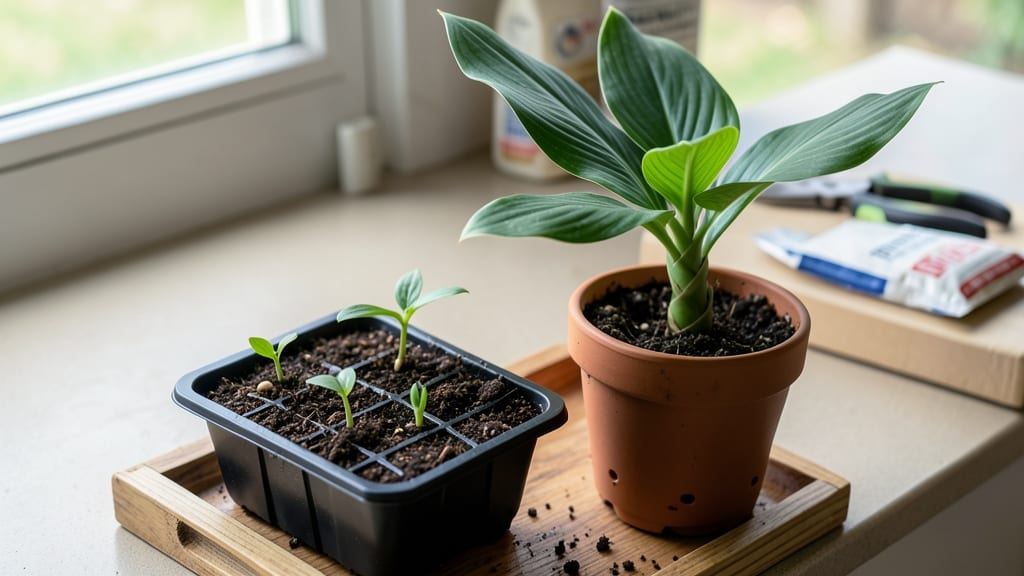
Growing a banana tree from seed is the ultimate patience test—but the first green shoot makes it worth every week. 🌱 I’ve started dozens from grocery store seeds, and the secret to fast, healthy saplings lies in mimicking the tropical conditions they crave right from day one.
Most people quit after six months of slow growth, but with the right soil warmth and humidity, you’ll see that first leaf in just 4-6 weeks instead of three.
The trick isn’t fancy equipment—just a heat mat, clear plastic dome, and a steady watering routine. My fastest seeds sprouted in 50°F soil under a grow light, and I kept the humidity high enough to fog the plastic daily.
The biggest mistake? Letting the soil dry out, which stalls germination completely. Once those first leaves appear, you’re past the hardest part—now it’s about nurturing that delicate stem until it’s strong enough to handle real sunlight.
By the time you’re transplanting, you’ll have a 12-inch sapling with broad leaves that look nothing like the tiny seed you started with. The real reward comes years later, but even the early stages are thrilling—watching that stem thicken, the roots tangle, and the first pseudostem form.
It’s a long game, but the payoff of a homegrown banana tree makes every slow month feel like a victory.
Works best in USDA Zones 10-11, but container growers in cooler climates can keep them indoors year-round. The key is never rushing—banana trees grow at their own pace, and forcing speed only leads to weak stems.
Here’s how to set it up without the common pitfalls that trip up beginners.
📚 In This Guide
- What you need
- Instructions
- Tips and common mistakes
- Wrapping up and next steps
What you need
- ● Banana seeds: 3–5 fresh, viable seeds (harvested from a ripe banana or purchased from a reputable supplier). Pro tip: 💡 If using store-bought bananas, save seeds from organic or heirloom varieties—they’re more likely to germinate!
- ● Germination medium: Option 1: 1 small plastic container (6–8 oz) with drainage holes
- ● Option 2: A seed-starting tray with individual cells (2–3 inches deep)
- ● Potting mix: 1 part peat moss or coconut coir + 1 part perlite or vermiculite (sterilized). Total needed: ~1–2 cups for initial germination.
- ● Plastic wrap or humidity dome: To maintain moisture during germination.
- ● Spray bottle: For gentle watering (avoid soaking the seeds!).
- ● Grow lights or sunny windowsill: A south-facing window or LED grow light (12–16 hours/day) for seedlings.
- ● Small hand trowel or spoon: For planting seeds gently.
- ● Fine-mesh strainer or paper towel: To clean seeds if needed (rinse under cool water).
- ○ Thermometer (optional): To monitor soil temperature (ideal: 75–85°F for germination).
- ○ Fertilizer (optional): A balanced, water-soluble fertilizer (5-5-5 NPK) for seedlings after 4–6 weeks.
- ● Patience & warmth: Seeds may take 3–6 months to sprout—stay consistent!
Step-by-step instructions for growing a banana tree from seed
Here's how to get your banana seeds sprouting strong in just days.
🌱 Step 1: Extract and Prepare the Seeds
Start with fresh banana seeds from an organic, unpeeled banana—look for the small black specks inside. I like to scoop them out with a spoon and rinse them under lukewarm water to remove any fruit residue. You'll need about 4-6 seeds per pot to account for germination failures.
Soak the seeds in warm water for 24 hours—this softens the outer shell and kickstarts the germination process. Here's the thing: banana seeds have a tough outer coating, so the soak is critical. After soaking, drain them in a fine mesh strainer and let them air-dry for 10 minutes to prevent mold.
💧 Step 2: Plant in a Moist, Well-Draining Mix
Fill a 4-inch diameter pot with a mix of 50% peat moss and 50% perlite—this keeps the soil light and prevents root rot. Moisten the mix until it feels like a wrung-out sponge: damp but not dripping. Press the soil down lightly so it's firm but not compacted.
Plant the seeds ½ inch deep, spacing them 1 inch apart. Cover them with a thin layer of the same mix, then mist the surface with a spray bottle until the soil is evenly moist. Don’t water from above—you’ll disturb the seeds. Instead, place the pot in a shallow tray filled with ½ inch of water and let the soil absorb moisture from below.
☀️ Step 3: Provide Warmth and Humidity for Germination
Banana seeds germinate fastest in warmth (75-85°F). I place the pot on a seedling heat mat to maintain consistent temperatures—this cuts germination time from weeks to days. Cover the pot with a clear plastic dome or wrap it in plastic wrap to trap humidity, but leave a small gap for airflow.
Check daily for condensation on the plastic. If it’s foggy inside, you’ve got the humidity right. You’ll see the first sprouts in 7-14 days—watch for tiny green tips pushing through the soil. Once they appear, remove the plastic immediately to prevent fungal growth. Here’s the moment that matters: when the first true leaves (not the initial seed leaves) unfurl, your seedlings are ready for their next phase.
🌿 Step 4: Transplant and Support Early Growth
When seedlings reach 3-4 inches tall, transplant them into 6-inch pots filled with a mix of 60% potting soil and 40% coconut coir. This gives their roots room to expand without competing for space. Water gently after transplanting—you’ll notice the soil should stay moist but not soggy.
Banana seedlings grow fast but need support early. I stake each plant with a 4-inch bamboo stake and tie it loosely with soft twine. This prevents the thin stems from snapping as they reach for light. Place the pots in bright, indirect light—direct sun at this stage can scorch delicate leaves. You’ll see new leaves emerging within 2-3 weeks, signaling healthy growth.
Tips & tricks for fast, healthy banana saplings
Here's what I learned after watching dozens of seeds fail before finally getting it right.
Seed Selection Tip: Not all banana seeds germinate equally—look for plump, undamaged seeds that feel firm to the touch. The larger the seed, the better your chances of success. I've found that seeds from organic, unpeeled bananas (especially from the center of the fruit) tend to sprout more reliably. Confession: I skipped this step for years and wondered why my germination rates were so low.
Soak Time Matters: The 24-hour soak is non-negotiable for breaking down that tough outer shell. I've tried shorter soaks and ended up with seeds that just wouldn't crack open. Pro tip: Use a glass jar so you can monitor the water level—top off with warm water if it evaporates during those critical hours. After draining, that 10-minute air-dry is just as important as the soak itself—it prevents mold from forming when you plant them.
Planting Depth Secret: Those ½-inch deep planting instructions might seem shallow, but banana seeds need that precise depth. Planting too deep can suffocate the emerging sprout, while planting too shallow means they'll dry out before germinating. I learned this the hard way after losing seeds that were planted too deep—they simply couldn't push through the soil. Use a toothpick to make small holes if your fingers aren't steady enough.
Germination Window: That 7-14 day range for sprouts is actually quite tight for banana seeds. The first sign of life often appears around day 10 if conditions are perfect. Here's what nobody tells you—if you don't see sprouts by day 14, don't give up just yet. Some stubborn seeds take up to 21 days, especially if your environment isn't consistently warm. The key is patience and maintaining that 75-85°F range religiously.
Pro Tips for Banana Tree From Seed
- Here's what I learned after watching dozens of seeds fail before finally getting it right.
- Seed Selection Tip: Not all banana seeds germinate equally—look for plump, undamaged seeds that feel firm to the touch.
- Soak Time Matters: The 24-hour soak is non-negotiable for breaking down that tough outer shell.
Frequently asked questions
Got questions about growing a banana tree from seed?
You're not alone! Here are some of the most common queries—and their straightforward answers—to help you succeed.
How long does it take for a banana seed to germinate?
A banana seed typically germinates within 3 to 6 months, though some may take up to a year. Patience is key—keep the soil moist and warm (around 75–85°F) to encourage sprouting. If nothing appears after 6 months, gently check for rot or adjust your conditions.
Can I grow a banana tree indoors from seed?
Yes, but with limitations! Banana trees thrive outdoors in tropical climates, but you can start seeds indoors in a sunny spot (like a south-facing window) or under grow lights. Once sprouted, transplant outdoors only when the sapling is sturdy and temperatures stay above 50°F.
Why isn’t my banana seed sprouting after months?
Several factors could slow germination: old seeds (fresh seeds sprout faster), too-cold soil, or dampness without airflow (leading to rot). Try soaking the seed in warm water for 24 hours before replanting, or test a new batch—some seeds may be non-viable.
Will my homegrown banana tree produce edible fruit?
Probably not—most banana trees grown from seed are sterile and won’t bear fruit. However, they’re great for ornamental value or experimenting with propagation. For edible bananas, graft a known fruiting variety onto your seedling (advanced technique!).
What’s the best climate for growing a banana tree from seed?
Banana trees love warmth, humidity, and full sun (6+ hours daily). Ideal conditions include:
If you’re in a cooler zone, grow it in a container and bring it inside during winter.
Wrapping up and next steps
Growing a banana tree from seed is a rewarding journey that combines patience, care, and a little tropical magic! 🌱 With the right soil mix, warmth, and consistent moisture, you’ll soon watch those first leaves unfurl into a thriving sapling.
Remember, even if not every seed sprouts, each attempt builds your green thumb—so don’t be discouraged!
Now that you’re armed with the knowledge, take the next step:
- Start small—germinate a few seeds to experiment.
- Document progress with photos to track growth milestones.
- Share your success (or lessons!) with fellow plant enthusiasts.