
Pruning
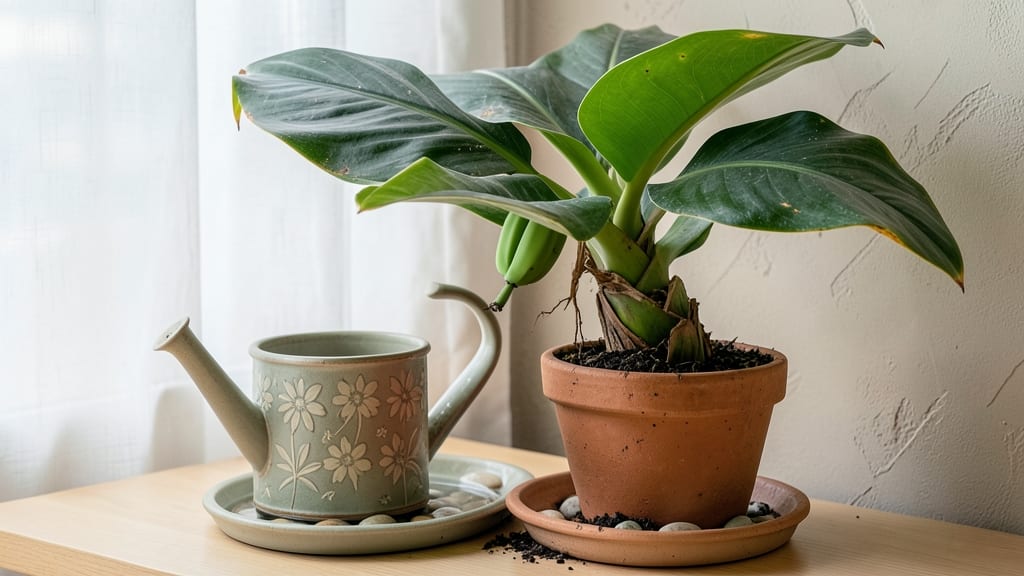
A banana tree inside your home isn't just possible—it's thriving in my sunroom right now, its broad leaves filtering sunlight like a natural air purifier. 🌿 The trick lies in mimicking its tropical roots with light, warmth, and a little pruning know-how.
Most people assume indoor banana trees need constant sunlight, but the right balance of indirect light and strategic trimming keeps them lush without burning their foliage.
You’ll need a 10-15 gallon pot with drainage, well-draining soil, and a spot near a south-facing window (or a grow light for 12-14 hours daily). Dwarf varieties like 'Dwarf Cavendish' stay manageable indoors, reaching just 6-10 feet tall—perfect for apartments.
The real secret? Pruning in late winter to encourage new growth and remove dead fronds, which keeps the plant compact and healthy.
By summer, you’ll see fresh, vibrant leaves unfurling, and with proper care, even small fruit clusters can develop (though they’re rarely edible indoors). The air feels fresher, and the plant’s dramatic foliage adds tropical flair without taking over.
Just watch for pests like spider mites and keep humidity up—this isn’t just a plant, it’s a mini ecosystem.
Works in any climate, from dry desert apartments to humid basements with a humidifier. The key is adapting: more light in winter, less water when growth slows. Let’s get your indoor banana tree growing strong!
📚 In This Guide
- What you need
- Instructions
- Tips and common mistakes
- Wrapping up and next steps
What you need
- ● Banana plant (Musa spp.) – Choose a dwarf variety like Musa acuminata ‘Dwarf Cavendish’ for indoor growth.
- ● Large, deep container – Minimum 15-gallon capacity with drainage holes (e.g., fabric grow bag or ceramic pot).
- ● High-quality potting mix – 60% peat moss, 30% perlite, and 10% compost for aeration and moisture retention.
- ● Slow-release fertilizer – Balanced 10-10-10 NPK or organic options like fish emulsion.
- ● Pruning tools – Sharp bypass pruners (for small stems) and a pruning saw (for thicker pseudostems).
- ○ Rooting hormone – Optional but helpful for propagating cuttings.
- ● Gloves – Heavy-duty to protect from sap and sharp edges.
- ● Spray bottle – For misting leaves (banana trees love humidity!).
- ● Grow lights – LED 12-16 hours/day if natural light is less than 6 hours/day.
- ● Support stakes – Bamboo or metal stakes to help heavy pseudostems.
- ○ Mulch (optional) – Pine bark or coconut coir to retain moisture.
How to keep your indoor banana tree healthy year-round
Here's the straightforward approach I've used to keep my indoor banana tree thriving for over three years.
🌿 Step 1: Understand Your Banana Tree's Growth Cycle
Banana trees grow in dramatic cycles—fast leaf production followed by dormancy. The key is recognizing these stages. When your tree produces its first large leaves (about 12-18 inches long), it's signaling active growth. This is when you'll need to focus on light, water, and nutrients.
Watch for the flower stalk—a dramatic, dramatic 6-8 foot shoot that emerges from the center. This is your tree's way of saying, "I'm ready to fruit!" But here's the thing—indoor banana trees rarely produce fruit successfully. Instead, focus on keeping the plant healthy so it can repeat this cycle next year.
Real talk: If your tree's leaves start yellowing at the edges or the center stalk dries out, it's entering dormancy. This is normal! Don't panic—just reduce watering and wait for new shoots to emerge from the base.
✂️ Step 2: Prune Strategically to Encourage New Growth
The moment your banana tree's center stalk dries out completely (about 2-4 weeks after flowering), it's time to prune. Cut the dead stalk down to 6 inches above the soil line using clean, sharp pruners. This might look drastic, but it's what triggers new shoots to grow from the base.
Here's where it gets fun—watch for new shoots emerging from the soil or the base of the trunk within 4-8 weeks. These are your tree's way of rebounding. If you see multiple shoots, choose the strongest, straightest one and prune the others at the base. You'll end up with one healthy trunk instead of a crowded mess.
Don't skip this step (I learned the hard way). Leaving dead stalks can attract pests and prevent new growth. Plus, pruning at this stage redirects the plant's energy toward producing fresh leaves and potential future flowers.
☀️ Step 3: Adjust Light and Water for Each Growth Stage
Your banana tree needs bright, indirect light—think 6-8 hours daily near a south or west-facing window. If leaves start turning yellow or the new growth looks pale, it's getting too little light. Move it closer to the window or add a grow light for 12-14 hours daily.
Watering changes with the seasons. During active growth (spring and summer), keep the soil evenly moist—about 1 inch of water per week. Stick your finger 2 inches deep into the soil; if it feels dry, water thoroughly. In dormancy (fall and winter), let the top 3 inches of soil dry out between waterings. Overwatering is the #1 killer of indoor banana trees.
Here's the thing—banana trees love humidity. If your home is dry (common in winter with heat running), mist the leaves daily or place the pot on a tray of pebbles with water. You'll see new leaves emerge faster and stay vibrant longer.
🪴 Step 4: Repot When Roots Outgrow the Container
Banana trees grow fast, and their roots need space. If you see roots circling the bottom of the pot or growing out of the drainage holes, it's time to repot. Choose a container that's 2-3 inches larger in diameter than the current one—no need to go bigger than that.
Use a well-draining potting mix designed for tropical plants. I like to mix in 20% perlite to prevent compaction. When repotting, gently loosen the root ball and place the tree in the new pot at the same depth it was growing before. Fill in with fresh soil and water thoroughly.
This is the moment that matters: After repotting, place your banana tree in a shaded spot for 1-2 weeks to reduce stress. You'll see new growth within 4-6 weeks if everything's right—that's your signal the tree is happy in its new home.
Tips & tricks for perfect indoor banana tree care
Here's what nobody tells you—your banana tree's health depends on these small but critical details.
Growth Cycle Awareness: Pay attention to those 12-18 inch leaves as your first signal of active growth. This is when your tree needs the most light and nutrients. I've seen beginners overwater during this phase, thinking more water equals better growth—it actually causes root rot. The key is keeping soil evenly moist, not soggy.
Pruning Precision: When that center stalk finally dries out after 2-4 weeks, don't hesitate to cut it down to 6 inches. I know it looks harsh, but this is what triggers those new shoots. Watch for them to emerge within 4-8 weeks—if you see multiple shoots, keep only the strongest one. The others will just compete for nutrients and weaken your tree.
Lighting Strategy: Those 6-8 hours of bright, indirect light are non-negotiable. If your tree starts looking pale, it's starving for light. I've had to move mine closer to the window twice after noticing yellowing leaves. For winter months, supplement with a grow light for 12-14 hours daily—it makes all the difference in maintaining vibrant growth.
Repotting Recovery: After repotting, that 1-2 week shaded recovery period is crucial. I've rushed this step before and ended up with stressed plants that took months to recover. Place your tree in a spot with gentle, indirect light during this time—you'll notice new growth appearing within 4-6 weeks if everything's right.
Pro Tips for Banana Tree Inside
- Here's what nobody tells you—your banana tree's health depends on these small but critical details.
- Growth Cycle Awareness: Pay attention to those 12-18 inch leaves as your first signal of active growth.
- Pruning Precision: When that center stalk finally dries out after 2-4 weeks, don't hesitate to cut it down to 6 inches.
Frequently asked questions
Got questions about growing a banana tree indoors? You’re not alone! Here are some of the most common concerns—and their straightforward solutions—to help you keep your leafy green friend thriving year-round.
Can a banana tree really grow indoors, or is it just a decorative plant?
A banana tree (Musa spp.) can absolutely thrive indoors with the right care! While it won’t bear fruit (unless you’re in a tropical microclimate), varieties like the Dwarf Cavendish or Lady Finger can grow 6–10 feet tall with proper light, humidity, and pruning. Think of it as a lush, low-maintenance houseplant that doubles as a statement piece!
How often should I trim my indoor banana tree?
Prune your banana tree once or twice a year—focus on removing dead, yellow, or overcrowded leaves to redirect energy to new growth. After flowering (if it blooms), trim the spent stalk down to the base. Pro tip: Always use clean, sharp pruners to avoid disease.
What if my banana tree isn’t getting enough light?
Banana trees crave bright, indirect light (6+ hours daily). If leaves yellow or grow leggy, move it closer to a south- or west-facing window. Supplement with a grow light (12–14 hours/day) in winter. Avoid harsh direct sun—it can scorch those big, tropical leaves!
Why are the tips of my banana tree’s leaves turning brown?
Brown leaf tips usually mean low humidity or fluoride buildup from tap water. Mist the leaves daily, use a pebble tray with water, or invest in a humidifier. For watering, use filtered or rainwater to avoid mineral damage. A quick fix: Wipe leaves with a damp cloth to remove dust and improve airflow!
Can I propagate my banana tree from cuttings?
Yes! When pruning, save healthy pseudostems (the "trunk" segments) and let them dry for 1–2 days. Plant them in well-draining soil, keep them moist (not soggy), and place them in bright, indirect light. Roots should sprout in 4–8 weeks. Just be patient—banana trees grow slowly!
What should I do if my banana tree gets too tall for my space?
If your tree outgrows its home, prune it back drastically (but leave at least 2–3 feet of growth). You can also harvest the pseudostem for cooking (like a giant herb!) or repurpose it as a support for climbing plants. For long-term control, choose a dwarf variety or trim aggressively in early spring to encourage bushier growth.
Wrapping up and next steps
Growing a banana tree indoors isn’t just a rewarding hobby—it’s a delicious way to enjoy fresh, organic fruit year-round! By mastering strategic pruning, you’ll keep your plant healthy, boost productivity, and even extend its lifespan.
Whether you’re a beginner or a seasoned green thumb, the key is patience and consistency—your tropical oasis will thank you with bountiful harvests.
Ready to take the next step? Start small: pick one branch to practice pruning, observe how your tree responds, and gradually expand. Before you know it, you’ll be harvesting homegrown bananas—no grocery store required! 🍌✨