
Planting
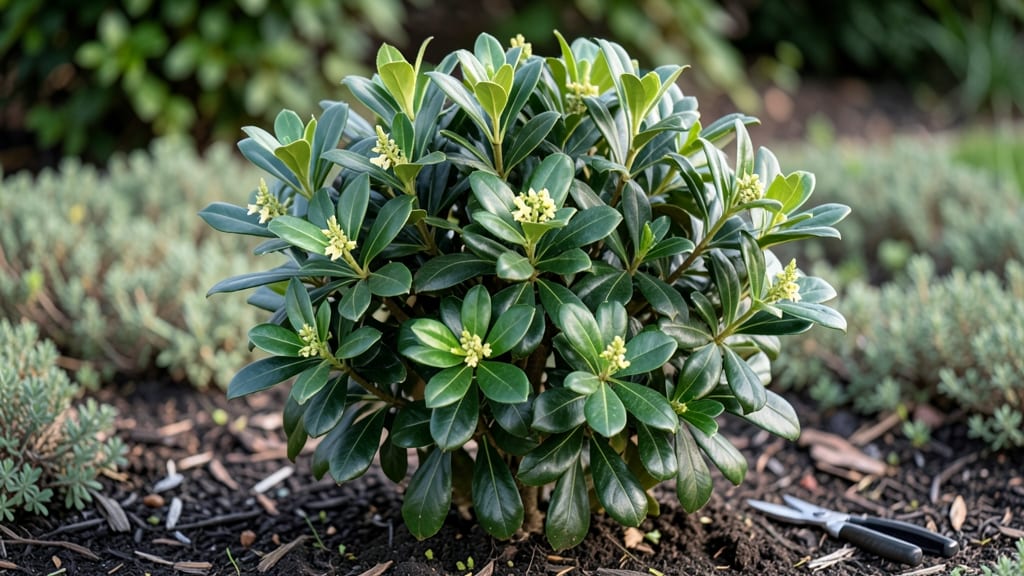
Planting a bay tree brings kitchen aromas and glossy leaves to your space with almost no upkeep. 🌿 I learned the hard way that these evergreens thrive when treated like indoor-outdoor plants—bright light, well-drained soil, and just enough water to keep roots happy.
The key is mimicking their Mediterranean roots without fuss.
Start with a young tree or cutting in a container, since bay trees hate soggy soil and cold snaps. Place it where it gets at least 6 hours of sunlight daily—near a south-facing window indoors or in partial shade outdoors.
Varieties like 'Angustifolia' stay compact, while 'Aurea' adds golden foliage for visual interest.
You’ll harvest fragrant leaves year-round with minimal pruning—just trim after growth spurts to maintain shape. The first harvestable leaves appear within 6-12 months, and the scent alone makes the effort worthwhile. Even in winter, this tree keeps its lush, aromatic appeal.
Works equally well as a potted accent or small landscape tree in zones 7-10. The secret? Consistent moisture without waterlogging—bay trees forgive neglect but never standing water. Let’s get yours growing!
📚 In This Guide
- What you need
- Instructions
- Tips and common mistakes
- Wrapping up and next steps
What you need
- ● Bay tree plant: 1 healthy nursery-grown bay laurel (Laurus nobilis) sapling (3–5 feet tall for best results).
- ● Well-draining potting mix: 2–3 bags (10–15 lbs each) of a blend designed for Mediterranean herbs or add perlite/sand (20–30% by volume) to regular potting soil.
- ● Container (if indoor/container gardening): 1 large pot (18+ inches in diameter) with drainage holes, or
- ● 1 gallon-sized container per plant (for multiple trees).
- ● Outdoor planting: Loamy, slightly acidic soil (pH 6.0–7.0) enriched with 2–3 inches of compost or aged manure.
- ● Fertilizer: 1 slow-release granular fertilizer (10-10-10 or organic option like fish emulsion) or liquid feed for herbs.
- ● Watering can or hose: With a gentle spray nozzle for moisture control.
- ● Pruning shears: Sharp, clean pair (sterilized with rubbing alcohol).
- ○ Mulch (optional but recommended): 2–3 inches of shredded bark or pine needles to retain moisture.
- ● 💡 Grow lights: LED full-spectrum bulb (for indoor plants needing 6+ hours of light/day).
- ● 🌡️ Thermometer/hygrometer: To monitor ideal temps (60–75°F) and humidity (40–60%).
- ● ✨ Decorative stones: For aesthetic outdoor borders or drainage layers.
- ● 🎯 Herb companion plants: Rosemary, thyme, or oregano (if planting in a garden bed).
How to plant a bay tree for year-long aromatic foliage
Here's my foolproof method for establishing a thriving bay tree that rewards you with fragrance all year.
🪴 Step 1: Select the Right Location and Container
Bay trees thrive in full sun to partial shade—at least 6 hours of direct light daily. If planting outdoors in colder climates, choose a sheltered spot against a south-facing wall. For containers, select a gallon-sized pot with drainage holes—bay trees have shallow but extensive root systems that need room to spread.
I always use well-draining potting mix (never garden soil) to prevent root rot. Amend with 20% perlite if your mix feels dense. The container should be 12-18 inches wide for mature plants, allowing for 4-6 years of growth before repotting. Place a 2-inch layer of gravel at the bottom to ensure proper drainage.
🌱 Step 2: Plant at the Correct Depth and Stake if Needed
Dig a hole twice as wide as the root ball but only as deep as the container's original soil line. Bay trees resent being buried too deep, which can cause stem rot. Gently remove the plant from its nursery pot and loosen any circling roots with your fingers—this encourages outward growth.
Position the tree so the top of the root ball sits level with the surrounding soil. Backfill with the remaining potting mix, pressing lightly to eliminate air pockets. Water deeply until moisture reaches 4 inches down. If planting in windy areas, insert a 5-foot bamboo stake and loosely tie the main stem with soft garden twine to prevent flopping.
☀️ Step 3: Establish a Watering Routine Without Overdoing It
Bay trees are drought-tolerant once established, but young plants need consistent moisture for the first 6-8 weeks. Water when the top 2 inches of soil feel dry—stick your finger in to check. Overwatering is the #1 killer; soggy soil suffocates roots and invites fungal diseases.
I use the "soak-and-dry" method: water until it runs from the drainage holes, then wait until the surface feels dry to the touch before watering again. During summer, you may need to water every 5-7 days; in winter, reduce to every 10-14 days. Mulch with 2 inches of shredded bark to retain moisture and regulate soil temperature.
✂️ Step 4: Prune Strategically for Shape and Fragrance
Bay trees need minimal pruning—just remove dead, diseased, or crossing branches in early spring. For shaping, prune just after flowering (late spring) to encourage bushier growth. Never cut into old wood; new growth emerges from the current season's stems.
Here's the trick: prune just above a leaf node at a 45-degree angle to prevent water pooling. I always use sterilized bypass pruners to avoid spreading disease. Harvest leaves as needed by snipping individual stems—this stimulates more growth. Avoid heavy pruning in fall, as new growth won't harden off before winter.
Tips & tricks for perfect bay tree planting
Common pitfalls—and how to sidestep every one—when growing a fragrant bay tree that thrives year after year.
Light Matters: That required 6 hours of direct sunlight daily is non-negotiable for flavorful leaves, but don't panic if your spot gets afternoon shade. Bay trees tolerate partial shade, though you'll sacrifice some fragrance intensity. If growing indoors, position near a south-facing window where light hits for at least half the day. I've seen bay trees thrive under grow lights on a 14-hour cycle during winter months when natural light dwindles.
Container Size Strategy: The 12-18 inch wide container recommendation isn't just about current size—it's about future-proofing. Bay trees grow slowly but steadily, and root-bound plants develop stunted growth. Choose the larger end of the range if you want to minimize repotting for 4-6 years. For containers, I use terracotta pots—they breathe better than plastic and help prevent root rot, though they'll need more frequent watering.
Root Care Secret: That 2-inch gravel layer at the bottom isn't just for drainage—it creates an air pocket that prevents the roots from sitting in water. When planting, don't compact the gravel too tightly, or you'll defeat its purpose. I also recommend adding a handful of orchid bark to the potting mix for extra aeration. This helps prevent the soggy soil that's bay trees' biggest enemy.
Watering Wisdom: The soak-and-dry method works perfectly, but here's the trick: use room-temperature water. Cold water shocks the roots and can cause stress. I always fill my watering can the night before and let it sit at room temperature. Also, check soil moisture by lifting the pot—if it feels light, it's time to water. This prevents overwatering better than finger tests alone.
Pro Tips for Bay Tree Plant
- Common pitfalls—and how to sidestep every one—when growing a fragrant bay tree that thrives year after year.
- Light Matters: That required 6 hours of direct sunlight daily is non-negotiable for flavorful leaves, but don't panic if your spot gets afternoon shade.
- Container Size Strategy: The 12-18 inch wide container recommendation isn't just about current size—it's about future-proofing.
Frequently asked questions
Got questions about growing and caring for your bay tree plant? You’re not alone! Here are some of the most common queries—and their answers—to help you keep your aromatic evergreen thriving with ease.
How much sunlight does a bay tree need to stay healthy?
A bay tree thrives in bright, indirect light for 6–8 hours daily. Place it near a south- or west-facing window, but avoid harsh afternoon sun, which can scorch its leaves. If indoors, supplement with a grow light in winter to prevent leggy growth. Pro tip: Yellowing leaves often signal too little light!
Can I grow a bay tree in a pot, or does it need to be planted in the ground?
Bay trees adapt well to containers—just choose a pot with drainage holes and at least 12 inches in diameter. If outdoors, plant in well-draining soil with partial shade (zones 7–10). In colder climates, move potted bay trees indoors before frost. Warning: Overcrowded roots can stunt growth, so repot every 2–3 years.
Why are my bay tree leaves turning brown or crispy?
Brown edges or crispy leaves usually mean low humidity or overwatering. Mist leaves regularly or place the pot on a tray of pebbles with water. If soil feels soggy, let it dry out slightly between waterings. Quick fix: Trim affected leaves to encourage new growth.
How often should I prune my bay tree, and when is the best time?
Prune lightly in late winter or early spring to shape the tree and encourage bushiness. Remove dead or yellowing leaves year-round. Avoid heavy pruning, as bay trees respond slowly. Remember: Never prune more than ⅓ of the foliage at once!
Are there any non-toxic alternatives to bay leaves for cooking?
If you’re sensitive to bay leaves, try oregano, thyme, or rosemary for similar earthy flavors. For a bay-like aroma, use laurel berries (from the same plant!) or sassafras leaves. Always test small amounts first—some substitutes can overpower dishes.
Wrapping up and next steps
Growing a bay tree plant is a rewarding way to enjoy year-round fragrance with minimal effort—perfect for both beginners and seasoned gardeners! 🌿 With just a sunny spot, well-draining soil, and occasional pruning, you’ll have a lush, aromatic addition to your home or garden.
Whether you’re harvesting leaves for cooking or simply savoring its sweet scent, this versatile plant delivers beauty and utility without the fuss.
Ready to get started? Plant your bay tree today and watch it thrive—your kitchen (and senses) will thank you! For extra tips, check out our FAQs or explore creative ways to use fresh bay leaves in your favorite recipes. Happy gardening! 🌱