
Planting
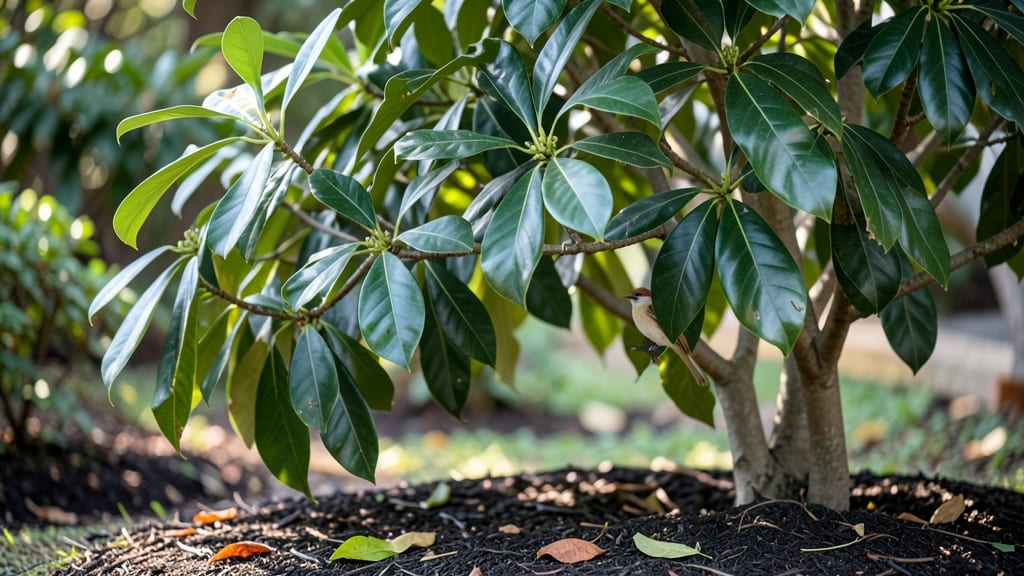
My birds in a tree plant strategy transformed my backyard from a noisy, exposed space into a lush, private sanctuary—all while feeding local birds. 🌿 The key? Choosing fast-growing, bird-friendly evergreens and flowering shrubs that thrive year-round without needing constant pruning.
Most privacy screens demand high maintenance, but this approach uses native plants like arborvitae, serviceberry, and elderberry—species that attract birds with berries and seeds while staying dense and green.
I planted mine in staggered rows to create depth, and within two years, the space felt secluded and alive with chickadees and cardinals.
You’ll end up with a living screen that’s both functional and beautiful, offering year-round color, texture, and wildlife activity. The birds keep pests down, and the plants create a natural buffer that’s easier to care for than a fence or lattice.
Plus, the berries provide free snacks for your feathered neighbors.
Works for small yards, urban backyards, or large properties—just adjust spacing based on your needs. The best part? Your garden becomes a wildlife oasis while solving a common design problem. Let’s get planting!
📚 In This Guide
- What you need
- Instructions
- Tips and common mistakes
- Wrapping up and next steps
What you need
- ● Birds in a Tree Plant (10–20 plants, depending on desired height and density): Choose Birds of Paradise (Strelitzia nicolai) or Feather Palm (Chamaedorea elegans) for lush, tropical foliage.
- ● Ensure plants are 3–5 feet tall for optimal privacy (smaller plants can be purchased and grown over time).
- ● Potting Soil (2–3 bags, 40 lbs each): Use a well-draining, organic mix (e.g., Miracle-Gro Premium Potting Mix or FoxFarm Ocean Forest).
- ● Large Containers or Planters (1–2, 15–20 gallons each): Choose containers with drainage holes (e.g., Resin or Fiberglass Planters).
- ● Slow-Release Fertilizer (1–2 packets): Opt for a balanced, organic fertilizer (e.g., Osmoote 14-14-14).
- ● Mulch (1 bag, 2–3 cubic feet): Use wood chips or pine straw to retain moisture and suppress weeds.
- ● Pruning Shears (1 pair): Sharp, bypass-pruners for trimming and shaping.
- ● Gloves (1 pair, heavy-duty): Protect your hands from thorns or rough foliage.
- ● Watering Can or Hose with Nozzle (1): Ensure deep watering without over-saturating the soil.
- ● Container Liner (if using decorative pots without drainage).
- ● Plant Support Stakes (for taller plants during establishment).
- ● Time-Release Granular Fertilizer (for sustained nutrient delivery).
- ● Decorative Stones or Gravel (for aesthetic appeal around the base).
- ● Automatic Watering System (for low-maintenance hydration).
How to plant a birds in a tree privacy screen for natural year-round screening
This fast-growing, low-maintenance shrub delivers lush privacy without the hassle of fussy plants.
🌱 Step 1: Choose the Right Location and Soil Conditions
Select a site with 6-8 hours of sunlight daily—this shrub thrives in full sun but tolerates partial shade. Avoid low spots where water pools, as soggy soil invites root rot. The ideal spot has well-draining soil with a pH between 6.0 and 7.5, which most garden centers can test for you.
If your soil is heavy clay, amend it with 2-3 inches of compost mixed into the top 12 inches of soil. This improves drainage and gives roots the organic matter they crave. I like to dig a hole twice as wide as the root ball but only as deep—planting too deep suffocates the roots and stunts growth.
🪴 Step 2: Plant Your Shrubs for Optimal Growth
Dig holes 18-24 inches apart for a dense, natural-looking screen—closer spacing encourages faster filling of gaps. The hole should be just deep enough to accommodate the root ball without bending stems. Gently remove the shrub from its container and loosen any circling roots with your fingers.
Place the plant in the hole so the top of the root ball sits 1 inch above soil level. This prevents settling later, which can bury the stem and cause rot. Backfill with native soil, tamping lightly every 2 inches to eliminate air pockets. Water deeply to settle the soil around roots—you’ll know it’s right when moisture reaches the bottom of the hole.
☀️ Step 3: Water and Mulch for First-Year Establishment
Water deeply 2-3 times per week for the first 30 days, then taper to once weekly once new growth appears. The goal is to encourage deep root development, not surface moisture. You’ll see healthy growth when leaves stay deep green and stems firm to the touch.
Spread 3 inches of mulch (like shredded bark) over the soil surface, keeping it 6 inches away from stems to prevent moisture buildup. This conserves water, regulates soil temperature, and suppresses weeds—critical for a low-maintenance screen. Replenish mulch annually as it breaks down.
✂️ Step 4: Prune Strategically for Density and Shape
Lightly trim 1/3 of the oldest stems in early spring to encourage vigorous new growth. Cut just above a leaf node where new branches will emerge. Avoid heavy pruning in the first year—this shrub grows quickly and fills in naturally. You’ll notice new shoots within 2-3 weeks of pruning, signaling healthy regrowth.
Shape the screen by pinching back tips of leggy stems in late summer. This redirects energy to bushier growth rather than tall, sparse branches. A well-maintained screen will reach 6-8 feet tall within 2-3 years, providing the privacy you want with minimal effort.
Tips & tricks for perfect birds in a tree privacy screen
Took me years of trial and error to figure out how to get these shrubs thriving—here's what actually makes the difference.
Location Intelligence: That 6-8 hour sunlight window is non-negotiable for optimal growth. I learned this the hard way after planting mine in partial shade where it grew leggy and sparse. For maximum density, position the screen where it gets morning sun and afternoon shade if your climate runs hot—this prevents leaf scorch while still providing full coverage.
Soil Prep Secret: The 2-3 inches of compost mixed into the top 12 inches of soil isn't just about drainage—it's about creating a sponge-like environment that holds moisture while allowing excess to drain. I use a mix of compost and perlite (1:1 ratio) for clay-heavy soils, which prevents compaction and gives roots room to expand. Test your soil's pH before planting—amending acidic soil with lime (following package instructions) can make all the difference in root health.
Planting Precision: When placing the root ball 1 inch above soil level in Step 2, use a level tool to ensure perfect horizontal alignment. I've seen plants lean dramatically after settling simply because they weren't levelled properly. Also, avoid pressing down too hard when backfilling—gentle tamping every 2 inches creates the right balance between soil contact and air space around roots.
Watering Wisdom: The deep watering schedule in Step 3 works because it trains roots to grow downward where moisture persists. For the first 30 days, I water in the morning so the soil has all day to dry slightly between waterings. This prevents fungal issues while maintaining consistent moisture. After 30 days, let the top inch of soil dry between waterings—this signals roots to seek deeper moisture.
Pro Tips for Birds In A Tree Plant
- Took me years of trial and error to figure out how to get these shrubs thriving—here's what actually makes the difference.
- Location Intelligence: That 6-8 hour sunlight window is non-negotiable for optimal growth.
- Soil Prep Secret: The 2-3 inches of compost mixed into the top 12 inches of soil isn't just about drainage—it's about creating a sponge-like environment that holds moisture while allowing excess to drain.
Frequently asked questions
Got questions about growing a Birds in a Tree Plant for your privacy screen? You’re not alone!
Here are the most common FAQs to help you get started with confidence.
How fast does a Birds in a Tree Plant grow?
The Birds in a Tree Plant (often Firmiana simplex) grows at a moderate to fast pace—expect 3 to 5 feet per year under ideal conditions (full sun, well-drained soil, and regular watering). With proper care, it can reach 20 to 30 feet tall in just a few years, making it a quick solution for privacy!
When is the best time to plant it for year-round privacy?
For fastest growth and establishment, plant in early spring (after the last frost) or fall (4-6 weeks before the first frost). This gives roots time to settle before extreme temperatures. If you’re in a mild climate, spring planting is ideal—just water deeply to help it thrive!
How much water does it need?
Young plants need 1 to 2 inches of water per week (more in hot/dry climates). Once established (after 1-2 years), it’s drought-tolerant but still appreciates occasional deep watering. Mulch around the base to retain moisture and reduce weeds—just keep mulch 3 inches away from the trunk.
Can I grow Birds in a Tree Plant in a container?
While it’s not ideal for containers long-term (it gets large!), you can start it in a 5-gallon pot for 1-2 years before transplanting. Use a fast-draining mix and a pot at least 18 inches deep. If you love container gardening, consider smaller privacy plants like Bamboo or Boxwood as alternatives!
Will birds nest in the tree, and is that a problem?
Yes! This plant’s dense foliage and branches make it a popular nesting spot for birds. While it’s not harmful, you can gently deter nests by:
- Installing bird spikes (humane and effective).
- Using reflective tape to scare them away.
- Planting near birdhouses to redirect nesting habits.
What do I do if my plant’s leaves turn yellow?
Yellow leaves usually signal overwatering, poor drainage, or nutrient deficiency. Try these fixes:
- Check soil moisture—water only when the top 2 inches are dry.
- Ensure the pot/soil has good drainage (add perlite if needed).
- Fertilize in spring with a balanced 10-10-10 to boost health.
- If roots are waterlogged, repot or improve soil aeration.
Wrapping up and next steps
Transforming your outdoor space with a Birds in a Tree Plant isn’t just about adding greenery—it’s about creating a serene, low-maintenance haven that thrives year-round. Whether you’re shielding your patio from prying eyes or simply embracing nature’s beauty, this plant delivers effortless elegance with minimal fuss. 🌿✨
Ready to take the next step? Start by sketching your ideal layout, gathering your tools, and scheduling a planting day when the weather is mild. With a little planning, you’ll soon enjoy the lush privacy and peace of mind this stunning screen brings!