
Trees
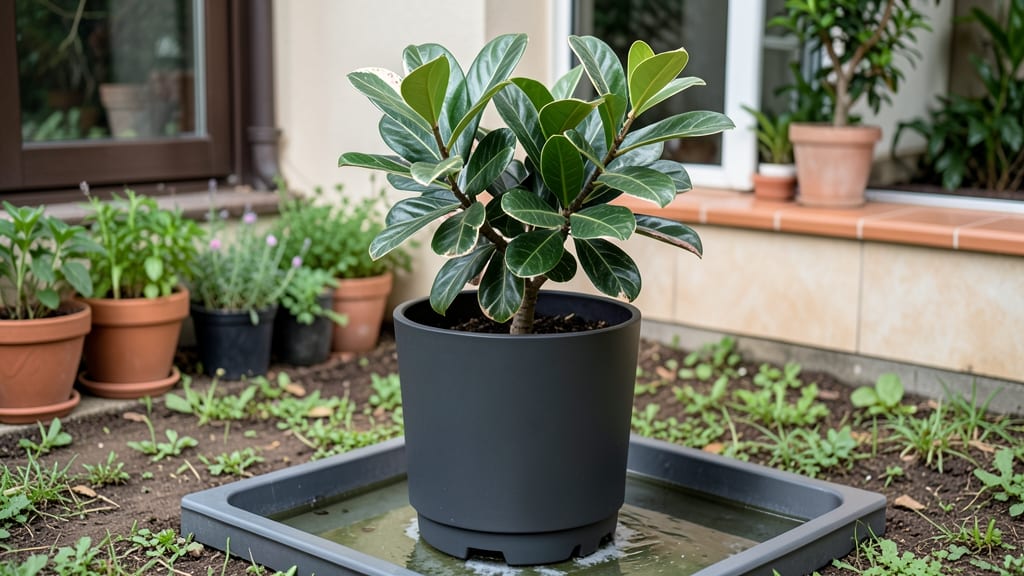
Large plastic planters for trees give your yard’s tallest plants the space they need without the weight of wood or stone. I’ve seen these transform cramped patios into thriving tree havens—my 20-foot-tall crape myrtle thrives in a single 30-gallon container, its roots spreading freely without breaking the bank.
The real game-changer? Plastic’s lightweight yet sturdy build, which makes moving (or upgrading) containers a breeze when your tree outgrows its spot.
Most people assume plastic planters lack durability, but modern UV-resistant, reinforced models hold up for years—even under heavy rainfall or winter snow.
Drainage holes are standard, but I always add a gravel layer at the bottom to prevent soggy roots, and a 3-inch gap between the tree’s trunk and planter edge keeps moisture balanced. The best part?
These containers come in sizes from 5 gallons for small ornamentals to 100+ gallons for mature trees, so you’re not stuck with one-size-fits-all limitations.
What you’ll end up with is a low-maintenance, high-impact tree that stays healthy, grows taller, and looks intentional in any space. The roots stay aerated, the soil drains properly, and you avoid the headaches of heavy concrete or rotting wood.
Plus, plastic’s neutral color lets the tree’s bark and foliage take center stage—no clashing aesthetics here. Whether you’re urbanizing a balcony or adding a statement tree to a small yard, this setup delivers professional results without the hassle.
Works for nearly any tree species—just match the planter size to the tree’s mature root ball (aim for 2-3 times wider than the trunk diameter). Evergreens, fruit trees, and even small shade trees thrive in these containers with the right care.
Here’s how to pick the perfect one for your space and tree.
📚 In This Guide
- What you need
- Instructions
- Tips and common mistakes
- Wrapping up and next steps
What you need
- ● Large plastic planter: Choose one with a minimum depth of 36+ inches and diameter of 24+ inches (adjust based on tree size). Ensure it has drainage holes (or drill your own if needed).
- ● High-quality potting mix: 10–20 cubic feet, depending on planter size. Opt for a blend with 60–70% inorganic material (perlite, sand, or gravel) for drainage.
- ● Tree root stimulator: A biodegradable product like mycorrhizal fungi or seaweed extract to boost root growth.
- ● Mulch: 3–4 inches of organic mulch (e.g., wood chips or bark) to retain moisture and regulate temperature.
- ● Watering can or hose: With a gentle spray nozzle to avoid displacing soil.
- ○ Tree support (optional but recommended): Stakes or tree ties for young/sapling trees.
- ● Burlap or tree guards to protect the trunk.
- ● Drill or screwdriver: For adding drainage holes if your planter lacks them.
- ● Measuring tape: To ensure proper spacing and depth.
- ● Gloves: Heavy-duty work gloves to protect your hands.
- ● Wheelbarrow or dolly: For hauling soil and planters (especially if they’re heavy).
- ● Level: To keep your planter evenly balanced for stability.
- ● Safety gear: Goggles and knee pads if handling large or awkward planters.
- ● Location: Choose a spot with full sun to partial shade (varies by tree species). Ensure the area can support the planter’s weight when full (e.g., concrete pads or gravel bases).
- ● Climate prep: Insulate planters in freezing temps with bubble wrap or frost cloth.
- ● Use shade cloth in scorching heat to protect young trees.
- ● Tree compatibility: Verify your tree’s mature root ball size and growth habits (e.g., shallow vs. deep roots).
- ● Permits (if applicable): Check local regulations for large planters or trees in urban/residential areas.
Step-by-Step guide for planting trees in large plastic planters
Trees thrive in spacious roots—here’s how to set them up for years of growth.
🪴 Step 1: Select and Prepare the Planter
Choose a large plastic planter with at least 12-18 inches of depth and a diameter 3-4 times the tree’s root ball width. For example, a 3-foot diameter planter works for small trees like Japanese maples, while larger varieties need 5-6 feet. The material’s durability matters—look for UV-stabilized plastic to prevent cracking over time.
Clean the planter thoroughly with a 10% bleach solution (1 part bleach to 9 parts water) to kill bacteria and fungi. Rinse well and let it dry completely. This prevents disease from lingering in old soil or debris. I always add 4-6 drainage holes near the bottom if they’re not included—trees rot if water pools at their roots.
🌱 Step 2: Layer the Base for Drainage and Aeration
Start with a 3-inch layer of gravel or coarse sand at the bottom to improve drainage and prevent compaction. This layer ensures excess water flows out while allowing roots to breathe. Avoid fine soil or mulch here—it clogs the holes and suffocates roots.
Next, add 2-3 inches of a high-quality potting mix designed for trees or shrubs. I prefer a blend with mycorrhizal fungi to help roots establish faster. Avoid garden soil—it compacts in containers and strangles growth. Moisten this layer until damp but not soggy, so the tree’s roots won’t dry out during planting.
☀️ Step 3: Plant the Tree Correctly for Stability
Remove the tree from its nursery pot and loosen the roots gently with your fingers. If roots are circling tightly, make 2-3 vertical cuts to encourage outward growth. Place the tree in the planter so the top of the root ball sits 1-2 inches below the rim—this prevents erosion and gives you room to add soil later.
Fill the remaining space with the potting mix, tamping lightly as you go to remove air pockets. Press firmly around the edges but avoid compacting the center—roots need loose soil to spread. Water deeply until it runs out the drainage holes, then let it drain completely before adding mulch.
💧 Step 4: Mulch and Water for Long-Term Health
Spread 2-3 inches of organic mulch (like wood chips or bark) over the soil surface, keeping it 3-4 inches away from the trunk to prevent rot. Mulch retains moisture and regulates soil temperature, but too much smothers roots. I always refresh mulch annually to maintain its effectiveness.
Water the tree thoroughly every 2-3 days for the first 2-3 weeks, then adjust based on weather. The soil should stay evenly moist but not waterlogged—stick your finger 1 inch deep to check. Overwatering in plastic planters leads to root rot, while underwatering stresses young trees. A drip irrigation system helps automate this.
✂️ Step 5: Prune and Monitor for Growth
Trim any broken, crossing, or diseased branches with clean, sharp pruners to encourage a strong structure. Remove no more than 20% of the foliage—this reduces shock. I also prune lower branches to improve airflow and prevent fungal issues. Seal cuts with pruning sealant if the tree is large or the cuts are big.
Place the planter in a location with 6+ hours of sunlight daily, unless your tree is shade-tolerant. Monitor for yellowing leaves (overwatering) or brown leaf edges (underwatering). If the tree leans toward the light, rotate the planter quarter-turn weekly to keep growth even. With proper care, your tree will establish roots and grow steadily for years.
Tips & tricks for perfect tree planting in large plastic planters
These pro insights will help you avoid common pitfalls and set your container-grown trees up for long-term success.
Planter Size Matters: The 3-4 times diameter rule in Step 1 isn't just a suggestion—it's critical for root development. I've seen trees struggle in undersized containers where roots circle instead of spreading outward. For larger varieties needing 5-6 feet, consider stacking planters or using a half-barrel design to maximize root space without sacrificing stability. The depth requirement of 12-18 inches prevents root binding that stunts growth.
Drainage System Check: In Step 1, those 4-6 drainage holes are non-negotiable. I recommend adding a layer of landscape fabric over the gravel in Step 2 to prevent soil from washing into the drainage layer. This creates a more stable base that lasts years. For heavy planters, consider adding wall anchors to your outdoor space to prevent tipping during windstorms.
Root Preparation Technique: When you make those 2-3 vertical cuts in Step 3 for circling roots, use a clean, sharp knife to avoid tearing. I like to make them at slightly different angles to create more surface area for new root growth. This simple step can double your tree's establishment rate in the first growing season. After cutting, gently spread the roots outward before planting to encourage radial growth.
Watering Strategy: The 2-3 day watering schedule in Step 4 works best with a moisture meter. I've found that plastic planters dry out faster than wood or ceramic—especially in hot sun. During summer months, I water every 2 days regardless of the schedule, then check soil moisture daily. The 1-inch deep finger test is perfect, but for larger trees, consider using a long screwdriver to check deeper moisture levels.
Pro Tips for Large Plastic Planters For Trees
- These pro insights will help you avoid common pitfalls and set your container-grown trees up for long-term success.
- Planter Size Matters: The 3-4 times diameter rule in Step 1 isn't just a suggestion—it's critical for root development.
- Drainage System Check: In Step 1, those 4-6 drainage holes are non-negotiable.
Frequently asked questions
Got questions about large plastic planters for trees?
You’re not alone! Whether you’re planning a project or troubleshooting, here are some of the most common concerns—and straightforward answers to help you grow with confidence.
What size planter do I need for a mature tree?
The rule of thumb is to choose a planter that’s at least 2–3 times wider than the tree’s root ball and 12–18 inches deeper than its height. For example, a 6-foot tree needs a planter with a diameter of 12–18 feet and depth of 2–3 feet. Always check the manufacturer’s weight limits too—some planters can’t support heavy soil or trees over 50 lbs!
When is the best time to plant a tree in a large plastic planter?
Plant in early spring or fall when temperatures are mild and rainfall is consistent. Avoid extreme heat or frost, which can stress young roots. If planting in summer, water deeply daily for the first 2 weeks. Pro tip: Amend the soil with compost or a slow-release fertilizer to give your tree a nutrient boost from day one!
Are large plastic planters more expensive than other materials?
Upfront costs can be higher, but they save money long-term. Plastic planters resist rot, pests, and weathering, unlike wood or ceramic. They’re also lightweight (easier to move) and often come with built-in drainage, reducing maintenance. Compare prices per gallon of root space—plastic often offers the best value for durability.
How do I prevent roots from circling or becoming root-bound?
Use planters with adequate depth and breathable walls (some have ventilation panels). Prune roots gently if they spiral around the pot’s edge during repotting. For container-grown trees, rotate the planter every 6–12 months to encourage even root growth. Add a root stimulator to the soil mix to promote outward growth instead of circling.
What do I do if my tree’s leaves turn yellow or wilt in a plastic planter?
Yellow leaves often signal overwatering or poor drainage. Check the drainage holes—if clogged, flush them with a hose. Wilting could mean underwatering or root stress. Adjust your watering schedule (water when the top 2 inches of soil are dry) and ensure the planter isn’t in direct, scorching sun. If the issue persists, test the soil pH—plastic planters can trap chemicals over time.
Can I reuse a large plastic planter after removing a dead tree?
Yes! Clean it thoroughly with a 10% bleach solution (or vinegar for a natural option) to kill fungi or pests. Rinse well and let it dry in the sun. If the planter has cracks or fading UV protection, consider replacing it—safety and longevity matter. Reusing saves resources and reduces waste!
Wrapping up and next steps
Investing in large plastic planters for trees is a game-changer for nurturing tall, healthy growth while keeping your space organized and low-maintenance. 🌳 Whether you're a gardening enthusiast or a busy homeowner, these durable containers provide the root space your trees need to thrive—without the hassle of heavy materials or soil erosion.
Ready to elevate your outdoor (or indoor!) greenery?
Your next step? Measure your space, choose the right size, and pick a planter that matches your tree’s needs. With the perfect container in hand, you’re all set to watch your trees flourish—one root at a time! 🌱