
Pruning
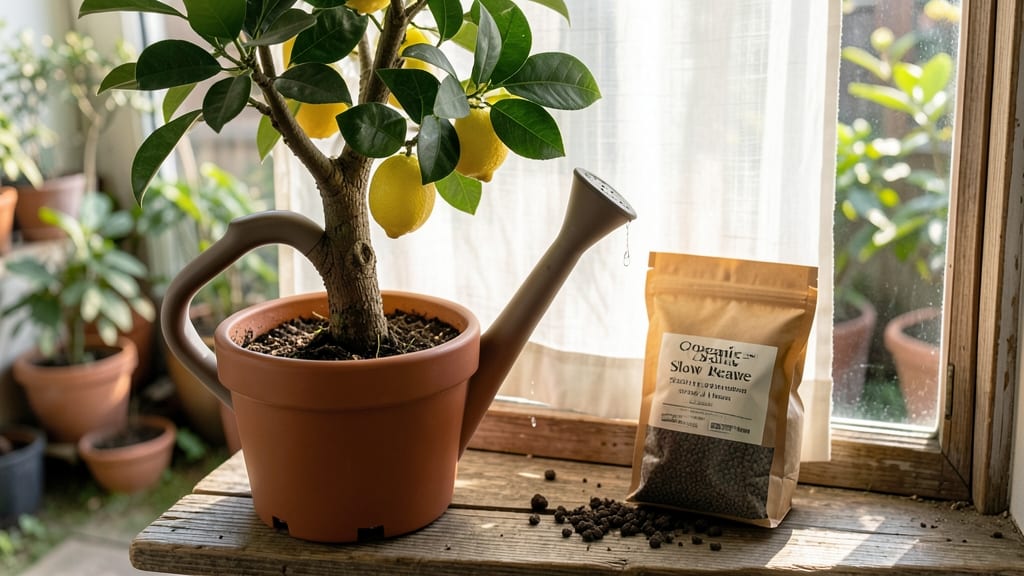
Saving money on tree care starts with a sharp pair of pruners and a few smart cuts. ✂️ I’ve turned pruning from a chore into my biggest money-saver—cutting back dead branches now means fewer costly removals later, plus free firewood from what I trim.
The key is timing: prune in late winter or early spring when trees are dormant, and you’ll avoid stressing them during growing season.
Most people overlook the simplest savings: repurposing branches into mulch or firewood. My oak tree alone gives me enough kindling for a winter’s worth of cozy evenings. Plus, proper pruning prevents disease and pest issues that could cost hundreds in professional treatments.
It’s like giving your tree a free checkup every year—just with more sawdust.
You’ll notice healthier growth almost immediately, with fewer weak limbs that could snap in storms. Trees live longer, require less maintenance, and even boost property value. The upfront time pays off in dividends—literally. Start with just one tree this season, and watch your savings grow right along with its branches.
Works for any tree in your yard, from towering oaks to young fruit trees. The same principles apply whether you’re trimming for safety, shape, or savings. Let’s get those pruners out and put your money back where it belongs—in your pocket, not a landscaper’s bill.
📚 In This Guide
- What you need
- Instructions
- Tips and common mistakes
- Wrapping up and next steps
What you need
- ● Hand Pruners: Bypass pruners (sharp, clean blades) for small branches (1/4"–1" thick). Budget pick: Fiskars 3-in-1 or Felco F-2.
- ● Loppers: For medium branches (1"–2" thick). Look for ratcheting loppers (e.g., Corona Ratchet) for easier cutting.
- ● Pruning Saw: For thick branches (2"+). A curved-tooth pruning saw (like Bahco) prevents tearing.
- ● Gloves: Heavy-duty, cut-resistant gloves (e.g., Mechanix Wear) to protect hands from thorns or rough bark.
- ● Disposable Pruning Bags: 2–3 large bags (10–15 gallon) to collect debris. Pro tip: Use free grocery bags if budget is tight!
- ● Ladder: Extendable aluminum ladder (12–16 ft) for high branches. Safety first: Always secure it to the tree or ground.
- ● Rubbing Alcohol (70%+) or Bleach Solution: 1 part bleach to 9 parts water to sterilize tools and prevent disease spread.
- ○ Sharpie or Labeling Tape: For marking branches to prune (optional but helpful for beginners).
- ● Pole Pruner: For high branches (10–30 ft). Budget tip: Borrow or rent one for occasional use.
- ● Tree Wound Dressing: Pruning sealant (e.g., Tanglefoot Tree Wound Pruning Sealer) for large cuts. Controversial: Many experts say it’s unnecessary—let wounds heal naturally!
- ● Work Gloves + Knee Pads: For comfort during long sessions.
- ● Camera/Phone: To document before/after pruning (great for tracking tree health over time!).
- ● Know Your Tree: Identify the species (e.g., oak, maple, fruit tree) to follow proper pruning techniques. Free resource: Use the Arbor Day Foundation’s tree guide.
- ● Safety Gear: Safety glasses and ear protection if using loud tools (e.g., chainsaws for large jobs).
- ● Weather Check: Prune on a dry, calm day (avoid wind or rain).
- ● Local Regulations: Check if your area requires permits for large tree pruning (common in urban zones).
Step-by-step instructions for pruning a money tree for health and savings
Here's how to keep your money tree thriving while cutting costs long-term.
🌿 Step 1: Identify Healthy Growth and Overgrowth
Start by examining your money tree for signs of overgrowth or unhealthy branches. Look for thick, woody stems with multiple leaves clustered at the top—this is classic leggy growth that drains the plant's energy. Healthy branches should have 3-5 leaves per stem with 1-2 inch spacing between nodes.
Run your fingers along the stems to feel for any soft, mushy spots—these indicate rot or disease. You'll also notice where the plant has grown unevenly, with some branches stretching toward light sources while others remain compact. This imbalance means it's time to prune.
✂️ Step 2: Prune at the Right Spots for Regrowth
Use clean, sharp pruning shears to make cuts just above a leaf node where the stem meets the leaf. This is where new growth will emerge. Never cut into the thick, woody trunk—only prune the flexible, leaf-bearing stems. For each cut, aim to remove no more than 1/3 of the plant's foliage at once to avoid shocking it.
Focus on the leggy stems first—they're the energy vampires of your money tree. Cutting them back to a healthy node forces the plant to redirect its energy into bushier, fuller growth. You'll see new shoots emerging within 2-4 weeks from those pruned spots, signaling successful regrowth.
💧 Step 3: Care for the Pruned Plant to Encourage Recovery
After pruning, water your money tree deeply but only when the top 2 inches of soil feel dry. Overwatering now can cause root rot, especially since you've just stressed the plant. Place it in bright, indirect light for the first week—no direct sun until new growth appears.
Here's the thing—your money tree will look sparse after pruning, but that's temporary. Within 4-6 weeks, you'll see dense, bushy new growth where you made cuts. This is your plant's way of thanking you for the intervention. Keep the soil slightly moist but never soggy during this recovery period.
☀️ Step 4: Adjust Light and Fertilizer for Long-Term Savings
Move your money tree to a spot with bright, indirect light for at least 6 hours daily. South or west-facing windows work well, but avoid harsh afternoon sun. If you notice new growth stretching toward the light, it's getting too little—rotate the pot weekly so growth stays even.
Wait 6 weeks after pruning before fertilizing. Then, use a balanced, water-soluble fertilizer (like 10-10-10) diluted to half strength. This encourages strong regrowth without overwhelming the plant. You'll save money by reducing how often you need to repot—healthy pruning means your tree grows fuller in its current container.
Tips & tricks for perfect money tree pruning
Here's what nobody tells you about keeping your money tree thriving after pruning.
Leaf Node Location: The secret to successful regrowth is cutting just above a leaf node—where the leaf meets the stem. This is your plant's growth signal center. I learned this the hard way after making cuts too far down and getting no new shoots. Use a magnifying glass if needed to spot those tiny buds where new growth will emerge.
Pruning Frequency: You can prune your money tree every 3-4 months to maintain its shape and encourage bushier growth. The key is consistency—don't wait until it looks completely unruly. Regular light pruning prevents the need for drastic cuts later. Think of it like trimming your hair: small adjustments keep it healthy, while waiting too long makes it harder to fix.
Light Adjustment: After pruning, your money tree needs that bright, indirect light for at least 6 hours daily to recover. I place mine near a south-facing window but use sheer curtains to diffuse harsh sunlight. If you notice new growth leaning toward the light, it's time to rotate the pot weekly so it grows evenly. This prevents that lopsided look that makes plants seem neglected.
Fertilizer Timing: The 6-week wait before fertilizing is crucial—it gives your money tree time to recover from the stress of pruning. I use a diluted 10-10-10 fertilizer at half strength because concentrated versions can burn new growth. This also saves money by stretching your fertilizer supply further while still promoting healthy regrowth.
Pro Tips for Save Money Tree
- Here's what nobody tells you about keeping your money tree thriving after pruning.
- Leaf Node Location: The secret to successful regrowth is cutting just above a leaf node—where the leaf meets the stem.
- Pruning Frequency: You can prune your money tree every 3-4 months to maintain its shape and encourage bushier growth.
Frequently asked questions
Got questions about pruning your money tree for long-term savings and health? You’re not alone!
Here are some of the most common concerns—and straightforward answers—to help you get started without stress.
How often should I prune my money tree to save money?
Prune your money tree once or twice a year—ideally in spring (when growth kicks off) and lightly in late summer (to shape it before winter). Over-pruning stresses the plant, while skipping it can lead to leggy growth or pests. Think of it like trimming your budget: small, consistent adjustments yield the best results!
Can pruning really save me money long-term?
A well-pruned money tree (like a Pachira aquatica) grows fuller, healthier, and produces more vibrant leaves—making it a low-maintenance, high-value plant for years. Fewer pest issues, faster recovery from damage, and even potential resale value (if you’re into plant trading!) add up to savings over time.
What if I accidentally cut too much off my money tree?
Don’t panic! Money trees are tougher than they look. If you’ve trimmed too aggressively, focus on healthy stems (cut just above a leaf node) and avoid removing more than 1/3 of the foliage at once. Water it well and place it in bright, indirect light to recover. Most trees bounce back in 4–6 weeks!
Are there alternatives to pruning if I’m not confident?
Yes! If pruning feels overwhelming, try these low-effort alternatives:
- Pinching: Gently squeeze off the tips of new growth (with clean fingers or nails) to encourage bushiness.
- Supportive care: Rotate the plant weekly for even growth, and fertilize lightly (every 2–3 months) to keep it thriving.
- Propagate cuttings: If you trim a branch, root it in water—you’ll get a free baby plant!
How do I tell if my money tree needs pruning for health reasons?
Watch for these red flags:
- Leggy, sparse growth (stems stretching too far apart).
- Yellowing or dropping leaves (often from overwatering or poor airflow).
- Pests like spider mites or mealybugs (prune affected areas immediately to stop spread!).
Wrapping up and next steps
Saving money with your tree isn’t just about trimming branches—it’s about investing in its long-term health and your wallet! 🌳 By mastering the right techniques, you’ll reduce future costs on replacements, repairs, or even power outages. Start small, stay consistent, and watch your savings grow like a well-pruned canopy.
Ready to take action? Pick one tip from this guide—whether it’s sharpening your saw or scheduling seasonal checks—and make it your first step. Your tree (and your bank account) will thank you!