
Pruning
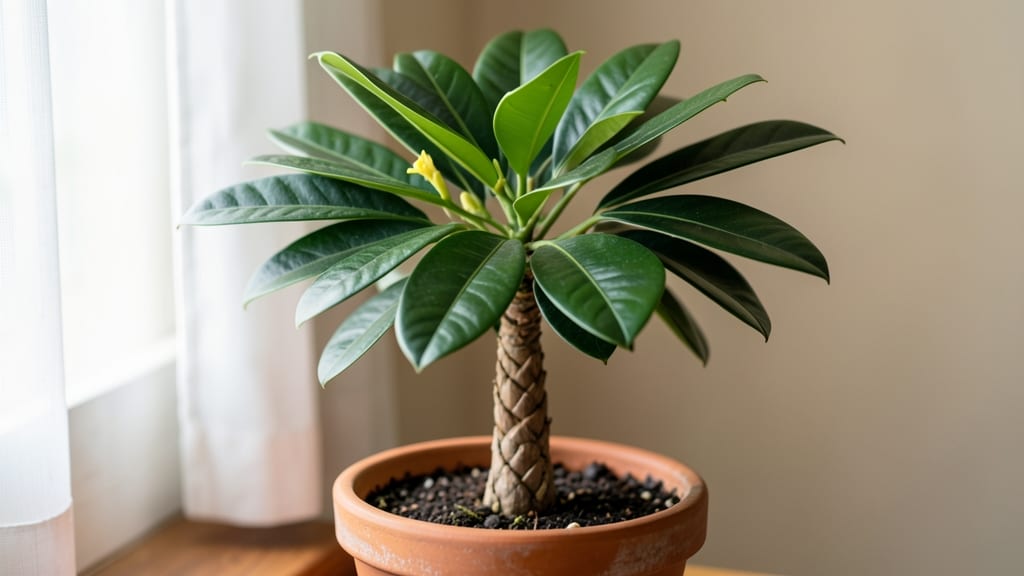
Taking care of money tree is easier than you think—just three simple trims a year will transform your limp Pachira aquatica into a lush, braided showstopper, and you’ll need no green thumb to pull it off. 🌿 The secret isn’t complicated: it’s about light, water, and knowing when to snip.
Money trees love bright, indirect light near a window but hate direct sun that scorches their leaves. Water when the top inch of soil feels dry—overwatering is the #1 killer. A well-draining potting mix keeps roots happy, and a occasional wipe-down with a damp cloth keeps dust from blocking sunlight.
Pruning isn’t just for shaping; it encourages bushier growth and fixes leggy stems.
By mid-fall, your tree will reward you with glossy leaves and sturdy branches—perfect for braiding or displaying. The trims themselves take less than 10 minutes, and the results last all year. Even if you’ve killed a houseplant before, this one’s forgiving.
Works for beginners, small spaces, and anyone who wants a plant that looks expensive but costs almost nothing. Let’s get your money tree thriving—no stress, just growth.
📚 In This Guide
- What you need
- Instructions
- Tips and common mistakes
- Wrapping up and next steps
What you need
- ● Sharp pruning shears or scissors: Clean, sterilized shears (bypass-style preferred) to make precise cuts. Spec: 4-6" blades, stainless steel.
- ● Rubbing alcohol (70% or higher): 1 small bottle (4 oz) to disinfect tools before/after trimming.
- ● Hydrogen peroxide (3%) or cinnamon powder: 1 small bottle (8 oz) or 1 tbsp for sealing cuts and preventing infection.
- ○ Glove (optional but recommended): 1 pair of gardening gloves to protect hands from sap and sharp edges.
- ● Newspaper or drop cloth: 1 sheet to catch debris and sap during trimming.
- ● Small pots or propagation trays: 2-3 (4-6" diameter) if propagating cuttings, with drainage holes.
- ● Well-draining potting mix: 1 bag (5-10 gallons) of cactus/succulent mix or Money Tree-specific soil.
- ● Rooting hormone: 1 small tube to boost success if propagating. Spec: Gel or powder form (e.g., Clonex).
- ● Spray bottle with water: 1 (8 oz) to mist cuttings and maintain humidity.
- ● Clear plastic bag: 1 (gallon-size) to create a humidity dome for new cuttings.
- ● Decorative fluff or moss: For aesthetic touch when repotting trimmed branches.
- ● Plant food (balanced fertilizer): 1 bottle (e.g., 20-20-20) to nourish your Money Tree post-trim.
How to maintain a money tree with three essential trims
Here's the straightforward approach I use to keep my money tree lush and growing year-round.
🌿 Step 1: Prune for Shape After Spring Growth
Start by examining your money tree in early spring when new growth begins. Look for branches that cross or grow inward—these create weak spots and block airflow. Use clean, sharp scissors to trim these at a 45-degree angle just above a leaf node.
For thicker branches, cut back to a sturdy lateral branch rather than leaving a stub. This encourages fuller growth at the base. Your goal is to create an open, airy structure that lets light reach all parts of the plant. I like to step back and visualize the shape from all sides—this helps me spot uneven growth early.
After pruning, wipe the cuts with a damp cloth to remove sap. This prevents bacterial infections that can weaken the plant. Water lightly the next day to help the tree recover from the stress of shaping.
✂️ Step 2: Trim Leggy Growth in Mid-Summer
By mid-summer, your money tree may develop leggy branches reaching toward light sources. These long, bare stems look unkempt and weaken the plant. Identify the topmost leaf on each leggy branch and cut just below it—this forces the tree to grow bushier from lower nodes.
Real talk: I used to over-prune here, thinking more cuts meant better shape. But too much trimming stresses the plant. Instead, focus on removing only the most extreme leggy growth. You'll see new side shoots emerge within 4-6 weeks—that's your signal it's recovering well.
After trimming, move the plant to a slightly brighter spot for a few days. This helps it bounce back faster. Avoid fertilizing right after pruning—wait until new growth appears to prevent root burn.
🪴 Step 3: Lighten the Canopy Before Winter Dormancy
As fall approaches, your money tree prepares for dormancy. This is the time to remove older, yellowing leaves and any branches that look weak or diseased. Use your fingers to gently twist off smaller branches—this is less stressful than cutting. For thicker branches, make clean cuts at the base.
Don't worry about removing too many leaves. The tree will thank you by focusing its energy on the healthiest branches. I like to reduce the canopy by about 25% to let light penetrate to the lower leaves. This prevents a bare, leggy look when spring arrives.
After this final trim, reduce watering by half. The tree needs less moisture as growth slows. Place it in a cooler spot (around 60-65°F) for the winter months. You'll notice new growth spurt in early spring—proof your trimming paid off.
Tips & tricks for perfect money tree maintenance
Keeping your money tree thriving doesn't have to be complicated—these simple strategies make all the difference.
Tool Prep: Always sterilize your pruning tools before and after use. I dip my scissors in rubbing alcohol for 30 seconds between cuts—this prevents spreading bacteria that can harm your plant. For thicker branches, use a small pruning saw instead of forcing scissors, which can tear the bark and create entry points for infections.
Visual Pruning Guide: When examining your tree in Step 1, imagine it as a pyramid. The base should be fuller than the top, with branches spreading outward. If you notice one side looking sparse, focus extra trimming there. I like to sketch a rough outline on paper first—this helps me visualize the ideal shape before making any cuts.
Recovery Care: After any major pruning, give your money tree a recovery boost. I mix a tablespoon of honey with a quart of water and lightly spray the leaves (not the cuts) every other day for a week. The natural sugars help the plant recover faster from stress. Avoid fertilizing immediately after pruning—wait until you see new growth appearing, which usually happens within 2-3 weeks.
Seasonal Adjustments: In Step 3, when reducing watering by half, I actually measure the amount. For example, if I normally water with 1 cup, I reduce to ½ cup. This precise adjustment prevents overwatering while still keeping the soil slightly moist. Also, group your winter waterings—water thoroughly once a week instead of light amounts daily. This encourages deeper root growth.
Pro Tips for Taking Care Of Money Tree
- Keeping your money tree thriving doesn't have to be complicated—these simple strategies make all the difference.
- Tool Prep: Always sterilize your pruning tools before and after use.
- Visual Pruning Guide: When examining your tree in Step 1, imagine it as a pyramid.
Frequently asked questions
Got questions about keeping your Pachira aquatica (Money Tree) happy and thriving? You’re not alone! Here are answers to the most common concerns—from pruning to troubleshooting—so you can enjoy lush, lucky foliage year-round.
How often should I trim my Money Tree?
Trim your Money Tree 2-3 times a year—focus on shaping in spring/summer and light maintenance in fall. Avoid heavy pruning in winter, as growth slows. Always use sterilized tools and cut just above a leaf node (where new branches sprout) to encourage bushier growth. Pro tip: If you prune stems for propagation, do it in spring when the plant is actively growing!
Why are my Money Tree leaves turning yellow or brown?
Yellowing leaves often signal overwatering or poor drainage. Let the top 1-2 inches of soil dry out between waterings, and ensure the pot has drainage holes. Brown edges? It could be low humidity or fluoride in tap water—try misting leaves or using filtered water. Fix it fast: Adjust care and trim damaged leaves to redirect energy to healthy growth.
Can I propagate my Money Tree from trimmings?
Stem cuttings
(3-6 inches long with 2-3 leaf nodes) root easily in water or moist soil. Place cuttings in water with just the nodes submerged, and change the water every 3-5 days. Roots typically appear in 2-4 weeks. For soil propagation, use a well-draining mix and keep humidity high until roots establish. Bonus: Each cutting can grow into a new Money Tree!
Does a Money Tree need direct sunlight?
Nope! Money Trees thrive in bright, indirect light (like near an east or north-facing window). Too much direct sun causes leaf scorch, while low light leads to leggy growth. Rotate the pot occasionally for even exposure. Quick fix: If leaves stretch toward the light, move the plant closer or supplement with a grow light.
My Money Tree’s leaves are dropping—what’s wrong?
Leaf drop is usually stress-related. Check for sudden temperature changes (keep it away from drafts/AC vents), overwatering (let soil dry out), or underwatering (water when topsoil is dry). Pests like spider mites can also cause stress—inspect leaves and treat with neem oil if needed. Prevent it: Maintain consistent care and avoid drastic changes in environment.
Can I keep a Money Tree outdoors year-round?
Money Trees are tropical plants and can’t handle frost (below 50°F/10°C). Keep them indoors or in a protected patio** during winter. If outdoors, bring it inside before temperatures drop. Outdoor tip: Gradually acclimate it to outdoor conditions in spring to avoid shock.
Wrapping up and next steps
Caring for your money tree (Pachira aquatica) doesn’t have to be complicated—just a little love and the right trims go a long way! 🌿 With the right tools, timing, and techniques, you’ll keep your plant thriving year-round while encouraging lush, full growth.
Remember, confidence comes from consistency, so don’t be afraid to get your hands dirty and experiment a little.
Ready to take your money tree to the next level? Start by scheduling your next trim—whether it’s a light shaping session or a propagation project. Your plant (and your wallet—thanks to those free cuttings!) will thank you. Happy pruning! ✂️💚