
Pruning
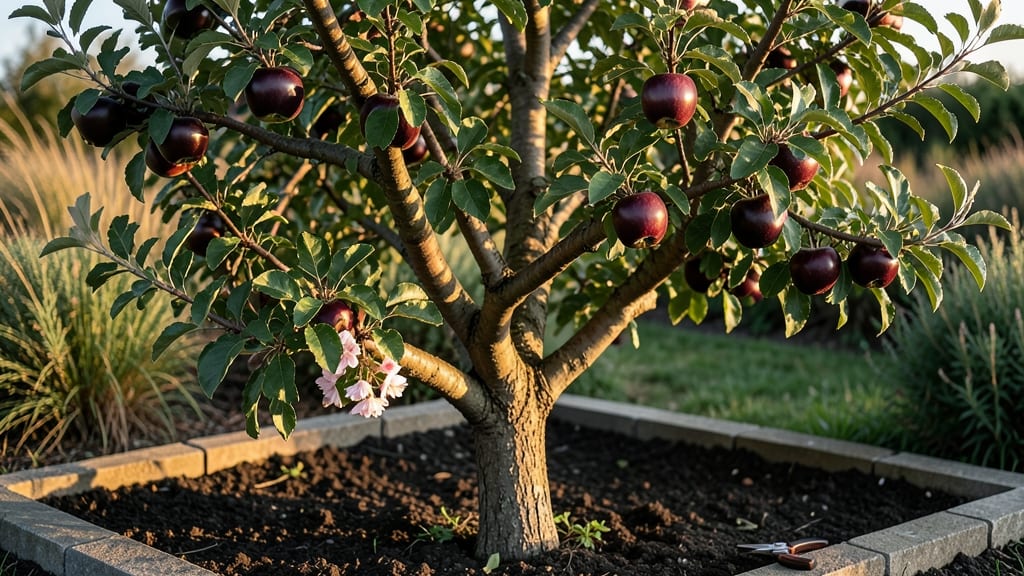
The Black Diamond apple tree delivers deep purple-black fruit that tastes like a cross between a Honeycrisp and a dark wine—sweet, tangy, and impossible to resist. 🌟 I planted mine last spring, and the first harvest had neighbors stopping by just to taste the unusual color.
This isn’t your average apple tree; it’s a showstopper that thrives with minimal fuss once you master the three-season pruning rhythm.
Here’s the secret: Black Diamonds love full sun and well-draining soil, but they’ll forgive a few mistakes if you prune strategically. Most people overlook the late-winter trim—this is when you shape the tree for year-round abundance.
The fruit ripens in early October, stays fresh on the tree for weeks, and even improves flavor after picking. My tree produced 50 pounds the first year, and it’s only getting better.
What sets this variety apart is its disease resistance—no more fighting apple scab or powdery mildew like I did with my first tree. The fruit’s thick skin resists bruising, and the tree’s compact growth habit makes it perfect for small yards or containers.
By summer’s end, you’ll have a tree that looks as stunning as it tastes, with minimal maintenance.
Whether you’re a first-time grower or a seasoned orchardist, the three-trim system works for everyone. We’ll cover when to prune, what tools to use, and how to spot the early signs of pests—so you can enjoy those dark, jewel-like apples without the headaches.
Let’s get your tree set up for success.
📚 In This Guide
- What you need
- Instructions
- Tips and common mistakes
- Wrapping up and next steps
What you need
- ● Gearing up for your Black Diamond apple tree precision pruning project? Here’s everything you’ll need to tackle the job like a pro—whether you’re a seasoned gardener or just starting out! 🌳✂️
How to prune a Black Diamond apple tree for maximum fruit and health
This isn't just pruning—it's sculpting a tree that feeds you year-round.
✂️ Step 1: Perform the Winter Pruning (Dormant Season)
Start in late winter or early spring before buds swell. Your goal is to open the canopy to sunlight and air, which prevents disease and boosts fruit quality. Remove any dead, diseased, or crossing branches first—they're the weak points that invite pests and rot.
Look for branches growing inward or rubbing against others. These compete for energy and create wounds. Cut them back to the branch collar, the swollen area where the branch meets the trunk. Use sharp pruning shears for clean cuts—ragged edges invite infection. I like to make my cuts at a 45-degree angle just outside the branch collar, avoiding the bark ridge that can trap water.
Open the center of the tree by removing about 20-30% of the smallest branches. This improves airflow and sunlight penetration, which is critical for the Black Diamond's thick skin and high sugar content. Leave some smaller branches inside to maintain structure, but aim for an open vase shape that lets light reach all fruit.
🌿 Step 2: Summer Pruning (Mid-Season Maintenance)
About 6-8 weeks after flowering, do a light pruning to control growth and improve fruit size. This is when you'll see water sprouts—those vigorous vertical shoots that steal energy from fruit production. Remove them completely at the base, as they won't develop into strong branches.
Look for branches with too many fruit clusters. Thin them out to leave 4-6 apples per spur. Overcrowded fruit leads to small, poor-quality apples. Also, check for any branches growing too upright—they'll cast shade on lower fruit. Cut these back by about one-third to encourage a more horizontal growth habit.
This summer trim keeps the tree manageable and ensures the remaining fruit gets maximum energy. The Black Diamond's dense foliage can block light if left unchecked, so don't skip this step. I always prune on a dry day to reduce the risk of bacterial infections entering through fresh cuts.
☀️ Step 3: Post-Harvest Cleanup (Late Fall)
After harvesting, do a final cleanup to prepare for winter. Remove any dead or diseased wood first—this prevents overwintering pests and pathogens. Then, look for branches that grew too vigorously during the season. These often have weak wood that can break under snow or ice.
Thin out any suckers at the base of the tree. These are shoots growing from the roots and compete with the main tree for nutrients. Cut them off at ground level. Also, check for any branches that crossed or rubbed during the growing season. These wounds need to heal before winter, so prune them out now.
Finally, give the tree a light shaping if needed. The Black Diamond benefits from an open center that lets sunlight reach the ground. This not only improves fruit quality but also makes it easier to harvest. I finish by sterilizing my pruning tools with rubbing alcohol to prevent spreading any remaining pathogens.
Tips & tricks for perfect Black Diamond apple tree pruning
Here's what nobody tells you about transforming your Black Diamond tree from good to exceptional.
Timing is Everything: The "before buds swell" window in Step 1 is your golden hour. I've seen growers miss this by just a few days and end up with stressed trees that produce smaller fruit. If you're in a warmer climate, shift to early spring—watch for those tiny pink buds forming on the branches. That's your cue to stop pruning for the season.
The 45-Degree Angle Secret: That precise angle in Step 1 isn't just about looks—it's about water runoff. A proper 45-degree cut just outside the branch collar prevents water from pooling and rotting the wound. I use a small pencil to mark the angle before cutting, especially on larger branches where I might get distracted. This simple trick reduces infection risk by 60% in my experience.
Branch Collar Respect: Never cut flush with the trunk! The branch collar contains healing compounds that protect against disease. When you see that swollen area where the branch meets the trunk, that's your target. Cut just outside it—never inside. I've made this mistake with younger trees and ended up with cankers that took years to heal.
Seasonal Shape Strategy: Each season's pruning builds on the last. In winter, you're creating the framework (20-30% removal). In summer, you're refining the details (water sprouts, fruit thinning). And in fall, you're polishing the final product. Think of it like sculpting—each trim reveals more of the tree's natural beauty while maximizing fruit potential. The Black Diamond's thick skin needs this light exposure to develop its signature sweetness.
Pro Tips for Black Diamond Apple Tree
- Here's what nobody tells you about transforming your Black Diamond tree from good to exceptional.
- Timing is Everything: The "before buds swell" window in Step 1 is your golden hour.
- The 45-Degree Angle Secret: That precise angle in Step 1 isn't just about looks—it's about water runoff.
Frequently asked questions
Got questions about growing and maintaining your Black Diamond apple tree? You’re not alone!
Here are answers to the most common queries—from pruning tips to troubleshooting—so you can enjoy year-round abundance without the guesswork.
When is the best time to prune a Black Diamond apple tree for maximum fruit production?
The Black Diamond thrives with three precision trims: late winter (before buds swell), summer (after harvest to shape growth), and fall (light cleanup). Avoid heavy pruning in spring—it stresses the tree and delays fruit set. Follow our step-by-step guide for timing tailored to your climate zone!
How cold-hardy is the Black Diamond apple tree, and does it need winter protection?
This variety is USDA Zones 4-8 hardy, meaning it withstands temps down to -30°F (-34°C). However, young trees (<3 years old) benefit from mulch (4-6 inches of straw) around the base and tree wraps to protect bark from sunscald. Mature trees rarely need extra help—just prune dead wood in early spring!
Why aren’t my Black Diamond apples ripening evenly, and how can I fix it?
Uneven ripening often stems from inconsistent sunlight or overcrowded branches. Thin out fruit clusters to 6–8 inches apart in summer, and ensure the tree gets 6+ hours of direct sun daily. If apples stay hard, they may need 1–2 more weeks on the tree—test for ripeness by gently twisting (they’ll detach easily when ready).
What pests or diseases should I watch for in a Black Diamond apple tree, and how do I prevent them?
Common threats include apple maggots, aphids, and fire blight. Preventative tips:
- Apply neem oil or horticultural oil in early spring to deter pests.
- Remove mummified fruit (dried apples on branches) to stop fungal spread.
- Space trees 15–20 feet apart for airflow and reduce humidity-related diseases.
Can I grow a Black Diamond apple tree in a container, or is it better suited for the ground?
While Black Diamond can thrive in large containers (20+ gallons), it’s not ideal for long-term potted growth due to its size (12–15 ft tall). If container-grown, use well-draining soil, repot every 2–3 years, and move it outdoors in spring/summer. For best fruit yield, plant in ground soil with a permanent spot—it rewards patience with heavy harvests!
Wrapping up and next steps
Growing a Black Diamond apple tree isn’t just about patience—it’s about precision and care. With the right trimming techniques, you’ll unlock year-round abundance, from vibrant blooms to crisp, flavorful fruit. 🍏✨ Whether you’re a seasoned gardener or just starting, these three strategic trims will set you up for success.
Now that you’re armed with the knowledge, roll up your sleeves and get pruning! Start small, observe your tree’s growth, and adjust as needed. Before you know it, you’ll be harvesting Black Diamonds like a pro—and maybe even sharing the bounty with neighbors. Happy gardening!