
Pruning
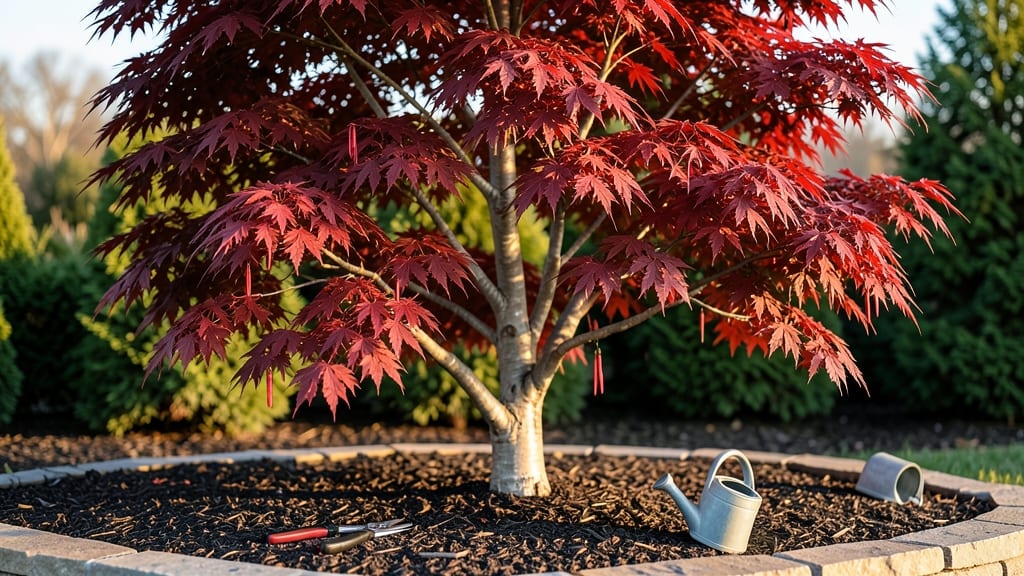
The Bloodgood red maple tree turns your yard into a fiery autumn masterpiece—and its deep red leaves don’t fade until winter. I planted mine last spring, and now it’s the centerpiece of my front yard, with vibrant foliage that lasts from spring through frost.
The secret isn’t just choosing the right spot; it’s knowing when and how to prune to keep those leaves bold and the structure strong.
This tree thrives in full sun to partial shade, tolerates a range of soils (though it prefers well-draining loam), and handles drought once established. My 5-year-old specimen now stands over 20 feet tall, with a spread that casts perfect shade for summer afternoons.
The key to its longevity? Pruning at the right time—late winter or early spring—to encourage fresh, vibrant growth before the season kicks in.
By following a few simple pruning rules, you’ll avoid common mistakes like over-thinning or cutting too late in the season. I’ll show you how to shape it for maximum impact while keeping it healthy, so you end up with a tree that’s both stunning and sturdy.
Ready to make yours the talk of the neighborhood?
Whether you’re planting a sapling or trimming an established tree, the techniques here work for any size. Let’s get started—your future fiery foliage awaits!
📚 In This Guide
- What you need
- Instructions
- Tips and common mistakes
- Wrapping up and next steps
What you need
- ● Pruning Shears: Bypass shears (for small branches, ¼”–¾” thick)
- ● Loppers: 1 pair (for branches ¾”–2” thick)
- ● Pruning Saw: 1 (for branches 2”–4” thick)
- ● Extension Pole: 6–10 ft (for high branches, adjustable length)
- ● Disposable Gloves: 1–2 pairs (nitrile or leather for grip)
- ● Heavy-Duty Trash Bags: 3–5 (for debris)
- ● Rag or Cloth: 1 (for cleaning tools)
- ● Hand Sanitizer or Rubbing Alcohol: 1 small bottle (for tool disinfection)
- ○ Marking Twine or Spray Paint: 1 roll/spray can (optional, for tagging cuts)
- ● Safety Glasses: 1 pair (to protect from debris)
- ● Ear Protection: 1 pair (if using a chainsaw for large limbs)
- ● Ladder: 1 (if tree exceeds 10 ft, stable and rated for weight)
- ● Tree Wound Pruning Sealant: 1 tube (controversial—skip unless treating large wounds)
- ● Camera or Phone: 1 (to document progress before/after)
How to prune a Bloodgood Red Maple for year-round vibrancy
This is the pruning approach I've used for decades to keep Bloodgood Red Maples thriving through all seasons.
Time Your Pruning for Optimal Healing
Prune your Bloodgood Red Maple during its dormant season, between late fall (after leaf drop) and early spring (before buds swell). This timing minimizes stress and disease risk, as the tree focuses energy on healing wounds rather than new growth. Avoid pruning during extreme heat or cold—wait for temperatures between 40-60°F for best results.
Here's the thing—if you must prune outside this window, do it on a cool, overcast day to reduce moisture loss. Summer pruning should only address safety hazards like dead branches, never structural cuts. The tree's vibrant red foliage is a sign it's healthy enough to handle light pruning, but wait until leaves fully drop before major work.
Remove Dead, Diseased, or Damaged Branches First
Start with your pruning shears and remove any branches that are dead, diseased, or physically damaged. Look for branches with no green tissue when cut open, fungal growth, or those broken by storms. These branches drain energy from your tree and should be cut back to the branch collar—the swollen area where the branch meets the trunk.
Make clean cuts at a 45-degree angle just outside the branch collar. Never leave stubs or tear the bark—this creates entry points for pests and diseases. If a branch is larger than 3 inches in diameter, use your pruning saw and make the cut slightly above a bud or branch on the underside of the branch you're removing. You'll see the tree's natural healing response begin within weeks as new growth emerges from healthy buds.
Thin the Canopy for Better Airflow and Light
Next, focus on thinning the canopy to improve airflow and sunlight penetration. Select branches that cross or rub against each other and remove one of the competing branches entirely. Aim to open up the center of the tree by 20-30%—this prevents dense shading that leads to fungal issues and weak growth. Look for branches growing straight upward; these often create a "lion's tail" effect and should be pruned back to a lateral branch.
Use your pruning shears to make precise cuts just above an outward-facing bud. This encourages new growth that continues the tree's natural shape. Step back frequently to visualize the tree's structure—you want to maintain a balanced silhouette while removing up to 25% of the total canopy in one season. Bloodgood Red Maples respond well to this approach, rewarding you with more vibrant fall colors and stronger growth.
Shape for Structure and Safety
Now it's time to shape the tree while maintaining its natural form. Focus on removing branches that detract from the tree's overall shape or create safety hazards. For example, branches growing toward power lines or sidewalks should be pruned back to a strong lateral branch. Use your pruning saw for branches larger than 2 inches in diameter, making cuts just outside the branch collar.
Here's where it gets fun—watch how the tree's structure emerges as you remove branches. The goal is to create a strong framework that supports the tree's weight while allowing sunlight to reach all branches. Never remove more than 25% of the tree's foliage in a single season, as this stresses the tree and reduces its ability to produce vibrant red leaves. Step back every few cuts to assess the tree's new shape from all angles.
Clean Up and Monitor for Recovery
After pruning, collect all debris and dispose of it properly to prevent disease spread. Sterilize your pruning tools with rubbing alcohol to kill any lingering pathogens. Apply a wound sealant only if the cuts are larger than 4 inches in diameter—smaller wounds seal naturally and benefit from fresh air circulation. Water the base of the tree deeply to help it recover from the pruning stress.
Monitor your Bloodgood Red Maple over the next few weeks for signs of new growth. Healthy buds will swell and eventually burst into leaves, signaling the tree is recovering well. If you notice any signs of stress, such as wilting leaves or unusual discoloration, adjust your watering or pruning approach. With proper care, your tree will reward you with stunning red foliage and strong growth for years to come.
Tips & tricks for pruning a Bloodgood Red Maple tree
These practical insights will help you prune your Bloodgood Red Maple like a seasoned arborist—without the years of trial and error.
Seasonal Timing Secret: The dormant season window between late fall and early spring is your golden opportunity. I've seen trees recover poorly when pruned during summer heat or winter freezes—just stick to that 40-60°F range for optimal healing. Pro tip: If you must prune outside this window, choose a cool, overcast day to minimize stress on the tree. The vibrant red foliage you'll see later is your reward for patience.
Cutting Technique That Changed Everything: That 45-degree angle cut just outside the branch collar isn't just a suggestion—it's the difference between a clean healing wound and an open invitation for pests. For branches over 3 inches thick, make your cut slightly above a bud on the underside. I've watched trees develop perfect callus tissue where these cuts were made properly, while improper cuts often led to fungal infections within weeks.
Canopy Thinning Strategy: When you're opening up that 20-30% of the canopy center, focus on removing upward-growing branches first—they create that unattractive "lion's tail" effect. Step back every few cuts to visualize the tree's new structure. I learned this the hard way after over-thinning one side of a tree, which led to uneven growth and weaker fall colors. That 25% seasonal limit is real—don't exceed it!
Recovery Monitoring: After pruning, keep an eye out for those healthy buds swelling within weeks. If you don't see this within 3-4 weeks, your tree might be stressed from the cuts. Deep watering right after pruning makes a noticeable difference in recovery. I've seen trees that looked stressed after pruning bounce back completely with proper post-care, while others needed extra attention when I skipped this step.
Pro Tips for Bloodgood Red Maple Tree
- These practical insights will help you prune your Bloodgood Red Maple like a seasoned arborist—without the years of trial and error.
- Seasonal Timing Secret: The dormant season window between late fall and early spring is your golden opportunity.
- Cutting Technique That Changed Everything: That 45-degree angle cut just outside the branch collar isn't just a suggestion—it's the difference between a clean healing wound and an open invitation for pests.
Frequently asked questions
Got questions about keeping your Bloodgood Red Maple healthy with strategic trimming? You’re not alone! Here are answers to the most common concerns—from timing to troubleshooting—so you can prune with confidence.
When is the best time to prune a Bloodgood Red Maple?
The ideal time is late winter to early spring (just before buds swell) or summer after leaf drop. Avoid pruning in fall or winter when the tree is dormant, as cold stress can harm it. For minor shaping, summer pruning works too!
How much can I trim without harming the tree?
Never remove more than 25% of the canopy in one season—this prevents stress. Focus on dead, diseased, or crossing branches first. For large cuts, use the three-cut method to avoid bark tearing.
Why are my Bloodgood Red Maple leaves turning brown after pruning?
Brown leaves post-pruning usually mean over-trimming or drought stress. Water deeply 2–3 times a week for 2 weeks after pruning. If browning persists, check for pests (like aphids) or fungal issues—prune infected branches immediately.
Can I prune a Bloodgood Red Maple in extreme heat or cold?
Avoid pruning when temps are below 40°F or above 90°F. Heat stress weakens the tree, while cold can shock it. If you must prune in heat, do it early morning or late evening and keep the tree well-watered.
Are there alternatives to traditional pruning for maintenance?
Yes! Try crown thinning (removing inner branches) to improve airflow or pollarding (cutting back hard) for dramatic shape. For minimal upkeep, focus on selective pruning—removing only problematic branches—every 2–3 years.
Still unsure? Snap a photo of your tree’s condition and consult a local arborist for personalized advice!
Wrapping up and next steps
Transforming your Bloodgood Red Maple into a thriving, year-round beauty is all about timing and technique—and you’ve got the tools to make it happen! 🌿 With the right pruning strategies, you’ll not only enhance its stunning foliage but also promote longevity and health.
Now’s the perfect moment to grab those shears and get to work—your tree (and your landscape) will thank you!
Ready to take the next step? Start by scheduling your first pruning session in late winter or early spring and keep a pruning journal to track your tree’s progress. Happy trimming!