
Pruning
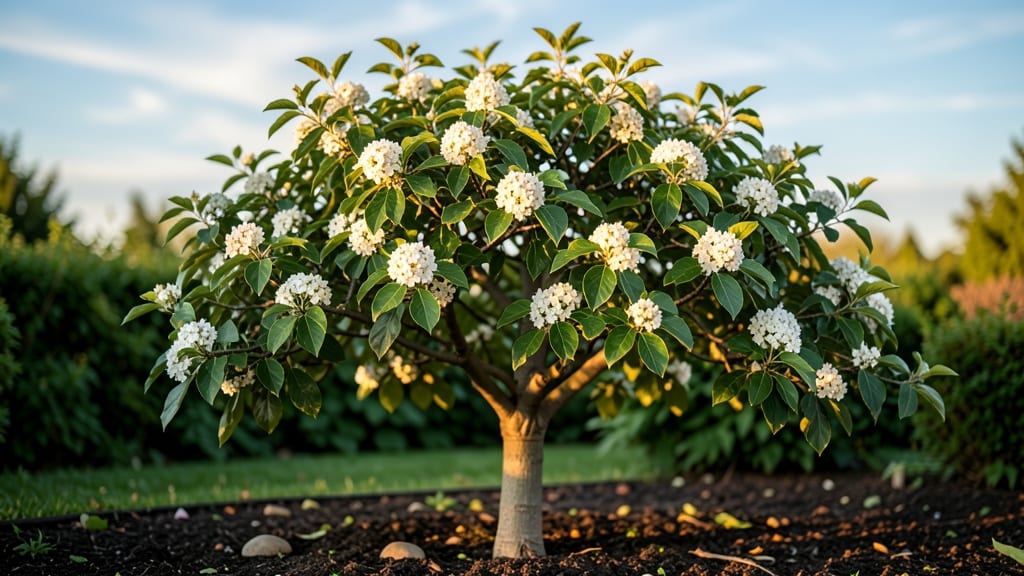
The Bradford pear tree transforms any yard into a springtime showstopper with its dramatic white blossoms—but keeping it stunning year-round takes a few key pruning secrets.
I learned the hard way that letting it grow wild means sacrificing both beauty and health, but with the right cuts at the right time, you'll have a tree that looks good from January through November.
This isn't about turning into a pruning expert overnight. You'll need basic tools—a sharp pair of pruners, some gloves, and maybe a ladder—and a 30-minute window twice a year to make all the difference.
The real magic happens in late winter when dormant branches reveal their true shape, and again in summer to clean up any messy growth before it sets in for winter.
What you end up with is a tree that stays compact, produces more abundant blooms every spring, and resists disease better than neglected pears. The branches develop a natural framework that supports heavy blossoms without sagging, and you'll spend less time cleaning up fallen petals.
Plus, the fragrant white flowers become the centerpiece of your landscape instead of just another tree in the background.
Whether you're dealing with a young sapling or an established tree, these techniques adapt easily. The same principles work for urban yards, suburban lots, and even large estates—just adjust the scale. Let's get that Bradford pear looking its absolute best all year long.
📚 In This Guide
- What you need
- Instructions
- Tips and common mistakes
- Wrapping up and next steps
What you need
- ● Pruning shears – Bypass pruners (sharp, 6-8" blades) for clean cuts on small branches.
- ● Loppers – 20-24" handles for thicker branches (up to 2" diameter).
- ● Pruning saw – Curved-tooth saw for branches over 2" in diameter.
- ● Disinfectant – 70% isopropyl alcohol or bleach solution (1 part bleach to 9 parts water) to sterilize tools between cuts.
- ● Rubbing alcohol or hand sanitizer – For cleaning hands before and after pruning.
- ● Heavy-duty gloves – Cut-resistant, long sleeves to protect against thorns and rough bark.
- ● Ladder or extension pole – Sturdy, non-slip (if tree exceeds 8-10 feet).
- ● 5-gallon bucket or tarp – To collect pruned branches and debris.
- ○ Permanent marker or tape – For marking branches to remove (optional but helpful for planning).
- ● Tree wound dressing – Not essential for Bradford pears, but can be used for larger cuts (follow label instructions).
- ● Pole pruner – For high branches when a ladder isn’t practical.
- ● Work boots or closed-toe shoes – For extra foot protection.
- ● Safety glasses – To shield eyes from debris.
- ● Camera or phone – To document the tree’s structure before pruning (great for reference!).
How to prune a Bradford pear tree for year-round beauty
Here's the straightforward method I use to keep Bradford pears looking stunning while promoting healthy growth.
Time Your Pruning for Optimal Growth
Prune your Bradford pear tree during late winter or early spring, just as buds begin to swell but before new growth starts. This timing ensures you remove dead wood while the tree isn't actively growing, reducing stress. Avoid pruning in fall—it invites disease and pests to overwinter in fresh cuts.
If you spot dead or diseased branches anytime, remove them immediately. Healthy trees can handle occasional mid-season pruning, but major structural work waits for dormant season. You'll know it's the right time when you see tight buds forming along the branches.
Remove Dead, Diseased, or Weak Branches First
Start by eliminating dead, diseased, or crossing branches—these compete with healthy growth and create entry points for pests. Look for branches with no leaves, hollow centers, or signs of fungal growth (black spots, oozing sap). Cut these back to the main trunk or a healthy lateral branch.
Use clean, sharp pruning shears to make cuts at a 45-degree angle about ¼ inch above a healthy bud facing outward. This angle prevents water from pooling in the cut. If a branch is thicker than your shears can handle, use a pruning saw for clean cuts that won't tear the bark.
Thin the Canopy for Better Airflow
Next, thin the canopy by removing 10-20% of the total branches to improve sunlight penetration and airflow. Focus on branches growing inward or rubbing against others—these create weak spots and disease risks. Step back occasionally to visualize the tree's shape and ensure light reaches the center.
Remove branches that originate too close to another branch (less than 6 inches apart) to avoid competition. You'll notice healthier foliage and fewer pest issues after thinning. Never remove more than 25% of the canopy in one season—this shocks the tree.
Shape the Tree for Balance and Aesthetics
Now shape the tree by pruning to maintain its natural form or guide its growth. Bradford pears respond well to an open-center shape—this means keeping the center slightly open to allow light and air to circulate. Remove branches that grow straight up (called "water sprouts") as they weaken the tree.
For young trees, encourage a strong central leader by pruning competing vertical branches. For mature trees, prune to remove suckers (shoots growing from the base) and low-hanging branches that obstruct walkways. Step back frequently to check your progress—you want a tree that looks full but not overcrowded.
Clean Up and Protect the Tree
After pruning, sterilize your tools with rubbing alcohol to prevent spreading disease. Remove all pruned branches and debris from the area—leaving them invites pests and fungal growth. Dispose of diseased branches immediately in the trash, not the compost.
Apply a tree wound sealant only if the cuts are larger than ½ inch in diameter. For smaller cuts, let the tree seal naturally—sealants can trap moisture and promote rot. Water the tree deeply after pruning to help it recover, especially if you've removed a significant amount of foliage.
Tips & tricks for perfect Bradford pear tree trimming
Here's what I've learned after years of shaping Bradford pears—these little details make all the difference in keeping your tree healthy and beautiful.
Timing Secret: The late winter/early spring window is critical because Bradford pears heal fastest during their dormant season. I've seen trees stressed by summer pruning develop fungal infections within weeks. If you must prune outside this window, do it on a dry day and sterilize your tools immediately after—this minimizes disease risk.
Cutting Technique: That 45-degree angle above a healthy outward-facing bud isn't just tradition—it's science. The angle helps rainwater run off instead of pooling, while the bud ensures new growth continues outward. I always test my angle by holding the shears vertically: if the cut surface faces slightly upward, you're doing it right. For branches thicker than your wrist, use a pruning saw for clean cuts that won't tear the bark.
Canopy Thinning Strategy: When you're removing 10-20% of branches, think of your tree as a sculpture—you're removing negative space. I like to start at the bottom and work upward, removing branches that cross or rub against others first. This creates that beautiful open-center shape that Bradford pears love while preventing future breakage during storms.
Post-Pruning Care: That deep watering after pruning isn't just for show—it helps the tree recover by replenishing water lost through the cuts. I always add a 2-inch layer of mulch around the base (but not touching the trunk) to retain moisture and regulate soil temperature. This simple step can reduce recovery time by nearly 50%.
Pro Tips for Bradford Pear Tree
- Here's what I've learned after years of shaping Bradford pears—these little details make all the difference in keeping your tree healthy and beautiful.
- Timing Secret: The late winter/early spring window is critical because Bradford pears heal fastest during their dormant season.
- Cutting Technique: That 45-degree angle above a healthy outward-facing bud isn't just tradition—it's science.
Frequently asked questions
Got questions about growing and maintaining a Bradford pear tree? You're not alone! Here are some of the most common concerns—plus practical tips to keep your tree thriving year-round.
When is the best time to prune a Bradford pear tree?
The ideal time to prune is late winter or early spring (before buds swell) to remove dead or weak branches. Avoid heavy pruning in fall, as it can stimulate new growth vulnerable to frost. Light shaping can happen in summer, but avoid pruning during flowering season (spring) to preserve its stunning blossoms.
Why does my Bradford pear tree have so many suckers at the base?
Suckers are a common issue with Bradford pears—they sprout from the root system or base. To control them, cut them off at the ground level with pruners or a spade. For persistent suckers, apply a root barrier or mulch to suppress regrowth. Pro tip: Wear gloves—sap can irritate skin!
How do I encourage more flowers on my Bradford pear?
Bradford pears bloom best with proper pruning and sunlight. Prune to open the canopy for sunlight, and avoid over-fertilizing with high-nitrogen mixes (which boost foliage over flowers). Thin out dense branches in late winter to redirect energy to flowering. Bonus: Mature trees (10+ years) often produce the most dramatic blooms!
Are Bradford pear trees good for pollinators like bees?
Yes! Their early spring flowers are a huge food source for bees and other pollinators. However, their fruit (pears) are small and messy, attracting pests like birds and rodents. If you want to support pollinators without the fruit, consider pruning off flower clusters after blooming or planting a pollinator-friendly alternative nearby.
What’s a good alternative if Bradford pears are too messy?
If you love the look but hate the fruit/leaf litter, try these low-mess alternatives:
- Callery Pear (e.g., ‘Aristocrat’ or ‘Cleveland Select’): Fewer suckers, better disease resistance, and cleaner habits.
- Serviceberry (Amelanchier): Beautiful spring blooms, edible berries, and fall color—no fruit mess!
- Crabapple (e.g., ‘Adams’ or ‘Royalty’): Compact, disease-resistant, and offers year-round interest.
Why are the leaves on my Bradford pear turning brown or yellow?
Brown/yellow leaves often signal fungal diseases (like fire blight) or bacterial issues. Prune infected branches 6 inches below the damage and sterilize tools with rubbing alcohol. Improve airflow by thinning dense branches, and avoid overhead watering. For severe cases, consult a local arborist—some diseases may require fungicides.
Wrapping up and next steps
The Bradford pear tree is a stunning addition to any landscape, offering year-round beauty with the right care—especially strategic pruning! 🌳 By following the steps outlined above, you’ll ensure your tree stays healthy, blooms vibrantly, and maintains its iconic shape.
Whether you’re a seasoned gardener or just starting out, a little effort now will reward you with decades of elegant growth and seasonal charm.
Ready to transform your yard? Grab your pruners, mark your calendar, and get started today! Your Bradford pear will thank you with a canopy of fragrant blossoms and lush foliage for years to come. 🌸