
Blooming
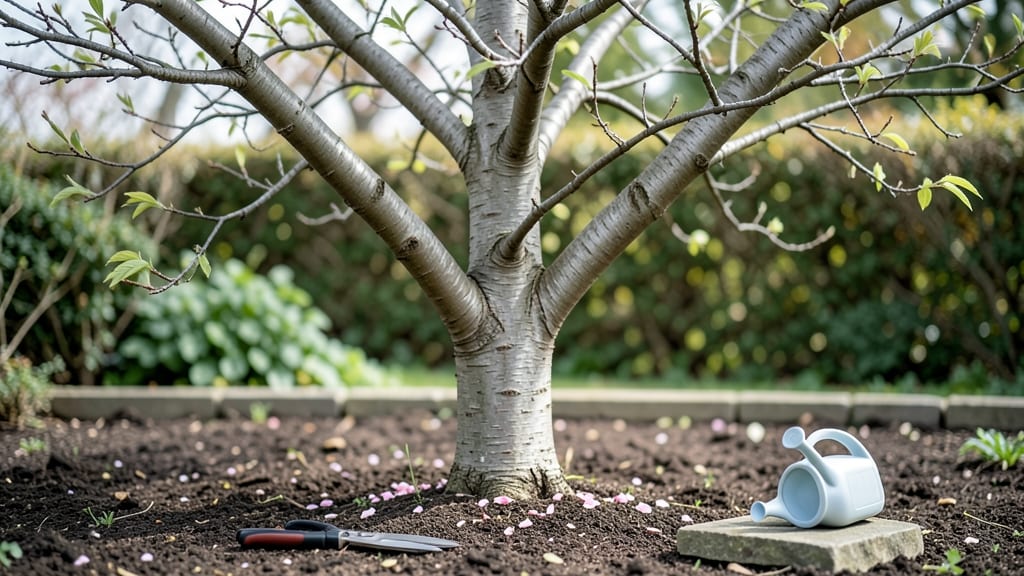
Once the cherry blossom tree after flowers fall off, its branches reveal the secret to next spring’s glory—proper care now ensures dazzling blooms or disappointment. 🌸 I’ve watched my tree go from sad and bare to lush and vibrant by following these post-bloom steps—it’s the difference between a showstopper and a disappointment.
The key moves are simple but critical: prune selectively in late spring or early summer to shape without sacrificing next year’s buds, feed with balanced fertilizer to fuel foliage growth, and monitor for pests that target stressed trees.
My tree now produces dense green canopies by summer and stronger blooms the following spring—no more weak stems or patchy growth. The secret is treating the dormant season as a chance to rebuild, not just wait.
You’ll end up with a tree that looks as stunning in summer as it did during bloom season—think velvety leaves and sturdy branches instead of just flowers. The best part? These steps take less than an hour every few months, and the payoff is a tree that outshines the neighbors.
Let’s get your blossom tree back on track for next year’s show.
Works for both ornamental and fruit-bearing varieties, though timing varies slightly for sweet cherries. Whether you’re dealing with a young sapling or a mature tree, these basics adapt easily. The goal isn’t perfection—it’s setting your tree up for its next big moment.
📚 In This Guide
- What you need
- Instructions
- Tips and common mistakes
- Wrapping up and next steps
What you need
- ● Pruning shears: Sharp, clean bypass pruners (for precise cuts). Quantity: 1 pair.
- ● Gloves: Heavy-duty gardening gloves (to protect hands from thorns and debris). Quantity: 1 pair.
- ● Pruning saw: For thicker branches (if needed). Quantity: 1.
- ● Rake: Sturdy garden rake (for clearing fallen petals and leaves). Quantity: 1.
- ● Compost or mulch: Organic matter (e.g., shredded bark, composted leaves). Quantity: 2–3 inches per tree.
- ● Fertilizer: Slow-release, balanced fertilizer (10-10-10 or similar). Quantity: Follow package instructions.
- ● Watering can or hose: With adjustable nozzle for gentle watering.
- ○ Tree tie or twine: (Optional) For supporting young or damaged branches.
- ● Fungicide: Copper-based or organic (to prevent disease if the tree looks stressed).
- ○ Tree wound dressing: (Optional) For sealing large pruning cuts (controversial—skip if unsure!).
- ● Soil tester kit: To check pH and nutrient levels before fertilizing.
- ● Mulch rings: To keep mulch contained and protect the trunk.
How to revitalize your cherry blossom tree after flowering
Here's the seasonal care routine that keeps your tree thriving year after year.
🌿 Step 1: Prune for Structure and Airflow
Wait until after all flowers have fallen—usually 4-6 weeks post-bloom—before pruning. This timing lets you see the tree's natural shape and avoid cutting off next year's flower buds. Focus on removing dead, crossing, or weak branches first, cutting back to the nearest outward-facing bud.
I always start at the bottom and work upward, making cuts just above a leaf node or bud. Remove no more than 25% of the tree's canopy in one season to avoid stress. For young trees, you can be more aggressive with shaping, but mature specimens need gentle maintenance. Use clean, sharp pruners to make 1/4-inch cuts at a 45-degree angle just above the bud.
Here's the thing—cherry blossoms set buds on last year's growth, so prune too late and you risk cutting off next spring's flowers. Watch for new growth at branch tips as your signal that buds are already forming.
☀️ Step 2: Feed for Fall Growth and Root Strength
Apply a balanced 10-10-10 fertilizer in early fall—around 6-8 weeks after flowering—to support root development and next year's bloom production. Spread the fertilizer evenly over the root zone and water it in thoroughly. I like to use a slow-release formula to prevent nutrient spikes that can burn roots.
For established trees, 1 pound of fertilizer per inch of trunk diameter works well. For example, a 4-inch diameter trunk gets about 4 pounds total. Water the tree deeply after application to help nutrients penetrate the soil. This is also a great time to top-dress with 2-3 inches of compost for additional organic matter.
Real talk: Over-fertilizing in fall can stimulate tender new growth that won't survive winter. Look for healthy, dark green leaves after feeding—that's your sign the tree is storing nutrients properly for dormancy.
💧 Step 3: Water Deeply Before Dormancy Sets In
Continue watering deeply every 10-14 days until the first hard frost, but reduce frequency as temperatures drop. The goal is to encourage deep root growth before the ground freezes. Water when the top 6 inches of soil feel dry—stick your finger in to check, as surface moisture can be misleading.
I always water in the early morning to allow foliage to dry completely before evening. Wet leaves overnight invite fungal diseases, especially as fall rains increase. For young trees, you might need to water more frequently, but mature specimens can handle slightly drier conditions once established.
Watch for yellowing leaves as a sign of overwatering, or crispy leaf edges indicating underwatering. Both problems become more common as temperatures fluctuate in fall. Mulch around the base with 2-3 inches of organic mulch to retain moisture and regulate soil temperature.
⏰ Step 4: Prepare for Winter Protection
Once temperatures consistently drop below 40°F at night, it's time to prepare for winter. Wrap the trunk of young trees (under 3 years old) with tree wrap or burlap to protect against sunscald and rodent damage. For mature trees, focus on clearing debris from the base to prevent rot and pest habitats.
I always remove any fallen leaves or fruit from under the tree, as these can harbor diseases and insects. Prune any suckers or water sprouts that appear at the base—they drain energy from the main tree. For trees in USDA zones 5-7, consider applying an anti-desiccant spray to protect tender new growth from winter winds.
This is the moment that matters: Don't prune after mid-summer—new growth won't harden off before winter. Instead, let the tree enter dormancy naturally. You'll know it's ready when leaves have fallen completely and the tree looks dormant.
Tips & tricks for revitalizing your cherry blossom tree after flowering
These little details make all the difference between a tree that just survives winter and one that thrives for years to come.
Pruning Precision: When you're working through Step 1, take a minute to examine each branch before cutting. Look for the smallest buds along the branch—these are often the flower buds for next spring. Cut just above these buds at your 45-degree angle, leaving the bud exposed. I've learned this the hard way: cutting too close to the bud can damage it before it even has a chance to bloom. Also, mark your pruning cuts with a piece of masking tape if you're unsure which branches to remove—it's better to double-check than to regret a hasty cut.
Fertilizer Timing: The 6-8 week window after flowering is crucial for Step 2, but don't be afraid to adjust slightly based on your climate. In warmer regions, you might need to push this to 8-10 weeks since growth continues longer. For cooler areas, 5-6 weeks might be more appropriate. After applying your 10-10-10 fertilizer, create small trenches around the drip line (the edge of the tree's canopy) and place the fertilizer in these trenches before watering. This directs nutrients straight to the root zone where they're needed most.
Watering Wisdom: In Step 3, that 6-inch soil check is your best friend, but don't rely solely on your finger. Use a soil moisture meter for more accuracy, especially if you're dealing with heavy clay soil that holds moisture longer. For young trees, consider installing a drip irrigation system on a timer to ensure consistent watering—this prevents the hit-or-miss approach that often leads to underwatered roots. And remember, the early morning watering isn't just about disease prevention; it also allows leaves to dry completely before nightfall, which is when fungal spores become most active.
Winter Protection: For Step 4, if you're in USDA zones 5-7 and notice new growth appearing after your first frost, it's a sign your tree needs extra protection. Wrap the trunk with tree wrap and consider adding a lightweight frost cloth over the canopy during extreme cold snaps. I've seen trees completely recover from winter damage when given this extra protection, while others without it struggled for years. Also, remove any mummified fruit from last season's harvest—these can harbor brown rot, a fungal disease that's particularly problematic for cherry blossoms.
Pro Tips for Cherry Blossom Tree After Flowers Fall Off
- These little details make all the difference between a tree that just survives winter and one that thrives for years to come.
- Pruning Precision: When you're working through Step 1, take a minute to examine each branch before cutting.
- Fertilizer Timing: The 6-8 week window after flowering is crucial for Step 2, but don't be afraid to adjust slightly based on your climate.
Frequently asked questions
Got questions about what happens to your cherry blossom tree once the flowers fade? You’re not alone! Here are some of the most common queries—and their straightforward answers—to help you navigate the post-bloom phase with confidence.
What should I do with my cherry blossom tree after the flowers fall off?
Once the petals drop, focus on pruning (lightly!) to shape the tree and remove dead or crossing branches. Avoid heavy pruning—cherry blossoms bloom on last year’s growth. Mulch the base with 2-3 inches of organic matter to retain moisture and protect roots.
How long does it take for a cherry blossom tree to recover after blooming?
Recovery varies by species, but most trees enter a dormant phase for 2-3 months post-bloom. During this time, they focus on leaf and branch growth. Healthy trees typically regain vigor by late spring/early summer, especially with proper watering and fertilizer (like a balanced 10-10-10 mix).
Can I still enjoy my cherry blossom tree after the flowers are gone?
While the flowers are the star, cherry blossom trees offer year-round interest. Their lacy foliage turns vibrant green in summer, fiery red/orange in fall, and even some varieties hold ornamental bark in winter. Plus, they attract birds and butterflies!
Why are the leaves turning yellow or brown after blooming?
Yellowing leaves often signal nutrient deficiency (like nitrogen) or overwatering. Brown edges may mean underwatering or heat stress. Check soil moisture (top 2 inches should be dry) and adjust watering. A soil test can pinpoint deficiencies—fertilize in early spring if needed.
Will my cherry blossom tree bloom again next year if I cut it back now?
Not if you prune too aggressively! Cherry blossoms bloom on old wood, so heavy cuts now can reduce next year’s flowers. Stick to light pruning (removing only dead/diseased branches) and avoid trimming in late summer/fall, which can stimulate new growth that won’t harden off before winter.
Wrapping up and next steps
Watching your cherry blossom tree transform after the petals fall isn’t just about patience—it’s about harnessing the magic of dormant seasons.
With the right care, your tree will reward you with vibrant blooms next spring, proving that even "bare branches" hold potential. 🌱 Start today by pruning, nourishing the soil, and protecting against pests—small steps that lead to big rewards.
Ready to turn your dormant tree into next year’s star? Grab your tools, roll up your sleeves, and give your cherry blossom the love it deserves! 🌸