
Blooming
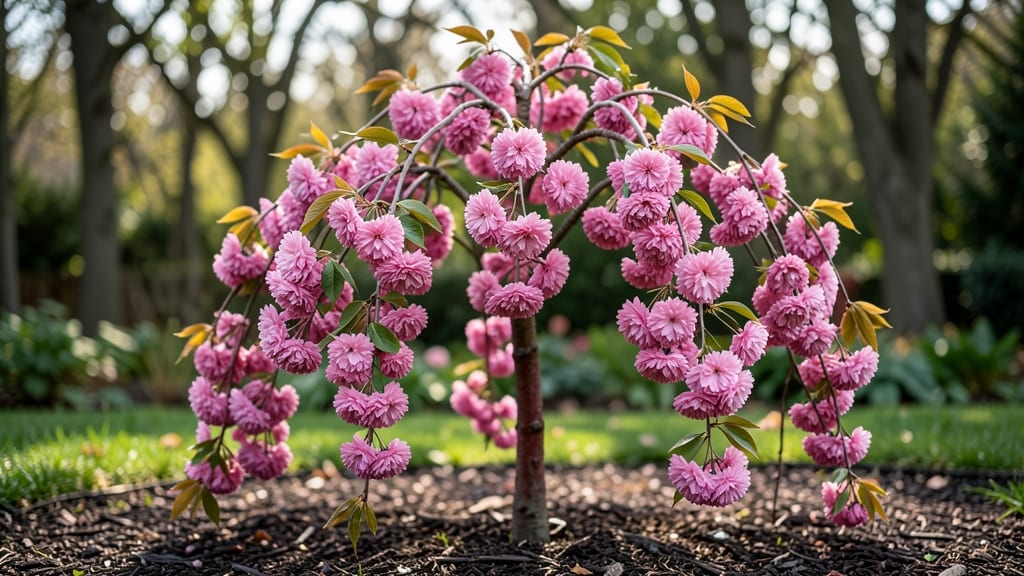
A double blossom weeping cherry tree draped in cascading pink flowers isn’t just a spring spectacle—it’s a living masterpiece that transforms your yard into a dreamy, year-round focal point.
I planted mine last autumn, and now it’s the first thing neighbors notice when they walk by, its branches heavy with blossoms even in late fall. The key?
Choosing the right spot where it gets morning sun and afternoon shade, paired with soil that drains well but holds moisture like a sponge.
You’ll need a sunny, sheltered location with at least 6-8 feet of width to let those branches weep gracefully without crowding your patio or driveway. Dig a hole twice as wide as the root ball but only as deep—planting too low invites rot, and we don’t want that.
Amend the soil with compost if yours is heavy clay, and mulch around the base to keep roots cool and hydrated. Water deeply right after planting, then again every 2-3 days until new growth appears.
Pruning isn’t just about shaping—it’s about encouraging those double blossoms to multiply. Cut back any dead or crossing branches in late winter, and lightly trim leggy growth in early spring to keep the tree compact.
Fertilize lightly in early spring with a balanced formula, but avoid heavy feeding once flowers appear—you want blooms, not leaves. With the right care, your tree will reward you with pink cascades from spring through early winter, making every season feel like a celebration.
Watch for powdery mildew on leaves or aphids clustering on new shoots—both are common but easily managed with neem oil or a strong spray of water. In winter, wrap the trunk with burlap if your climate dips below 10°F to protect tender bark.
The payoff? A tree that looks like a watercolor painting came to life in your yard, all year long. Ready to plant yours?
📚 In This Guide
- What you need
- Instructions
- Tips and common mistakes
- Wrapping up and next steps
What you need
- ● Double Blossom Weeping Cherry Tree: 1 young tree (bare-root or potted, 3–5 ft tall for best weeping effect)
- ● Prunus serrulata ‘Kanzan’ or Prunus × yedoensis hybrids (ensure double-blossom variety)
- ● Soil & Amendments: Well-draining, slightly acidic soil (pH 5.5–6.5)
- ● Compost or organic matter (5–10 lbs for planting)
- ● Slow-release fertilizer (10-10-10, 1 lb per tree)
- ● Planting Tools: Shovel or trowel
- ● Garden gloves
- ● Pruning shears (sterilized)
- ● Support & Mulch: Mulch (wood chips or pine straw, 2–3 inches)
- ● Stakes (if needed for young trees, 2–3 ft tall)
- ● Tree guard or protective wrap (to deter pests)
- ● Drip irrigation system (for consistent moisture)
- ● Slow-release bloom booster (for extended flowering)
- ● Decorative stakes or trellis (to shape weeping branches)
Step-by-Step guide to planting and caring for a double blossom weeping cherry tree
Here's how to nurture this stunning tree for years of graceful pink blooms.
Choose the Perfect Planting Location
Select a spot with full sun exposure for at least 6 hours daily—this tree thrives where it gets morning sunlight and gentle afternoon shade. The double blossom variety needs space to spread its weeping branches, so plant it 15-20 feet away from structures or other trees. Avoid low-lying areas where cold air pools, as this variety is sensitive to late spring frosts.
Test the soil pH before planting—ideal range is 6.0-7.0. If your soil is too acidic, amend with lime during planting. The tree’s roots need well-draining soil, so avoid heavy clay unless you mix in 3-4 inches of compost to improve aeration. Amend the planting hole with 1-2 inches of organic matter to give roots a nutrient boost right away.
Plant with Care for Strong Root Development
Dig a hole twice as wide as the root ball but no deeper—planting too deep suffocates roots and causes stress. Gently remove the tree from its container and loosen any circling roots with your fingers. This prevents girdling as the tree matures. Place the tree in the hole so the top of the root ball sits level with the surrounding soil—never bury the trunk deeper than it was in the container.
Backfill with native soil mixed with 1 part compost to encourage root expansion. Water deeply as you fill, tamping down soil lightly to remove air pockets. Create a 2-3 inch deep watering basin around the base to direct irrigation. After planting, water once daily for 10 days to help roots establish before transitioning to weekly deep waterings during dry spells.
Establish a Watering and Fertilizing Routine
Weeping cherry trees need consistent moisture during their first 2 growing seasons—deep water once weekly unless rainfall provides 1 inch of moisture. Check soil moisture by inserting your finger 2 inches deep; if dry, water until it drips from the bottom of the basin. Overwatering causes root rot, so always let the top 1-2 inches of soil dry between waterings once established.
Fertilize in early spring with a balanced 10-10-10 formula applied at half the recommended rate. Spread granules 6 inches from the trunk and water deeply to activate them. Avoid high-nitrogen fertilizers, which promote leafy growth at the expense of flowers. Mulch with 3 inches of organic mulch (like shredded bark) to retain moisture and regulate soil temperature—keep mulch 6 inches away from the trunk to prevent rot.
Prune for Shape and Flower Health
Prune immediately after flowering (late spring) to shape the tree and encourage next year’s blooms. Remove dead, crossing, or weak branches first, cutting just outside the branch collar. Thin out 10-15% of the canopy to improve airflow and reduce disease risk. Avoid heavy pruning—this variety blooms on old wood, so aggressive cuts reduce next season’s flowers.
For weeping branches, use hand pruners to guide growth direction by shortening tips that grow upward. Never remove more than 25% of the canopy in a single year. Sterilize tools with rubbing alcohol between cuts to prevent bacterial infections. After pruning, apply wound dressing to large cuts over 1 inch in diameter to seal them and prevent decay.
Tips & tricks for perfect double blossom weeping cherry tree care
These practical insights will help you nurture your weeping cherry tree into a stunning, long-lived centerpiece.
Location Wisdom: The 6 hours of full sun daily requirement is non-negotiable for vibrant blooms, but don't just look at sunlight—consider wind patterns too. Plant on the north side of structures to protect delicate branches from winter winds that can damage the weeping form. I've seen trees planted in exposed locations develop winter burn, so that morning sun with afternoon shade is crucial for both flower production and branch health.
Root Development Secret: When loosening circling roots in Step 2, don't just pull them apart—make small vertical cuts with a knife to encourage outward root growth. This prevents girdling as the tree matures, which is especially important for weeping varieties that naturally grow outward. The 10-day daily watering period is critical—skipping this can set roots back for years, so mark your calendar if you're planting in summer heat.
Watering Strategy: The weekly watering guideline assumes average rainfall—track your local precipitation carefully. In my experience, many gardeners overwater during the 2 growing seasons, thinking "more is better." Instead, check that top 2 inches of soil before watering, and always water deeply until it drips from the basin. Shallow watering encourages weak root systems that can't support the tree's weeping branches long-term.
Pruning Precision: When pruning immediately after flowering, focus on removing branches that grow upward—they disrupt the tree's graceful weeping form. I use a small flagging tape to mark branches to remove before making cuts, which helps visualize the final shape. For the 10-15% canopy thinning, think of it as creating a "window" through the canopy to let light reach all branches—this prevents the dense growth that can reduce flower production.
Pro Tips for Double Blossom Weeping Cherry Tree
- These practical insights will help you nurture your weeping cherry tree into a stunning, long-lived centerpiece.
- Location Wisdom: The 6 hours of full sun daily requirement is non-negotiable for vibrant blooms, but don't just look at sunlight—consider wind patterns too.
- Root Development Secret: When loosening circling roots in Step 2, don't just pull them apart—make small vertical cuts with a knife to encourage outward root growth.
Frequently asked questions
Got questions about nurturing your double blossom weeping cherry tree? You’re not alone! Here are answers to the most common queries—from planting to pruning—so you can enjoy its ethereal beauty year-round.
How do I know if my double blossom weeping cherry tree is healthy?
A healthy tree has vibrant pink blossoms (not sparse or brown), smooth, dark green leaves, and no oozing sap or curled bark. Check for pests like aphids or spider mites—look for sticky residue or tiny webs. If branches look dry or brittle, it may need pruning or water.
When is the best time to plant a double blossom weeping cherry tree?
Plant in early spring or fall when temperatures are mild (50–70°F). Avoid extreme heat or frost, as roots need time to establish. Dig a hole twice as wide as the root ball but no deeper—amend soil with compost for drainage. Water deeply after planting!
How often should I prune my weeping cherry tree?
Prune once a year in late winter/early spring (before buds swell) to shape the canopy and remove dead branches. Use sterilized tools to avoid disease. Avoid heavy pruning—these trees thrive with natural weeping branches. Trim no more than 25% of growth per year.
Why aren’t my double blossom weeping cherry flowers as abundant as expected?
Fewer blooms often mean over-fertilizing with nitrogen (prioritize balanced 10-10-10 fertilizer in early spring). Poor sunlight (6+ hours/day) or stress from drought/waterlogging can also reduce flowers. Mulch well and ensure consistent moisture—but avoid soggy roots!
Can I grow a double blossom weeping cherry tree in a container?
Yes! Choose a large, sturdy pot (24"+ diameter) with drainage holes and well-draining soil. Dwarf varieties (like ‘Kanzan’ hybrids) adapt better. Repot every 2–3 years and move indoors during winter if temps drop below 10°F. Expect slower growth but stunning seasonal blooms!
Are double blossom weeping cherries pollinator-friendly?
Their fragrant pink flowers attract bees, butterflies, and hummingbirds. For extra pollinator love, plant near companion bloomers like azaleas or magnolias. Just avoid pesticides—these trees thrive with natural ecosystems!
Wrapping up and next steps
The double blossom weeping cherry tree is a breathtaking addition to any garden, offering year-round elegance with its cascading pink blooms and graceful form. Whether you’re drawn to its ornamental beauty or its low-maintenance charm, this tree promises to be a standout feature that elevates your outdoor space.
Ready to bring this dreamy tree into your landscape? Start by researching local nurseries or reputable online sellers to ensure you’re getting a healthy specimen. With the right care, your double blossom weeping cherry will reward you with decades of stunning blooms—so why wait?
Plant the seeds (literally!) to your garden’s next masterpiece today! 🌸✨