
Pruning
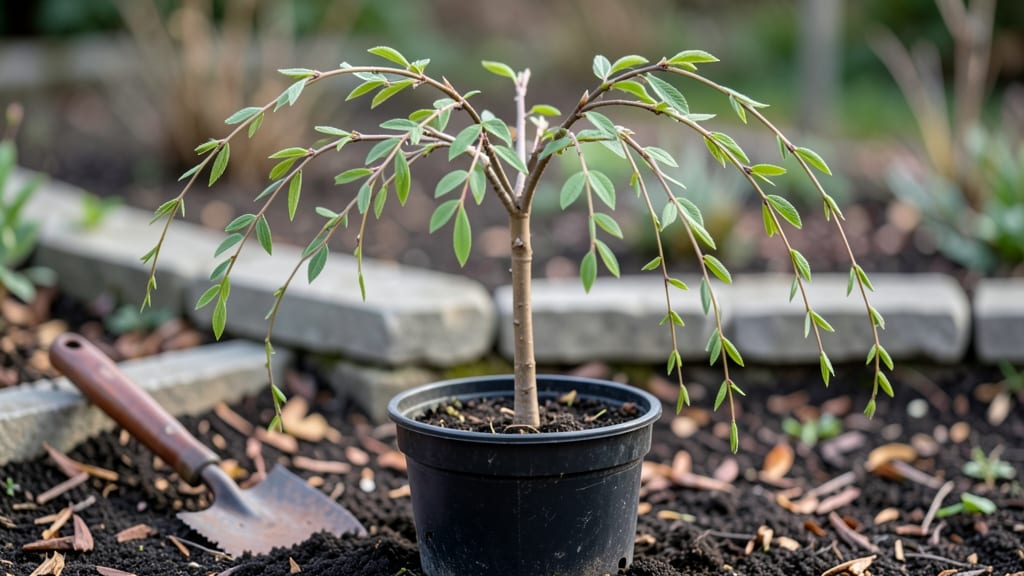
Weeping cherry tree seedlings need dormant season pruning to shape their iconic, cascading branches—something I learned the hard way after my first tree grew lopsided and leggy.
The secret isn’t just cutting back, but timing it right when the tree is asleep but not frozen, usually between late winter and early spring. This is when you’ll see those delicate, arching branches take on their signature elegance without sacrificing next year’s blooms.
The tools you’ll need are simple: sharp pruning shears, rubbing alcohol for sterilizing cuts, and a sturdy ladder if your seedling’s already taller than you. Start by removing any dead, crossing, or inward-growing branches first—these compete with your graceful canopy.
Then, focus on thinning out crowded areas by about one-third to let light and air circulate through those future waterfall-like branches.
What you’ll end up with is a tree that looks like it belongs in a Japanese garden, with branches that sway dramatically in the breeze. The blooms arrive earlier in spring, and the foliage stays lush longer because the structure supports healthy growth.
Just don’t rush—pruning too early can encourage new growth that gets damaged by late frosts, and too late means you’re cutting back next season’s flowers.
This method works for both container-grown seedlings and those planted in the ground, though young trees in pots need slightly more frequent pruning to maintain their shape.
Whether you’re working with a 6-month-old seedling or a tree that’s been in the ground for a few years, the principles stay the same—just scale up your tools and patience accordingly.
📚 In This Guide
- What you need
- Instructions
- Tips and common mistakes
- Wrapping up and next steps
What you need
- ● Weeping cherry tree seedlings: 1-5 (depending on your garden size and design goals). Look for healthy, dormant seedlings with no signs of disease.
- ● Pruning shears: Bypass pruners (for clean cuts on small branches, ¼"–½" diameter) and loppers (for thicker branches, up to 2" diameter). Ensure they’re sharp and sterilized (rubbing alcohol or bleach solution works).
- ● Pruning saw: One-handed folding saw (for branches thicker than 2"). Opt for a curved blade for precision.
- ● Garden gloves: Heavy-duty, cut-resistant gloves (e.g., mechanized or leather) to protect your hands from thorns and rough bark.
- ● Disinfectant: 70% isopropyl alcohol or a 10% bleach solution (1 part bleach to 9 parts water) to sterilize tools between cuts and prevent disease spread.
- ○ Pruning sealant: Tree wound paint or pruning wax (optional but recommended for cuts larger than ½" to reduce sap loss and infection risk).
- ● Tarp or drop cloth: Medium-sized (5’x5’ or larger) to lay under the tree and catch debris.
- ● Extension pole pruners: For high branches (10–15 ft reach). Look for bypass-style for clean cuts.
- ● Ladder or step stool: Sturdy, non-slip (e.g., aluminum or fiberglass) for safe access to taller seedlings.
- ● Hand pruners: Anvil-style for quick trimming of small twigs (not ideal for weeping cherries but handy for detail work).
- ● String or twine: For temporarily marking branches to remove (if planning a complex design).
- ● Notebook and pencil: To sketch your pruning plan or note branch sizes/thicknesses.
- ● Safety goggles: To protect your eyes from debris (especially if using a saw).
- ● Dormant season timing: Prune late winter to early spring (before buds swell but after the coldest months). Check your USDA hardiness zone for exact timing!
- ● Weather conditions: Choose a dry, calm day (no rain forecast for 24 hours). Avoid pruning on windy days to prevent sap splatter.
- ● Tree health assessment: Inspect seedlings for dead, diseased, or crossing branches before starting. Remove any obvious issues first.
- ● Safety first!: Wear closed-toe shoes and avoid loose clothing. Keep children and pets at a safe distance.
Step-by-step guide to pruning weeping cherry tree seedlings for beautiful growth
Here's how to shape your young trees now for stunning, graceful branches later.
Choose the Right Time for Pruning
Dormant season is your window—prune weeping cherry seedlings between late winter and early spring, before buds swell but after the worst cold passes. I aim for February or March in most climates, when temperatures stay above 20°F at night. Pruning too early risks frost damage to fresh cuts, while waiting too long encourages new growth that won't harden off before winter.
Look for bare branches with no leaves or flowers—this confirms dormancy. If you see any green shoots, wait another week. The goal is to shape while the tree is resting, so it puts all its energy into healing cuts and developing strong framework branches next season.
Gather Your Tools and Safety Gear
You'll need sharp, clean pruning shears (for small branches under ¼ inch thick) and loppers (for thicker stems up to 1½ inches). I always sterilize my tools with rubbing alcohol before starting—this prevents spreading disease between cuts. Wear gloves to protect against thorns and safety glasses in case any branches snap unexpectedly.
Have a bucket of water ready to rinse tools between cuts, and keep a small brush handy to clear debris from the work area. Pruning weeping cherries can get messy, so lay down tarps or cardboard beneath the tree to collect fallen branches and clippings easily.
Identify and Remove Problem Branches
Start by removing dead, diseased, or crossing branches—these compete for energy and can deform the tree's natural weeping shape. Look for branches growing straight up (they'll block light) or rubbing against others (they'll create wounds). Cut these back to the collateral bud (a side bud facing the direction you want growth to go), making your cut just ¼ inch above it at a 45-degree angle.
For weeping varieties, prioritize branches that grow too upright—these disrupt the graceful, cascading form. You'll see these as stiff, rigid stems sticking out from the main trunk. Aim to keep the canopy open and airy, so light reaches all branches evenly. Never remove more than 25% of the tree's foliage in one session—this stresses young seedlings.
Shape the Canopy for Graceful Growth
Now focus on thinning out to encourage the tree's natural weeping habit. Step back frequently to visualize the final shape—you want a balanced, layered look with branches cascading gently. For each remaining branch, trim back the tip by ¼ to ½ inch to promote bushier growth. Make cuts just above a leaf bud or side branch to stimulate new shoots in the right direction.
If a branch is too long, shorten it by ⅓ to encourage branching lower down. Avoid "heading back" (cutting into old wood)—this can lead to thick, coarse growth. Instead, focus on selective pruning to guide the tree's energy where you want it. Weeping cherries respond well to light shaping, so don't be afraid to make bold cuts if a branch is clearly out of place.
Clean Up and Protect the Tree
After pruning, remove all clippings from the area to prevent disease or pests from lingering. I like to burn or shred larger branches (if allowed in my area) or bag them for composting. Seal any large cuts with pruning sealant to reduce the risk of infection, but skip this for small cuts—they heal faster without it.
Water the base of the tree deeply to help it recover, then apply a 2-3 inch layer of mulch (like shredded bark) around the root zone, keeping it 6 inches away from the trunk. This protects the roots from temperature swings and retains moisture. Finally, inspect the tree for any sap oozing from cuts—this is normal and will stop once the tree seals the wound.
Tips & tricks for pruning weeping cherry tree seedlings
These simple strategies will help you shape your weeping cherry seedlings like a pro—without the guesswork.
Timing is Everything: The dormant season window between late winter and early spring is your golden opportunity. I've learned the hard way that pruning too early (when temperatures dip below 20°F) can freeze fresh cuts, while waiting too long risks encouraging weak new growth. If you're in doubt, check for bare branches—no leaves or flowers means it's safe to prune. This is when your tree is resting and can focus all its energy on healing and developing strong framework branches.
Tool Preparation Matters: Sterilizing your pruning shears and loppers between cuts is non-negotiable—it prevents spreading disease from one branch to another. I keep rubbing alcohol handy and dip my tools after every 3-4 cuts. Also, make sure your tools are sharp—dull blades crush stems instead of making clean cuts, which invites infection. A quick test: if you're struggling to cut through a branch with one smooth motion, your shears need sharpening.
Branch Selection Strategy: When shaping in Step 4, focus on removing branches that grow straight up—they'll block light and disrupt the graceful weeping form. Look for branches that are stiff and rigid rather than flexible and cascading. For each remaining branch, trim back just the tip by ¼ to ½ inch to encourage bushier growth. This small cut stimulates new shoots in the right direction without shocking the tree. I always step back every few minutes to visualize the final shape—it's amazing how much difference a few small adjustments make.
Cleanup Prevents Problems: After pruning, don't just leave the clippings scattered around—they can harbor disease and pests. I either burn them (when allowed) or bag them for composting. For large cuts, applying pruning sealant helps prevent infection, but skip this for small cuts—they heal faster without it. The final step of watering deeply and applying mulch (2-3 inches thick, kept 6 inches from the trunk) gives your tree the best chance to recover and thrive through the growing season.
Pro Tips for Weeping Cherry Tree Seedlings
- These simple strategies will help you shape your weeping cherry seedlings like a pro—without the guesswork.
- Timing is Everything: The dormant season window between late winter and early spring is your golden opportunity.
- Tool Preparation Matters: Sterilizing your pruning shears and loppers between cuts is non-negotiable—it prevents spreading disease from one branch to another.
Frequently asked questions
Got questions about nurturing your weeping cherry tree seedlings? You’re not alone! Here are some of the most common concerns—plus expert-backed answers to keep your delicate canopies thriving.
When is the best time to prune dormant weeping cherry seedlings?
Prune your seedlings during late winter or early spring (before buds swell) or in mid-summer (after flowering). Avoid pruning in fall—it can stimulate new growth that won’t harden off before winter. For best results, aim for 15–20% of the canopy per pruning session to avoid stress.
How do I know if I’m pruning too much or too little?
If you see bare branches or overly dense foliage, you’ve likely over-pruned. A healthy weeping cherry should have a balanced, open structure with sunlight reaching the center. For seedlings, limit cuts to 1–2 feet per branch—focus on removing dead, crossing, or inward-growing limbs first.
Can I prune weeping cherry seedlings in rainy or windy weather?
Avoid pruning during wet or windy conditions—moisture and wind can spread disease (like bacterial canker) or damage tender new growth. Wait for a dry, calm day with temperatures above 40°F (4°C). If you must prune in damp weather, sterilize tools with 70% isopropyl alcohol and work quickly.
Are there alternatives to pruning if my seedlings are too small?
For very young seedlings (under 2 years), skip aggressive pruning and instead:
- Thin out crowded branches by hand (no tools needed!).
- Use growth regulators (like dormant oil) to encourage stronger structure.
- Train branches with soft ties to guide their weeping shape naturally.
What should I do if my seedlings bleed sap heavily after pruning?
Sap bleeding is normal but can attract pests. To minimize it:
- Prune on drier days (less sap flow).
- Seal cuts only if large (over ½ inch) with pruning sealant (optional for weeping cherries).
- Avoid pruning in extreme cold—sap freezes and cracks branches.
Wrapping up and next steps
Growing weeping cherry tree seedlings into stunning, graceful canopies is a rewarding journey—especially when you master dormant-season pruning. By following the right techniques, you’ll encourage strong branches, vibrant blooms, and that iconic, cascading beauty. 🌸
Now that you’re equipped with the knowledge, roll up your sleeves and give your seedlings the care they deserve. Start with just one branch this season, and watch your tree transform into a living masterpiece over time! Happy pruning! 🌿