
Blooming
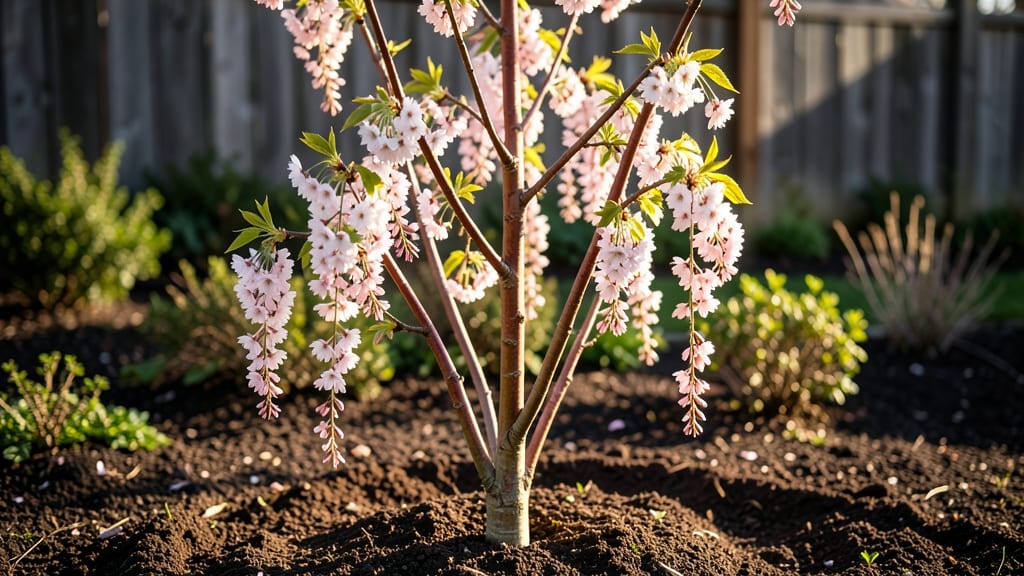
The Okame cherry blossom tree (Prunus serrulata 'Okame') brings early spring color when most gardens are still gray and bare. I planted mine last fall, and by March, the branches were heavy with delicate pink blossoms—weeks before my neighbors’ trees even budded.
This isn’t just a pretty face; it’s a hardy, low-maintenance tree that thrives in zones 5 through 8, making it perfect for gardeners who want drama without fuss.
What sets Okame apart is its fragrant canopy that blooms in late winter, often while snow still lingers on the ground. The flowers are lighter pink than some cherries, but they pack a punch with their sweet, intoxicating scent—like a burst of spring in a bottle.
Plus, the tree’s compact size (20–30 feet tall) means it fits well in smaller yards or as a striking focal point. The trade-off? You’ll need well-draining soil and at least 6 hours of sunlight daily to keep those blossoms coming back year after year.
Once established, this tree is a breeze to care for: water deeply once a week during dry spells, prune lightly in late winter to shape it, and watch it reward you with weeks of blooms instead of just a fleeting burst.
The foliage turns a soft gold in fall, and the branches hold their shape beautifully through winter—so you’ll have year-round interest, not just a springtime showstopper.
Fair warning: Okame cherries produce small, bitter fruit that birds love but aren’t great for eating. If you’re not keen on cleanup, plant it where wildlife can enjoy the snack. The real magic?
That first flush of blossoms in February, when your garden feels alive while everyone else’s is still asleep. Let’s get yours planted so you can experience it too.
📚 In This Guide
- What you need
- Instructions
- Tips and common mistakes
- Wrapping up and next steps
What you need
- ● Okame cherry blossom tree (Prunus incisa): 1–3 saplings (bare-root or potted, 1–3 years old)
- ● Choose ‘Okame’ or ‘Okame’ hybrid varieties for cold-hardy, early blooms
- ● Planting site: Full sun (6+ hours/day) or partial shade (4+ hours)
- ● Well-draining soil (sandy loam ideal; amend clay with compost)
- ● Space: 15–20 ft apart for mature trees (or 10 ft for dwarf varieties)
- ○ Soil amendments (optional but helpful): 5–10 lbs of compost or aged manure per planting hole
- ● 1 lb of slow-release fertilizer (10-10-10 NPK ratio)
- ● Digging tools: Shovel (round-point or spade)
- ● Garden trowel (for fine adjustments)
- ● Watering supplies: Garden hose with adjustable nozzle
- ● 5-gallon watering can (for young trees)
- ● Mulching materials: 2–3 inches of wood chips or pine straw (keep 6 inches away from trunk)
- ○ Optional (but handy!): Staking kit (for young trees in windy areas)
- ● Pruning shears (sterilized, for shaping)
- ● Soil pH tester (ideal range: 5.0–6.5)
- ● Check local frost dates—plant Okame cherries in early spring (3–4 weeks before last frost) or fall (6 weeks before first frost).
- ● Verify your USDA Hardiness Zone (Okame thrives in Zones 5–8).
- ● Test soil drainage: Dig a 12-inch hole, fill with water, and check if it drains within 1 hour.
How to plant and care for an Okame cherry blossom tree
This stunning tree delivers four-season interest with minimal fuss—here's how to set it up right.
🪴 Step 1: Choose the Perfect Planting Site
The okame cherry thrives in full sun for at least 6 hours daily, but it tolerates partial shade in hotter climates. I always plant mine where it gets morning sun and afternoon shade—this protects delicate blossoms from late-day heat stress. The tree's shallow roots spread widely, so avoid planting near sidewalks or driveways where roots might crack pavement.
Test your soil's drainage by digging a 12-inch deep hole. If water pools after 30 minutes, amend with 2-3 inches of compost mixed into the native soil. Okame cherries hate soggy roots but need consistently moist soil during establishment. A slightly acidic to neutral pH (6.0-7.0) works best—test kits are cheap and worth the peace of mind.
🌱 Step 2: Plant with Proper Spacing and Support
Dig a hole twice as wide as the root ball but no deeper—planting too deep suffocates roots. Gently loosen any circling roots at the base with your fingers before placing the tree in the hole. The top of the root ball should sit 1-2 inches above ground level—this prevents stem rot as the soil settles.
Backfill with native soil mixed with 1 inch of compost around the edges, tamping lightly every 2 inches to eliminate air pockets. Water deeply until moisture reaches 6 inches down, then add 3-4 inches of mulch (keeping it 6 inches away from the trunk) to retain moisture and regulate soil temperature. A young okame cherry needs 1-1.5 inches of water weekly during its first growing season.
☀️ Step 3: Establish Year-Round Care Routine
Prune in late winter (before buds swell) to shape the tree and remove dead wood. I always use sterilized pruners to prevent bacterial infections—wipe blades with rubbing alcohol between cuts. Remove no more than 25% of the canopy at once, focusing on branches that cross or grow inward. The okame's natural vase shape needs minimal correction.
Fertilize in early spring with a balanced 10-10-10 formula (about 1 pound per inch of trunk diameter). Water deeply after application, then repeat every 6-8 weeks through summer. In fall, switch to a low-nitrogen, high-phosphorus fertilizer to encourage root development before winter. The fragrant blossoms appear on second-year wood, so patience pays off—don't rush fertilization.
⏰ Step 4: Protect Through Seasonal Changes
Newly planted trees need winter protection in colder zones (below Zone 6). Wrap the trunk with tree guard in late fall, then mound 4-6 inches of mulch around the base. Avoid heavy snow buildup on branches—tap it off gently to prevent breakage. The okame's small blossoms are frost-tender, so late frosts might damage them, but the tree remains hardy overall.
Watch for aphids on new growth in spring—they suck sap and weaken blossoms. Spray infested branches with neem oil (mix 1 tablespoon per gallon of water) at dusk to avoid harming pollinators. A healthy okame cherry produces thousands of blossoms annually, but stressed trees may drop buds. Consistent moisture and proper pruning keep them blooming reliably.
Tips & tricks for perfect Okame cherry blossom tree planting
Between us, these small details make all the difference when planting and caring for your okame cherry blossom tree.
Sunlight Strategy: While the instructions mention full sun for 6 hours daily, I've found that morning sun paired with afternoon shade actually preserves more blossoms—especially in hotter climates. The delicate flowers can scorch in intense afternoon heat. If you're planting in a hot zone, consider a location with filtered afternoon light from nearby trees or structures.
Soil Test Tip: That 30-minute drainage test in Step 1 is crucial, but here's what I do differently: I always test soil pH first. If it's outside the 6.0-7.0 range, I'll amend with sulfur or lime before planting. The okame cherry's roots are sensitive to extreme pH levels, and this small adjustment prevents long-term stress that could reduce blossoming.
Watering Wisdom: The 1-1.5 inches of water weekly recommendation works for established trees, but newly planted ones need more frequent attention. I water mine every 5-7 days in summer, checking soil moisture by sticking my finger 2 inches down—if it's dry, it's time to water. Overwatering is just as harmful as underwatering for these shallow-rooted beauties.
Pruning Precision: When you're shaping your tree in late winter, focus on removing branches that grow toward the center of the tree. These "water sprouts" compete for nutrients and can weaken the blossoms. I also make sure to cut just outside the branch collar—the raised area where the branch meets the trunk—this promotes faster healing and prevents disease.
Pro Tips for Okame Cherry Blossom Tree
- Between us, these small details make all the difference when planting and caring for your okame cherry blossom tree.
- Sunlight Strategy: While the instructions mention full sun for 6 hours daily, I've found that morning sun paired with afternoon shade actually preserves more blossoms—especially in hotter climates.
- Soil Test Tip: That 30-minute drainage test in Step 1 is crucial, but here's what I do differently: I always test soil pH first.
Frequently asked questions
Got questions about the stunning Okame cherry blossom tree? You’re not alone! Whether you’re dreaming of planting one or curious about its care, here are some common queries answered in a snap.
When do Okame cherry blossoms bloom, and how long do they last?
The Okame cherry blossom (Prunus incisa) is a standout because it blooms earlier than most cherries—often in late winter to early spring (February–March in most U.S. zones). Unlike fleeting sakura blooms, its flowers last 2–3 weeks, with some late varieties reblooming in fall! Pro tip: Choose a location with full sun to maximize bloom duration.
How fast does an Okame cherry tree grow, and how big will it get?
This tree is a moderate grower, adding 12–24 inches per year under ideal conditions. At maturity, it typically reaches 15–25 feet tall with a 15–20-foot spread. Dwarf varieties (like ‘Okame’ grafted onto a columnar rootstock) stay under 10 feet, perfect for small yards! Fun fact: Prune in late winter to shape it without sacrificing blooms.
Can Okame cherry trees grow in containers, or do they need to be planted in the ground?
Yes! Dwarf Okame varieties thrive in containers (use a 15–20 gallon pot with drainage). For in-ground planting, ensure well-draining soil and 6+ hours of sunlight daily. Container tip: Repot every 2–3 years and fertilize lightly in spring. Warning: Avoid soggy roots—they hate wet feet!
Are Okame cherry blossoms fragrant, and do they attract bees or pests?
Okame cherries boast a delicate, sweet fragrance—softer than sakura but equally charming. They’re bee-friendly, supporting early pollinators. As for pests, they’re generally low-maintenance, but watch for aphids or cherry leaf spot. Preventative tip: Apply neem oil in early spring to deter issues.
What’s the best alternative if I can’t grow an Okame cherry tree?
If your climate is too harsh (zones 5–8 are ideal), try these fragrant, early-blooming alternatives:
- Yoshino cherry (Prunus × yedoensis): Classic pink blooms, hardy to zone 5.
- Weeping cherry (Prunus subhirtella): Graceful habit, blooms winter–spring.
- Dwarf Japanese maple (Acer palmatum): Stunning foliage + small flowers.
- Forsythia (Forsythia × intermedia): Super early yellow blooms (zone 4–8).
Wrapping up and next steps
The Okame cherry blossom tree is a true gem for gardeners and nature lovers—its early blooms, fragrant petals, and stunning foliage make it a standout year-round. Whether you're drawn to its delicate pink flowers or its adaptability, this tree promises beauty with minimal fuss.
Ready to transform your space? Start planning your planting season now! 🌸✨
- Next step: Check your local climate zone and planting guide to pick the perfect spot.
- Pro tip: Share your progress with fellow plant enthusiasts for inspiration!