
Blooming
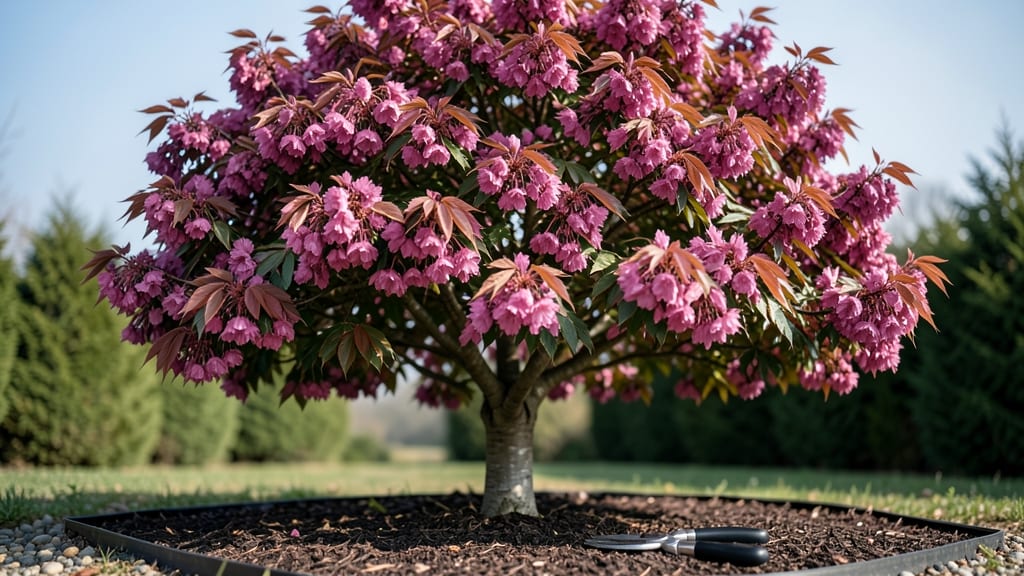
A pink cherry blossom tree transforms any yard into a dreamy springtime painting—but its magic doesn’t end with petals. I learned this the hard way when my first tree faded into an afterthought after the blooms fell.
The secret? Strategic pruning that keeps it stunning all year, not just for two weeks in April.
This isn’t about aggressive trimming—it’s about shaping for seasonal interest. In winter, its bare branches become elegant silhouettes against snow. By summer, lush foliage frames the space, and in autumn, the leaves turn fiery gold before they drop.
The right cuts encourage stronger branches, better bloom density, and even a few unexpected summer flowers.
You’ll end up with a tree that’s the star of every season: pink clouds in spring, dappled shade in summer, and architectural beauty in winter. The pruning takes just 30 minutes twice a year, and the payoff is a tree that feels like a living work of art.
Here’s how to make it happen without turning your yard into a botanical disaster.
Works for both small suburban yards and large landscapes—just adjust the scale. Whether you’re replacing an old tree or adding a focal point, this approach ensures your cherry blossom stays the showstopper it’s meant to be.
📚 In This Guide
- What you need
- Instructions
- Tips and common mistakes
- Wrapping up and next steps
What you need
- ● Pink cherry blossom tree (Prunus serrulata 'Kanzan' or similar): Choose a healthy 1-3 gallon container-grown tree (or bare-root in winter).
- ● High-quality planting soil: 2-3 cubic yards (or a 50-lb bag for smaller spaces). Mix with compost (1 part compost to 3 parts soil) for drainage.
- ● Organic mulch: 3-4 inches of wood chips or pine straw to retain moisture and suppress weeds.
- ● Slow-release fertilizer: 10-10-10 NPK ratio (1 lb per year of tree age, max 2 lbs for young trees).
- ● Watering can or hose with nozzle: For deep, consistent watering (10-15 gallons per week for the first year).
- ● Bypass pruners: Sharp, disease-free tools for cuts under ½ inch thick.
- ● Loppers: For branches ½–1½ inches thick (look for ergonomic handles for comfort).
- ● Pruning saw: For thick branches (2+ inches); choose a curved blade for precision.
- ○ Rubbing alcohol (70%+) and pruning sealant: To disinfect tools and wounds (optional but recommended).
- ● Garden gloves: Heavy-duty, cut-resistant for protection.
- ● Tarp or drop cloth: To collect debris during cleanup.
- ● Tree support stake: Only if planting in windy areas (use soft ties to avoid girdling).
- ● Drip irrigation system: For automated watering (especially in hot climates).
- ● Tree growth regulator: Like Paclobutrazol (follow label instructions) to control excessive height.
- ● Bird netting: To protect blossoms from pests during spring.
- ● Soil pH test kit: Cherry blossoms thrive in slightly acidic soil (pH 5.5–6.5).
How to prune a pink cherry blossom tree for year-round beauty
Here's the simple, seasonal approach I use to keep my blooms lush and my tree healthy.
✂️ Step 1: Prune in Late Winter Before Bud Break
This is the most critical time—you'll see swollen buds forming along the branches. Use sharp bypass pruners to make clean cuts just above a bud or branch collar, never leaving stubs. I always remove dead, diseased, or crossing branches first, as these compete with healthy growth. Cut at a 45-degree angle to encourage water runoff and prevent rot.
Open the tree's center by removing 20-30% of the oldest, thickest branches that grow inward. This improves airflow and sunlight penetration, which both boost next year's blossoms. Avoid heavy pruning—cherry blossoms set buds on one-year-old wood, so aggressive cuts reduce flowers. You'll know you've done enough when you can see light through the tree's canopy from the ground.
🌿 Step 2: Light Summer Trimming After Flowering
Wait until after all pink blossoms have fallen—usually 4-6 weeks post-bloom—before touching the tree again. This summer pruning focuses on shaping and maintaining the tree's structure. Remove any suckers (shoots growing from the base) immediately, as they drain energy from blossoms. I also trim back any branches that grew too long or leggy during spring.
Use hand pruners for branches under ½ inch thick and loppers for thicker growth. Make cuts just above an outward-facing bud to encourage growth away from the center. Thin out crowded branches to improve airflow—this prevents fungal diseases that can ruin next year's blooms. Step back frequently to check the tree's balance; your goal is an open, vase-like shape that lets light reach all branches.
⏰ Step 3: Fall Cleanup and Disease Prevention
As leaves begin to yellow and fall, remove all fallen blossoms and leaves from the base of the tree. This prevents fungal spores from overwintering in the soil. I also sterilize my pruning tools with 70% rubbing alcohol before putting them away to avoid spreading disease. If you notice black knots (fungal growths on branches), remove and destroy those branches immediately—this is critical for preventing spread.
Lightly prune any dead or broken branches that appeared during summer storms. Avoid heavy pruning now—cherry blossoms need their energy reserves for next spring's buds. Instead, focus on sanitation: rake up debris, remove weeds within 6 feet of the tree, and consider applying a 2-3 inch layer of mulch (but keep it 6 inches away from the trunk) to protect roots through winter.
☀️ Step 4: Winter Inspection and Protection
During dormant months, inspect your tree for winter burn (brown, crispy edges on leaves) or animal damage (chewed bark). Wrap young trees with tree guard if your winters drop below 10°F—cherry blossoms are sensitive to cold damage. I also check for squirrel or rabbit damage to the bark; if you see gnaw marks, apply tree wrap to protect the trunk.
This is also the time to plan next year's shape. Sketch a rough outline of how you want the tree to look in spring, noting branches to remove or thin. Cherry blossoms respond well to gradual shaping—never remove more than 25% of the tree's canopy in a single season. The goal is to create a tree that looks beautiful year-round, not just when it's in bloom.
Tips & tricks for perfect pink cherry blossom tree pruning
Here's what nobody tells you about keeping your cherry blossom tree thriving year after year—these are the details that make all the difference.
Tool Preparation: Always sterilize your pruning tools with 70% rubbing alcohol before and after each use, especially during Step 3 when you're dealing with fungal prevention. I keep a small bottle of alcohol in my gardening toolbox—it takes just seconds to wipe down blades and prevents cross-contamination between cuts. This simple habit saved my tree from black knot infection last spring after I skipped it during a busy season.
Seasonal Timing Secret: The 4-6 week window after blooms fall in Step 2 is your best opportunity for shaping without stressing the tree. I mark my calendar with the last day I see pink blossoms on the ground—this helps me remember when to start watching for that perfect summer trimming time. Waiting too long means the tree has already directed energy toward next year's buds, making pruning less effective.
Winter Protection Strategy: When temperatures drop below 10°F in Step 4, young trees need that tree guard wrap more than established ones. I've seen mature trees survive winters just fine without it, but their younger counterparts often suffer bark damage. For extra protection, I also wrap the trunk with burlap during the coldest months—it acts like a blanket while still allowing airflow to prevent moisture buildup.
Pro Tips for Pink Cherry Blossom Tree
- Here's what nobody tells you about keeping your cherry blossom tree thriving year after year—these are the details that make all the difference.
- Tool Preparation: Always sterilize your pruning tools with 70% rubbing alcohol before and after each use, especially during Step 3 when you're dealing with fungal prevention.
- Seasonal Timing Secret: The 4-6 week window after blooms fall in Step 2 is your best opportunity for shaping without stressing the tree.
Frequently asked questions
Got questions about keeping your pink cherry blossom tree stunning all year? Here are some common ones—and their answers!
When is the best time to prune a pink cherry blossom tree?
Prune your tree in late winter or early spring (before buds swell) to avoid removing next year’s blossoms. Avoid pruning in fall, as it can stimulate late growth vulnerable to frost damage. For shaping, light trims can happen in early summer, but keep it minimal to preserve flower buds.
Why aren’t my pink cherry blossoms as vibrant as they should be?
Dull or sparse blooms often signal over-pruning, poor nutrition, or stress. Ensure your tree gets full sun (6+ hours/day) and well-draining soil. Test soil pH (ideal: 5.5–6.5) and fertilize in early spring with a balanced, acidic fertilizer. Avoid heavy pruning—cherry blossoms form on old wood!
Can I grow a pink cherry blossom tree in a pot?
Yes! Young trees thrive in large containers (15+ gallons) with drainage holes. Use a fast-draining potting mix and repot every 2–3 years. Place in full sun and water deeply when the top 2 inches of soil dry out. Note: Potted trees may bloom less abundantly than in-ground ones but can still add color to patios!
How do I prevent pests like aphids or borers from attacking my tree?
Prevent pests with proactive care:
- Inspect leaves weekly for sticky residue (aphids) or sawdust-like frass (borers).
- Spray with neem oil or insecticidal soap early in the season.
- Keep the tree healthy—stressed trees attract pests. Water deeply but avoid soggy soil.
- Encourage beneficial insects like ladybugs by planting companion flowers (e.g., marigolds).
Are there dwarf varieties of pink cherry blossom trees for small yards?
Look for Prunus serrulata ‘Kwanzan’ (dwarf varieties) or ‘Shirotae’, which grow 15–25 feet tall. Another great option is Prunus ‘Okame’, a compact bloomer (12–15 feet) with fragrant pink flowers. Always check the tag for mature size—some “dwarf” trees still need space!
What should I do if my tree’s branches look dead or diseased?
Act fast! Prune dead or diseased branches with sterilized tools (rubbing alcohol or bleach wipe) to prevent spread. Cut back to healthy green wood. If fungal issues (like powdery mildew) appear, apply a copper fungicide. For severe cases, consult an arborist—some diseases (e.g., bacterial canker) may require systemic treatment.
Wrapping up and next steps
Transforming your pink cherry blossom tree into a year-round beauty isn’t just about luck—it’s a rewarding blend of art and science! With the right pruning techniques, you’ve unlocked the secrets to vibrant blooms, healthier growth, and even better fruit (if you’re lucky enough to have a fruiting variety). 🌸✂️
Now that you’re armed with knowledge, take action! Grab those pruners, mark your calendar for seasonal cuts, and watch your tree thrive. Whether you’re a seasoned gardener or a curious beginner, every snip brings you closer to a stunning, flourishing centerpiece. Happy pruning—and enjoy the blossoms!