
Pruning
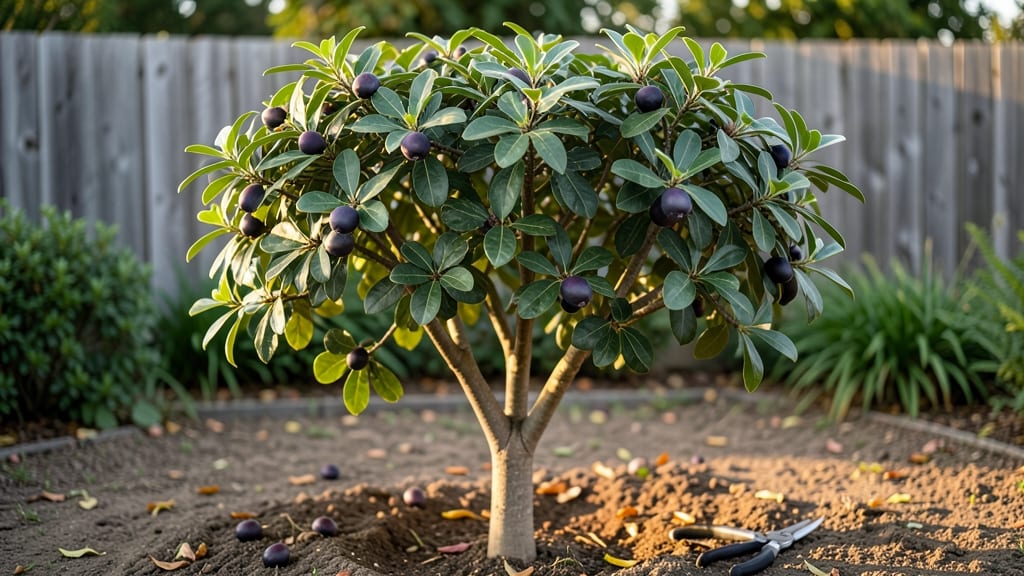
The Brazilian grape tree jaboticaba produces fruit straight from its trunk and branches—like nature’s own candy factory. 🌱 I’ve grown mine for five years, and the secret to year-round harvests lies in three strategic pruning sessions that keep the tree compact and productive.
The fruit tastes like a mix of grape and lychee, and once you try it, you’ll never want to stop growing this tropical gem.
This tree thrives in warm climates—think zones 10-12—but can also grow in containers if you bring it indoors during winter. It needs well-draining soil rich in organic matter and at least six hours of sunlight daily.
The real magic happens when you prune to encourage new growth, which is where those three precision trims come into play.
By following the right pruning schedule, you’ll end up with a tree bursting with fruit all year, even in less-than-ideal conditions. The first trim in early spring sets the stage, while the final one in late summer ensures a fresh batch before winter.
The result? A lush, fruiting tree that looks as stunning as it tastes.
Whether you’re planting in the ground or a large container, the key is patience and consistency. With the right care, your jaboticaba will reward you with harvests that last—and neighbors who’ll be jealous of your exotic fruit tree. Let’s get those trimmers ready!
📚 In This Guide
- What you need
- Instructions
- Tips and common mistakes
- Wrapping up and next steps
What you need
- ● Jaboticaba saplings or seeds: 2–3 healthy saplings (preferably grafted for faster fruiting) or 10–20 fresh, organic jaboticaba seeds (soaked for 24 hours to speed germination)
- ● Well-draining soil: 60% acidic loam (pH 5.5–6.5) 30% organic compost or aged manure 10% perlite or coarse sand (for drainage)
- ● Pruning tools: 1 pair of bypass pruners (sharp, sterilized) 1 pruning saw (for thicker branches, 8–12" blade) 1 hand pruner (for precision cuts) 1 ladder (6–10 ft, extendable for mature trees)
- ○ Fertilizers: Balanced 10-10-10 NPK fertilizer (1 lb per tree, applied 3x/year) Citrus-specific micronutrient mix (optional but recommended)
- ● Mulch: 3–4 inches of wood chips or straw (to retain moisture)
- ● Watering supplies: Drip irrigation system or garden hose with spray nozzle (1–2 gallons per tree daily during dry spells)
- ● Protective gear: Gloves (cut-resistant for pruning) Long sleeves/pants (to avoid thorns)
- ● Soil pH test kit (to monitor acidity levels) Tree support stakes (for young saplings) Organic pest control (neem oil spray for aphids/mites) Fruit thinning shears (for managing overloaded branches) Shade cloth (30–50% coverage for young trees in hot climates)
How to grow and prune a Brazilian grape tree jaboticaba for continuous fruit
Here's how to coax year-round harvests from this tropical gem—it's all about timing and precision cuts.
🌱 Step 1: Select and Plant Your Jaboticaba Tree
Choose a mature grafted jaboticaba tree from a specialty nursery—young plants rarely fruit reliably. The tree thrives in USDA zones 9-11 and needs full sun (6+ hours daily) with protection from harsh afternoon winds. I always plant mine in well-draining soil mixed with 20% compost to replicate its native Brazilian forest floor conditions.
Dig a hole twice as wide as the root ball but only as deep as the container it came in. The graft union should sit 1-2 inches above soil level—burying it too deep causes rot. Water deeply right after planting to settle the soil around roots, then mulch with 3 inches of organic mulch to retain moisture and regulate temperature.
☀️ Step 2: Master the Three-Phase Pruning System
Jaboticaba's magic happens with three strategic trims per year, each timed to the fruit cycle. First, in late winter (just before buds swell), remove dead, crossing, or inward-growing branches—this opens the canopy for better air flow and sunlight penetration. I use sterilized pruning shears to make clean cuts at a 45-degree angle just above an outward-facing bud.
Next comes the summer fruiting trim after harvest. Lightly thin out overly dense growth to prevent next year's fruit from competing with too many leaves. The goal is 50-60% light penetration through the canopy—you'll see new growth sprout from the sides within weeks. This ensures energy goes to fruit development rather than leaf production.
✂️ Step 3: Time Your Harvest and Post-Harvest Pruning
Jaboticaba fruits year-round in its native climate, but in cooler zones, expect three main flushes: spring, summer, and fall. Harvest when fruits plump and turn deep purple—they won't ripen further off the tree. Twist gently to avoid damaging branches; if a fruit resists, it's not ready. I always harvest in morning hours when sugars are highest.
After each harvest, perform a light maintenance trim to remove any sucker growth at the base and overly long branches that shade the center. This keeps the tree balanced and prevents disease buildup in dense foliage. The key is never removing more than 25% of the canopy in any single trim—this tropical tree is sensitive to aggressive pruning.
💧 Step 4: Maintain Year-Round Care for Continuous Bearing
Water deeply once weekly during dry spells, soaking the root zone to 12 inches deep. Jaboticaba trees hate soggy roots but also wilting—the soil should stay evenly moist but never waterlogged. I test this by sticking my finger 2 inches down; if it feels dry, it's time to water. Fertilize monthly during growing months with a balanced 10-10-10 formula, reducing to every other month in winter.
Watch for scale insects on new growth—these sap-suckers weaken the tree. I treat them immediately with neem oil spray applied in the early morning when bees aren't active. The tree's thick bark makes it relatively pest-resistant, but prevention is easier than cure with this tropical species. A light layer of mulch (renewed annually) also deters weeds and retains moisture.
Tips & tricks for perfect Brazilian grape tree jaboticaba growth
Here's what I wish I knew before diving into jaboticaba care—these tricks will help you avoid common pitfalls and maximize fruit production.
Selection Tip: When choosing your jaboticaba tree, look for a grafted variety from a specialty nursery rather than a young plant. I've seen grafted trees produce fruit within their first year, while young plants may take three to five years to bear. The graft union should be clearly visible and healthy—this is where the fruit-bearing potential lives. Also, ask about the specific cultivar; some varieties like 'Sabará' or 'Rubí' produce larger, sweeter grapes.
Pruning Precision: The three-phase pruning system is where jaboticaba magic happens. In late winter, focus on removing dead, crossing, or inward-growing branches—this isn't just about aesthetics, it's about creating an open canopy that allows sunlight to penetrate to the center where fruit forms. I always mark my cuts with a piece of masking tape before making them to visualize the final shape. During the summer fruiting trim, aim for that 50-60% light penetration—you'll know you've got it right when you see new growth sprouting from the sides within weeks.
Harvest Timing Secret: Jaboticaba grapes won't ripen after picking, so timing is everything. Harvest in the morning when sugars are at their peak, and look for grapes that are plump and have turned deep purple. The twist test is foolproof—if a grape comes off easily with a gentle twist, it's ready. I've learned to harvest in small batches every few days during peak season to prevent overripe fruit from falling to the ground and attracting pests. Store harvested grapes in the refrigerator for up to a week, but they're best enjoyed fresh from the tree.
Soil and Mulch Strategy: The well-draining soil mixed with 20% compost is non-negotiable for jaboticaba success. I've found that adding a handful of crushed eggshells to the planting hole provides calcium that helps prevent blossom end rot in the fruit. That 3-inch layer of organic mulch isn't just for looks—it regulates soil temperature, retains moisture, and deters weeds. I refresh my mulch annually in late winter, just before the first pruning, to give the tree a fresh start for the growing season.
Pro Tips for Brazilian Grape Tree Jaboticaba
- Here's what I wish I knew before diving into jaboticaba care—these tricks will help you avoid common pitfalls and maximize fruit production.
- Selection Tip: When choosing your jaboticaba tree, look for a grafted variety from a specialty nursery rather than a young plant.
- Pruning Precision: The three-phase pruning system is where jaboticaba magic happens.
Frequently asked questions
about growing and pruning the Brazilian grape tree jaboticaba—because even experts need a little clarity now and then!How often should I prune my jaboticaba tree for year-round fruit?
Prune your jaboticaba tree 3 times a year—once in early spring (to shape and encourage new growth), again in late summer (to promote fall fruit), and lightly in winter (to remove dead wood). This mimics its natural cycle and keeps fruit production steady. Think of it as a trim-and-feed schedule!
When is the best time to harvest jaboticaba fruit?
Harvest when the fruit is deep purple/black and slightly soft to the touch—usually between September and January in tropical climates. Check weekly, as they ripen quickly! Pro tip: If birds aren’t snacking on them, they’re likely not ready yet.
Can jaboticaba trees survive cold winters? What’s the hardiness zone?
Native to Brazil’s tropical regions, jaboticaba thrives in USDA Zones 10–11 (20–30°F tolerance). For colder climates, grow in containers and overwinter indoors (60–70°F). If you’re in Zone 8 or below, consider a greenhouse or microclimate spot like near a south-facing wall.
What’s the best way to prune if my jaboticaba isn’t fruiting?
Start with selective pruning: Remove overcrowded branches and dead wood, then thin out dense foliage to improve airflow. Focus on younger branches (1–3 years old) for fruit production. If it’s still sparse, fertilize lightly with citrus-specific nutrients—jaboticaba loves nitrogen but hates excess salt!
Are there jaboticaba alternatives if I can’t grow the real thing?
If your climate isn’t ideal, try similar fruit trees like pomegranate (drought-tolerant, edible skin) or loquat (sweet, early-season fruit). For a jaboticaba-like experience, black sapote (chocolate pudding fruit) or elderberry (tart, versatile) are great substitutes.
Wrapping up and next steps
The Brazilian grape tree jaboticaba is a rewarding tropical gem, offering year-round fruit with just three strategic trims! By mastering pruning techniques—like shaping for airflow, removing dead wood, and balancing growth—you’ll unlock bountiful harvests and a healthier tree.
Whether you’re a pruning pro or a curious beginner, this guide gives you the confidence to keep your jaboticaba thriving.
Ready to dive deeper? 🌱 Start with one trim this season—observe, experiment, and watch your tree flourish! For extra tips, check out our community forum or tag us in your jaboticaba journey. Happy pruning!