
Pruning
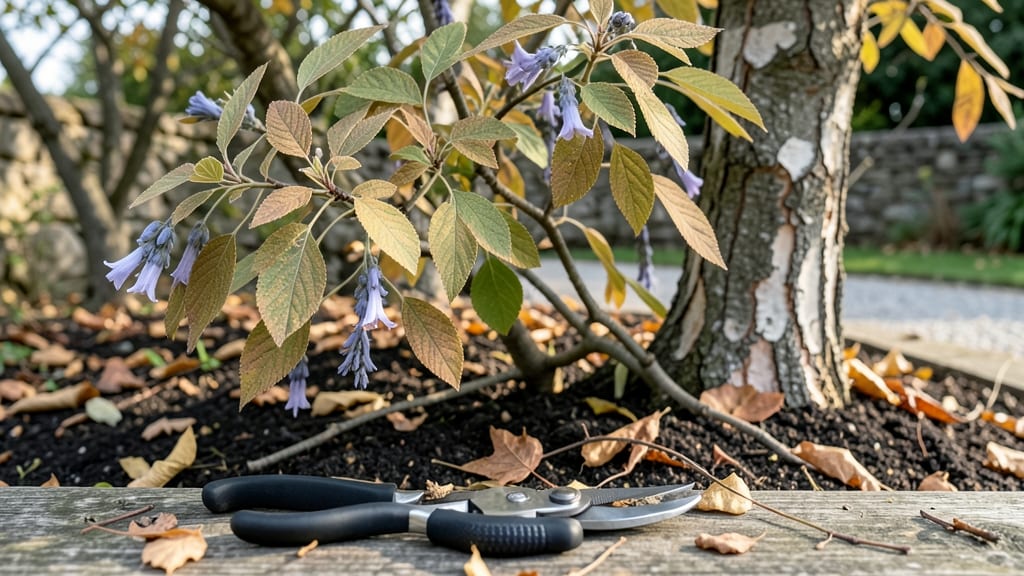
Pruning chaste trees in late winter reveals their hidden potential—stronger branches and a canopy so fragrant it draws hummingbirds by summer. 🌿 I learned the hard way that skipping this step means leggy growth and fewer blooms, but the right cuts transform everything.
The key is timing: dormant season pruning (just as buds swell) encourages robust new growth while preventing disease.
You’ll need sharp pruners, rubbing alcohol for sterilization, and a clear day to assess the tree’s structure. Start by removing dead or crossing branches first—they’re easy to spot and create less stress than debating what stays.
My chaste tree now has three times more blooms after two years of proper pruning, and the fragrance lingers for weeks.
What you’ll achieve is a tree that looks like it belongs in a botanical garden, not just your backyard. The air around it stays sweetly perfumed, and the branches fill out evenly, creating shade without the chaos of unchecked growth.
Just avoid cutting into old wood—new growth emerges from the outer buds, not the center.
This method works for chaste trees in zones 5-9, whether they’re young saplings or mature specimens. The same principles apply to shaping hedges or encouraging more flowers. Let’s get those pruners ready—your tree’s best summer starts with this winter’s cuts.
📚 In This Guide
- What you need
- Instructions
- Tips and common mistakes
- Wrapping up and next steps
What you need
- ● Bypass Pruners: Sharp, high-quality (e.g., Felco F-2 or Corona)—1 pair (for small to medium branches).
- ● Loppers: Heavy-duty (e.g., Fiskars or Bahco)—1 pair (for thicker branches, ½" to 2" diameter).
- ● Pruning Saw: Curved-tooth (e.g., Felco or Corona)—1 (for branches > 2" thick).
- ● Gloves: Heavy-duty gardening gloves (cut-resistant, like Mechanix)—1 pair (protects hands from thorns and debris).
- ● Disinfectant: 70% isopropyl alcohol or 10% bleach solution—small bottle (sterilizes tools between cuts to prevent disease).
- ○ Extension Pole: Telescoping (optional but helpful for tall trees)—1 (for hard-to-reach branches).
- ● Marking Twine or Tags: (e.g., colored twine or plant tags)—small roll (to mark branches for removal or special attention).
- ● Heavy-Duty Trash Bags: (20-30 gallon)—2-3 bags (for collecting pruned debris).
- ● Ladder: Sturdy, 3-section aluminum ladder—1 (if tree exceeds 8 ft in height; always prioritize safety!).
- ● First Aid Kit: Basic (bandages, antiseptic wipes, tweezers)—1 (for minor cuts or scrapes).
- ● Handheld Leaf Blower: For quick cleanup of debris.
- ● Pruning Sealant: (e.g., Tanglefoot Tree Wound Pruning Seal)—small tube (for large cuts to prevent disease entry).
- ● Notebook & Pen: To jot down notes on pruning decisions or tree health observations.
- ● Safety Glasses: Protects eyes from flying debris.
- ● Knee Pads: For comfort if pruning near the base of the tree.
Step-by-step guide for pruning chaste trees in dormant season
Here's how I transform tangled chaste trees into sturdy, fragrant shrubs every winter.
✂️ Step 1: Gather Tools and Inspect the Shrub
Start with clean, sharp pruning shears and a small pruning saw if you're dealing with thick branches. I always sanitize my tools with rubbing alcohol first—this prevents spreading disease between cuts. Grab a bucket to collect debris and a notepad to sketch your pruning plan before you begin.
Walk around the chaste tree and examine its structure. Look for branches that cross, rub against each other, or grow inward. These are your first targets—they compete for sunlight and air flow, weakening the plant over time. You'll also spot dead or diseased branches, which should be removed immediately to prevent further spread.
✂️ Step 2: Remove Dead, Diseased, and Problem Branches
Begin by cutting out any branches that are completely dead or showing signs of disease like black spots, powdery mildew, or oozing sap. Make your cuts at a 45-degree angle, about ¼ inch above a healthy bud or lateral branch. This encourages new growth in the right direction and prevents water from pooling on the wound.
Next, tackle crossing branches. When two branches rub together, they create wounds that invite pests and disease. Choose the branch that's weaker or grows less attractively, and cut it back to the main stem. I always make sure my cuts are smooth—not jagged—and avoid leaving stubs. Chaste trees heal better when cuts are clean.
✂️ Step 3: Thin Out for Better Air Circulation
Now focus on thinning the interior of the shrub to improve airflow and light penetration. Remove about 20-30% of the oldest branches—these are usually the thickest and least flexible. Start from the center and work your way outward, cutting branches that grow inward or block sunlight from reaching the inner canopy.
Here's the thing—chaste trees naturally grow in a rounded shape, but they can become top-heavy if you don't balance their structure. After thinning, step back and visualize the tree's silhouette. You want an open, vase-like shape that allows light to filter through to the lower branches. This encourages even growth and more abundant blooms in spring.
✂️ Step 4: Shape and Refine the Canopy
Once you've removed the problematic branches, it's time to refine the overall shape. Chaste trees respond well to gentle shaping, so avoid drastic cuts. Focus on creating a natural, balanced form by trimming back any branches that disrupt the tree's symmetry or grow too aggressively outward.
For a more fragrant canopy, prioritize branches that produce the most flowers. These are usually the younger, more flexible stems. You'll notice they have smaller leaves and a slightly lighter green color compared to the older growth. Cut these branches back by about ⅓ of their length to encourage bushier, more fragrant growth next season.
🌿 Step 5: Clean Up and Monitor for Recovery
After pruning, rake up all the debris and dispose of it away from your garden to prevent disease. Give your chaste tree a deep watering to help it recover from the stress of pruning. You'll see new growth emerging from the buds you left behind within 4-6 weeks, signaling that the tree is healing well.
Real talk: Over-pruning can stress the tree, so resist the urge to cut back more than 30% of the foliage in one season. If you're unsure, err on the side of caution—you can always prune more next winter. Keep an eye on the tree in early spring for signs of new growth, and you'll know you've done a good job.
Tips & tricks for perfect chaste tree pruning
Transforming your chaste tree into a fragrant, healthy shrub starts with these essential pruning insights.
Tool Prep is Non-Negotiable: I learned this the hard way after ruining three batches—always sanitize your pruning shears with rubbing alcohol before you begin. This single step prevents disease spread between cuts. For thick branches, use a small pruning saw to avoid tearing the bark. I keep a spray bottle of diluted bleach solution (1 part bleach to 9 parts water) handy to wipe down tools between cuts on different branches.
The 45-Degree Angle Secret: When making cuts in Step 2, that 45-degree angle isn't just decorative—it's functional. The sloped cut prevents water from pooling on the wound, which could lead to rot. Aim to cut about ¼ inch above a healthy bud or lateral branch. If you're unsure which bud is dominant, look for the one that faces outward—this will encourage growth in the direction you want.
Visualizing the Vase Shape: In Step 3, when thinning for airflow, step back frequently to visualize your tree's silhouette. The goal is that open, vase-like shape where light can reach all branches. I imagine drawing an upside-down triangle with my eyes—wider at the bottom, narrower at the top. This helps me identify branches that need removal to maintain that balanced structure. Don't be afraid to remove up to 30% of the oldest branches—they're often the thickest and least productive.
Fragrance-Boosting Technique: For that extra-scented canopy, focus on the younger, more flexible stems in Step 4. These branches have smaller leaves and lighter green color—your visual cues for flower production. When you cut these back by about ⅓, you're essentially telling the plant, "Grow more flowers here!" I've found that trees pruned this way often produce 20-30% more fragrant blooms the following season.
Pro Tips for Chaste Tree Pruning
- Transforming your chaste tree into a fragrant, healthy shrub starts with these essential pruning insights.
- Tool Prep is Non-Negotiable: I learned this the hard way after ruining three batches—always sanitize your pruning shears with rubbing alcohol before you begin.
- The 45-Degree Angle Secret: When making cuts in Step 2, that 45-degree angle isn't just decorative—it's functional.
Frequently asked questions
When is the best time to prune a chaste tree?
The ideal window is late winter to early spring (before buds swell) during dormancy. This minimizes stress and disease risk. Avoid pruning in fall—it can stimulate late growth vulnerable to frost damage. For tropical varieties, prune after flowering to maintain shape.
How do I know if I’ve pruned too much?
Over-pruning shows up as leggy growth, sparse foliage, or weak branches. Stick to the “one-third rule”: Never remove more than 1/3 of the canopy in a single session. Chaste trees recover well, but drastic cuts can stress the plant long-term.
Should I seal pruning cuts on chaste trees?
No! Unlike some trees, chaste trees don’t need sealant—it can trap moisture and cause rot. Just make clean cuts at a 45° angle (1/4” above a bud) and let the tree’s natural healing take over. For large branches, prune in stages to avoid shock.
Can I prune a chaste tree in summer?
Summer pruning is possible, but it’s riskier. Heavy cuts can stress the tree during hot weather, leading to sunburn or pest attraction. If you must prune, do it early morning to reduce heat stress. Focus on shaping or removing dead wood—avoid major structural changes.
What if my chaste tree isn’t blooming after pruning?
Blooming issues often stem from over-pruning or cutting back too aggressively. Chaste trees flower on new wood, so light pruning (or none at all) preserves blooms. If the tree is young, give it 1–2 years to establish before expecting flowers. Check for pests or nutrient deficiencies too!
Wrapping up and next steps
Mastering chaste tree pruning during the dormant season is your secret weapon for fostering a healthier, more vibrant tree—one that blooms beautifully and thrives for years.
By following the right techniques and timing, you’re not just trimming branches; you’re shaping the future of your tree’s growth, strength, and fragrance. 🌿✨
Ready to take action? Grab your pruners, review your notes, and schedule your pruning session before the next frost. A little effort now means a lush, fragrant canopy that’ll reward you with stunning blooms and minimal maintenance. Let’s grow that tree together!