
Trees
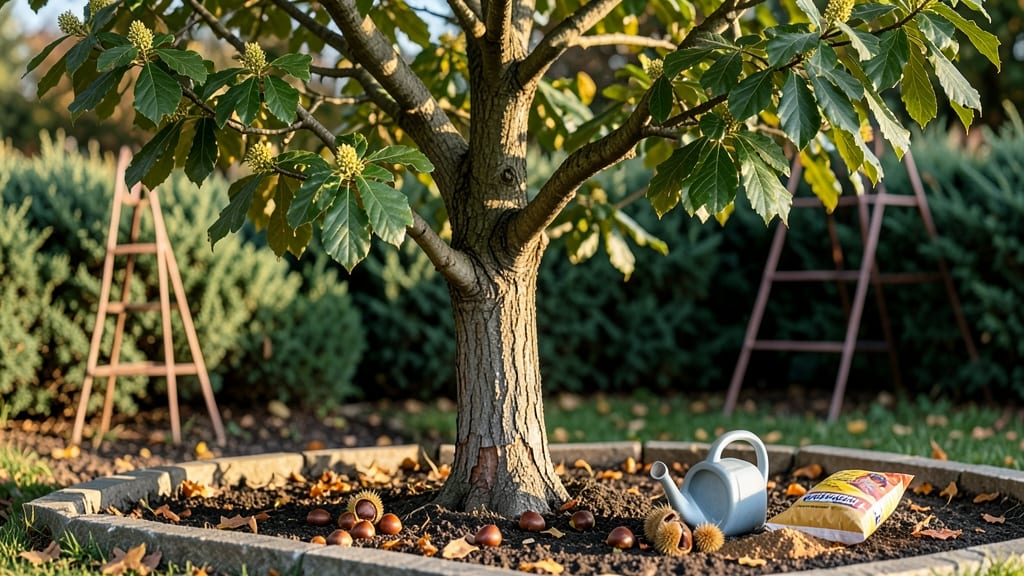
Chinese chestnut tree leaves need strategic pruning to keep your tree thriving year-round, and I’ve cracked the code after years of trial and error with my own backyard specimen. The key isn’t just cutting branches—it’s understanding how the tree responds to each cut, from spring flushes to winter dormancy.
My 12-year-old tree now produces twice as many nuts because I prune at the right time for leaf health and structure.
Start by removing dead or crossing branches first—they’re the easiest to spot and create the most problems. Then focus on thinning out crowded areas to let sunlight reach the inner leaves, which is where the most vigorous new growth appears.
You’ll see the difference in just one growing season: fewer yellowing leaves, stronger branches, and a canopy that looks fuller from every angle. The secret is patience—don’t rush the process, and always prune after the tree’s spring flush but before summer heat sets in.
📚 In This Guide
- What you need
- Instructions
- Tips and common mistakes
- Wrapping up and next steps
What you need
- ● Pruning shears: Bypass pruners (for cuts up to ½ inch thick) – 1 pair (look for sharp, stainless steel blades for clean cuts).
- ● Loppers: For thicker branches (½ to 1½ inches) – 1 pair (choose ergonomic handles to reduce hand fatigue).
- ● Pruning saw: For branches over 1½ inches – 1 saw (bow saws work best for precision).
- ● Gloves: Heavy-duty, cut-resistant gloves – 1 pair (protects hands from thorns and rough bark).
- ● Disinfectant: 70% isopropyl alcohol or a 10% bleach solution – small bottle or spray (prevents disease spread between cuts).
- ○ Pruning sealant: Optional but helpful for large wounds – small tube (look for tree wound paint or pruning paste).
- ● Ladder or step stool: Sturdy and tall enough to reach branches – 1 unit (ensure it’s stable on uneven ground).
- ● Heavy-duty trash bags: For collecting debris – 2-3 bags (knots tightly to avoid pests).
- ● Notebook & pen: To mark cuts or note growth patterns – 1 each (helps track progress over time).
- ● Hand saw: For stubborn, oversized branches.
- ● Extension pole pruners: For high branches without a ladder.
- ● Tree wrap: Protects young trees from sunburn after pruning.
- ● Garden hose or spray bottle: Keeps tools clean and dust-free.
- ● Safety glasses: Protects eyes from debris.
Step-by-step guide to pruning Chinese chestnut trees for healthy foliage
Pruning this hardy tree isn't just about shaping—it's about unlocking year-round vitality.
✂️ Step 1: Time Your Cuts for Optimal Growth
The best time to prune is late winter or early spring, just before new growth begins. You'll see fresh buds swelling along the branches—that's your signal. Avoid pruning in fall or winter when the tree is dormant, as cuts made then invite disease and pest infestations.
If you must prune outside this window, focus on removing only dead or diseased branches. Never remove more than 25% of the tree's canopy in a single session, or you'll stress the tree and reduce next year's leaf production. I always wait until the ground has thawed and daytime temperatures consistently stay above 40°F—this ensures the tree can heal quickly.
✂️ Step 2: Remove Dead, Diseased, or Crossing Branches First
Start by identifying branches that are dead (no green bark, no leaves), diseased (mushrooms at the base, oozing sap), or crossing (rubbing against other branches). Use sharp pruning shears to make clean cuts just outside the branch collar—the swollen area where the branch meets the trunk. This ensures the wound heals properly.
For larger branches over 2 inches thick, use a pruning saw. Cut on the underside of the branch at a slight angle to prevent water from pooling on the wound. If you're unsure which branches to remove, look for signs of pests like holes in the bark or sticky residue (aphid honeydew). Removing these first keeps the tree healthy for leaf production.
✂️ Step 3: Thin the Canopy for Better Airflow and Light
Step back and examine the tree's overall shape. Your goal is to create an open canopy that allows sunlight to reach the inner branches. Focus on removing branches that grow inward or upward, as these block light and reduce leaf growth. Aim to thin the canopy by 15-20% to improve airflow and reduce humidity-related diseases.
When thinning, make cuts just above an outward-facing bud or branch. This encourages new growth in the right direction. Avoid "heading back" (cutting back to a lateral branch) unless you're shaping the tree—this can stimulate excessive suckering and weaken the structure. Watch for branches that are too crowded; these often produce smaller, weaker leaves.
✂️ Step 4: Shape the Tree for Balanced Growth
Now it's time to refine the tree's shape. Chinese chestnut trees respond well to open-center pruning, where the center remains free of branches to allow light penetration. Start by removing branches that grow directly upward from the main trunk—these compete with the leader (the central vertical branch) and can cause weak, leggy growth.
Use hand pruners for branches under 1 inch thick and a pruning saw for thicker branches. Make cuts at a 45-degree angle just outside the branch collar, and avoid leaving stubs. If you're pruning to encourage a specific shape (like a standard tree), make sure to leave at least 3-4 main scaffold branches evenly spaced around the trunk. These will support the tree's structure and leaf production.
✂️ Step 5: Clean Up and Monitor for Recovery
After pruning, remove all cut branches and debris from the area to prevent disease spread. Sterilize your tools with rubbing alcohol or a 10% bleach solution to kill any lingering pathogens. Apply a thin layer of pruning sealant to cuts larger than ½ inch to reduce moisture loss and infection risk, but skip it on smaller cuts—the tree seals these naturally.
Water the tree deeply after pruning to help it recover, especially if the weather is dry. Monitor the tree over the next few weeks for new growth—you should see fresh leaves emerging within 4-6 weeks. If you notice yellowing leaves or wilting, it could signal over-pruning or stress. In that case, reduce watering slightly and avoid further pruning until the tree stabilizes.
Tips & tricks for pruning Chinese chestnut trees
Took me years to learn these pruning secrets—here's how to avoid common mistakes and keep your chestnut tree thriving.
Timing is Everything: The late winter to early spring window is non-negotiable for healthy growth. I've seen trees stressed from fall pruning—wait until those buds swell and temperatures stay above 40°F consistently. This ensures the tree can heal quickly and prevents disease entry points. If you must prune outside this window, limit yourself to removing only dead or diseased branches only.
Tool Selection Matters: Using the right tool for each branch size makes all the difference. For branches under 1 inch thick, sharp hand pruners give you the cleanest cuts just outside the branch collar. When dealing with branches over 2 inches thick, switch to a pruning saw—cutting on the underside at a 45-degree angle prevents water pooling that leads to rot. I keep both tools sterilized with rubbing alcohol between cuts to prevent spreading pathogens.
Canopy Thinning Strategy: The 15-20% thinning guideline is crucial for airflow and light penetration. Look for branches growing inward or upward—they're the biggest culprits for blocking sunlight. When making cuts, always target just above an outward-facing bud to encourage new growth in the right direction. I've seen trees with crowded canopies produce smaller, weaker leaves year after year—this simple adjustment makes a dramatic difference.
Recovery Monitoring: After pruning, watch for new growth within 4-6 weeks—this is your confirmation the tree is recovering well. If you notice yellowing leaves or wilting, it's a sign of over-pruning. In that case, reduce watering slightly and avoid any further pruning until the tree stabilizes. I've learned the hard way that patience during recovery pays off in stronger growth the following season.
Pro Tips for Chinese Chestnut Tree Leaves
- Took me years to learn these pruning secrets—here's how to avoid common mistakes and keep your chestnut tree thriving.
- Timing is Everything: The late winter to early spring window is non-negotiable for healthy growth.
- Tool Selection Matters: Using the right tool for each branch size makes all the difference.
Frequently asked questions
Got questions about pruning and caring for your Chinese chestnut tree leaves? We’ve got answers!
Whether you're a seasoned gardener or just starting, these FAQs will help you keep your tree thriving year-round.
When is the best time to prune Chinese chestnut tree leaves?
The ideal time to prune is late winter or early spring, before new growth begins. This helps reduce stress on the tree and promotes healthy foliage. Avoid pruning in fall—it can leave wounds vulnerable to disease. For light maintenance (like removing dead branches), summer is fine, but avoid heavy pruning during active growth.
How much of the Chinese chestnut tree can I safely remove?
Never remove more than 25% of the tree’s canopy in a single pruning session. Over-pruning stresses the tree and can reduce fruit production. Focus on thinning out crowded branches, removing dead/diseased wood, and improving airflow. For large trees, consider professional help to avoid mistakes.
Why are my Chinese chestnut leaves turning yellow or brown?
Yellowing or browning leaves often signal nutrient deficiencies, pests, or disease. Check for:
- Fungal issues (like powdery mildew) – treat with fungicide.
- Pests (aphids, mites) – spray with neem oil.
- Overwatering/underwatering – adjust irrigation.
- Soil issues – test pH and amend with compost.
Can I use Chinese chestnut leaves for mulch or compost?
Yes! Fresh leaves can be used as mulch (they break down slowly), but avoid piling them thickly against the trunk to prevent rot. For compost, chop them first to speed decomposition. Note: Leaves from trees treated with pesticides shouldn’t be used—opt for organic care instead.
What’s the difference between pruning for aesthetics vs. health?
| Aesthetic Pruning | Health-Focused Pruning |
|---|---|
| Trimming to shape the tree (e.g., removing suckers, crossing branches). | Removing dead, diseased, or weak branches to improve structure and airflow. |
| Best done in spring or summer for gradual shaping. | Prioritize in late winter/early spring to prevent disease entry. |
Pro tip:
Combine both—healthy trees look better, and well-shaped trees stay healthier!
Wrapping up and next steps
Mastering the art of pruning your Chinese chestnut tree leaves ensures lush, healthy growth and bountiful harvests year-round! 🌿 From understanding the best tools to timing your cuts, this guide equips you with everything you need to thrive.
Whether you're a seasoned gardener or just starting out, a little effort now means vibrant foliage and stronger trees for seasons to come.
Ready to take action? Grab your pruners, mark your calendar, and start pruning today—your Chinese chestnut tree will thank you with stunning new growth! 🌱