
Trees
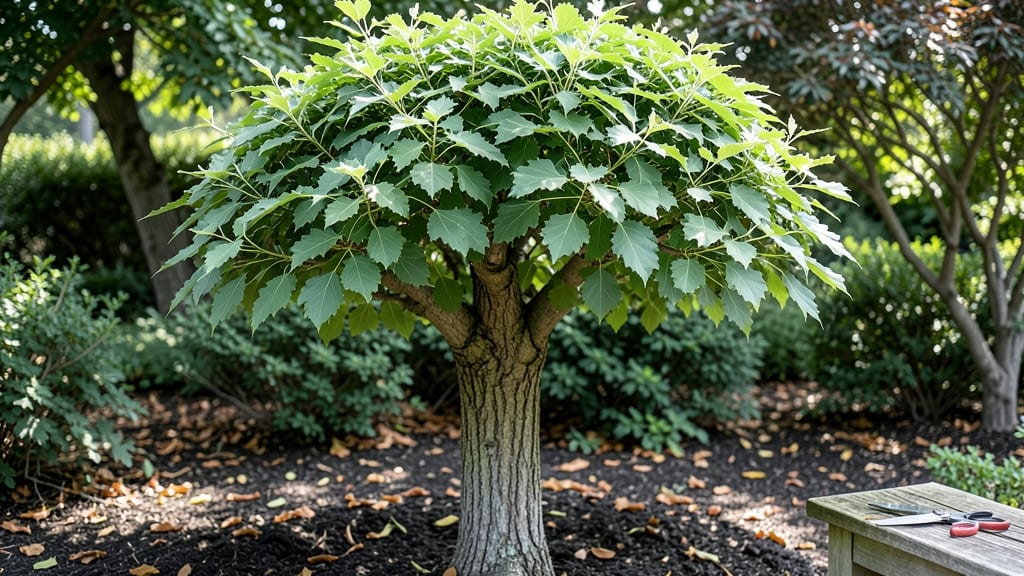
Chinese elm trees grow shade faster than almost any other tree for tight city spaces. 🌳 I planted mine in a 5-foot-wide strip between the sidewalk and driveway, and within three years, it cast enough shade to turn that hot, sunbaked spot into a cool retreat.
The secret isn’t just their speed—it’s how they handle urban stress like salt spray, compacted soil, and drought once established.
You’ll need a spot with at least 6 hours of sun, well-draining soil (even rocky or clay-heavy works), and patience for the first year while roots establish. The most popular variety, Ulmus parvifolia, stays compact (30–40 feet tall) and develops that signature weeping habit as it matures.
Prune in late winter to shape it early, and skip heavy fertilization—these trees thrive on neglect once planted.
By summer’s second year, you’ll have a lush canopy that cools air by 10 degrees on hot days. The leaves stay green until frost, and the bark develops a textured, almost sculptural quality that adds winter interest.
Best of all? They resist Dutch elm disease, the scourge of American elms, making them the low-maintenance champion for urban landscapes.
Works in zones 6–9, from coastal cities to inland heat islands. Here’s how to get yours growing strong from day one—no green thumb required.
📚 In This Guide
- What you need
- Instructions
- Tips and common mistakes
- Wrapping up and next steps
What you need
- ● Chinese Elm Tree: 1 sapling or young tree (3–6 ft tall, 1–2" caliper). Pro tip: Choose a disease-resistant cultivar like 'Lone Star' or 'Frontier' for urban areas!
- ● Shovel: 1 medium-sized digging spade (for planting holes up to 2 ft wide/deep).
- ● Compost or Organic Matter: 2–3 gallons of well-aged compost or peat moss to enrich the soil.
- ● Mulch: 2–3 bags of wood chips or shredded bark (2–3 inches deep) to retain moisture and suppress weeds.
- ● Watering Can or Hose: With a gentle spray nozzle for post-planting hydration.
- ○ Stakes & Twine (Optional but Recommended): 2 wooden stakes (18–24" long) and 1 roll of twine to support young trees in windy areas.
- ● Garden Gloves: 1 pair to protect your hands while digging.
- ● Pruning Shears: Small bypass pruners for trimming dead branches post-planting.
- ○ Soil pH Test Kit: Optional but helpful—Chinese Elms prefer slightly acidic to neutral soil (pH 6.0–7.5).
- ● Fertilizer (Slow-Release): 1 bag of balanced 10-10-10 or tree-specific fertilizer for the first year.
- ● Tree Guard or Protective Wrap: 1 roll of plastic tree guard to deter rodents or pets from chewing the bark.
- ● Sunlight: Ensure your planting spot gets full sun (6+ hours/day)—Chinese Elms thrive in urban heat!
- ● Well-Draining Soil: Test your soil or amend heavy clay with sand/compost for optimal drainage.
- ● Space: Allocate 20–30 ft of clearance for mature growth (though they adapt well to tight spaces).
- ● Water Access: Plan for deep watering 2–3 times/week for the first year.
Step-by-Step guide to planting Chinese elm trees for quick shade
Here's how I get these trees established fast—with minimal fuss and maximum results.
🌱 Step 1: Choose the Perfect Planting Spot
Chinese elms thrive in full sun to partial shade, but for fastest growth, pick the sunniest location possible. They tolerate urban pollution and compacted soil, making them ideal for city yards. Look for a spot with at least 6 hours of direct sunlight daily—this ensures rapid canopy development.
I always check the mature size of the tree (typically 30-40 feet tall) and mark a circle on the ground with spray paint to visualize the eventual spread. This prevents planting too close to sidewalks, driveways, or foundations. The roots can extend 2-3 times the canopy width, so give it room to stretch.
🪴 Step 2: Prepare the Planting Hole
Dig a hole twice as wide as the tree's root ball but only as deep as the container it came in. Chinese elms hate being buried too deep—this causes root suffocation. I loosen the sides of the hole with a shovel to prevent compacted soil from restricting root growth.
Mix the excavated soil with 2-3 inches of compost (if available) to improve drainage and fertility. The goal is loose, well-draining soil—Chinese elms tolerate poor conditions but grow fastest in amended soil. Tap the tree's root ball gently to settle it before placing it in the hole.
☀️ Step 3: Plant and Water Deeply
Place the tree in the hole so the top of the root ball sits 1 inch above ground level. This prevents water from pooling around the trunk. Fill the hole with soil, pressing lightly to remove air pockets, but don’t compact it—roots need space to expand. Water immediately after planting to settle the soil and eliminate air gaps.
Give the tree 10-15 gallons of water right after planting, then repeat every 2-3 days until it establishes roots (about 4-6 weeks). You’ll know it’s taking hold when new leaves appear and the soil stays moist to the touch. Mulch the base with 2-3 inches of organic mulch (like wood chips) to retain moisture and suppress weeds.
✂️ Step 4: Prune for Structure and Speed
Prune the tree immediately after planting to remove any broken or crossing branches. Focus on shaping the canopy to encourage a strong, open structure—this prevents future crowding and promotes faster growth. I always cut just above a leaf node (the bump where leaves attach) to encourage new growth.
For the first year, avoid heavy pruning. Instead, remove only dead or diseased branches. Chinese elms grow quickly, so you’ll see noticeable height increases in just a few seasons. Watch for new shoots at the base—these can be pruned back to encourage a single-trunk growth habit if desired.
Tips & tricks for perfect Chinese elm planting
Here's what I've learned after planting these shade giants in tight city spaces—no guesswork, just proven results.
Sunlight Secret: While Chinese elms tolerate partial shade, those 6 hours of direct sunlight make all the difference for rapid growth. If your yard has morning sun but afternoon shade, position the tree to catch those morning rays—it's when the light is strongest. I've seen trees in full sun grow 2 feet taller in their first season compared to those with only partial light.
Root Ball Reality: That 1-inch above ground level placement isn't just about looks—it prevents root suffocation, which is the #1 reason young trees fail. I've buried trees too deep before, and within weeks, the roots started rotting. Use a level to check placement before filling the hole. Also, avoid compacting the soil around the roots—press lightly, but don't crush the root structure.
Watering Wisdom: Those 10-15 gallons right after planting aren't a suggestion—they're essential for settling the soil and eliminating air pockets. I've seen trees wilt dramatically after planting because they weren't watered enough. For the first 4-6 weeks, check soil moisture every 2-3 days—stick your finger 2 inches deep into the soil. If it's dry, water again. The goal is consistently moist, not soggy, soil.
Pruning Payoff: When you shape the canopy in Step 4, focus on creating an open center rather than just removing broken branches. This open structure allows sunlight to reach lower branches, encouraging faster growth throughout the tree. I cut back about 20-30% of the canopy right after planting, which might seem drastic, but it pays off with thicker, healthier growth in just a few seasons.
Pro Tips for Chinese Elms Trees
- Here's what I've learned after planting these shade giants in tight city spaces—no guesswork, just proven results.
- Sunlight Secret: While Chinese elms tolerate partial shade, those 6 hours of direct sunlight make all the difference for rapid growth.
- Root Ball Reality: That 1-inch above ground level placement isn't just about looks—it prevents root suffocation, which is the #1 reason young trees fail.
Frequently asked questions
Got questions about growing Chinese elm trees in your urban yard? You’re not alone! Here are some of the most common concerns—plus straightforward answers to help you plant with confidence.
How fast do Chinese elm trees grow?
Chinese elms are fast growers—expect 2–3 feet per year under ideal conditions (full sun, well-drained soil, and regular watering). In urban settings, growth may slow slightly but still outpace slower-maturing shade trees. For quick shade, they’re a top pick!
Are Chinese elms good for small urban yards?
Their compact, rounded canopy (typically 30–40 feet tall at maturity) makes them perfect for tight spaces. Plus, they tolerate urban pollution, drought, and poor soil—ideal for city living. Just ensure they have 6–8 feet of clearance from structures.
Do Chinese elms attract pests or diseases?
While generally low-maintenance, they can fall prey to elm leaf beetles, powdery mildew, or Dutch elm disease. Preventative care helps: Prune for airflow, avoid overwatering, and monitor for early signs (yellowing leaves, sawdust-like frass). Healthy trees resist most issues!
Can Chinese elms survive cold winters?
Yes! These trees handle USDA Zones 5–9, meaning they’re hardy down to -20°F. In colder climates, mulch the base in winter to protect roots. Just avoid planting in frost pockets where cold air settles—choose a slightly elevated spot for best results.
What’s a good alternative if Chinese elms aren’t available?
If you’re struggling to find Chinese elms, consider these fast-growing, shade-loving urban trees:
- London planetree – Disease-resistant, similar size
- Serviceberry – Smaller, with edible berries
- Honey locust – Thornless varieties for tight spaces
Wrapping up and next steps
Chinese elm trees are a fantastic choice for small urban yards, offering fast growth, durable shade, and low-maintenance beauty—all while adapting effortlessly to tight spaces. Whether you're drawn to their resilience, striking bark, or eco-friendly benefits, these trees bring both practicality and charm to your outdoor space. 🌳✨
Ready to transform your yard? Start by choosing the right variety for your climate and soil, then plant with confidence—your future shade (and curb appeal!) will thank you. Happy gardening!