
Trees
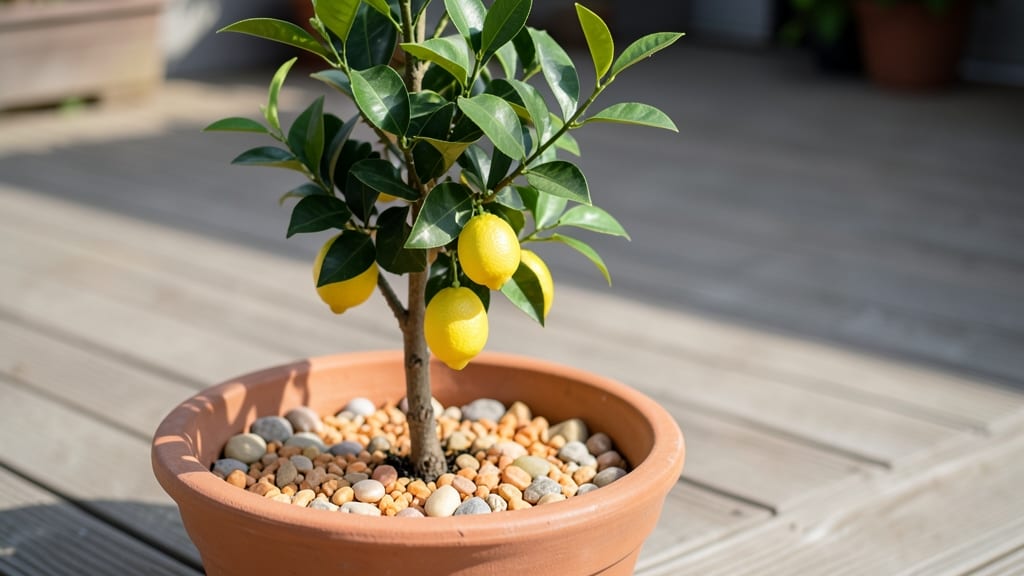
Growing miniature fruit trees in pots turns your balcony into a year-round orchard—no yard required. 🌱 I’ve watched my dwarf apple and peach trees produce real fruit in 5-gallon containers, proving that space constraints don’t mean sacrificing harvests.
The key lies in choosing the right varieties, pots, and care routine that mimics what these trees would get in the ground.
You’ll need dwarf rootstock varieties (like ‘Columnar’ or ‘Spindle’ types), containers with drainage holes at least 12 inches deep, and a well-draining soil mix that mimics orchard conditions.
My first attempt with regular potting soil nearly drowned the roots—until I switched to a 60/30/10 blend of topsoil, compost, and perlite. The difference was night-and-day growth.
By summer, you’ll be harvesting full-sized fruit from trees that fit on a patio table. The pruning is minimal (just shaping in early spring), and pests are easier to manage in containers.
Even my neighbor’s skepticism turned to envy when their store-bought peaches couldn’t compete with mine. The secret? Consistent watering (never soggy soil) and a balanced fertilizer schedule that mimics spring blooms.
This works for indoor wintering too—just move pots to a sunny window and reduce watering. Whether you’re in a city apartment or a small suburban yard, these trees deliver real fruit with minimal fuss. Let’s get your orchard started.
📚 In This Guide
- What you need
- Instructions
- Tips and common mistakes
- Wrapping up and next steps
What you need
- ● Miniature fruit tree: Choose a dwarf or semi-dwarf variety (e.g., Columnar Apple, Meyer Lemon, Blueberry Bush). 1-3 plants depending on space.
- ● Pot or container: 5-15 gallon (size depends on tree type). Ensure it has drainage holes and is made of terracotta, plastic, or fabric.
- ● High-quality potting mix: Use a well-draining blend (e.g., 50% potting soil + 50% perlite/sand for citrus; peat-based mix for apples). 1 bag (1-2 cubic feet) per pot.
- ● Slow-release fertilizer: Balanced (10-10-10) or citrus-specific (e.g., Osmocote). 1-2 tbsp per planting.
- ● Mulch: Organic (wood chips) or inorganic (gravel) to retain moisture. 1-2 inches layer.
- ● Gloves & pruning shears: Sterilized for planting and maintenance.
- ● Watering can or hose with nozzle: Drip irrigation works best for consistency.
- ○ Support stake (optional): Bamboo or metal for windy areas (especially for columnar trees).
- ○ Tree ties (optional): Soft fabric strips to secure stakes.
- ○ pH test kit (optional): For acid-loving plants like blueberries (pH 4.5-5.5).
- ○ Epsom salt (optional): Magnesium boost for citrus trees (1 tbsp per gallon of water, monthly).
Step-by-step instructions for growing miniature fruit trees in containers
Here's how to create a thriving miniature orchard that fits your space.
🪴 Step 1: Select and Prepare the Right Containers
Choose containers with drainage holes that are at least 12-18 inches deep—shallower pots stunt root growth and limit fruit production. I prefer self-watering pots with a reservoir because they maintain consistent moisture without the risk of overwatering. Clean each container thoroughly with a 10% bleach solution to prevent disease, then rinse well.
Place a 3-4 inch layer of gravel or broken pottery at the bottom for drainage. This prevents soil compaction and keeps roots healthy. The gravel layer also helps regulate moisture—critical for dwarf varieties that need consistent but not soggy conditions. Fill the remaining space with a well-draining cactus/succulent mix blended with 30% perlite for optimal aeration.
🌱 Step 2: Choose and Plant Dwarf Varieties
Select cold-hardy dwarf varieties like 'Columnar Apple', 'Patio Pear', or 'Bush Cherry'—these thrive in containers and produce fruit within 3-5 years. I recommend planting 2-3 trees per pot for pollination, but ensure each has its own root space. Remove the tree from its nursery pot and gently loosen the roots if they're circling.
Dig a hole twice as wide as the root ball but only as deep as the container's base. Position the tree so the graft union (the swollen area near the base) sits 1-2 inches above soil level. This prevents root rot while allowing the tree to develop properly. Backfill with the prepared mix, pressing lightly to eliminate air pockets but not compacting the soil.
☀️ Step 3: Position for Sunlight and Water Properly
Miniature fruit trees need 6-8 hours of direct sunlight daily. A south-facing balcony or patio works best, but if you're in a shaded area, supplement with a grow light on a timer for 14 hours daily. I've seen trees in east-facing spots thrive with morning sun and afternoon grow light—just avoid harsh afternoon sun in hot climates, which can scorch leaves.
Water deeply 2-3 times per week until water runs freely from the drainage holes, then let the top 2 inches of soil dry out before watering again. Overwatering is the fastest way to kill dwarf fruit trees—roots rot quickly in soggy conditions. In winter, reduce watering to once every 10-14 days unless your space heats up significantly.
✂️ Step 4: Prune and Maintain for Optimal Growth
Prune in late winter or early spring to shape the tree and encourage fruiting. Remove any dead, crossing, or inward-growing branches first. Then, cut back 20-30% of last year's growth to stimulate new, vigorous shoots. I always sterilize my pruners with rubbing alcohol between cuts to prevent bacterial spread.
Fertilize every 4-6 weeks during growing season with a balanced 10-10-10 formula, halving the recommended dose to avoid burning tender roots. In fall, switch to a low-nitrogen, high-phosphorus fertilizer to support root development and winter hardiness. Mulch with 2-3 inches of shredded bark to retain moisture and regulate soil temperature.
Tips & tricks for perfect miniature fruit trees in pots
Here's what I learned after nurturing my own container orchard—these details make all the difference between struggling saplings and thriving fruit producers.
Container Depth Matters: The 12-18 inch depth requirement isn't arbitrary—roots need that space to establish before they hit the bottom of the pot. I've seen shallow containers stunt growth completely after just one season. If you're working with limited space, choose the deepest option available and consider using a pot with a removable bottom for easier root inspection. Remember, deeper pots also mean more soil volume to retain moisture during those hot summer afternoons.
Graft Union Placement is Critical: Positioning the graft union 1-2 inches above soil level prevents rot while allowing the tree to develop properly. This is where the tree's genetic identity lives—burying it too deep can cause the tree to revert to its rootstock's characteristics, ruining your fruit variety. I always mark the graft union with a small piece of tape before planting as a visual reminder during backfilling.
Light Supplementation Strategy: That 14-hour daily light requirement can be tricky without a south-facing spot. I've had success with a simple LED grow light on a timer—just position it 12-18 inches above the plants. For east-facing spots, I recommend supplementing with the grow light in the afternoon to make up for the missing sunlight hours. The key is consistency; trees thrive on predictable light cycles.
Watering Wisdom: The 2-3 times per week guideline works for most climates, but I've learned to adjust based on container size and material. Terracotta pots dry out faster than plastic, so you might need to water daily in summer. Always check the top 2 inches of soil—if it's dry to the touch, it's time to water. In winter, I reduce to once every 10-14 days unless my indoor space has forced heat, which dries out the soil much faster.
Pro Tips for Miniature Fruit Trees In Pots
- Here's what I learned after nurturing my own container orchard—these details make all the difference between struggling saplings and thriving fruit producers.
- Container Depth Matters: The 12-18 inch depth requirement isn't arbitrary—roots need that space to establish before they hit the bottom of the pot.
- Graft Union Placement is Critical: Positioning the graft union 1-2 inches above soil level prevents rot while allowing the tree to develop properly.
Frequently asked questions
What’s the best size pot for miniature fruit trees?
Most dwarf varieties thrive in 5–10 gallon pots (12–20 inches wide). Ensure pots have drainage holes to prevent root rot. Larger pots (15+ gallons) support bigger trees like dwarf apple or peach varieties. Use lightweight materials like fabric or plastic for easy moving.
How long does it take for miniature fruit trees to bear fruit?
Patience is key! Dwarf trees typically fruit in 2–5 years, depending on the variety and care. Citrus and figs may fruit sooner (1–2 years), while apples or pears can take longer. Prune regularly to encourage fruiting and protect young trees from frost.
Can I grow multiple types of fruit trees in the same pot?
Not recommended! Each tree needs its own space for roots and nutrients. Exceptions: Some pollinating pairs (like dwarf apple + crabapple) can share a large pot (20+ gallons) if pruned carefully. Otherwise, keep varieties separate for health and yield.
Why are my leaves yellowing or dropping?
Yellow leaves often signal overwatering, underwatering, or nutrient deficiency. Check soil moisture—it should stay slightly damp but not soggy. Fix it: Adjust watering, use balanced fertilizer (like 10-10-10), and ensure pots get 6+ hours of sunlight daily. Pests (like spider mites) can also cause stress.
What’s a good alternative if I don’t have outdoor space?
No problem! Try indoor-friendly dwarf varieties like lemon, lime, or Meyer lemon trees (they tolerate lower light). Place them near a south-facing window or use grow lights. Herbs like mint or basil also thrive in pots and add a fresh touch!
Wrapping up and next steps
Growing miniature fruit trees in pots is a rewarding way to bring fresh, homegrown fruit to even the smallest spaces—whether it’s a cozy balcony, a sunny windowsill, or a tiny yard. These compact orchards offer year-round joy, from vibrant blooms to sweet harvests, while requiring minimal space and effort.
With the right care, your little trees can thrive and produce fruit for years, turning your green thumb into a delicious reality!
Ready to start your own mini orchard adventure? Pick your favorite variety, gather your supplies, and give these tiny trees the love they deserve. Plant today—harvest tomorrow! 🌱🍎