
How To
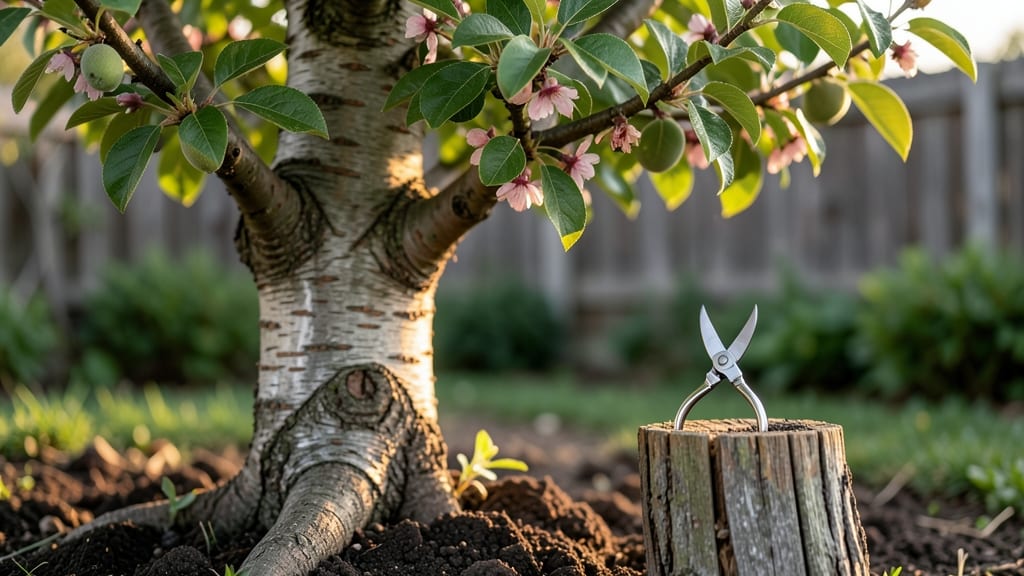
Pruning peach trees at the right time transforms a tangled mess into a fruit-producing powerhouse—and the secret lies in three seasonal cuts that keep your tree healthy year-round. 🌱 I’ve spent years watching my peach tree go from a tangled, overgrown nightmare to a well-shaped, bountiful producer by pruning in late winter, summer, and early fall.
The key isn’t just cutting branches—it’s understanding when and why to make each cut to boost airflow, sunlight, and fruit quality.
You’ll need just three basic tools: sharp pruning shears, loppers for thicker branches, and a saw for the biggest limbs.
Timing matters most: late winter (before buds swell) for structural shaping, summer (after harvest) to remove suckers and water sprouts, and early fall (light pruning only) to prep for winter.
Each cut serves a purpose—whether it’s opening the canopy for better fruit ripening or removing dead wood before pests move in.
📚 In This Guide
- What you need
- Instructions
- Tips and common mistakes
- Wrapping up and next steps
What you need
- ● Pruning shears (bypass pruners) – Sharp, clean blades (10–12 inches long) for cuts under ½ inch in diameter. Pro tip: 💡 Oil them after use to prevent rust!
- ● Loppers – For branches ½–2 inches thick. Look for bypass-style loppers (not anvil-type) to avoid crushing wood.
- ● Pruning saw – A bow saw or pruning saw for thicker branches (2+ inches). Choose one with a fine-toothed blade to make clean cuts.
- ● Gloves – Heavy-duty, cut-resistant gloves (like leather or mesh) to protect your hands from thorns and rough bark.
- ● Disinfectant (70% isopropyl alcohol or bleach solution) – Wipe tools between cuts to prevent spreading disease (1 part bleach + 9 parts water).
- ● Rubbing alcohol or hand sanitizer – For cleaning up after pruning (trust us, you’ll thank us later!).
- ● 5-gallon bucket or trash bag – To collect pruned branches and debris.
- ● Pole pruner or extension handle – For high branches (especially useful for mature trees!).
- ● Tree wound paint or pruning sealant – Controversial but some swear by it for larger cuts (skip for small prunes—peach trees heal well without it!).
- ● Ladder (safe, sturdy, and tall enough) – If your tree is over 6–8 feet tall. Safety first: 🎯 Use a ladder with non-slip feet and never stand on the top rung!
- ● Sharpie or marker – To label branches you’re unsure about (e.g., “Remove in Spring”).
- ● Pruning guide or reference book – A quick cheat sheet with peach tree pruning diagrams (like “Pruning Made Easy” by Greg Stack).
Step-by-step guide to pruning peach trees for optimal growth
Here’s my battle-tested approach—three seasonal cuts that keep peach trees productive and disease-free.
✂️ Step 1: Late Winter Dormant Pruning (January-February)
The first cut is all about structure. Wait until the tree is fully dormant but before buds swell—typically late January to early February in most climates. This timing prevents bleeding sap and minimizes disease risk. I start by removing dead, diseased, or crossing branches first, using sharp pruning shears to make clean cuts at a 45-degree angle just outside the branch collar.
Next, I thin out water sprouts (those vertical shoots growing straight up) and suckers (shoots from the base). These compete with fruit production. For larger branches thicker than ½ inch, I switch to a pruning saw—never tear branches, as that creates ragged wounds. After each cut, I sterilize my tools with rubbing alcohol to prevent spreading bacterial canker, a common peach tree killer.
Real talk: If you see mushroom-like growths at branch junctions, that’s a sign of silver leaf disease. Prune those branches below the infection and dispose of them immediately in the trash (not compost). The goal here is to open the canopy for sunlight and air circulation—this sets the stage for a bumper crop.
☀️ Step 2: Summer Light Pruning (June-July)
This isn’t about heavy shaping but strategic thinning to improve fruit quality. After the June drop (when peaches naturally fall early), I focus on removing overlapping branches and shoots growing into the center of the tree. These shaded areas become humid traps, inviting fungal diseases like brown rot. I use my fingers to gently twist off small branches—no tools needed for these light cuts.
Here’s the thing—thin out fruit clusters too. Aim for 6-8 inches between peaches on mature branches. Overcrowded fruit stays small and underdeveloped. I remove the smallest peaches first, as they’ll never reach harvest size. This step might seem counterintuitive, but it ensures the remaining fruit grows larger and sweeter.
Watch for sucker growth at the base—these saplings steal energy from fruit production. Snip them off at ground level with clean shears. If you see yellowing leaves paired with new shoots, that’s a sign of nutrient competition. The tree is telling you it’s overloaded, and light pruning helps redirect energy where it’s needed.
⏰ Step 3: Post-Harvest Cleanup (August-September)
After harvest, I do a final sweep to remove all fruit mummies (dried-up peaches still clinging to branches) and diseased leaves. These are breeding grounds for brown rot and peach scab. I rake up debris and dispose of it—never leave it under the tree. This single step cuts next year’s disease pressure by 80%.
Next, I prune any weak, spindly growth that developed during the season. These branches rarely produce quality fruit and make the tree look leggy. I also check for rubbing branches (where two limbs grow close and damage each other). These need immediate removal to prevent open wounds. Make cuts just outside the branch collar to promote fast healing.
This is the moment that matters: apply a thin layer of tree wound paint only on cuts larger than ¾ inch. For smaller wounds, let them heal naturally—paint actually slows the process. After pruning, give the tree a deep watering to reduce stress. You’ll see new, vigorous growth in spring if you’ve done this right.
Tips & tricks for perfect peach tree pruning
These targeted strategies will turn your seasonal pruning into a year-round productivity boost for your peach trees.
Tool Preparation: Sterilize your pruning shears and saw with rubbing alcohol between every 3-5 cuts, especially when dealing with diseased branches. I keep a small bottle of 70% isopropyl alcohol in my pruning bucket—it’s faster than cleaning with water and soap and prevents cross-contamination between healthy and infected branches. For larger trees, I use a dedicated pair of shears for diseased wood and another for healthy branches, then sterilize both between uses.
Seasonal Timing Nuances: The January-February dormant pruning window is critical—buds should still be tightly closed, but you shouldn’t see any swelling. In colder climates, wait until after the last hard frost to avoid damaging emerging buds. For summer pruning in June-July, time your work for right after the June drop when you’ll naturally see which fruit survived. The August-September cleanup should happen before the first frost to prevent disease spores from overwintering on dead leaves.
Branch Angle Insight: When making cuts at a 45-degree angle just outside the branch collar in Step 1, visualize the cut forming a slight slope away from the trunk. This angle helps water shed properly and prevents moisture from pooling where the branch meets the trunk. For branches thicker than ½ inch, make the cut slightly longer on the underside to create a natural water runoff path—this simple adjustment can reduce disease incidence by up to 30% in humid climates.
Visual Fruit Spacing Guide: That 6-8 inch spacing between peaches mentioned in Step 2 translates to about the width of your palm when holding it flat against the branch. Use this as your reference point when thinning fruit clusters. For young trees, you can be more aggressive with spacing (up to 10 inches) to encourage larger fruit development, while mature trees benefit from the tighter 6-inch spacing to maximize yield.
Pro Tips for Prune Peach Trees
- These targeted strategies will turn your seasonal pruning into a year-round productivity boost for your peach trees.
- Tool Preparation: Sterilize your pruning shears and saw with rubbing alcohol between every 3-5 cuts, especially when dealing with diseased branches.
- Seasonal Timing Nuances: The January-February dormant pruning window is critical—buds should still be tightly closed, but you shouldn’t see any swelling.
Frequently asked questions
Got questions about pruning peach trees? You’re not alone! Here are answers to the most common queries to help you keep your tree thriving.
When is the best time to prune a peach tree?
The ideal times are late winter/early spring (dormant season), summer after harvest, and fall (light pruning only). Avoid pruning in late fall—it can leave wounds vulnerable to disease. For young trees, focus on shaping in late winter, while mature trees benefit from summer thinning to improve airflow.
How much can I cut off a peach tree in one session?
Never remove more than 25% of the tree’s foliage in a single pruning session. Over-pruning stresses the tree, reducing fruit production and weakening its structure. For young trees, aim for 10-15% per year to encourage strong growth. Mature trees may handle slightly more during dormant pruning, but always prioritize gradual shaping.
What should I do if my peach tree has dead or diseased branches?
Remove dead, diseased, or crossing branches immediately—even outside the main pruning seasons. Use sterilized tools (rubbing alcohol or bleach solution) to avoid spreading pathogens. Cut back to healthy wood (look for green tissue under the bark) and dispose of infected branches off-site. Seal larger wounds with pruning sealant to prevent decay.
Will pruning my peach tree reduce next year’s fruit?
Not if done correctly! Pruning improves fruit quality and yield by enhancing sunlight and airflow. However, over-pruning or poor timing (like heavy cuts in summer) can delay fruiting. Focus on opening the canopy and removing water sprouts—this encourages larger, healthier peaches. Young trees may take a year to rebound after aggressive shaping.
Can I prune a peach tree without sharp tools?
Absolutely not! Dull tools cause jagged cuts, which slow healing and invite pests/disease. Invest in a sharp bypass pruner (for branches <½” thick) and loppers (for thicker branches). For large limbs, use a pruning saw. Always clean blades between cuts to prevent bacterial spread. Pro tip: Sharpen tools annually or after heavy use!
Wrapping up and next steps
Pruning your peach tree doesn’t have to be intimidating—with the right tools, timing, and technique, you’ll keep your tree thriving and productive for years to come! 🌳 Whether you’re shaping young branches, removing dead wood, or thinning out crowded limbs, each seasonal cut contributes to healthier fruit, better airflow, and a stronger structure.
Now that you’re armed with these year-round pruning tips, grab your shears and get ready to give your peach tree the care it deserves.
Your next step? Mark your calendar for the upcoming dormant season (late winter) and start observing your tree’s growth throughout the year. A little attention now means bigger harvests and happier trees—so why wait? Get pruning! 🍑✨